The Silent Killers in Your Kitchen: The Definitive Toxic Food for Cats List Your Vet Wants You to Read

That soft purr against your chest. The gentle head boop that says, ‘I trust you with my life.’ You are your cat’s entire world, their provider, their protector. But what if the very food in your kitchen—or even in their bowl—is a silent threat? The thought is terrifying, and the truth is, pet food labels are a minefield of confusing jargon and hidden dangers. You shouldn’t have to be a nutritionist to keep your family safe. That’s why we’re building Pet Scan Genius, a revolutionary app that instantly analyzes food labels for toxins and allergens specific to your pet. It’s not ready yet, but your cat’s safety can’t wait. Visit https://pet.scangeni.us/ right now to join the exclusive waitlist and be the first to give your pet the protection they deserve.

We live in a world of information overload, yet clarity is scarce, especially when it comes to feline health. A simple, well-intentioned treat from your plate could lead to a frantic, heartbreaking emergency vet visit. This isn’t about fear-mongering; it’s about empowerment. This guide is your first line of defense, a comprehensive list built on hard science and veterinary expertise. The ASPCA Animal Poison Control Center, a leading authority, receives hundreds of thousands of calls a year about pet poisonings, many from common household foods. This guide will arm you with the knowledge to prevent your beloved cat from becoming one of those statistics.

The “Never-Ever” List: Foods That Are Acutely Toxic to Cats

These are the non-negotiables. Even a small amount of these foods can cause severe illness or death. There is no ‘safe’ dose. Your kitchen must become a fortress, protecting your curious cat from these specific dangers.

Alliums: Onions, Garlic, Chives, and Leeks

Often found in powdered, cooked, or raw forms in our own food, the allium family is exceptionally dangerous for cats. Whether it’s a stray piece of onion from your salad or the garlic powder in a sauce they’ve licked, the threat is potent.

  • The Toxin: N-propyl disulfide.
  • The Mechanism: This compound damages a cat’s red blood cells, causing them to rupture in a process called hemolysis. This leads to a life-threatening condition called Heinz body anemia, where the blood can no longer carry enough oxygen to the body’s organs.
  • Why It’s So Dangerous: The symptoms can be delayed, appearing several days after ingestion. A cat might seem fine initially, while severe internal damage is already underway. Garlic is considered to be approximately five times as toxic as onions for cats.

Grapes and Raisins

While the exact toxic substance is still unknown, the veterinary community is united on this: grapes and raisins are severely toxic to felines. The danger is not dose-dependent; even a single grape can be catastrophic.

  • The Toxin: Unknown, but the effect is devastating.
  • The Mechanism: Ingestion can lead to the rapid, irreversible, and often fatal development of acute kidney failure.
  • Why It’s So Dangerous: There’s no way to know which cats will be affected or how much it will take. The only safe approach is total avoidance. If you suspect your cat has eaten even one, it is a medical emergency.

Chocolate and Caffeine

Most people know chocolate is bad for dogs, but it’s equally, if not more, dangerous for cats due to their smaller size. The darker and more bitter the chocolate, the more toxic it is.

  • The Toxin: Theobromine and caffeine (both are methylxanthines).
  • The Mechanism: Cats cannot metabolize these substances effectively. They act as stimulants, causing severe cardiac and nervous system distress.
  • Symptoms: Vomiting, diarrhea, increased thirst, restlessness, an abnormal heart rhythm, tremors, seizures, and death.

Alcohol and Raw Dough

Any product containing ethanol is a poison. This includes alcoholic beverages, perfumes, and even raw bread dough containing yeast.

  • The Toxin: Ethanol.
  • The Mechanism (Alcohol): A cat’s liver is not equipped to process alcohol. It can cause severe intoxication, respiratory failure, a dangerous drop in blood sugar and body temperature, coma, and death.
  • The Mechanism (Raw Dough): The yeast ferments in the warm, moist environment of the stomach, producing ethanol. Worse, the dough expands, which can cause a painful, life-threatening bloating condition called Gastric Dilatation-Volvulus (GDV).

Xylitol (Artificial Sweetener)

This sugar substitute is a silent killer found in an ever-increasing number of products: sugar-free gum, candy, baked goods, peanut butter, and even some medications.

  • The Toxin: Xylitol.
  • The Mechanism: In cats (and dogs), xylitol triggers a massive, rapid release of insulin from the pancreas. This causes a sudden and profound drop in blood sugar (hypoglycemia), which can lead to seizures, collapse, and coma within minutes. High doses can also cause acute liver failure.
  • Why It’s So Dangerous: The amount needed to cause poisoning is shockingly small. Always check the label on ‘sugar-free’ products before bringing them into your home.

Decoding the Danger: Understanding Toxin Types and Their Effects

Knowing what is toxic is the first step. Understanding how these toxins ravage your cat’s body will solidify your vigilance. Different compounds attack different systems, leading to a range of terrifying symptoms.

Gastrointestinal Terrors: Foods Causing Vomiting and Diarrhea

This is the body’s first line of defense—an attempt to expel a poison. While many things can cause a simple upset stomach, certain foods trigger a violent and dangerous gastrointestinal response.

  • Dairy Products: Contrary to popular belief, most adult cats are lactose intolerant. Their digestive system lacks the enzyme lactase, needed to break down the sugar in milk. This can lead to painful cramping, gas, and severe diarrhea, causing dehydration.
  • Fatty Foods: Rich foods like bacon, fat trimmings, and greasy leftovers can overwhelm the pancreas, leading to a painful and potentially fatal inflammation known as pancreatitis. Symptoms include severe abdominal pain, persistent vomiting, and lethargy.
  • Raw Meat, Fish, and Eggs: While cats are carnivores, raw foods carry a significant risk of bacterial contamination from Salmonella and E. coli. Furthermore, raw egg whites contain an enzyme called avidin, which interferes with the absorption of biotin (a B vitamin), leading to skin and coat problems. Raw fish can contain thiaminase, an enzyme that breaks down thiamine, an essential B vitamin, leading to neurological issues.

Neurological Nightmares: Toxins That Attack the Brain and Nerves

Some of the most frightening symptoms involve the central nervous system. These toxins cross the blood-brain barrier, causing confusion, loss of coordination, and seizures.

  • Onions and Garlic (in high doses): As the anemia caused by alliums progresses, the lack of oxygen to the brain can lead to neurological symptoms. According to the American Veterinary Medical Association (AVMA), this can manifest as lethargy, weakness, and ataxia (drunken gait).
  • Caffeine and Chocolate: The methylxanthines directly stimulate the central nervous system, leading to hyperactivity, muscle tremors, and seizures as the dose increases.
  • Macadamia Nuts: While the exact mechanism is unknown, these nuts are known to cause neurological symptoms in pets, including weakness, tremors, and temporary paralysis, particularly in the hind limbs.

Organ Annihilation: The Silent Damage to Kidneys and Liver

Perhaps the most insidious poisons are those that cause slow, silent, and often irreversible damage to the body’s vital filtering organs. Your cat may show no outward signs until the organ is already in failure.

  • Grapes and Raisins: The primary target is the kidneys. The toxin causes acute renal failure, shutting down the organs responsible for filtering waste from the blood.
  • Lilies (Non-food, but critical to mention): Every part of the lily plant is lethally toxic to cats. Ingesting even a tiny amount of a leaf or petal, or even licking pollen from their fur, can cause complete and irreversible kidney failure in under 36 hours. This is a true veterinary emergency.
  • Xylitol: In addition to causing hypoglycemia, higher doses of xylitol are directly toxic to liver cells, causing acute hepatic necrosis (liver failure).

Hematological Havoc: Foods That Destroy Red Blood Cells

Your cat’s blood is their life force, carrying oxygen to every cell. Certain toxins directly attack this system, with devastating consequences.

  • Onions, Garlic, Chives: As detailed above, the primary mechanism of these toxins is the destruction of red blood cells (hemolysis), leading to Heinz body anemia. Symptoms to watch for include pale gums, rapid breathing, weakness, and reddish-brown urine.
  • Certain Preservatives (in high amounts): While regulated, some chemical preservatives found in low-quality pet foods, like propylene glycol, can cause blood abnormalities in cats if consumed in large quantities over time.

The Enemy Within: Is Your Cat’s “Healthy” Food Actually Safe?

You avoid table scraps and keep toxic foods locked away. You’re a responsible pet owner. But what if the danger is already in their bowl? The pet food industry is a multi-billion dollar business, and some manufacturers prioritize profit over pet health. They make labels intentionally confusing to hide what you’re really buying.

This is where the real battle for your cat’s health is fought. You see a bag with a picture of a happy cat and words like “natural,” “premium,” or “grain-free,” but the ingredient list tells a different story. It’s a maze of chemical-sounding names, vague descriptions, and legal loopholes.

Hidden Traps in Commercial Cat Food:

  • Vague “Meat By-Products”: This is a legally permissible catch-all term that can include parts of animals like spleen, lungs, and intestines. While not inherently toxic, it’s a sign of low-quality, less digestible protein sources.
  • Artificial Colors (Red 40, Yellow 5): Does your cat care if their kibble is a festive red or yellow? No. These dyes are added for human appeal and have been linked to hyperactivity and allergic reactions in sensitive pets.
  • Chemical Preservatives (BHA, BHT, Ethoxyquin): These synthetic preservatives are used to extend shelf life but are controversial. BHA and BHT are classified as possible carcinogens, and ethoxyquin, a pesticide, is banned for use in human food in many countries but is still permitted in pet food.
  • Fillers with No Nutritional Value: Corn gluten meal, wheat gluten, and soy are often used as cheap protein fillers. They are less bioavailable to a carnivore like a cat and are common allergens that can lead to skin issues and digestive upset.
  • Hidden Sugar and Salt: Often disguised as “molasses” or other syrups, sugar is added to make unpalatable food more appealing. Excess salt is also used as a flavor enhancer, which can be dangerous for cats with heart or kidney conditions.

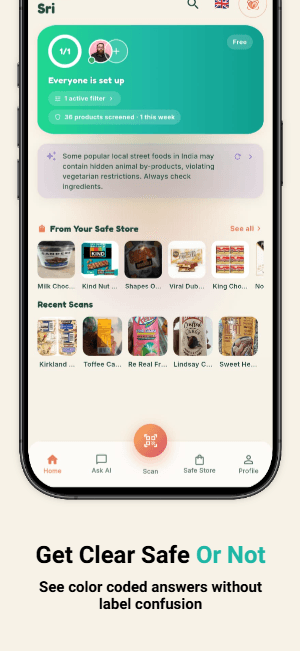
Navigating this nightmare of ingredients is exhausting and stressful. You stand in the pet food aisle, comparing dozens of bags, trying to decipher the marketing spin from the nutritional facts. This is precisely why we created Pet Scan Genius. Our mobile app is designed to be your pocket-sized nutritionist and toxicologist. You simply scan the barcode on any bag of cat food or treats, and our algorithm instantly analyzes the ingredient list for you. It flags toxic additives, common allergens, harmful preservatives, and low-quality fillers, giving you a simple, clear ‘Safe’ or ‘Not Recommended’ rating tailored to your cat’s specific needs. No more guessing. No more industry deception. Just the simple truth, instantly.

Your Cat’s Life is in Your Hands. Don’t Guess. Know.

The love you have for your cat is a powerful bond. You owe it to them, and to yourself, to eliminate the guesswork that puts their health at risk. Reading this list is a crucial first step, but the threats are constantly evolving, hiding in new products and behind new marketing terms every day.

You need a tool that stays ahead of the danger. You need an advocate in your pocket. Pet Scan Genius is that advocate. We are putting the final touches on this revolutionary app, and we want you to be the first to experience the peace of mind that comes with knowing, for certain, that you are giving your pet the very best.

Don’t wait for a tragic accident. Don’t spend another day worrying if you’re making the right choice in the pet food aisle. Take control of your cat’s health right now. Visit https://pet.scangeni.us/ to join the exclusive launch waitlist. Your registration ensures you’ll be the first to know when the app is live, giving you the power to protect the life that trusts you completely.


Frequently Asked Questions

1. What are the neurological symptoms of onion and garlic toxicity in felines?

While the primary damage from onion and garlic toxicity is to the red blood cells (hemolytic anemia), neurological symptoms can manifest as a secondary consequence. When red blood cells are destroyed, the blood’s oxygen-carrying capacity is severely reduced. The brain is highly sensitive to oxygen deprivation (hypoxia). Initial neurological signs can include profound lethargy, weakness, and a loss of coordination or a ‘drunken’ gait (ataxia). In severe, untreated cases, as the brain becomes more starved of oxygen, collapse and seizures can occur. It’s critical to understand these are typically later-stage signs, and by the time they appear, the cat is already in a state of severe medical crisis.

2. Are there hidden toxic ingredients in grain-free cat food?

Yes, absolutely. The term “grain-free” has become a marketing buzzword that consumers equate with “healthy,” but it offers no guarantee of safety or quality. To replace grains like corn and wheat, many grain-free formulas use high quantities of legumes like peas, lentils, and chickpeas, or potatoes. While not acutely toxic in the same way as onions, high concentrations of these ingredients are being investigated for a potential link to a heart condition called dilated cardiomyopathy (DCM) in some pets. Furthermore, grain-free foods can still contain other hidden dangers like artificial colors, controversial chemical preservatives (BHA/BHT), carrageenan (a thickener linked to intestinal inflammation), and low-quality meat by-products. The label “grain-free” should be viewed with skepticism; the entire ingredient list must be scrutinized.

3. Which common spices and herbs are poisonous to cats?

Many common kitchen herbs and spices can be toxic to cats. Beyond the highly toxic onion and garlic powder, cat owners should be cautious with: Nutmeg, which contains myristicin and can cause hallucinations, disorientation, increased heart rate, and seizures. Marijuana, in any form, is highly toxic, causing neurological symptoms. Chamomile can cause allergic reactions, vomiting, and diarrhea. Marjoram can cause gastrointestinal upset and a dangerous drop in heart rate and temperature. Essential oils derived from herbs like tea tree, peppermint, cinnamon, and citrus are extremely toxic to cats, whether ingested, inhaled, or applied to the skin, as they can cause severe liver damage, respiratory failure, and neurological damage. Always research any herb or spice before giving it to your cat or diffusing it in your home.

4. What specific foods should be avoided for cats with Inflammatory Bowel Disease (IBD)?

Cats with IBD have a highly sensitive and chronically inflamed gastrointestinal tract, making diet management crucial. Specific foods to avoid include: Common Protein Allergens, as IBD is often triggered or exacerbated by an immune reaction to food. The most frequent culprits are chicken, beef, and fish. A veterinarian will often recommend a novel protein diet (like rabbit or venison) or a hydrolyzed protein diet where proteins are broken down too small to trigger an immune response. Foods with High Fat Content can be difficult to digest and worsen inflammation and diarrhea. Dairy products should be completely avoided due to lactose intolerance. Foods containing gluten, soy, and corn are common inflammatory triggers. Additionally, avoid foods with unnecessary additives like artificial colors, flavors, and carrageenan, as these can further irritate the gut lining. A vet-prescribed therapeutic diet is almost always the safest and most effective approach for an IBD cat.

Spread the love

Discover the Food Scan Genius app for quick, reliable food insights. Instantly scan barcodes to check allergen compatibility, nutritional content, and ingredient details tailored to your dietary needs. Say goodbye to ingredient guesswork—eat confidently with Food Scan Genius! Download Now

Previous Post
Next Post

Santa Claw

Writer & Blogger

Leave a Reply

About us

Food Scan Genius is an offering from ScanGeni Ventures Pvt Ltd, an ‘AI first’ company driving value for the next generation of consumers. Get in touch with us to learn more:

© 2025 All rights reserved by ScanGeni Ventures Private Limited

Scroll to Top