2025 Vegan Food Trends: Why Whole Foods Are Replacing Fake Meat
In 2025, vegan eating is undergoing a major transformation. Instead of chasing the taste and texture of meat, more people are embracing the natural flavor, color, and nutrition of plants themselves. This shift—from meat mimicry to whole-food, standalone plant-based meals—marks a new era for vegan cuisine, one that’s cleaner, simpler, and more authentic.
According to VegOut Magazine, consumers are increasingly choosing foods that are minimally processed and free from additives. The trend reflects a growing desire for transparency, gut-friendly ingredients, and meals that celebrate plants rather than imitate animal products.
The Great Vegan Shift of 2025
For years, vegan innovation centered around imitation—burgers that “bleed,” cheeses that stretch, and nuggets that crunch. But as the novelty wears off, consumers are asking for something more genuine. Data from Root Kitchen UK shows that UK plant-based sales are increasingly driven by natural ingredients like lentils, mushrooms, and chickpeas, rather than ultra-processed analogues.
Why Consumers Are Moving Away from Meat Mimics
- Clean-label demand: Shoppers want ingredient lists they can recognize and trust.
- Gut health awareness: People are linking overly processed foods to digestive discomfort and seeking simpler alternatives.
- Authentic flavor: Consumers are rediscovering the taste of real vegetables, grains, and legumes.
- Environmental transparency: Whole foods often have clearer sourcing and lower carbon footprints.
The Vegan Society notes that this movement isn’t just about health—it’s cultural. Eating plants in their natural form aligns with sustainability values and a desire for authenticity in food choices.
What Vegans Are Actually Eating in 2025
So, what’s replacing the fake meats and dairy substitutes? The answer lies in whole-food plant-based meals that highlight texture, color, and nutrient diversity. Restaurants and home cooks alike are focusing on dishes that showcase plants as the star ingredient.
| Category | Examples | Why It’s Trending |
|---|---|---|
| Legume-Based Meals | Lentil bowls, chickpea curries, black bean tacos | Rich in protein and fiber, easy to prepare, versatile |
| Vegetable-Centric Dishes | Roasted root vegetables, mushroom steaks, cauliflower “steaks” | Highlight natural flavors and textures |
| Grain & Seed Creations | Quinoa salads, buckwheat pancakes, chia puddings | High nutrient density and gluten-free appeal |
| Fermented & Gut-Friendly Foods | Kimchi, tempeh, sauerkraut | Linked to digestive health and probiotic benefits |
From Burgers to Bowls: The New Vegan Format
Instead of trying to replicate traditional meat dishes, 2025’s vegan menus focus on bowls, wraps, and shareable platters that combine grains, greens, and proteins in balanced, colorful ways. This reflects a broader “food-as-nourishment” mindset rather than “food-as-imitation.”
According to Vegconomist, plant-based brands are adapting by launching clean-label product lines and highlighting the natural origin of ingredients. Private-label retailers are also expanding their whole-food vegan offerings, responding to consumer calls for transparency.
Clean Label Vegan Foods: The Heart of the 2025 Movement
“Clean label” means simple ingredient lists, minimal additives, and recognizable components. This concept has become central to plant-based eating in 2025. Shoppers are reading labels more carefully and avoiding products with synthetic binders or flavor enhancers.
Top Clean-Label Ingredients in 2025
- Pea protein and lentil flour for natural plant protein
- Cold-pressed oils like avocado and olive for healthy fats
- Whole grains such as quinoa, millet, and farro
- Fermented soy and legumes for probiotic benefits
These ingredients are not only nutrient-rich but also align with consumer expectations for transparency and sustainability. As Root Kitchen UK reports, brands that emphasize “no additives” and “minimally processed” are seeing faster growth than those offering imitation meats.
How Food Scan Genius Helps Consumers Navigate 2025’s Vegan Choices
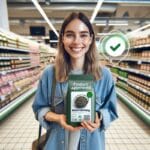
With so many new plant-based products on the market, it’s easy to get confused by labels and hidden ingredients. The Food Scan Genius app helps users instantly analyze food labels for additives, allergens, and processing levels. It’s a must-have tool for anyone embracing clean-label vegan eating.
“I started using Food Scan Genius to check my vegan products, and it’s amazing how many hidden additives I found. Now I choose whole-food options with confidence!” — Maya, vegan consumer, 2025
Apps like Food Scan Genius reflect the growing need for transparency and digital tools that empower consumers to make informed, ingredient-conscious choices.
Global Momentum: A Cultural and Economic Shift
The Vegan Society highlights that over half of Europeans are reducing meat consumption, while nearly half of Americans plan to eat more plant-based meals in 2025. This isn’t just a dietary change—it’s a cultural one. As people seek authenticity, sustainability, and simplicity, whole-food vegan eating fits perfectly into modern lifestyles.
Key Market Insights
- Private-label vegan foods are growing faster than branded imitation meats.
- Restaurants are simplifying menus to focus on seasonal produce.
- Consumers are associating “real plants” with wellness and environmental care.
These trends indicate a long-term movement toward natural plant-based eating rather than a passing fad.
FAQ: 2025 Vegan Food Trends
What are the top vegan food trends for 2025?
Whole-food plant-based meals, clean-label ingredients, and vegetable-forward dishes are leading the way. Consumers are choosing lentils, mushrooms, grains, and fermented foods over imitation meats.
Why are people moving away from vegan meat substitutes?
Shoppers want simpler, less processed foods. They’re concerned about additives and prefer authentic plant flavors that align with health and sustainability goals.
What are the best whole-food plant-based meals instead of fake meat?
Try lentil shepherd’s pie, roasted vegetable bowls, chickpea curries, and quinoa salads. These dishes deliver nutrition and flavor without heavy processing.
How can I eat more whole foods on a vegan diet?
Focus on fresh produce, legumes, grains, seeds, and nuts. Use apps like Food Scan Genius to check labels and avoid hidden additives.
Are clean-label vegan foods better for the environment?
Yes. Whole foods typically have fewer processing steps and clearer sourcing, which often means lower carbon emissions and less packaging waste.
Final Takeaway
The 2025 vegan food trends reveal a powerful shift toward authenticity, simplicity, and sustainability. As consumers move away from imitation meats and toward whole-food plant-based meals, the vegan landscape is becoming more diverse and nutritious. Whether you’re a lifelong vegan or just exploring plant-based eating, this year’s movement invites everyone to rediscover the beauty of real, unprocessed plants.
To make smarter food choices, scan your next grocery label with Food Scan Genius—and join the growing community that values transparency, health, and the true flavor of plants.