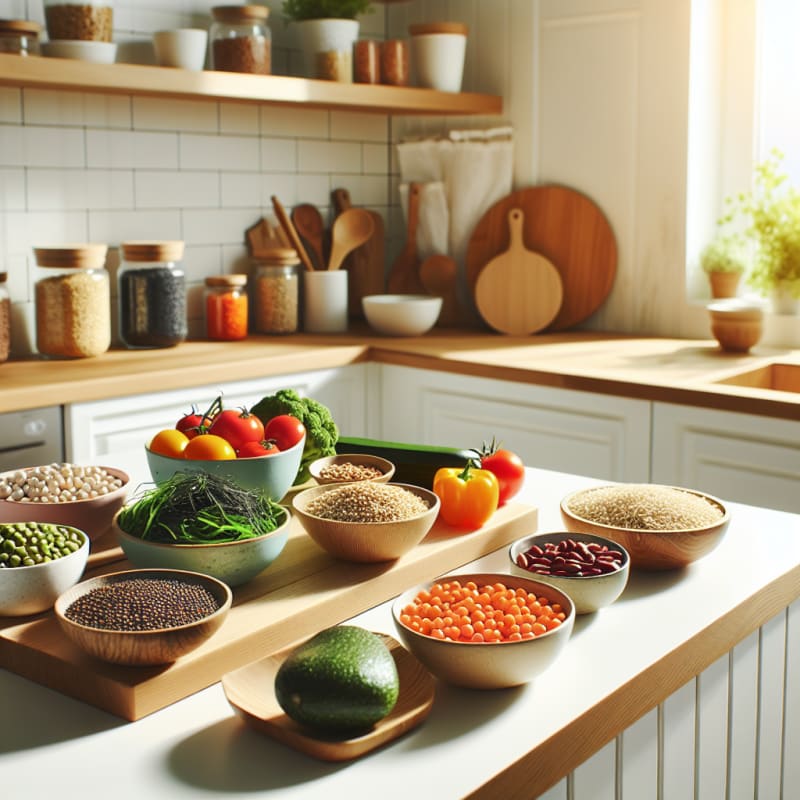
2025 Vegetarian Food Trends: Culinary Innovation, Protein Breakthroughs, and Clean Label Focus
In 2025, vegetarian and plant-based eating are entering a new era. The focus is shifting from simply mimicking meat to creating culinary-forward, nutrient-rich, and clean-label foods that celebrate plants in their natural form. From sea vegetables and legume-based proteins to hybrid vegetarian-meat innovations, this year’s trends reflect a growing appetite for flavor, transparency, and health-driven choices.
According to recent analyses by Tastewise and TriplePundit, consumers are prioritizing taste, function, and authenticity over imitation. Let’s explore how these 2025 vegetarian food trends are reshaping the way we eat, cook, and think about plant-based nutrition.
1. From Meat Imitation to Culinary-Forward Plant-Based Innovation
For years, plant-based foods focused on replicating the texture and flavor of meat. But in 2025, brands are embracing culinary creativity instead of imitation. Chefs and food developers are using whole ingredients — mushrooms, lentils, chickpeas, and fermented grains — to craft dishes that highlight the natural umami and texture of plants.
As noted by Restaurantware, the next generation of vegetarian foods is about culinary storytelling — drawing inspiration from global cuisines and regional flavors. Think Japanese seaweed ramen bowls, Indian lentil-based snacks, and Mediterranean chickpea flatbreads.
Why Culinary-Forward Matters
- Authenticity: Consumers want foods that taste real, not artificial.
- Nutrition: Whole-food ingredients retain fiber, vitamins, and phytonutrients.
- Culture: Regional and ethnic influences bring diversity and excitement to vegetarian dining.
2. Emerging Vegetarian Protein Sources in 2025
Protein remains a focal point of plant-based innovation. In 2025, the spotlight is on new vegetarian protein sources that go beyond soy and pea. These include sea vegetables, mung beans, lupin, chickpeas, and fermented legumes.
| Protein Source | Key Benefits | Example Use |
|---|---|---|
| Sea Vegetables (Kelp, Nori, Dulse) | Rich in iodine, omega-3s, and minerals | Used in snacks, broths, and plant-based seafood |
| Mung Bean | High in digestible protein and antioxidants | Plant-based eggs and protein beverages |
| Lupin | Low-carb, high-protein legume | Gluten-free flour and protein bars |
| Fermented Legumes | Enhanced digestibility and flavor | Tempeh-style products and savory spreads |
These new plant-based protein innovations for vegetarians in 2025 are designed to meet the growing demand for nutrient-dense, allergen-friendly, and sustainable protein options.
3. The Rise of Hybrid Vegetarian and Meat Products
Flexitarianism — the practice of reducing meat without eliminating it — continues to grow. This has given rise to hybrid vegetarian and meat food trends in 2025, where small amounts of meat are blended with plant proteins for improved nutrition and sustainability.
According to Whole30, hybrid products appeal to mainstream consumers who want to eat healthier without giving up familiar tastes. Examples include vegetable-infused sausages and legume-grain burger blends.
Benefits of Hybrid Foods
- Lower environmental footprint compared to full meat products
- Balanced nutrition combining amino acids from both sources
- Appeal to flexitarians seeking gradual dietary change
4. Clean Label Vegetarian Foods: Transparency and Trust
Consumers are demanding transparency in ingredient sourcing and processing. The clean label vegetarian foods movement emphasizes short ingredient lists, recognizable names, and minimal additives. As Vegetarian Express reports, “clean” now means both simple and functional — ingredients that serve a clear nutritional or sensory purpose.
Key Clean Label Trends
- Fermentation: Used to enhance flavor and gut health naturally.
- Cold-pressed oils and natural binders: Replace synthetic stabilizers.
- Functional botanicals: Ingredients like turmeric, spirulina, and moringa for added health benefits.
5. Sea Vegetables: The Ocean’s Answer to Plant-Based Nutrition
Sea vegetables are emerging as the next superfood in vegetarian cuisine. They’re rich in minerals, fiber, and plant-based omega-3s — nutrients often missing in land-based diets. In 2025, chefs are incorporating kelp noodles, seaweed crisps, and algae-based seasonings into everyday meals.
As highlighted by PETA, seaweed-based foods are trending across social media for their sustainability and unique flavor profiles. They also support ocean regeneration, making them a win for both health and the planet.
Sea Vegetable Nutrition Highlights
- High in iodine, calcium, and magnesium
- Contains bioavailable protein and fiber
- Supports thyroid and gut health
6. Regional and Functional Flavors Redefining Vegetarian Cuisine
Global cuisines are shaping the next generation of vegetarian dishes. From spicy Korean gochujang tofu to North African lentil stews, regional influences are adding depth and excitement to plant-based menus. Functional ingredients — like adaptogenic mushrooms and antioxidant-rich herbs — are also being woven into everyday recipes for added wellness benefits.
Top Regional Flavor Trends in 2025
| Region | Signature Ingredients | Popular Dish |
|---|---|---|
| Asia-Pacific | Seaweed, tofu, miso, fermented soy | Seaweed ramen, miso bowls |
| Mediterranean | Chickpeas, olive oil, herbs | Falafel wraps, hummus platters |
| Latin America | Beans, corn, chili, avocado | Vegetarian tacos, quinoa bowls |
7. How Food Scan Genius Empowers Ingredient Transparency
As ingredient lists grow more complex, consumers want to know exactly what’s in their food. The Food Scan Genius app helps users instantly identify ingredients, allergens, and additives by scanning product labels. It’s an essential tool for anyone following vegetarian, vegan, or flexitarian diets.
“I started using Food Scan Genius to check for hidden dairy and additives in plant-based foods. It’s made grocery shopping so much easier — I finally trust what I’m buying.” — Elena M., Food Scan Genius user
With the rise of clean label vegetarian foods and functional ingredients, tools like Food Scan Genius are helping consumers make informed, confident choices.
8. The Broader Impact: Why These Trends Matter
The evolution of vegetarian food in 2025 isn’t just a dietary shift — it’s a cultural one. As consumers demand foods that are both delicious and transparent, the industry is responding with innovation rooted in authenticity. These changes benefit everyone by encouraging sustainable agriculture, reducing food waste, and promoting global culinary diversity.
FAQ: 2025 Vegetarian Food Trends
1. What are the biggest vegetarian food trends in 2025?
The top trends include culinary-forward innovation, new protein sources like sea vegetables and legumes, clean label transparency, and hybrid vegetarian-meat products for flexitarians.
2. What are the most promising new vegetarian protein sources?
Emerging proteins include mung beans, lupin, seaweed, and fermented legumes, offering high nutrition and sustainability benefits.
3. Why are hybrid vegetarian products becoming popular?
They appeal to flexitarians who want to reduce meat without sacrificing taste, combining the nutrition of plants with small amounts of animal protein.
4. What does “clean label” mean in vegetarian foods?
It refers to products with short, recognizable ingredient lists, minimal additives, and transparent sourcing practices.
5. How can I find vegetarian foods that match my dietary needs?
Apps like Food Scan Genius help you scan and analyze ingredients, ensuring products align with your preferences and sensitivities.
Final Takeaway
The 2025 vegetarian food trends highlight a shift toward authenticity, flavor, and transparency. Whether you’re a lifelong vegetarian, a flexitarian, or simply curious about new foods, this year’s innovations offer exciting ways to eat better — for your health and the planet. And with tools like Food Scan Genius, understanding what’s on your plate has never been easier.