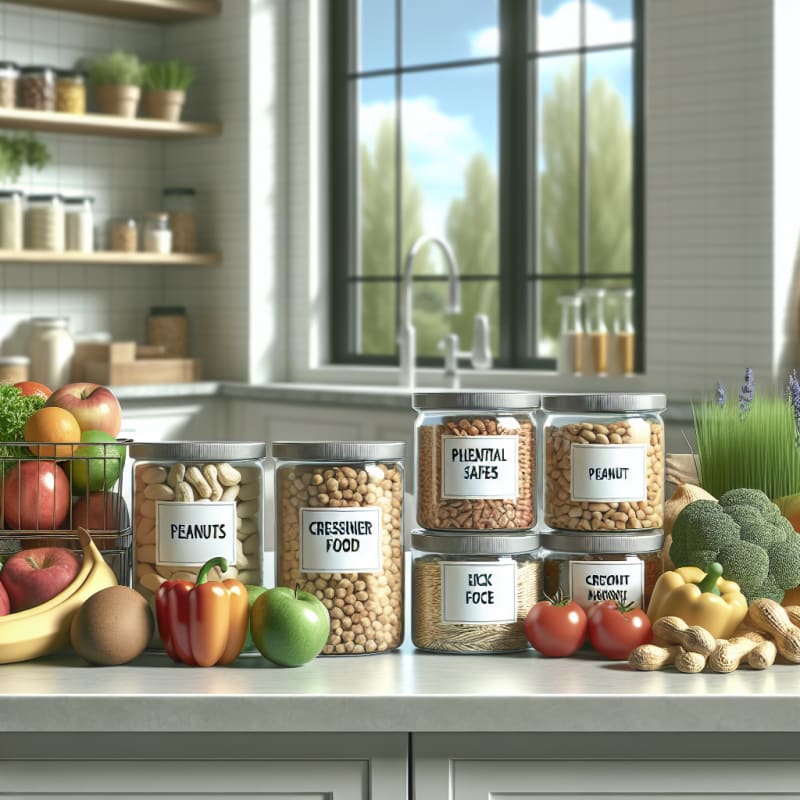
What Ingredients To Avoid If You Have Peanut?
Category: Generic Scanners | Focus Keyword: what ingredients to avoid if you have peanut?
In an era of globalized food production and increasingly complex ingredient lists, understanding what ingredients to avoid if you have peanut allergy is not merely a matter of personal safety—it is a public health imperative. With food allergies on the rise, particularly among children, the ability to decode ingredient labels has never been more crucial. This article explores the essential knowledge and practical strategies needed to navigate the modern food landscape, both for those with peanut allergies and for anyone concerned with food safety and transparency.
Understanding Peanut Allergy: The Basics
According to the U.S. Food and Drug Administration (FDA), peanut allergy is one of the most common food allergies, affecting approximately 1–2% of the population in Western countries1. The European Food Safety Authority (EFSA) echoes these concerns, noting that peanut allergy is a leading cause of severe allergic reactions, including anaphylaxis2.
The immune system of a person with peanut allergy mistakenly identifies proteins in peanuts as harmful, triggering a range of symptoms from mild hives to life-threatening shock. There is currently no cure; strict avoidance remains the only effective strategy.
Why Ingredient Awareness Matters
The modern food supply chain is intricate. Peanuts and peanut-derived ingredients can be found in obvious places—like peanut butter and confectionery—but also in less expected products such as sauces, baked goods, and even processed meats. Cross-contamination during manufacturing further complicates the picture. For those with peanut allergy, vigilance is not optional; it is essential.
Recent news coverage, such as The New York Times’ report on food label confusion, highlights the persistent risks and the need for better consumer education.
Comprehensive List: What Ingredients To Avoid If You Have Peanut?
The following table summarizes key ingredients and terms that individuals with peanut allergy should avoid. This list is based on scientific guidance from the FDA, EFSA, and peer-reviewed research3.
| Ingredient Name | Risk Level | Common Food Sources |
|---|---|---|
| Peanuts | High | Snacks, spreads, baked goods |
| Peanut Butter | High | Sandwiches, cookies, sauces |
| Peanut Oil (Cold-pressed, expelled, or extruded) | High | Frying, salad dressings |
| Peanut Flour | High | Baked goods, protein bars |
| Groundnuts, Arachis oil, Goober peas | High | Various processed foods |
| Artificial nuts (imitation nuts) | Variable | Snack mixes |
| Mixed nuts | High | Snack mixes, party platters |
| Nougat | Medium | Candy bars, desserts |
| Marzipan | Medium | Confectionery, cakes |
| Asian sauces (e.g., satay, kung pao) | High | Restaurant dishes, takeout |
| Cross-contaminated foods | High | Bakery items, ice cream, cereals |
Note: Highly refined peanut oil is generally considered safe for most people with peanut allergy, but cold-pressed, expelled, or extruded peanut oils should always be avoided4.
Hidden Sources of Peanut: What To Watch For
- Processed Foods: Energy bars, cereals, and granola may contain peanuts or traces due to shared equipment.
- Ethnic Cuisine: Asian, African, and Mexican dishes often use peanuts or peanut-derived sauces.
- Bakery Items: Cakes, cookies, and pastries may be cross-contaminated, even if peanuts are not listed as an ingredient.
- Confectionery: Chocolates and candies may contain peanut flour or be processed in facilities that handle peanuts.
- Ice Cream and Desserts: Cross-contact is common in ice cream parlors and dessert shops.
As reported by BBC News, even products labeled “nut-free” can sometimes be misleading due to manufacturing practices.
Decoding Food Labels: Practical Guidance
Food labeling laws in the US (FALCPA) and the EU require manufacturers to clearly indicate if a product contains peanuts. However, advisory statements such as “may contain peanuts” or “produced in a facility that also processes peanuts” are voluntary and not regulated.
Key Label Terms To Avoid
- Peanut
- Groundnut
- Arachis hypogaea
- Goober peas
- Mandubi
- Earthnuts
- Peanut oil (unless highly refined)
- Peanut flour
Tip: When in doubt, contact the manufacturer directly or use a trusted food scanning app for real-time ingredient analysis.
Cross-Contamination: The Invisible Threat
Cross-contamination occurs when peanuts or peanut proteins are unintentionally transferred to a food that does not contain peanuts as an ingredient. This can happen during food processing, packaging, or even at home. According to a 2022 PubMed study, cross-contact is a leading cause of accidental allergic reactions.
How To Minimize Cross-Contamination
- Read labels every time, even for familiar products.
- Use separate utensils and cutting boards for allergen-free foods.
- Clean surfaces thoroughly after preparing peanut-containing foods.
- Be cautious when eating out; inform restaurant staff of your allergy.
Beyond Peanuts: Related Ingredients and Issues
While peanuts are legumes, not tree nuts, cross-reactivity can occur. Some individuals allergic to peanuts may also react to soybeans, lentils, or tree nuts, though this is relatively rare. It is crucial to consult an allergist for personalized advice.
The broader issue extends to food transparency and the right to safe food. As highlighted by CNN’s recent coverage, clear labeling and public awareness are vital for all food-allergic consumers.
How Technology Can Help: Food Scan Genius
Navigating ingredient lists can be daunting, especially for parents or individuals newly diagnosed with peanut allergy. The Food Scan Genius app leverages advanced scanning and artificial intelligence to instantly identify potential allergens in packaged foods. By simply scanning a barcode, users receive clear, actionable information about ingredients to avoid, including hidden sources of peanuts.
“Food Scan Genius has been a game-changer for our family. My son’s peanut allergy means we have to be extra careful, and the app gives us peace of mind every time we shop. I highly recommend it to anyone with food sensitivities.”
— Maria, parent and Food Scan Genius user
For anyone seeking greater confidence and autonomy in food choices, download Food Scan Genius today.
Frequently Asked Questions
What are the most common hidden sources of peanuts?
Common hidden sources include processed foods, bakery items, ethnic cuisine, and candies. Always check labels and be aware of cross-contamination risks.
Is peanut oil safe for people with peanut allergy?
Highly refined peanut oil is generally considered safe, but cold-pressed, expelled, or extruded peanut oils should be avoided. Consult your allergist for personalized advice.
Can I rely on “may contain peanuts” warnings?
These warnings are voluntary and not regulated. It is safest to avoid products with such statements if you have a peanut allergy.
How can Food Scan Genius help with peanut allergies?
Food Scan Genius scans product barcodes and analyzes ingredient lists, alerting users to the presence of peanuts or potential cross-contamination risks.
Conclusion: Empowering Safer Choices
The challenge of identifying what ingredients to avoid if you have peanut allergy is emblematic of a broader societal need for transparency, education, and technological innovation in food safety. Whether you live with a food allergy or simply care about what goes into your body, ingredient awareness is a vital skill. By leveraging tools like Food Scan Genius and staying informed about food labeling and cross-contamination, individuals can make safer, more confident choices.
As food systems evolve, the imperative to protect vulnerable consumers grows. Understanding ingredients is not just a matter for those with allergies—it is a universal concern, touching on issues of trust, health, and well-being. For the most up-to-date guidance, consult your healthcare provider, and consider integrating technology into your routine for added peace of mind.