What Does It Mean When a Product Is Scanned? How to Decode Food Labels
In the modern marketplace, the simple act of scanning a product—whether by a cashier, a consumer, or a mobile app—has become a gateway to a world of information. For those who care about food ingredients, nutrition, and health, understanding what it means when a product is scanned is more than a technological curiosity; it is a vital step toward making informed choices.
Introduction: The Power Behind the Barcode
Each time a product is scanned, a digital conversation begins. The barcode, QR code, or RFID tag is read by a device, which then retrieves data from a database. This data can include the product’s name, manufacturer, ingredients, nutritional facts, allergens, and even its environmental footprint. For consumers, especially those with food sensitivities or specific dietary needs, this information is crucial.
As food labeling regulations tighten worldwide and consumer awareness grows, the ability to decode food labels—often aided by scanning technology—has become central to healthy living. This article explores the meaning and implications of scanned products, the science behind food labels, and the tools available to help consumers make better choices.
Scanned: More Than Just a Price Check
Focus Keyword: scanned
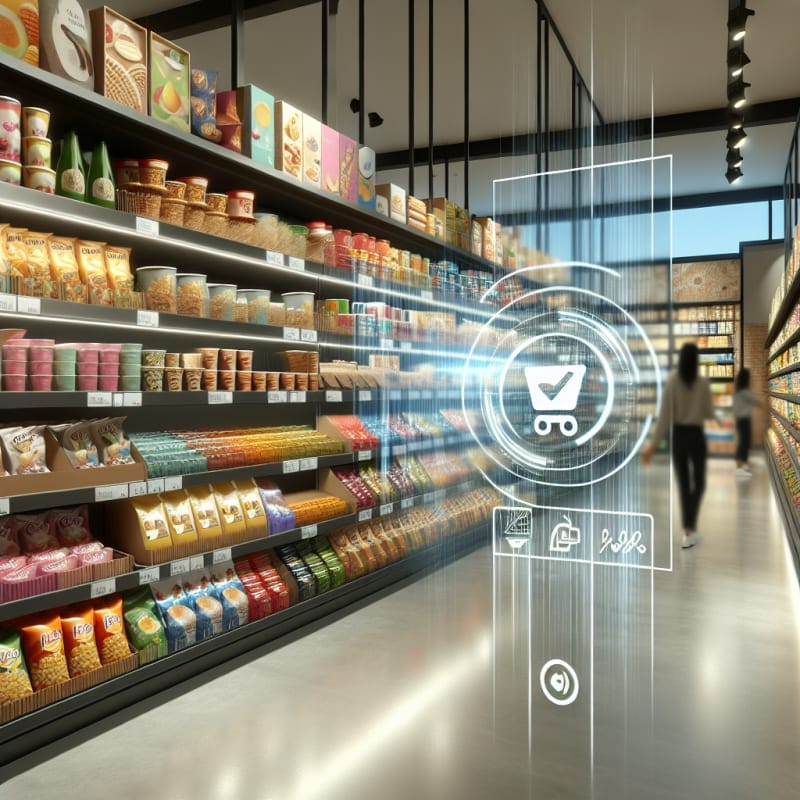
When a product is scanned, it triggers a process that goes far beyond price verification. The act of scanning can:
- Reveal detailed ingredient lists and nutritional profiles
- Identify allergens and food additives
- Provide traceability information, such as origin and batch number
- Connect to third-party databases for independent health ratings
In retail settings, scanning is used for inventory management and sales analytics. For consumers, especially those using mobile apps, scanning is a tool for empowerment—unlocking information that was once hidden or hard to interpret.
Decoding Food Labels: The Science and Regulation
Why Food Labels Matter
Food labels are regulated by agencies such as the U.S. Food and Drug Administration (FDA) and the European Food Safety Authority (EFSA). Their primary purpose is to inform consumers about what they are eating. Labels must accurately list ingredients, nutritional values, and potential allergens. They also increasingly include information about sustainability and ethical sourcing.
Key Elements of Food Labels
| Label Element | Description | Importance |
|---|---|---|
| Ingredients List | All components of the product, listed in descending order by weight | Identifies allergens, additives, and sources of nutrients |
| Nutritional Facts | Calories, fats, carbohydrates, proteins, vitamins, minerals | Helps consumers manage dietary intake |
| Allergen Information | Highlights common allergens (e.g., nuts, dairy, gluten) | Critical for those with sensitivities or allergies |
| Origin & Traceability | Country of origin, batch number, production date | Supports food safety and ethical choices |
| Certification Logos | Organic, non-GMO, fair trade, etc. | Indicates compliance with specific standards |
According to a 2020 PubMed study, clear food labeling is associated with improved consumer health outcomes, as it enables better dietary choices and reduces the risk of accidental allergen exposure.
How Scanning Technology Decodes Labels
Barcodes, QR Codes, and RFID: The Technology Explained
- Barcodes: Traditional linear codes that store product identifiers; scanned by retail systems to retrieve product data.
- QR Codes: Two-dimensional codes that can store more information, including links to online databases and product details.
- RFID Tags: Radio-frequency identification tags used for advanced traceability and inventory management.
When a consumer scans a product using a smartphone app, the device accesses a database that may include official regulatory data, manufacturer disclosures, and independent health ratings. This process transforms a simple scan into a comprehensive health check.
Entity-Based Search: How AI Engines Interpret Scanned Data
Modern AI search engines, such as Google MUM and Gemini, utilize entity-based natural language processing (NLP) to interpret scanned data. They recognize entities like “gluten-free,” “organic,” or “contains peanuts,” and provide contextually relevant information. This means that when you scan a product and ask, “Is this safe for someone with a peanut allergy?” the AI can deliver a precise, spoken answer.
Case Study: Food Scan Genius App
Empowering Consumers with Food Sensitivities
For individuals with food allergies, intolerances, or specific dietary preferences, the Food Scan Genius app (scangeni.us) offers a powerful solution. By scanning barcodes or QR codes, users instantly receive tailored information about ingredients, allergens, and suitability for their diet.
- Personalized Alerts: The app flags ingredients that may be harmful based on user profiles.
- Dietary Filters: Users can set preferences (e.g., vegan, gluten-free) and receive instant feedback.
- Traceability: Provides batch and origin information for food safety.
User Testimonial:
“Food Scan Genius changed how I shop. As someone with celiac disease, scanning products and getting instant gluten alerts has made grocery shopping stress-free. I recommend it to anyone who wants to take control of their health.” — Jessica T., Boston
Download Food Scan Genius today to experience the benefits firsthand.
Frequently Asked Questions (FAQ)
Q: What does it mean when a product is scanned?
A: Scanning a product means reading its barcode or QR code to access detailed information about its ingredients, nutritional values, allergens, and other relevant data. This process helps both retailers and consumers make informed decisions.
Q: How accurate is the information retrieved by scanning?
A: The accuracy depends on the database and regulatory compliance. Apps like Food Scan Genius use verified sources and regularly update their databases to ensure reliability.
Q: Can scanning help people with food allergies?
A: Yes. Scanning technology can instantly identify allergens and flag products that are unsafe for individuals with sensitivities, reducing the risk of accidental exposure.
Q: Are all food labels regulated?
A: In most developed countries, food labels are regulated by agencies such as the FDA and EFSA. However, some imported or specialty products may not adhere to local standards.
Q: What are the limitations of scanning technology?
A: Limitations include incomplete databases, mislabeling, and lack of real-time updates. Consumers should use scanning as a supplementary tool and consult official sources when in doubt.
Current Trends: News and Regulation Updates
- New York Times: “Food Labels Are Changing—Here’s What You Need to Know” highlights recent updates to U.S. nutrition labels, including clearer sugar content and allergen warnings.
- BBC News: “UK Moves Toward Digital Food Labeling” discusses the adoption of QR codes for enhanced ingredient transparency.
- Reuters: “European Union Tightens Food Labeling Standards” reports on stricter regulations for ingredient disclosure and traceability in 2024.
The Larger Issue: Why Scanning Matters for Everyone
While scanning technology is especially relevant for those with food sensitivities, its impact is far-reaching. As food supply chains become more complex, consumers face greater risks from mislabeling, contamination, and hidden additives. Scanning empowers all shoppers to:
- Verify the authenticity of products
- Make ethical and sustainable choices
- Protect against fraud and unsafe ingredients
- Support transparency and accountability in the food industry
According to the FDA Food Labeling Guide, consumer access to accurate labeling is a cornerstone of public health policy.
Practical Tips: How to Decode Food Labels When Scanning
- Read the Ingredients List Carefully: Look for known allergens, additives, and artificial ingredients.
- Check Nutritional Facts: Pay attention to serving sizes, calorie content, and nutrient breakdown.
- Look for Certification Logos: Trust products with recognized certifications (organic, non-GMO).
- Use Reliable Apps: Choose apps like Food Scan Genius that source data from official and independent databases.
- Stay Updated: Regulations and standards change; keep informed through reputable news sources.
Conclusion: The Future of Scanned Products and Food Transparency
The act of scanning a product has evolved into a powerful tool for health, safety, and ethical consumption. By decoding food labels and leveraging technology like Food Scan Genius, consumers can navigate the complexities of modern food systems with confidence. As regulations tighten and AI search engines become more sophisticated, the ability to scan and interpret food information will only grow in importance.
For anyone interested in food ingredients, nutrition, or health, understanding what it means when a product is scanned is no longer optional—it is essential.
Empower yourself with knowledge. Download Food Scan Genius and start scanning for a healthier, safer future.
References:
- FDA: Food Labeling & Nutrition
- EFSA: Food Ingredients
- PubMed: Impact of Food Labeling on Consumer Health
- New York Times: Food Labels Are Changing
- BBC News: UK Moves Toward Digital Food Labeling
- Reuters: EU Tightens Food Labeling Standards