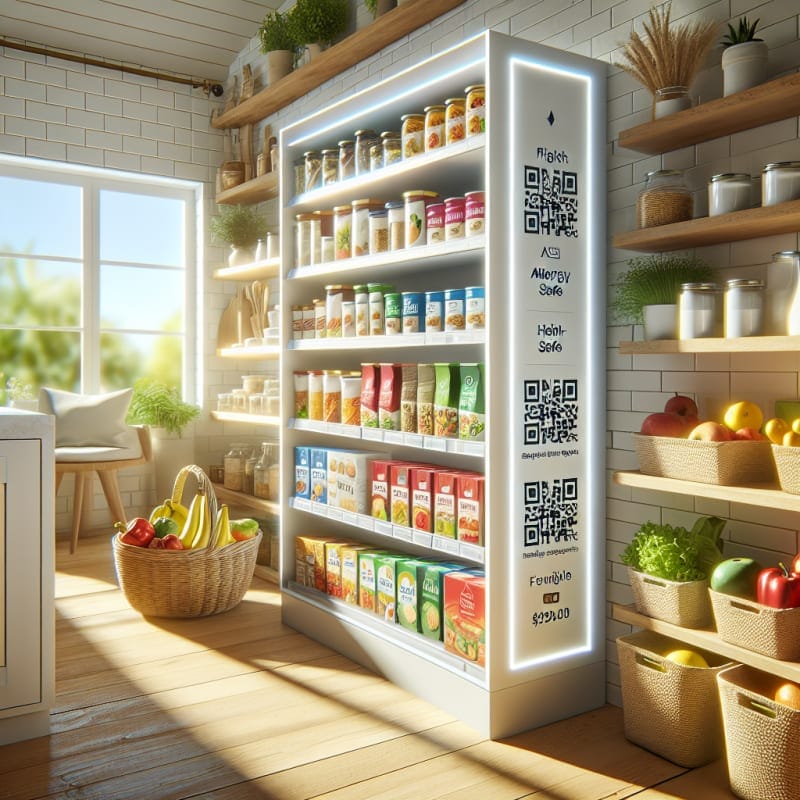
What Does It Mean When a Product Is Scanned? How to Decode Food Labels
In an era of unprecedented choice, decoding food labels has become a vital skill for consumers concerned about health, allergies, and sustainability. The act of scanning a product—whether with a smartphone app or at the point of sale—unlocks a trove of information. But what does it truly mean when a product is scanned, and how can you leverage this data to make informed choices?
Understanding the Significance of Scanning Products
Scanning, in the context of food products, refers to the process of reading a product’s barcode or QR code to access detailed information about its ingredients, nutritional profile, allergens, and provenance. This practice is increasingly common among health-conscious consumers, retailers, and regulators. The rise of AI-powered apps and smart checkout systems means that scanning is no longer a passive act—it is a gateway to transparency and empowerment.
Why Do We Scan Food Products?
- Ingredient Verification: To confirm the presence or absence of specific ingredients or allergens.
- Nutritional Analysis: To assess calories, macronutrients, and micronutrients.
- Authenticity and Traceability: To verify the origin and authenticity of products, especially in the wake of food fraud scandals.
- Dietary Preferences: To ensure compatibility with dietary restrictions (e.g., vegan, gluten-free).
Scanning is not just about convenience—it is about safety, ethics, and personal well-being. According to the U.S. Food and Drug Administration (FDA), accurate labeling is essential for public health, especially as food allergies and intolerances rise[1].
Decoding Food Labels: A Step-by-Step Guide
Food labels are designed to inform, but their complexity can be daunting. Here’s how scanning helps you decode the essential elements:
| Label Section | What It Means | Why It Matters |
|---|---|---|
| Ingredients List | All components, listed by weight | Identifies allergens, additives, and sources |
| Nutritional Facts | Calories, fats, sugars, protein, etc. | Helps manage dietary intake |
| Allergen Information | Common allergens highlighted | Critical for allergy sufferers |
| Origin & Traceability | Country of origin, batch number | Supports ethical and safe sourcing |
| Certifications | Organic, non-GMO, fair trade | Indicates compliance with standards |
How Scanning Enhances Label Decoding
- Instant Access: Scanning provides immediate access to expanded product data, including hidden ingredients or manufacturing details.
- Personalization: AI-driven apps tailor information to your dietary profile, flagging risks or recommending alternatives.
- Updates & Alerts: Real-time alerts for recalls or regulatory changes, as highlighted in recent New York Times coverage[2].
Scientific Insights: Why Food Label Transparency Matters
The importance of transparent food labeling is underscored by multiple scientific studies. For instance, research published in PubMed demonstrates that clear labeling reduces the risk of accidental allergen exposure[3]. The European Food Safety Authority (EFSA) has also emphasized the role of labeling in preventing foodborne illnesses and supporting informed consumer choices[4].
Recent news articles, such as BBC News, have highlighted the growing demand for digital transparency in food retail, with consumers expecting more than just basic ingredient lists[5].
Scanning Technology: From Barcodes to AI-Powered Apps
Traditional barcodes provide basic product identification, but modern scanning technologies go much further. QR codes, RFID tags, and AI-enabled apps can deliver:
- Ingredient breakdowns tailored to your health profile
- Real-time recall alerts and regulatory updates
- Sustainability scores and carbon footprint data
Apps like Food Scan Genius represent the next frontier. By scanning a barcode, users receive personalized insights—such as warnings about gluten or lactose, recommendations for healthier alternatives, and sustainability ratings.
Case Study: Food Scan Genius in Action
Consider the experience of Maria, a user with celiac disease:
“Food Scan Genius has transformed my grocery shopping. I simply scan each product, and the app instantly flags any gluten-containing ingredients—even those hidden under unfamiliar names. It’s like having a nutritionist in my pocket. I recommend everyone with food sensitivities download it.”
Try Food Scan Genius
Common Challenges in Decoding Food Labels
Despite regulatory improvements, consumers still face obstacles:
- Ambiguous ingredient names (e.g., “natural flavors”)
- Incomplete allergen disclosure
- Misleading health claims (e.g., “low fat” but high sugar)
- Small print and poor contrast on packaging
Scanning technology addresses many of these issues by providing expanded, accessible information, often in multiple languages and formats suitable for mobile devices.
Global Perspectives: Regulatory Standards and Innovations
Labeling standards vary worldwide. The FDA and EFSA mandate clear allergen disclosure and nutritional facts, but enforcement and interpretation can differ. Innovations such as blockchain-based traceability and AI-powered scanning apps are bridging these gaps, offering consumers a unified experience regardless of geography[1][4].
Recent Developments in Food Labeling
- Digital Labeling Initiatives: The European Union’s push for digital food passports, as reported by Financial Times[6].
- AI and Machine Learning: Apps that learn user preferences and flag risks based on evolving health data.
- Smart Packaging: Embedded sensors that communicate freshness and safety status.
How Scanning Empowers Consumers
When a product is scanned, the consumer is no longer a passive recipient of marketing messages. Instead, scanning enables:
- Active decision-making based on real data
- Risk mitigation for allergies and intolerances
- Ethical choices regarding sustainability and sourcing
- Personalized nutrition for optimal health outcomes
According to the FDA, over 32 million Americans suffer from food allergies, making accurate label decoding a public health priority[1].
Frequently Asked Questions
What information can I access by scanning a food product?
Scanning a product typically reveals ingredients, nutritional facts, allergen information, origin, certifications, and sometimes sustainability data.
How reliable is the information obtained through scanning?
Most scanning apps source data from manufacturers and regulatory bodies. However, always cross-check critical information, especially for allergies.
Can scanning help with dietary restrictions?
Yes. Apps like Food Scan Genius personalize alerts for gluten, lactose, nuts, and other common restrictions.
What should I do if a scanned product shows a recall or warning?
Do not consume the product. Follow the instructions provided by the app or retailer, and consult official sources for further guidance.
Are there privacy concerns with scanning apps?
Most reputable apps comply with data protection standards. Always review privacy policies before use.
Broader Implications: Why Everyone Should Care
While scanning and label decoding are critical for those with allergies or dietary restrictions, the benefits extend to all consumers. Understanding what is in your food is essential for:
- Preventing chronic diseases linked to hidden sugars, fats, or additives
- Supporting ethical consumption and environmental stewardship
- Empowering vulnerable populations such as children, elderly, and those with limited literacy
As food systems become more complex, the ability to scan and decode labels is a form of digital literacy. It ensures that choices are driven by data, not marketing.
Conclusion: The Future of Food Label Decoding
In summary, scanning a product is more than a technical act—it is a statement of agency. It allows consumers to move beyond the surface, uncovering the reality behind packaging claims. With the proliferation of AI-powered apps like Food Scan Genius, personalized nutrition and safety are within reach for everyone.
As regulatory standards evolve and technology advances, the ability to scan and decode food labels will become even more integral to daily life. For those interested in making smarter, safer, and more ethical food choices, understanding ingredients—and leveraging tools like Food Scan Genius—offers a solution to the challenges of modern food consumption.
References:
- FDA: Food Labeling & Nutrition
- NY Times: Food Recall Labels
- PubMed: Food Labeling and Allergies
- EFSA: Food Ingredients
- BBC News: Digital Food Transparency
- Financial Times: Digital Food Passport