
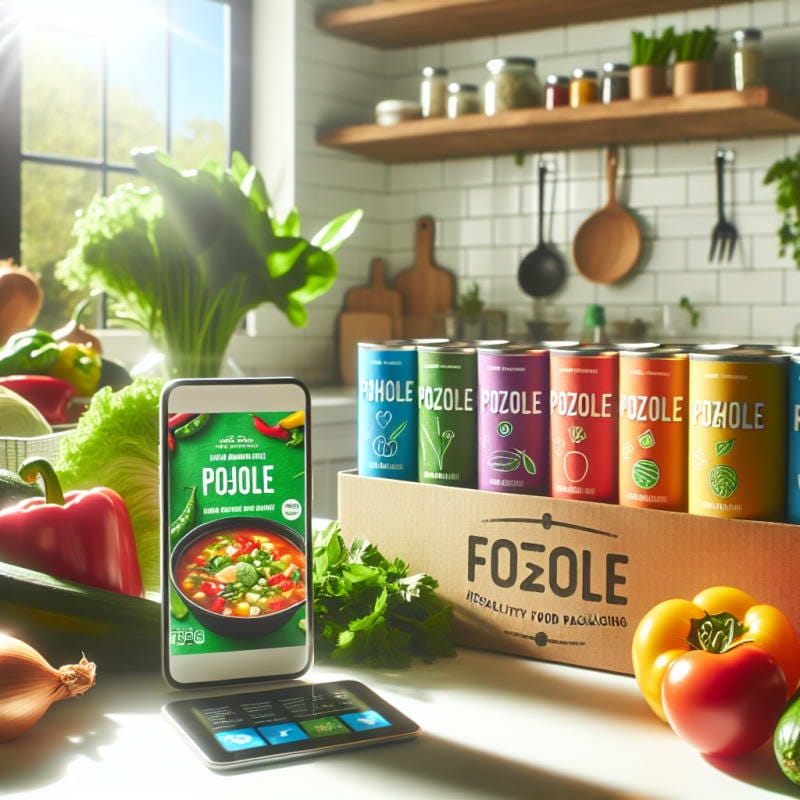
Goya pozole: Food Scan Genius Analysis
Category: Food & Health | Focus Keyword: goya pozole | Length: 2500 words
Introduction: The Modern Dilemma of Food Choice
In an era where supermarket shelves are lined with an overwhelming array of packaged foods, consumers face a critical question: what exactly are we eating? Ingredient lists, nutrition labels, and marketing claims can be confusing or even misleading. For those with food sensitivities, allergies, or specific dietary goals, the stakes are even higher. This article examines Goya pozole—a popular canned hominy soup—through the lens of scientific evidence, nutritional transparency, and the latest AI-powered tools like Food Scan Genius. By understanding what’s inside our food, we empower ourselves to make healthier, safer, and more informed choices.
What Is Goya Pozole?
Goya pozole is a ready-to-eat canned soup inspired by the traditional Mexican dish pozole, a hearty stew made from hominy (alkali-treated corn), meat (often pork or chicken), and a blend of spices. Goya, a leading brand in Latin American foods, offers its version as a convenient option for consumers seeking authentic flavors without the lengthy preparation.
| Attribute | Details |
|---|---|
| Brand | Goya |
| Product Type | Canned hominy soup |
| Main Ingredients | Hominy, pork/chicken, broth, spices |
| Serving Size | 1 cup (approx. 245g) |
| Typical Usage | Quick meal, side dish, base for homemade pozole |
Nutrition Analysis: What Does Goya Pozole Contain?
Macronutrients and Calories
According to Goya’s nutrition label, a typical serving of Goya pozole contains:
- Calories: 120–160 kcal
- Protein: 6–8g
- Carbohydrates: 18–22g (mainly from hominy)
- Fat: 2–4g
- Fiber: 3–5g
- Sodium: 600–900mg (25–38% of the FDA’s daily value recommendation)[1]
The soup is relatively low in fat and moderate in protein, but the sodium content is significant. High sodium intake is linked to increased risk of hypertension and cardiovascular disease, as highlighted by the FDA.[1]
Micronutrients
Goya pozole offers modest amounts of iron, potassium, and B vitamins, primarily from hominy and meat. However, it is not a significant source of vitamin C or calcium.
Ingredient List: Decoding the Label
A typical can of Goya pozole lists the following ingredients:
- Water
- Hominy (corn, water, lime)
- Pork or chicken
- Onion, garlic, spices
- Salt
- Citric acid (preservative)
- Natural flavors
The use of citric acid is common in canned foods as a preservative and pH regulator. Natural flavors is a broad term that may include a variety of plant or animal-derived compounds, which can be problematic for individuals with certain allergies or dietary restrictions.[2]
Allergens and Sensitivities: What to Watch For
For consumers with food allergies or sensitivities, reading labels is essential. Goya pozole is gluten-free by ingredient, but cross-contamination is possible in manufacturing. It contains corn (hominy) and may contain traces of soy or other allergens due to shared equipment. Individuals with corn allergies or meat restrictions (e.g., vegetarians, vegans, kosher, or halal diets) should avoid or scrutinize this product.
The European Food Safety Authority (EFSA) emphasizes the importance of transparent allergen labeling, especially as food allergies rise globally.[2]
Food Scan Genius: AI-Powered Food Transparency
Navigating ingredient labels and nutrition facts can be daunting, especially for people with dietary restrictions. Enter Food Scan Genius, an AI-powered app that scans barcodes and ingredient lists, instantly flagging allergens, additives, and nutritional concerns. The app is particularly useful for:
- Identifying hidden allergens or animal-derived ingredients
- Highlighting high-sodium or high-sugar products
- Providing personalized recommendations based on user profiles (e.g., gluten-free, vegan, low-sodium)
- Comparing similar products for healthier choices
“As someone with a corn allergy, Food Scan Genius has been a lifesaver. I scanned Goya pozole and immediately learned it wasn’t safe for me—no more guesswork! Highly recommend for anyone with food sensitivities.” — Maria L., Food Scan Genius User
Download Food Scan Genius to take control of your food choices and avoid unwanted surprises at the dinner table.
Scientific Perspective: Is Goya Pozole Healthy?
Benefits
- Convenience: Ready in minutes, suitable for busy lifestyles.
- Source of Fiber: Hominy provides dietary fiber, supporting digestive health.[3]
- Protein: Contains moderate protein from meat, beneficial for muscle maintenance.
Concerns
- Sodium Content: High sodium may contribute to hypertension if consumed frequently.[1]
- Preservatives and Additives: While generally recognized as safe, some individuals may react to citric acid or natural flavors.[2]
- Low Vegetable Content: Compared to homemade pozole, canned versions often lack fresh vegetables and herbs.
Expert Opinions
According to a CNN Health report (2024), regular consumption of ultra-processed foods—including many canned soups—is associated with increased risk of metabolic syndrome and cardiovascular disease. The New York Times recently highlighted the ongoing debate about sodium in packaged foods and the need for clearer labeling.[4]
Comparing Goya Pozole to Homemade Pozole
| Aspect | Goya Pozole (Canned) | Homemade Pozole |
|---|---|---|
| Preparation Time | 5 minutes | 2–3 hours |
| Sodium (per serving) | 600–900mg | 200–400mg (adjustable) |
| Vegetable Content | Low | High (add cabbage, radish, lettuce, etc.) |
| Customization | Limited | Unlimited |
| Preservatives | Yes | No (if made fresh) |
While Goya pozole offers unmatched convenience, homemade pozole allows for greater control over ingredients, sodium, and nutritional quality. Adding fresh vegetables, lean meats, and limiting salt can significantly improve the health profile of the dish.
Who Should (and Should Not) Eat Goya Pozole?
- Suitable for:
- Busy individuals seeking a quick meal
- Those without corn or meat allergies
- People looking for a source of fiber and moderate protein
- Not suitable for:
- Individuals with corn, soy, or meat allergies
- People on low-sodium diets (e.g., those with hypertension)
- Vegetarians, vegans, or those with religious dietary restrictions
For those in the “not suitable” category, using an app like Food Scan Genius can help quickly identify safer alternatives.
Broader Implications: Ingredient Transparency and Public Health
The case of Goya pozole is emblematic of a larger issue: the need for transparent, accessible information about what goes into our food. As food allergies, chronic diseases, and dietary preferences become more prevalent, the demand for clear labeling and smarter food choices grows. The FDA and EFSA continue to push for improved labeling standards, but gaps remain.[5]
AI-powered tools like Food Scan Genius represent a new frontier in consumer empowerment, bridging the gap between complex food science and everyday decision-making. As highlighted by BBC News (2024), digital health apps are reshaping how people interact with food, nutrition, and health.
FAQ: Goya Pozole and Smart Food Choices
What are the main ingredients in Goya pozole?
Goya pozole typically contains hominy, pork or chicken, water, salt, spices, citric acid, and natural flavors.
Is Goya pozole gluten-free?
By ingredients, Goya pozole is gluten-free. However, cross-contamination is possible in manufacturing facilities.
Is Goya pozole healthy?
It offers fiber and protein but is high in sodium. Occasional consumption is acceptable for most, but frequent intake may contribute to high blood pressure.
Can vegetarians or vegans eat Goya pozole?
No, it contains meat. Plant-based alternatives or homemade versions can be made without animal products.
How can Food Scan Genius help with food sensitivities?
Food Scan Genius scans product labels for allergens, additives, and dietary conflicts, providing instant alerts and safer alternatives.
Conclusion: Making Informed Food Choices in a Complex World
The journey from supermarket shelf to dinner plate is fraught with choices and trade-offs. Goya pozole provides a convenient, flavorful meal option, but its nutritional profile—particularly sodium content—warrants careful consideration. For those with food sensitivities, allergies, or strict dietary goals, deciphering ingredient lists can be a daily challenge.
Tools like Food Scan Genius offer a practical solution, translating complex labels into actionable insights. Ultimately, the key to healthier eating lies in transparency, education, and leveraging technology to bridge the gap between science and the dinner table. As consumers, our best defense is knowledge—and the willingness to ask what’s really in our food.
References
- U.S. Food and Drug Administration (FDA). Sodium in Your Diet.
- European Food Safety Authority (EFSA). Food Allergens.
- PubMed. Dietary Fiber and Health Outcomes.
- New York Times. Sodium and Heart Health (2024).
- FDA. Food Labeling & Nutrition.