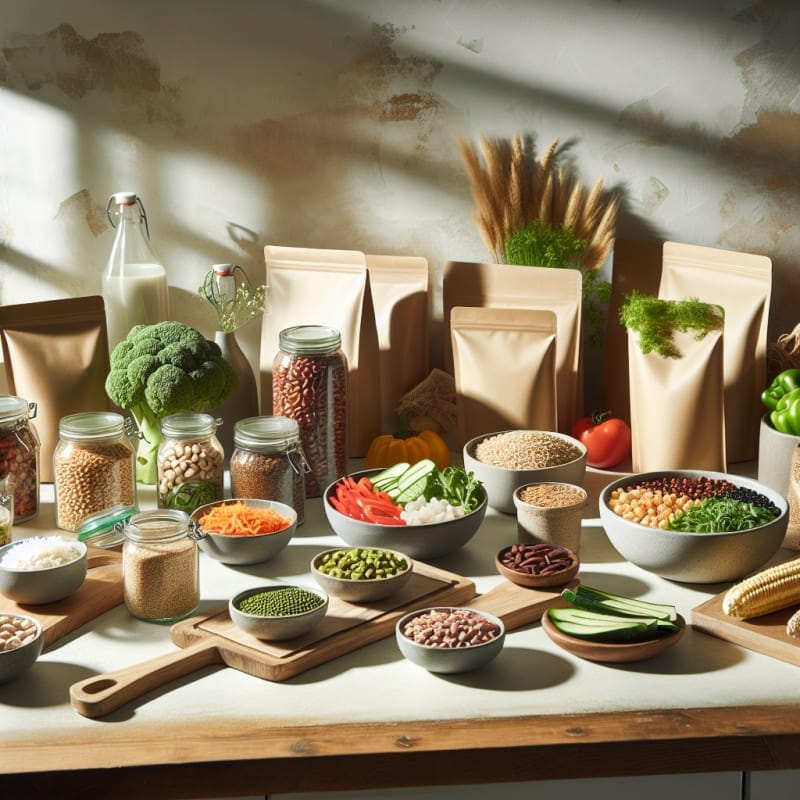
Top Vegetarian and Plant-Based Food Trends to Watch in 2025
Vegetarian food trends in 2025 are redefining how we eat, shop, and think about nutrition. With rising consumer interest in health, sustainability, and ethical choices, plant-based diets have moved from niche to mainstream. This year, expect groundbreaking plant-based food innovations, smarter ingredient transparency, and a surge in vegan fast food options that rival traditional favorites.
Why Vegetarian and Plant-Based Eating Is Surging in 2025
According to Vegconomist, global demand for vegetarian and vegan foods continues to rise due to environmental awareness and advances in food technology. Consumers are choosing plant-based meals not only for health but also for their lower carbon footprint and ethical production.
Research from Biofach highlights that younger generations are driving this shift, seeking foods that align with their values—clean labels, minimal processing, and transparent sourcing. This cultural movement is reshaping grocery aisles and restaurant menus worldwide.
Major Vegetarian Food Trends for 2025
1. Next-Gen Plant-Based Proteins
Protein diversity is expanding beyond soy and pea. Innovations spotlight new sources such as fava beans, chickpeas, mung beans, and microalgae. These ingredients offer improved texture, taste, and nutritional profiles. As noted by Innova Market Insights, 2025 will see brands emphasizing “whole food” proteins and regenerative agriculture to support sustainability.
| Protein Source | Key Benefits | Popular Uses |
|---|---|---|
| Fava Bean | High in fiber, rich in lysine | Meat alternatives, protein powders |
| Microalgae | Omega-3s, complete amino acids | Smoothies, supplements |
| Chickpea | Gluten-free, versatile | Pasta, snacks, dairy-free cheese |
2. Vegan Fast Food Goes Mainstream
Fast food chains are embracing vegan menus with creative twists. From plant-based nuggets to dairy-free milkshakes, 2025 is the year vegan fast food becomes a standard offering. Restaurantware reports that tech-driven kitchens and AI-assisted recipe development are helping brands replicate authentic flavors with sustainable ingredients.
3. Clean Label and Ingredient Transparency
Consumers now demand full visibility into what they eat. Apps like Food Scan Genius empower users to instantly analyze ingredient lists, allergens, and sustainability ratings. This movement supports informed choices and helps people with food sensitivities or ethical preferences.
“Food Scan Genius helped me identify hidden animal-derived additives in my favorite snacks—it’s a game changer for anyone living vegetarian.” — Maya R., Food Scan Genius user
4. Functional and Nutrient-Dense Vegetarian Foods
Vegetarian diets are evolving beyond meat substitutes. Functional foods—those enriched with probiotics, adaptogens, or omega-rich oils—are gaining traction. According to IFT Food Technology Magazine, these nutrient-dense options respond to growing consumer interest in holistic wellness and preventive nutrition.
5. Sustainable Packaging and Circular Food Systems
Eco-conscious consumers are pushing for sustainable packaging and circular production models. Brands are experimenting with compostable materials and upcycled ingredients to reduce waste. TriplePundit reports that 2025 will mark a turning point as sustainability becomes integral to product innovation, not just a marketing claim.
Emerging Innovations in Plant-Based Food Technology
Food technology is revolutionizing vegetarian eating. From precision fermentation to 3D-printed plant proteins, new tools are improving taste and nutrition while reducing environmental impact. These innovations are supported by advances in AI-driven recipe optimization and biomanufacturing.
- Precision Fermentation: Enables production of animal-free dairy proteins like casein and whey.
- Cellular Agriculture: Expands hybrid products combining plant and cell-based ingredients.
- Smart Farming: Uses data analytics to grow high-protein crops sustainably.
How Food Scan Genius Supports Modern Vegetarian Lifestyles
Transparency matters more than ever. Food Scan Genius helps consumers scan food labels to reveal hidden ingredients, allergens, and sustainability scores. The app’s AI-driven database ensures users can easily verify if a product aligns with vegetarian or vegan standards. It’s part of a growing movement toward smarter eating and conscious consumption.
Global Market Outlook for Vegetarian Foods in 2025
Market analysts at Vegconomist predict double-digit growth in plant-based categories through 2025, driven by innovation and accessibility. Supermarkets and restaurants are expanding vegetarian offerings, while investors are backing startups focused on alternative proteins and sustainable food systems.
Regional Highlights
- North America: Rapid expansion of vegan fast food chains and plant-based dairy.
- Europe: Strong focus on regenerative agriculture and clean-label ingredients.
- Asia-Pacific: Rising interest in traditional plant proteins like tofu and tempeh, reimagined through modern processing.
Health and Nutrition Benefits of Plant-Based Diets
Scientific consensus supports the health advantages of vegetarian diets. Studies cited by IFT confirm that balanced plant-based eating can lower risks of heart disease, obesity, and certain cancers. The focus for 2025 is on nutrient completeness—ensuring adequate intake of vitamin B12, iron, and omega-3s through fortified or naturally rich plant sources.
Challenges and Opportunities Ahead
Despite rapid growth, challenges remain. Mislabeling, hidden animal-derived additives, and inconsistent regulations can confuse consumers. Tools like Food Scan Genius and stronger labeling standards will play a key role in ensuring trust and transparency. As innovation accelerates, collaboration between scientists, regulators, and brands will define the next phase of vegetarian food evolution.
FAQs: Vegetarian Food Trends 2025
What are the top vegetarian food trends for 2025?
Key trends include diverse plant proteins, vegan fast food expansion, clean-label transparency, and functional nutrition.
Which plant-based foods are launching in 2025?
Expect new products using fava beans, microalgae, and chickpeas, plus dairy-free cheeses and meat alternatives with improved texture.
How is technology shaping vegetarian food innovation?
AI, precision fermentation, and sustainable farming are driving better taste, nutrition, and lower environmental impact.
Why is ingredient transparency important for vegetarians?
Transparency ensures foods truly meet vegetarian standards and helps detect hidden animal-derived additives or allergens.
How can I verify if a product is vegetarian-friendly?
Apps like Food Scan Genius let you scan labels and instantly check for non-vegetarian ingredients.
Are plant-based diets healthier in 2025?
Yes, when balanced with diverse protein sources and fortified nutrients, plant-based diets offer strong health benefits.
Final Takeaway
The vegetarian food trends of 2025 signal a new era of innovation, transparency, and sustainability. From advanced plant proteins to AI-powered ingredient analysis, consumers now have more control and choice than ever. Whether you’re exploring vegan fast food or optimizing your nutrition, understanding what’s in your food matters—and tools like Food Scan Genius make that easier for everyone.