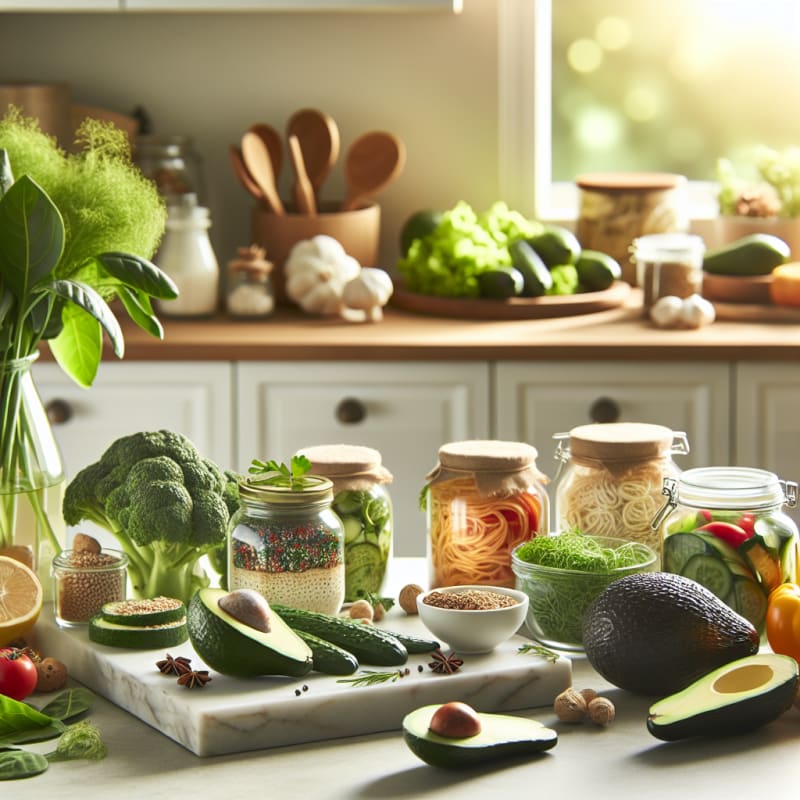
Keto Diet 2025: Embracing Gut Health and Sustainability in the New Era of Keto
The keto diet has undergone a remarkable transformation. Once known for its strict carb restrictions and heavy reliance on animal fats, it’s now entering a new phase — one focused on gut health, sustainability, and balance. In 2025, consumers are moving away from the extreme versions of keto and embracing a cleaner, more adaptable approach that fits modern wellness goals and technology-driven lifestyles.
Why the Traditional Keto Diet Is Declining
According to FoodNavigator, global interest in the traditional keto diet has declined, largely due to its restrictiveness and potential negative effects on gut microbiota. Many followers experienced digestive discomfort, nutrient deficiencies, and difficulty maintaining long-term adherence.
Consumers today are more informed about the importance of microbiome diversity and fiber intake — both of which were often lacking in early keto plans. As a result, the keto community is shifting toward a more inclusive, gut-friendly model that combines the metabolic benefits of ketosis with a broader nutrient profile.
Scientific Insights: Keto and the Gut Microbiome
Recent research published in PubMed Central highlights how dietary fat composition and fiber intake influence gut microbial balance. The study suggests that diets rich in prebiotic fibers and plant-based fats can support beneficial bacteria while maintaining metabolic flexibility — a key goal for modern keto followers.
The Rise of the Clean Keto Diet
The term clean keto has become a defining concept in 2025. Unlike the traditional bacon-and-butter approach, clean keto emphasizes:
- Plant-based fats such as avocado, olive oil, chia seeds, and macadamia nuts.
- Prebiotic and fiber-rich foods like asparagus, flaxseed, and chicory root to nourish gut bacteria.
- Fermented foods such as kimchi, kefir, and sauerkraut for probiotic support.
- Minimal processing and avoidance of artificial sweeteners or additives.
This evolution aligns with broader consumer trends toward clean-label eating and digestive wellness. As noted by CKE Store’s 2025 wellness trends report, keto’s survival depends on its ability to integrate gut health and sustainability principles.
Market Growth and the Future of Keto Foods
Despite reports of decline, the keto food market continues to grow in value. A GlobeNewswire report projects the ketogenic diet food market will exceed USD 20.13 billion by 2034, driven by innovation in plant-based keto snacks, low-carb functional beverages, and AI-personalized nutrition tools.
| Year | Global Keto Market Value (USD Billion) | Key Growth Driver |
|---|---|---|
| 2023 | 10.5 | High-fat, low-carb packaged foods |
| 2025 | 14.2 | Clean keto and gut-friendly innovations |
| 2034 (forecast) | 20.13 | AI-driven personalization and sustainable ingredients |
How to Follow a Balanced Keto Diet in 2025
Following a balanced keto diet today means focusing on quality over quantity and diversity over restriction. Here’s how to make keto work for your body and gut:
1. Choose the Right Fats
Opt for unsaturated, anti-inflammatory fats from plants and fish. Limit processed oils and trans fats.
2. Add Gut-Friendly Fibers
Include low-carb vegetables and prebiotic fibers to support digestion and microbiome diversity.
3. Incorporate Fermented Foods
Fermented foods enhance gut health and may improve nutrient absorption while maintaining ketosis.
4. Use Technology for Personalization
AI-powered nutrition apps now help users track ketone levels, gut responses, and nutrient balance in real time.
Technology and AI: The New Keto Coaches
With the rise of AI nutrition apps and smart wearables, keto followers can now receive personalized feedback on their metabolic state and gut health. These tools analyze data from continuous glucose monitors, ketone sensors, and dietary logs to recommend optimal food combinations.
Apps like Food Scan Genius are leading the way by helping users identify hidden carbs, allergens, and ingredient sensitivities in packaged foods. This transparency empowers keto enthusiasts to make smarter, cleaner choices without guesswork.
“I’ve been following a clean keto plan for six months, and Food Scan Genius has made it so easy to avoid hidden sugars and gut irritants. It’s like having a nutritionist in my pocket.” — Mia, Food Scan Genius user
Gut Health Keto: The Science of Balance
Emerging evidence suggests that a gut-healthy keto diet can deliver metabolic benefits without compromising digestive wellness. By combining low-carb principles with microbiome-supporting foods, this approach may improve inflammation markers, energy levels, and even mental clarity.
Key components of a gut-friendly keto plan include:
- Short-chain fatty acid (SCFA) support from prebiotic fibers.
- Polyphenol-rich foods like berries and green tea for microbial diversity.
- Moderate protein intake to prevent excessive ammonia production in the gut.
Consumer Shift: From Restriction to Sustainability
The modern keto movement reflects a broader cultural shift toward sustainable wellness. Consumers no longer want quick fixes — they want diets that support long-term health, environmental responsibility, and mental well-being.
Brands are responding by developing keto products that are:
- Plant-forward and eco-conscious.
- Rich in fiber and microbiome-friendly.
- Transparent in labeling and free from artificial additives.
FAQs: Keto Diet 2025 Trends
1. Is the keto diet still popular in 2025?
Yes, but it’s evolving. While traditional keto has declined, cleaner and more balanced versions focused on gut health and sustainability are gaining popularity.
2. What is clean keto?
Clean keto emphasizes whole, unprocessed foods, plant-based fats, and gut-friendly fibers instead of processed meats and artificial sweeteners.
3. How does the keto diet affect gut health?
Traditional keto can reduce beneficial gut bacteria, but modern versions that include prebiotics and fermented foods help maintain a healthy microbiome.
4. Can AI apps really help with keto?
Yes. AI nutrition apps like Food Scan Genius analyze ingredients, track macros, and personalize recommendations based on your body’s responses.
5. What are the best keto-friendly prebiotic foods?
Top options include asparagus, flaxseed, garlic, chicory root, and Jerusalem artichokes — all low in net carbs but rich in fiber.
6. What’s the future of the ketogenic diet market?
According to GlobeNewswire, the ketogenic food market is projected to surpass USD 20 billion by 2034, driven by innovation in plant-based and AI-personalized nutrition.
Final Takeaway: Keto’s Next Chapter
The keto diet isn’t disappearing — it’s evolving. In 2025, the focus is on balance, gut health, and personalization. By integrating plant-based fats, prebiotic fibers, and AI-driven guidance, keto is becoming more sustainable and accessible than ever.
Whether you’re new to keto or refining your approach, tools like Food Scan Genius can help you identify clean, gut-friendly foods and stay aligned with your goals. The future of keto is not about restriction — it’s about smart, personalized nutrition that supports your body and the planet.