FDA’s 2025 Synthetic Food Dye Ban: What it Means for Consumers and Food Brands
The FDA synthetic food dye ban 2025 marks a major turning point in how the U.S. food industry approaches color additives. With the agency’s final orders to phase out synthetic dyes like FD&C Red No. 3 by 2027, food manufacturers and retailers are racing to reformulate products using natural food colorants. This shift aligns with growing consumer demand for clean label food trends and transparency in ingredient sourcing.
From breakfast cereals to snack foods, this transition is reshaping supply chains, reformulation strategies, and marketing messages across the packaged food sector. Here’s what consumers, brands, and regulators need to know about the upcoming changes.
Why the FDA Is Phasing Out Synthetic Food Dyes
The FDA’s decision to phase out certain synthetic dyes follows decades of scientific review and public concern over potential health effects. According to a recent NIH-supported review, some artificial colorants have been linked to behavioral effects in sensitive children and may pose other long-term risks. The FDA’s updated stance reflects a precautionary approach, emphasizing consumer safety and alignment with global regulatory trends.
In the U.S., FD&C Red No. 3 has been widely used in candies, baked goods, and beverages. However, its use in cosmetics and topical drugs was banned decades ago due to carcinogenicity concerns in animal studies. The new food dye phase-out extends similar protections to the food supply.
Timeline of the FDA Synthetic Food Dye Ban
| Year | Milestone |
|---|---|
| 2025 | FDA issues final rule to phase out FD&C Red No. 3 and review other synthetic dyes. |
| 2026 | Manufacturers begin reformulation and labeling updates. |
| 2027 | Full compliance required; synthetic dye use prohibited in new food formulations. |
How Major Brands and Retailers Are Responding
Leading companies are already taking action. In October 2025, Walmart announced it will eliminate synthetic dyes across all private-brand food products by 2027. This move sets a precedent for the entire retail sector, encouraging suppliers to accelerate the transition to natural colorants.
Other major players like Kraft Heinz, General Mills, and Nestlé are following suit, reformulating popular items to meet both regulatory requirements and consumer expectations for cleaner ingredients. According to Food Dive’s 2025 trend report, the shift toward natural colorants is part of a broader movement toward “snackification” and health-driven reformulation in the U.S. food market.
Natural Alternatives to Synthetic Food Dyes
Replacing synthetic dyes isn’t as simple as swapping one ingredient for another. Natural pigments vary in stability, hue, and cost. However, innovation in food science is rapidly expanding the palette of plant-based colors available to manufacturers.
Common Natural Food Colorants
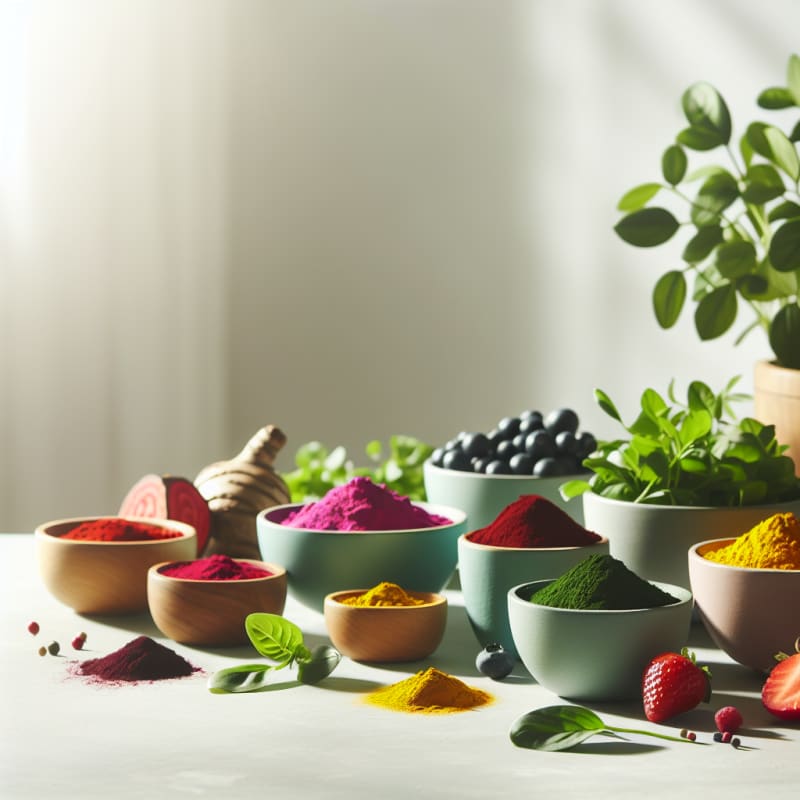
- Beet juice and anthocyanins – provide red and pink shades.
- Turmeric and beta-carotene – deliver yellow to orange tones.
- Spirulina extract – used for vibrant blue hues.
- Paprika and annatto – offer rich orange and reddish colors.
- Chlorophyll and matcha – create natural greens.
According to Food Ingredients First, U.S. regulations are now evolving to support these natural alternatives, ensuring they meet safety and labeling standards while maintaining product appeal.
Consumer Demand for Clean Labels and Transparency
Consumers increasingly associate synthetic additives with “ultra-processed” foods. The clean label movement—favoring recognizable, minimally processed ingredients—has become a defining force in food innovation. A 2025 IFT trend report highlights that transparency and ingredient simplicity now drive purchasing decisions more than ever before.
Social media has amplified this shift. Viral discussions, such as those on FoodGraph’s “Time’s Up for Artificial Food Dyes” blog, have fueled consumer awareness and pressured brands to act faster. Parents, in particular, are vocal about avoiding synthetic dyes in children’s snacks and beverages.
Health and Regulatory Insights
While not all synthetic dyes are immediately harmful, the FDA’s updated guidance reflects a growing consensus that precautionary removal is prudent. The scientific literature continues to explore links between artificial dyes and behavioral or allergic responses. The FDA’s proactive stance aligns the U.S. more closely with European Union policies, which have long restricted certain artificial colors.
Regulators are also tightening oversight on labeling accuracy. Mislabeling or undeclared color additives can lead to recalls, fines, and reputational damage. For brands, the phase-out period is both a challenge and an opportunity to rebuild trust through transparency.
Impact on the Food Industry Supply Chain
Transitioning to natural colorants affects every stage of production—from ingredient sourcing to shelf stability. Natural pigments can be more sensitive to heat and light, requiring new processing techniques and packaging solutions. This has led to increased collaboration between ingredient suppliers and food technologists to ensure consistency and visual appeal.
Retailers like Walmart are leveraging these changes to strengthen their sustainability credentials, while smaller brands are using the shift as a marketing advantage to emphasize purity and authenticity.
How Food Scan Genius Helps Consumers Navigate Ingredient Changes
As ingredient lists evolve, consumers often struggle to recognize new colorant names or sources. The Food Scan Genius app helps users instantly identify ingredients, flag synthetic additives, and find natural alternatives that fit their dietary preferences. Whether you’re avoiding artificial dyes, allergens, or preservatives, this tool provides clarity and confidence while shopping.
“I used Food Scan Genius after hearing about the FDA dye ban—it’s amazing how easy it is to see which products already switched to natural colors!” — Jessica M., parent and label-conscious shopper
Why This Shift Matters for Everyone
The FDA’s synthetic dye phase-out is more than a regulatory update—it’s a reflection of changing values in the food system. Consumers want products that are not only safe but also ethically and environmentally responsible. The move toward natural colorants supports sustainability goals by reducing reliance on petroleum-derived chemicals and encouraging plant-based sourcing.
For the broader public, this shift represents a win for transparency, safety, and informed choice. It also underscores the importance of ongoing scientific research and responsible innovation in the food industry.
FAQs About the FDA Synthetic Food Dye Ban 2025
When does the FDA ban synthetic food dyes?
The FDA’s phase-out begins in 2025, with full compliance required by 2027. After that, new food formulations cannot include banned synthetic dyes like FD&C Red No. 3.
Which synthetic dyes are affected by the FDA’s new regulations?
The current focus is on FD&C Red No. 3, but the FDA is reviewing other dyes for potential future restrictions based on updated safety data.
What are natural alternatives to artificial food colors?
Common natural colorants include beet juice, turmeric, spirulina, paprika, and chlorophyll. These plant-based pigments provide vibrant colors without synthetic additives.
How are major brands responding to the dye ban?
Retailers like Walmart and major food manufacturers are reformulating products to comply with the new rules and meet consumer demand for clean labels.
Will the dye ban make foods more expensive?
In the short term, reformulation and ingredient sourcing may increase costs slightly, but long-term efficiencies and consumer trust are expected to offset these expenses.
How can consumers identify synthetic dyes in food labels?
Look for names like “FD&C Red No. 3” or “Yellow No. 5.” Tools like the Food Scan Genius app can help quickly identify and interpret these ingredients.
Key Takeaway
The FDA synthetic food dye ban 2025 signals a nationwide transformation in how foods are colored, labeled, and perceived. As the U.S. transitions from synthetic to natural colorants, both consumers and brands gain an opportunity to prioritize health, transparency, and sustainability. With tools like Food Scan Genius, shoppers can stay informed and confident in their choices as the food industry enters a cleaner, more colorful future.