How the FDA’s 2027 Synthetic Dye Ban Is Reshaping the Food Industry
The synthetic food dye ban 2027 marks one of the most significant regulatory shifts in decades for the U.S. food industry. The U.S. Food and Drug Administration (FDA) has finalized its decision to prohibit the use of FD&C Red No. 3 by January 2027, with additional petroleum-based dyes expected to follow. This move reflects growing scientific evidence, consumer concern, and brand commitments to clean label reformulation and natural food colorants.
Major companies—from Walmart to Kraft Heinz and PepsiCo—are reformulating products to remove artificial colors. The shift is more than a regulatory response; it’s a cultural and market transformation driven by transparency, health awareness, and sustainability.
Why the FDA Is Banning Synthetic Food Dyes
The FDA’s decision follows decades of research and advocacy linking certain synthetic dyes to potential health and behavioral effects, particularly in children. FD&C Red No. 3, derived from petroleum, has been under scrutiny since the 1990s due to studies suggesting possible carcinogenicity in animal testing. The FDA’s updated review aligns with global regulatory trends and consumer demand for safer, more natural ingredients.
Key Drivers Behind the Ban
- Health and safety concerns: Ongoing studies have raised questions about synthetic dyes and hyperactivity in children.
- Regulatory modernization: The FDA’s post-market review process and the MAHA (Modernization of Additives and Health Assessment) initiative emphasize continuous safety reassessment.
- Consumer demand: Clean labels and transparency are now top purchasing factors, as confirmed by IFT’s Top Ten Food Trends for 2025.
How Major Brands Are Responding
Leading food manufacturers and retailers are moving quickly to align with the new regulations. According to Walmart’s 2025 announcement, all private-label products will be free from synthetic dyes by 2026, a year ahead of the FDA deadline. This proactive approach reflects a broader industry trend toward natural food colorants and ingredient transparency.
Examples of Brand Reformulation
| Brand | Action | Timeline |
|---|---|---|
| Walmart | Eliminating synthetic dyes across all private brands | By 2026 |
| Kraft Heinz | Reformulating snacks and beverages with natural colors | 2025–2027 |
| PepsiCo | Transitioning to plant-based colorants in beverages | Ongoing |
As Food Dive reports, the snacking category is leading reformulation efforts, with brands investing heavily in natural pigment sourcing and stability research. The shift is not only about compliance but also about meeting evolving consumer expectations.
The Rise of Natural Food Colorants
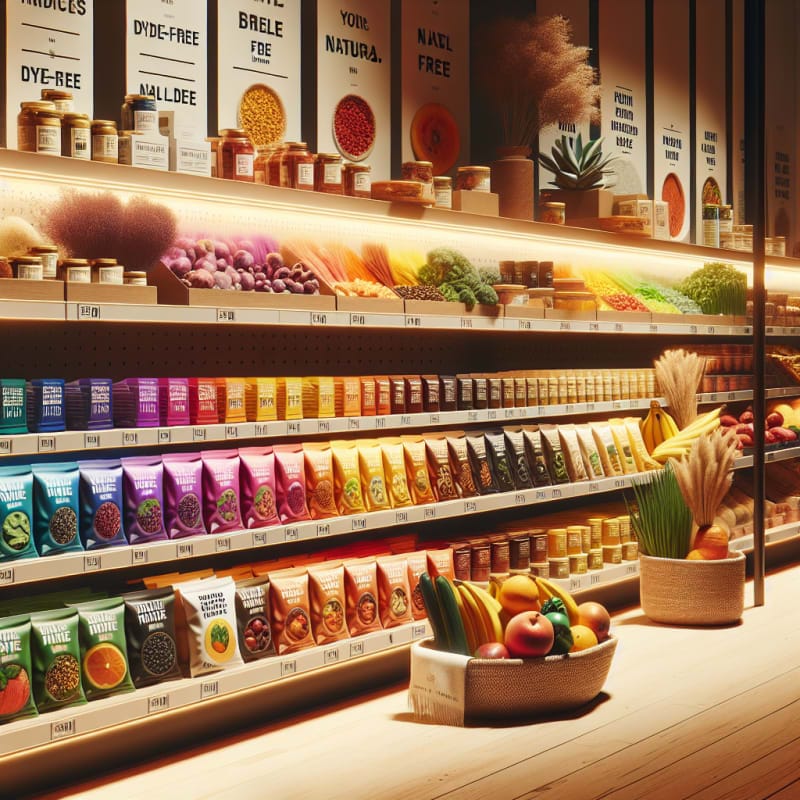
Natural colorants—derived from fruits, vegetables, algae, and spices—are becoming the preferred alternative to synthetic dyes. Ingredients like beetroot, turmeric, spirulina, and paprika extract are now common in reformulated products. These natural options offer vibrant hues and align with sustainability goals.
Advantages of Natural Colorants
- Consumer trust: Perceived as safer and more authentic.
- Regulatory alignment: Compliant with both U.S. and EU additive standards.
- Marketing appeal: Supports “free-from” and “clean label” claims.
Challenges in Reformulation
- Color stability under heat and light.
- Flavor interactions with natural pigments.
- Higher sourcing and production costs.
Despite these challenges, innovation is accelerating. As Food Ingredients First notes, advances in microencapsulation and fermentation-based color production are helping manufacturers achieve consistent, natural results.
Consumer Health and Transparency
Consumers today are more informed and cautious about what they eat. Surveys show that over 70% of U.S. shoppers check labels for artificial additives. The synthetic food dye ban 2027 reflects this cultural shift toward ingredient literacy and health-conscious consumption.
Apps like Food Scan Genius are empowering consumers to identify synthetic additives instantly. By scanning a product barcode, users can see if it contains banned or controversial ingredients and discover natural alternatives. As one user shared, “Food Scan Genius helped me find snacks my kids love—without the artificial colors.”
Broader Implications for the Food Industry
The FDA’s synthetic dye ban will ripple across supply chains, from ingredient sourcing to packaging claims. It will also influence international trade, as U.S. manufacturers align with global standards on additive safety.
Expected Industry Outcomes
- Innovation surge: Growth in natural pigment R&D and biotechnology.
- Supply chain diversification: Increased demand for plant-based raw materials.
- Marketing evolution: Expansion of “no artificial colors” product lines.
According to IFT, this transition is part of a larger movement toward “responsible indulgence,” where consumers seek both enjoyment and ethical assurance in food choices.
How to Identify Foods Without Artificial Colors
Finding foods free from synthetic dyes is easier than ever. Here’s how to check:
- Read ingredient lists for terms like “FD&C” or “Red No. 3.”
- Look for “no artificial colors” or “naturally colored” labels.
- Use apps like Food Scan Genius to scan barcodes and verify ingredients instantly.
Frequently Asked Questions (FAQ)
1. What is the FDA’s 2027 synthetic food dye ban?
The FDA has ordered the removal of FD&C Red No. 3 from all foods and beverages by January 2027, marking the first step in a broader plan to phase out petroleum-based synthetic dyes.
2. Why is FD&C Red No. 3 being banned?
Scientific studies and regulatory reviews have raised concerns about potential health risks, prompting the FDA to act under its updated food additive safety framework.
3. Which brands are removing artificial food colors?
Major companies like Walmart, Kraft Heinz, and PepsiCo are reformulating products to eliminate synthetic dyes ahead of the 2027 deadline.
4. What are natural alternatives to synthetic food dyes?
Common natural colorants include beet juice, turmeric, spirulina, and paprika extract. These options provide vibrant colors without synthetic chemicals.
5. How can consumers find dye-free products?
Check ingredient labels or use apps like Food Scan Genius to identify products free from artificial colors and additives.
6. What does this mean for the future of food labeling?
The ban accelerates the clean label movement, pushing brands toward greater transparency and natural ingredient sourcing.
Takeaway: A Healthier, More Transparent Future
The synthetic food dye ban 2027 is more than a regulatory update—it’s a turning point for the food industry. As artificial additives fade out, natural colorants and transparent labeling will define the next generation of food innovation. For consumers, this means safer, cleaner, and more trustworthy products.
To stay informed and make confident choices, try Food Scan Genius—a smart way to scan, learn, and shop with confidence in the era of clean food reformulation.