Plant-Based Seafood Alternatives: The 2025 Vegetarian Trend You Need to Know
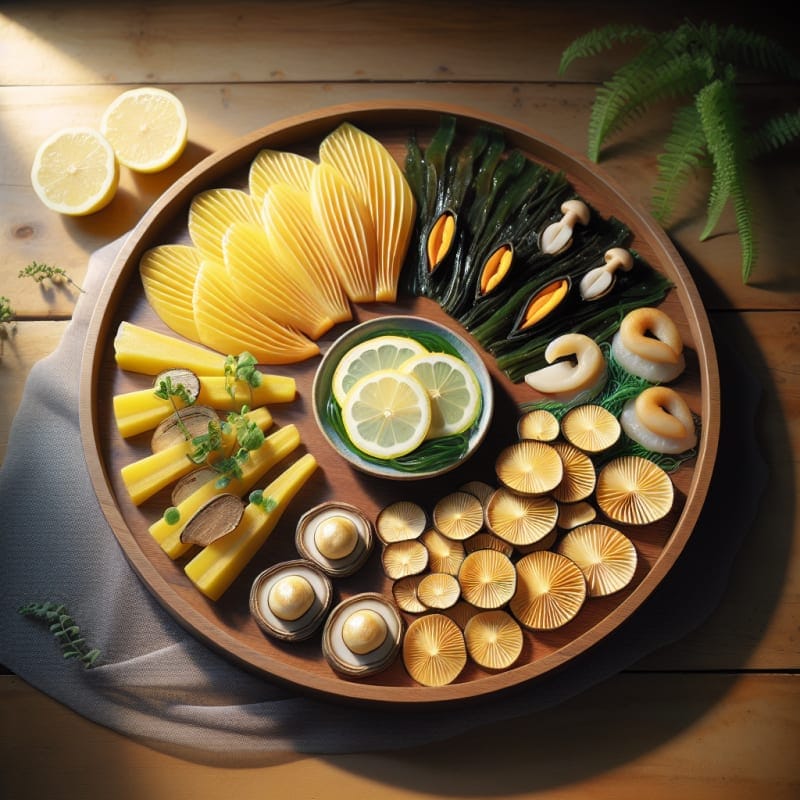
From sushi rolls to scallop-inspired dishes, plant-based seafood alternatives are making waves in the vegetarian world. As consumers look for sustainable, ocean-friendly options, innovative products made from sea vegetables like sea moss and water lentils are gaining traction. This trend reflects a growing awareness of marine conservation, nutrient diversity, and the desire for delicious, cruelty-free seafood experiences.
Why Plant-Based Seafood Is Surging in 2025
According to recent reports from Restaurantware and TriplePundit, 2025 is shaping up to be the year of vegetarian seafood innovation. Brands are introducing vegan tuna, shrimp, and scallop analogs that mimic the texture and flavor of real seafood while remaining entirely plant-derived. The motivation? Sustainability, ocean protection, and improved nutritional balance for vegetarian diets.
- Environmental impact: Plant-based seafood reduces pressure on overfished species and minimizes ocean pollution.
- Health focus: Sea vegetables provide essential minerals like iodine and magnesium often missing in vegetarian diets.
- Social influence: Viral posts on Instagram and TikTok showcase creative recipes and new product launches.
Sea Vegetables: Nature’s Ocean Superfoods
Sea vegetables—such as sea moss, kelp, nori, and water lentils—are rich in nutrients and serve as the foundation for many plant-based seafood alternatives. They offer natural umami flavor and a mineral profile that supports thyroid health and energy metabolism.
Sea Moss Benefits
Sea moss has become a social media sensation, featured in countless wellness videos on YouTube. It’s prized for its high iodine content, which helps vegetarians maintain healthy thyroid function. Sea moss also contains potassium, calcium, and antioxidants that support overall well-being.
| Nutrient | Approximate Value per 10g | Key Benefit |
|---|---|---|
| Iodine | 45–60 µg | Supports thyroid health |
| Magnesium | 14 mg | Promotes muscle and nerve function |
| Calcium | 7 mg | Strengthens bones |
Water Lentils Nutrition
Water lentils (also known as duckweed) are a tiny aquatic plant with a powerful nutritional punch. They’re rich in protein, omega-3 fatty acids, and vitamin B12 analogs, making them an ideal ingredient for vegetarian seafood products. Many new vegan scallop and shrimp analogs use water lentil protein for its clean taste and sustainability.
- Contains up to 45% protein by dry weight
- Low environmental footprint—grown without soil or pesticides
- Excellent source of iron and folate for vegetarians
Top Plant-Based Seafood Products in 2025
As highlighted by PETA’s Vegan Food Trends 2025, brands are racing to create the best plant-based seafood options that satisfy taste and sustainability goals. Here are some standout innovations:
| Product | Main Ingredients | Highlights |
|---|---|---|
| Vegan Scallop Analog | Water lentils, konjac, seaweed extract | Realistic texture and ocean flavor |
| Plant-Based Tuna | Chickpeas, sea moss, algae oil | High in omega-3s and protein |
| Seaweed Shrimp | Kelp, soy protein, tapioca starch | Low-fat and gluten-free |
How to Get Iodine on a Vegetarian Diet
One common concern among vegetarians is iodine deficiency. Sea vegetables like sea moss and kelp naturally provide this essential mineral. Including small amounts in your meals or choosing fortified plant-based seafood products can help maintain healthy iodine levels.
Quick Tips
- Add dried seaweed flakes to soups or salads.
- Use sea moss gel in smoothies for a nutrient boost.
- Check labels for iodine-fortified vegan seafood products.
Food Scan Genius: Ingredient Transparency Made Easy
With the rise of complex plant-based formulations, understanding ingredients is more important than ever. The Food Scan Genius app (scangeni.us) helps consumers instantly analyze food labels for allergens, additives, and nutrient profiles. It’s especially useful for vegetarians exploring new seafood alternatives.
“I used Food Scan Genius to check the iodine content in my vegan scallop mix—it gave me instant clarity on nutrition and sourcing!” — Sara L., vegetarian foodie
Social Media Buzz: Where the Trend Lives
Platforms like Instagram and TikTok are driving awareness of new plant-based seafood recipes and brands. Influencers share creative dishes like plant-based scallop recipes using sea moss and konjac, inspiring millions to try ocean-friendly meals at home.
Why This Trend Matters for Everyone
Even if you’re not vegetarian, plant-based seafood alternatives represent a broader movement toward sustainable eating. They help reduce overfishing, lower carbon emissions, and promote biodiversity. Plus, they offer new flavors and textures that appeal to adventurous eaters and eco-conscious consumers alike.
FAQs About Plant-Based Seafood Alternatives
What are plant-based seafood alternatives made from?
They’re typically made from seaweed, legumes, water lentils, and other plant proteins that replicate the taste and texture of seafood.
Are sea moss and water lentils safe for daily consumption?
Yes, when consumed in moderation. They’re nutrient-rich and naturally low in calories, but it’s best to check iodine intake levels if used frequently.
Do plant-based seafood products contain omega-3s?
Many do! Ingredients like algae oil and water lentils provide plant-based omega-3 fatty acids beneficial for heart health.
Where can I find new vegan seafood products in 2025?
Look for launches highlighted by TriplePundit and PETA, or check local health food stores and online retailers.
How does Food Scan Genius help vegetarians?
It scans product labels to reveal nutrient details, helping users identify iodine sources, allergens, and sustainability ratings instantly.
Final Takeaway
The rise of plant-based seafood alternatives in 2025 marks a major shift toward sustainable, nutrient-rich vegetarian eating. Sea vegetables like sea moss and water lentils are redefining ocean-inspired cuisine, offering both flavor and function. As awareness grows, tools like Food Scan Genius empower consumers to make informed, transparent food choices—one plant-powered bite at a time.