FDA Synthetic Food Dye Ban 2025: What It Means for Your Food and Health
The FDA synthetic food dye ban 2025 marks a major turning point in how the U.S. food industry approaches color additives. With phase-out deadlines extending through 2027, the FDA’s new regulations are pushing food manufacturers to eliminate petroleum-based synthetic dyes and replace them with natural food color alternatives derived from plants, fruits, and minerals.
This shift is not only regulatory—it’s cultural. The Make America Healthy Again (MAHA) movement and the rise of clean label food trends are driving consumers to demand transparency and simplicity in ingredients. As a result, major brands like Walmart and Nestlé are leading reformulation efforts to meet both consumer expectations and regulatory deadlines.
Why the FDA Is Phasing Out Synthetic Food Dyes
For decades, synthetic food dyes have been used to enhance the visual appeal of processed foods, candies, and beverages. However, growing scientific evidence and consumer advocacy have linked certain artificial colorants to behavioral and allergic reactions, especially in children. The FDA’s decision to phase out these additives aligns with global trends toward safer, more natural ingredients.
According to Food Ingredients First, the FDA’s updated stance reflects years of review and public consultation, acknowledging that consumer health and ingredient transparency must take precedence over artificial enhancement.
Key Reasons Behind the Ban:
- Health concerns: Potential links between synthetic dyes and hyperactivity in children.
- Environmental impact: Petroleum-based production contributes to pollution and nonrenewable resource use.
- Consumer demand: Rising preference for “clean label” and naturally derived ingredients.
- Global alignment: The U.S. joins the EU and UK in tightening restrictions on artificial colorants.
FDA Phase-Out Timeline for Synthetic Food Dyes (2025–2027)
The FDA’s phase-out timeline gives manufacturers a structured roadmap to transition away from synthetic colorants. The process is designed to minimize disruption while ensuring compliance and safety.
| Year | Regulatory Milestone | Industry Impact |
|---|---|---|
| 2025 | Initial ban on new product approvals containing Red 40, Yellow 5, and Blue 1. | Manufacturers begin reformulation and testing of natural color alternatives. |
| 2026 | Mandatory labeling updates for all products containing synthetic dyes. | Retailers start prioritizing reformulated products on shelves. |
| 2027 | Full removal of synthetic dyes from all FDA-regulated food products. | Complete industry transition to natural and plant-based colorants. |
How Major Brands Are Responding
Walmart’s Leadership in Reformulation
In October 2025, Walmart announced a company-wide initiative to eliminate synthetic dyes across all private-brand food products. This move aligns with the FDA’s timeline and reflects Walmart’s commitment to cleaner ingredients and consumer trust.
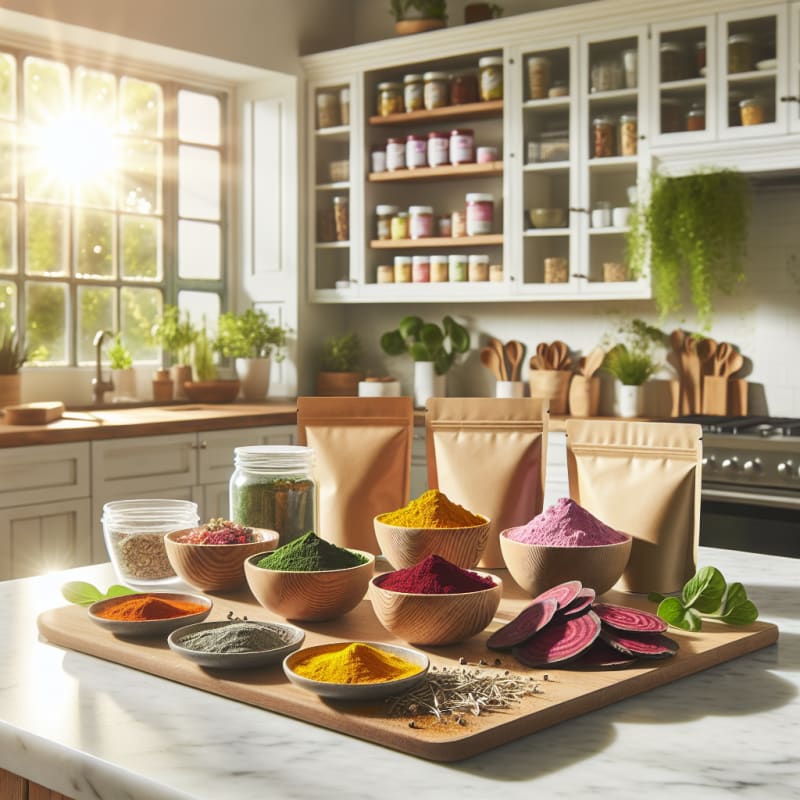
By transitioning to natural colorants like beet juice, turmeric, and spirulina, Walmart is setting a precedent for other retailers to follow. The company’s proactive approach also supports the broader Make America Healthy Again movement, emphasizing health-conscious choices and ingredient transparency.
Industry-Wide Reformulation Efforts
According to Food Dive, reformulation is now a top priority for food and beverage companies in 2025. Brands are investing in research to maintain vibrant colors without compromising on taste, texture, or shelf life. The Institute of Food Technologists (IFT) identifies natural color innovation as a leading food trend, with plant-based pigments like anthocyanins and carotenoids gaining traction.
Natural Food Color Alternatives: What’s Next?
Natural colorants are derived from fruits, vegetables, algae, and minerals. They not only provide vibrant hues but also add nutritional and functional benefits. As synthetic dyes disappear from ingredient lists, these alternatives are becoming mainstream.
| Natural Source | Color Produced | Common Applications |
|---|---|---|
| Beetroot | Red / Pink | Beverages, yogurts, confectionery |
| Turmeric | Yellow / Gold | Snacks, sauces, bakery items |
| Spirulina | Blue / Green | Ice creams, smoothies, candies |
| Carrot & Paprika | Orange / Red | Soups, chips, cereals |
Clean Label Food Trends and Consumer Trust
The clean label movement is more than a marketing trend—it’s a shift toward ingredient integrity. Consumers now read labels carefully, seeking recognizable, minimally processed ingredients. According to the IFT’s Top Ten Food Trends for 2025, transparency and sustainability are key drivers of purchasing decisions.
This evolution is reshaping how companies design, market, and certify their products. “Natural” is no longer enough—consumers want proof, traceability, and accountability.
The Role of Technology: Food Scan Genius
As ingredient lists evolve, tools like Food Scan Genius help consumers make informed choices. The app scans product barcodes and instantly identifies artificial additives, allergens, and ingredient origins. With the FDA’s new dye regulations, this type of technology empowers shoppers to verify whether a product meets the new standards.
“I used Food Scan Genius to check my kids’ snacks, and it instantly flagged synthetic dyes that I didn’t realize were still in older batches. It’s a game changer for clean eating.” — Maria L., parent and health-conscious shopper
Broader Impact: Beyond Color to Full Ingredient Reformulation
The FDA’s synthetic dye phase-out is expected to trigger a larger wave of food additive reformulation. Companies are reevaluating preservatives, flavor enhancers, and emulsifiers to align with the same clean label principles. This holistic approach will likely define the next decade of food innovation.
Key Takeaways for Consumers and Industry Professionals
- The FDA synthetic food dye ban 2025 is part of a broader shift toward natural, health-focused ingredients.
- Brands like Walmart are leading the transition by removing synthetic dyes from private-label foods.
- Natural colorants such as beetroot, turmeric, and spirulina are becoming standard in reformulated products.
- Technology like Food Scan Genius supports transparency and consumer empowerment.
FAQs About the FDA Synthetic Food Dye Ban 2025
1. What is the FDA synthetic food dye ban 2025?
The FDA’s 2025 ban is a regulatory initiative to phase out synthetic petroleum-based dyes from food products by 2027, replacing them with safe, natural alternatives.
2. Why are synthetic food dyes being banned?
Studies and consumer advocacy have raised concerns about potential health risks and environmental impacts associated with artificial dyes, prompting the FDA to act.
3. Which brands are leading the transition?
Walmart, Nestlé, and other major food manufacturers are reformulating their products to comply with the new FDA regulations and consumer expectations.
4. What are examples of natural food color alternatives?
Common natural colorants include beet juice (red), turmeric (yellow), spirulina (blue-green), and carrot extract (orange).
5. How can consumers verify if a product contains synthetic dyes?
Consumers can check ingredient labels or use apps like Food Scan Genius to scan barcodes and identify artificial additives.
6. When will synthetic dyes be completely removed from foods?
The FDA’s full phase-out is expected by 2027, after which synthetic dyes will no longer be permitted in FDA-regulated food products.
Final Thoughts
The FDA synthetic food dye ban 2025 signals a new era in food safety and transparency. As artificial dyes disappear from shelves, consumers can expect cleaner, more natural products that align with modern health values. For food companies, this transition is both a challenge and an opportunity—to innovate, reformulate, and rebuild trust.
Whether you’re a parent checking snack labels or a product developer planning reformulation, understanding these changes is essential. And with tools like Food Scan Genius, staying informed has never been easier.