FDA’s Synthetic Food Dye Ban: What It Means for Your Favorite Foods in 2025–2027
Artificial food dyes have colored everything from candies to cereals for decades. But as the FDA begins its synthetic food dye ban between 2025 and 2027, the food industry faces one of its biggest transformations yet. Consumers are demanding cleaner, more transparent ingredients — and brands are racing to replace petroleum-based dyes with natural food colorants derived from plants and minerals.
Why the FDA Is Phasing Out Synthetic Food Dyes
The FDA’s decision follows years of scientific scrutiny and public pressure. Research published by the National Institutes of Health (NIH) highlights potential links between certain synthetic dyes and behavioral or allergic reactions in sensitive individuals. The agency’s 2025–2027 timeline marks a gradual phase-out of dyes such as Red 40, Yellow 5, and Blue 1 — all petroleum-derived colorants long used in processed foods.
According to FoodGraph, the FDA’s move aligns with global trends, as the European Food Safety Authority (EFSA) and other regulators have already tightened limits on artificial colorants. The U.S. is now catching up, setting stricter standards for additive safety and transparency.
Key Regulatory Milestones (2025–2027)
| Year | Regulatory Action | Industry Impact |
|---|---|---|
| 2025 | Initial phase-out notice for major synthetic dyes | Brands begin reformulation and testing natural alternatives |
| 2026 | Mandatory labeling updates and transition period | Retailers remove products containing banned dyes |
| 2027 | Full enforcement of the synthetic dye ban | Complete shift to plant-based and mineral colorants |
How Food Brands Are Responding
Major retailers and manufacturers are already taking action. Walmart announced it will eliminate synthetic dyes across all private-brand food products by 2026, citing consumer demand for cleaner ingredients. This move mirrors commitments from other leading companies reformulating snacks, beverages, and bakery items with natural pigments.
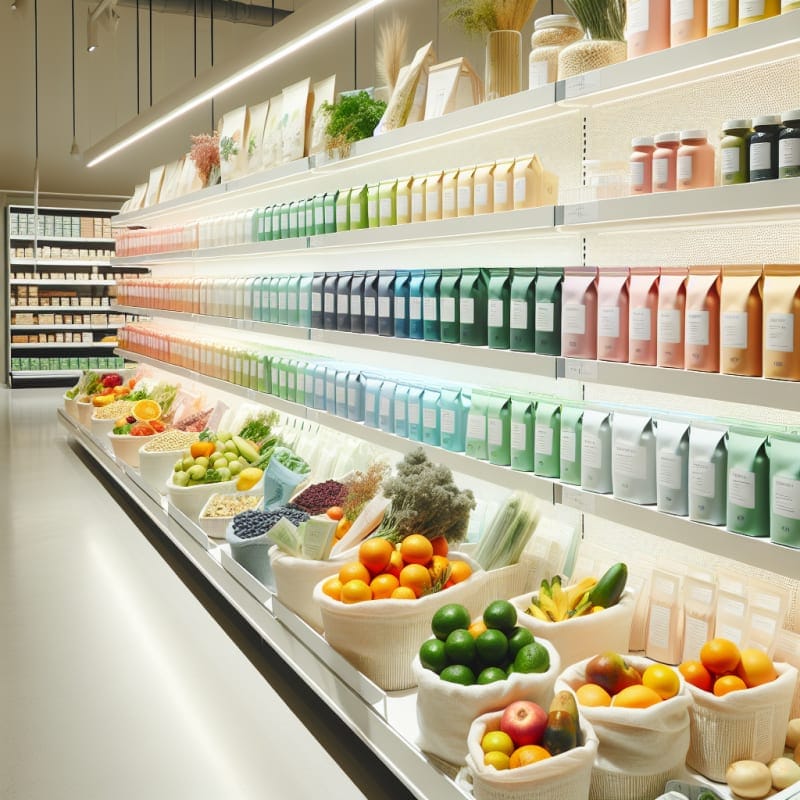
Industry sources like FoodIngredientsFirst report that brands are turning to colorants from sources such as beetroot, turmeric, spirulina, and paprika. These natural options offer vibrant hues while meeting growing expectations for safety and sustainability.
Examples of Natural Color Alternatives
- Red hues: Beet juice, hibiscus extract
- Yellow tones: Turmeric, saffron, annatto
- Blue and green shades: Spirulina, matcha, chlorophyll
- Purple and pink: Sweet potato, elderberry, grape skin extract
Consumer Trends Driving the Clean Label Movement
According to Food Dive, “clean label” trends are reshaping the food and beverage market in 2025. Shoppers increasingly read ingredient lists, avoiding artificial additives and seeking products with recognizable, natural components. This shift is not just about safety — it’s about trust and transparency.
Social media has amplified awareness. A viral YouTube video comparing foods with and without synthetic dyes has millions of views, sparking conversations about hidden ingredients and regulatory gaps. Consumers are now demanding accountability from brands and regulators alike.
Natural Food Colorants: Benefits and Challenges
While natural food colorants are safer and more sustainable, they present formulation challenges. Plant-based pigments can fade under heat or light, and their flavor profiles may subtly affect taste. However, advances in extraction and encapsulation technologies are helping manufacturers overcome these hurdles.
Research cited by the NIH shows that natural pigments like anthocyanins and carotenoids also offer antioxidant benefits, adding nutritional value beyond color. This dual advantage makes them appealing to health-conscious consumers and brands pursuing functional foods.
Q&A: Why Are Synthetic Dyes Being Banned?
Q: What triggered the FDA’s synthetic food dye ban?
A: Scientific evidence and consumer advocacy prompted the FDA to review safety data. Studies linked certain dyes to hyperactivity and allergic responses, leading to a 2025–2027 phase-out timeline.
Q: Will my favorite snacks look different?
A: Possibly. Natural colorants can produce softer hues, but brands are innovating with blends to maintain visual appeal while improving ingredient safety.
How Food Scan Genius Helps Consumers Navigate Ingredient Changes
As reformulations accelerate, ingredient transparency becomes vital. The Food Scan Genius app (scangeni.us) lets users scan product labels to instantly identify artificial additives, allergens, and natural alternatives. This tool empowers shoppers to make informed choices during the FDA’s transition period.
“I started using Food Scan Genius after hearing about the dye ban. It’s amazing to see which products are already switching to natural colors — it makes shopping so much easier!” — Maria L., Food Scan Genius user
Impact on Food Manufacturers and Retailers
The synthetic food dye ban will reshape supply chains. Manufacturers must source stable natural pigments, update labeling, and ensure compliance with evolving FDA food additive regulations. Retailers like Walmart are setting new standards, influencing competitors to follow suit.
Industry experts at FoodGraph predict that by 2027, nearly all mainstream packaged foods will feature plant-based colorants. This transformation supports broader clean label food trends and aligns with sustainability goals.
Economic and Market Implications
- Cost adjustments: Natural pigments can be more expensive, but improved extraction methods are reducing costs.
- Supply chain diversification: Increased demand for botanical sources like beet and turmeric creates new agricultural opportunities.
- Consumer loyalty: Brands adopting transparent labeling gain trust and long-term loyalty.
Looking Ahead: The Future of Color in Food
By 2027, the U.S. food landscape will look more natural — literally. The FDA’s synthetic food dye ban is more than a regulatory update; it’s a cultural shift toward authenticity and health. As technology advances, expect even more creative uses of plant-based colorants that enhance both appearance and nutrition.
For consumers, this means safer, cleaner foods and clearer labels. For brands, it’s a chance to innovate and lead in a market where transparency is the new standard.
FAQs About the FDA Synthetic Food Dye Ban
1. What is the timeline for the FDA synthetic food dye phase-out?
The FDA’s timeline runs from 2025 to 2027, gradually banning petroleum-based dyes and requiring reformulation across food categories.
2. Which synthetic dyes are being phased out?
Dyes such as Red 40, Yellow 5, and Blue 1 are among those targeted for removal due to safety and environmental concerns.
3. What are natural alternatives to artificial dyes?
Natural colorants include beetroot, turmeric, spirulina, and paprika — all plant-based and free from petroleum derivatives.
4. How will this affect food prices?
Prices may rise slightly during reformulation, but long-term costs are expected to stabilize as natural pigment production scales up.
5. Can consumers track ingredient changes?
Yes, apps like Food Scan Genius help consumers identify artificial additives and monitor brand updates in real time.
6. What does this mean for global food safety standards?
The U.S. ban aligns with international efforts led by EFSA and WHO to reduce synthetic additives and promote natural alternatives worldwide.
Final Takeaway
The FDA synthetic food dye ban marks a turning point in how we think about food color and safety. As brands reformulate and consumers embrace natural options, the clean label movement gains unstoppable momentum. Whether you’re a shopper, manufacturer, or health advocate, understanding these changes empowers smarter, safer choices. And with tools like Food Scan Genius, transparency is now just a scan away.