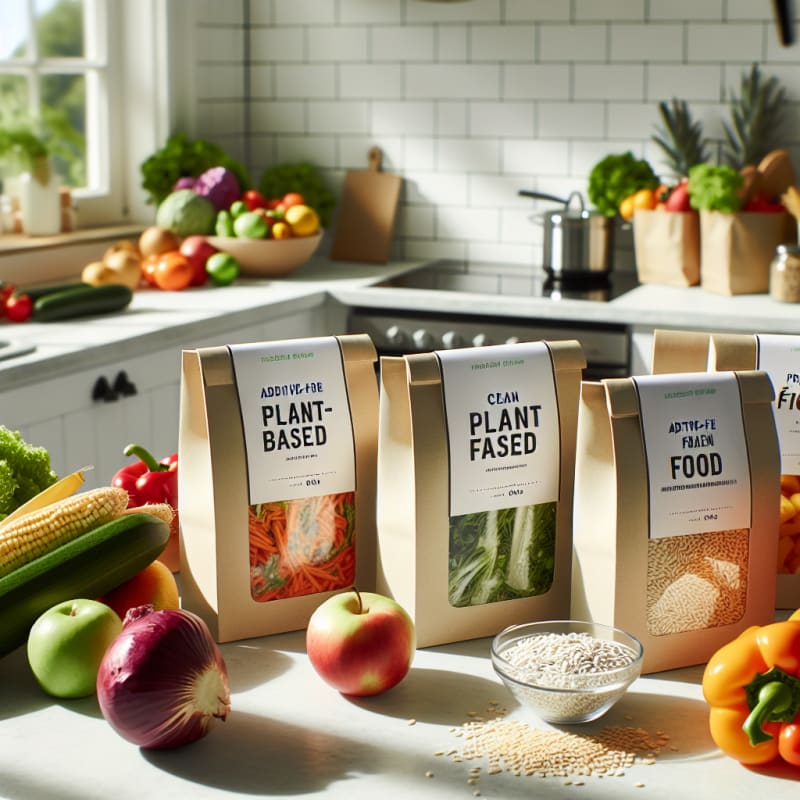
Whole-Food Revolution: Top Plant-Based and Vegan Food Trends to Watch in 2025
As vegan eating continues to move from niche to mainstream, 2025 marks a turning point for plant-based food trends. Consumers are shifting from ultra-processed substitutes toward whole-food vegan foods that emphasize natural ingredients, clean labels, and functional nutrition. This transformation is reshaping how brands innovate, how people shop, and how we all think about sustainable eating.
Why Whole-Food Vegan Eating Is Taking Center Stage
According to VegOut Magazine, the rise of whole-food vegan eating reflects a growing desire for transparency and simplicity. Consumers are increasingly wary of additives, artificial flavors, and hidden ingredients. Instead, they’re prioritizing foods made from recognizable sources—like lentils, chickpeas, oats, and mushrooms—that deliver both taste and nutrition.
Data from The Vegan Society shows that global vegan populations continue to rise, with younger demographics driving demand for cleaner, minimally processed options. This shift aligns with broader wellness movements emphasizing gut health, food safety, and sustainable sourcing.
Key Drivers Behind the 2025 Plant-Based Boom
- Health and wellness: Consumers link whole-food diets with better digestion, energy, and mental clarity.
- Environmental impact: Plant-based proteins reduce carbon footprints and water usage compared to animal sources.
- Food safety concerns: Transparency in sourcing and labeling is now a top purchase factor.
- Flavor innovation: Brands are using fermentation and natural flavoring to enhance taste without additives.
Top Plant-Based Food Trends 2025
Let’s explore the standout plant-based food trends for 2025 that are shaping the vegan market worldwide.
1. Whole-Food Vegan Meals and Snacks
Consumers are moving beyond imitation meats toward meals built around whole ingredients. Think lentil bowls, roasted chickpeas, and mushroom-based entrees. Functional vegan snacks—like protein-rich nut clusters and seed bars—are also gaining traction, combining convenience with nutrient density.
2. Plant Protein Innovation
According to The Good Food Institute, plant protein innovation is accelerating. Pea, fava bean, and mushroom proteins are leading the charge, offering better texture and amino acid profiles. These sources are replacing soy in many new formulations due to allergen and sustainability considerations.
| Protein Source | Key Benefits | 2025 Market Trend |
|---|---|---|
| Pea Protein | High in iron, easily digestible | Used in shakes, snacks, and meat alternatives |
| Mushroom Protein | Rich umami flavor, sustainable cultivation | Emerging in ready-to-eat meals |
| Fava Bean Protein | Non-allergenic, high fiber | Growing in European vegan products |
3. Vegan Dairy Alternatives Go Clean
Plant-based dairy is evolving beyond almond and soy milk. Oat, hemp, and potato-based milks are trending for their creamy texture and neutral taste. Yogurts and cheeses are also shifting toward fermented whole-food bases, improving gut health and flavor authenticity.
4. Functional Vegan Snacks and Convenience Foods
Functional foods—those offering added health benefits—are a major growth area. Expect snacks fortified with probiotics, adaptogens, and antioxidants. As Tastewise reports, consumers want foods that support immunity, focus, and energy without sacrificing taste.
5. Clean Eating and Ingredient Transparency
Transparency is becoming a competitive advantage. Brands are adopting QR codes and digital ingredient scans to show sourcing and processing details. Apps like Food Scan Genius help consumers instantly identify allergens, additives, and nutritional profiles by scanning product labels. One user shared, “Food Scan Genius makes grocery shopping easy—I can see what’s really in my food before buying.”
Market Growth and Consumer Demand
Recent market data from Vegconomist reveals that the plant-based sector is not slowing down—it’s evolving. New product launches emphasize sustainability and whole ingredients over mimicry. Meanwhile, Plant Based News highlights that brands are focusing on nutrient density and clean formulations to meet consumer expectations.
In both the US and Europe, the growth of the plant-based market in 2025 is projected to exceed 10% annually, driven by increased retail availability and restaurant adoption. Demand for minimally processed vegan products is especially strong among Gen Z and Millennials, who associate clean eating with ethical living.
Regional Highlights
- United States: Functional vegan snacks and convenience foods dominate grocery shelves.
- Europe: Mushroom and fava bean proteins are becoming mainstream.
- Asia-Pacific: Rapid expansion in oat-based dairy and fermented soy alternatives.
Impact of Food Safety and Sustainability Concerns
Food safety is now intertwined with sustainability. Consumers want assurance that their vegan products are free from contaminants and responsibly sourced. This has led to increased regulatory scrutiny and voluntary transparency initiatives among leading brands.
Whole-food vegan diets naturally align with these values, as they rely less on heavily processed ingredients and more on fresh, traceable crops. This trend also supports biodiversity and regenerative agriculture, helping mitigate climate change impacts.
Emerging Vegan Convenience Foods and Snacks 2025
Convenience no longer means compromise. The new generation of vegan convenience foods includes frozen grain bowls, ready-to-eat lentil soups, and shelf-stable mushroom jerky. These products cater to busy lifestyles while maintaining nutritional integrity.
With apps like Food Scan Genius, consumers can quickly verify ingredient lists and allergen safety, making clean eating accessible even on the go.
FAQ: Plant-Based Food Trends 2025
What are the biggest plant-based food trends for 2025?
Whole-food vegan meals, plant protein innovation, and functional snacks are leading the 2025 plant-based movement. Consumers want clean, minimally processed foods that support health and sustainability.
Which plant proteins are gaining popularity?
Pea, mushroom, and fava bean proteins are trending for their nutritional value, digestibility, and eco-friendly production.
Are vegan dairy alternatives changing?
Yes, oat, hemp, and potato-based milks are emerging, offering better texture and taste with fewer additives.
How does Food Scan Genius help vegan consumers?
Food Scan Genius allows users to scan product labels to check for allergens, additives, and ingredient transparency—perfect for those following clean vegan diets.
Is the plant-based market still growing?
Absolutely. Reports from Vegconomist and Plant Based News confirm steady growth, driven by innovation and consumer demand for whole-food vegan options.
Final Takeaway
The whole-food revolution in vegan eating is redefining what it means to eat plant-based. As 2025 unfolds, expect cleaner labels, smarter ingredient sourcing, and more functional options that balance health, taste, and sustainability. Whether you’re a lifelong vegan or simply curious about plant-powered living, understanding these trends helps you make informed, conscious food choices.
For those seeking ingredient clarity and allergen safety, try Food Scan Genius—a simple way to scan, learn, and trust what’s on your plate. The future of vegan food is whole, transparent, and deliciously innovative.