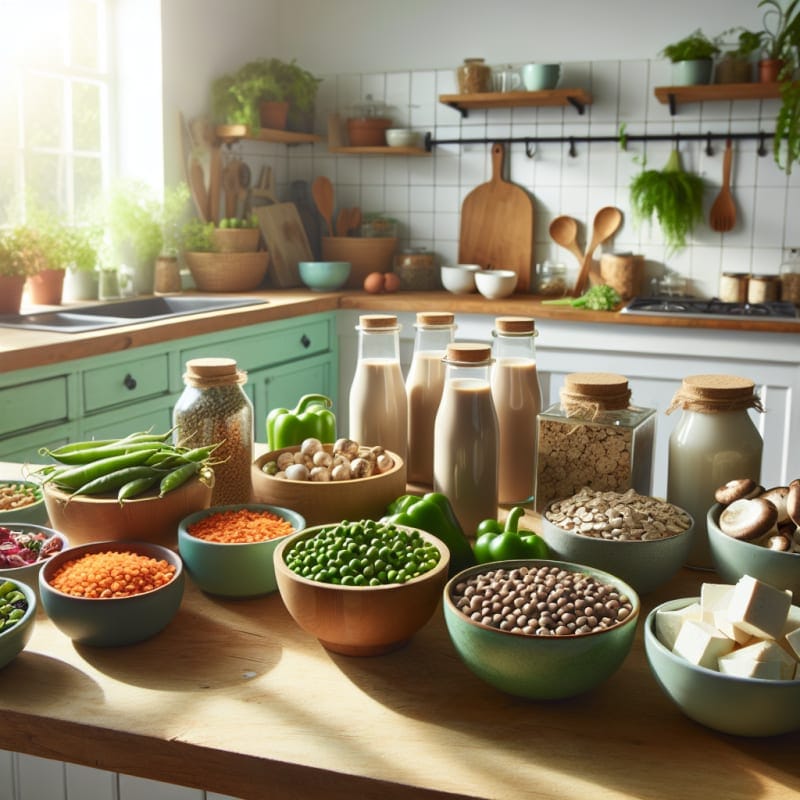
Vegan Food Trends 2025: What’s Actually on Plates and Why It’s Exploding
Vegan eating is no longer a niche choice — it’s a global movement reshaping how people eat, shop, and think about food. In 2025, vegan food trends are being driven by high-protein innovations, a return to clean whole foods, and growing consumer demand for transparency. With 47% of Americans planning to eat more plant foods and 25.8 million people worldwide joining Veganuary, the plant-based revolution is accelerating faster than ever (VegOut Magazine).
Let’s explore the top vegan food trends for 2025, why they matter, and how you can join the movement — even if you’re just plant-curious.
1. High-Protein Plant-Based Foods Take the Spotlight
Protein remains the biggest driver in plant-based innovation. In 2025, consumers are demanding foods that deliver both nutrition and taste — without the environmental cost of animal products. According to PETA, pea protein, fava bean, and chickpea-based foods are dominating store shelves and restaurant menus.
Top High-Protein Vegan Ingredients in 2025
| Ingredient | Protein per 100g | Popular Uses |
|---|---|---|
| Pea Protein | 24g | Protein powders, burgers, milk alternatives |
| Fava Bean Protein | 26g | Meat substitutes, pasta, snacks |
| Chickpea Flour | 22g | Gluten-free baking, savory pancakes |
These ingredients are not only rich in protein but also free from common allergens like soy and gluten, making them ideal for inclusive diets. As reported by Vegconomist, major brands and private labels are racing to launch new high-protein vegan lines, with private-label growth now outpacing traditional brands.
2. Clean Eating and Whole-Food Veganism
After years of ultra-processed meat alternatives, 2025 marks a shift toward whole-food, minimally processed vegan staples. Consumers are reading labels more carefully, avoiding additives, and seeking foods that feel “real.”
Popular clean vegan staples include:
- Fresh legumes and lentils
- Whole grains like quinoa and farro
- Fermented foods such as tempeh and kimchi
- Cold-pressed oils and nut butters
- Organic produce and sprouted seeds
Food transparency is now a must-have. Apps like Food Scan Genius are helping consumers instantly analyze ingredient lists and detect hidden additives or allergens. One user shared, “I love scanning my vegan snacks with Food Scan Genius — it’s like having a nutritionist in my pocket.”
3. Functional Vegan Foods: Nutrition Meets Purpose
Beyond protein, 2025’s plant-based trends include foods designed for specific health goals — energy, gut health, and immunity. Expect to see:
- Adaptogenic mushrooms (reishi, lion’s mane) in coffees and protein bars
- Probiotic vegan yogurts made from oat or almond bases
- Omega-3 fortified plant milks from algae
- Collagen-boosting vegan gummies using vitamin C and bamboo silica
These functional foods blend wellness and sustainability, appealing to consumers who want more from every bite.
4. Private-Label Vegan Products on the Rise
According to Vegconomist, private-label vegan products are growing faster than branded ones in 2025. Supermarkets are launching their own affordable lines of vegan cheeses, yogurts, and ready meals — making plant-based eating more accessible than ever.
This democratization of vegan food means that high-quality, nutritious options are no longer limited to specialty stores. Shoppers can now find budget-friendly vegan staples in mainstream grocery aisles.
5. Sustainable Packaging and Ethical Sourcing
Veganism isn’t just about what’s on the plate — it’s also about how it gets there. In 2025, brands are focusing on eco-friendly packaging and ethical ingredient sourcing. Expect to see compostable wraps, refillable jars, and transparent supply chains that trace ingredients from farm to fork.
Consumers increasingly link sustainability with authenticity. Clean labels and responsible sourcing are now key purchase drivers, especially among Gen Z shoppers who value climate-conscious choices.
6. Global Flavors Meet Plant-Based Innovation
Vegan cuisine in 2025 is more global than ever. From Korean gochujang tofu bowls to Mediterranean lentil salads, international flavors are inspiring home cooks and chefs alike. This fusion trend celebrates diversity and encourages experimentation with plant-based ingredients.
Popular global vegan dishes trending in 2025 include:
- Spicy Thai jackfruit curry
- Middle Eastern lentil kofta
- Latin-inspired black bean tacos with cashew crema
- Japanese miso mushroom ramen
7. The Rise of Smart Food Tech and Ingredient Transparency
Technology is transforming how we understand food. Apps like Food Scan Genius empower users to scan barcodes and instantly see if products meet their dietary preferences — vegan, gluten-free, or additive-free. This innovation supports the growing demand for ingredient transparency and helps prevent mislabeling and allergen confusion.
With food safety scares and misinformation on the rise, tools like this are becoming essential for conscious consumers.
8. Vegan Dining and Restaurant Evolution
Restaurants are adapting fast. In 2025, vegan options are no longer limited to salads or sides — they’re the main event. From Michelin-starred chefs to fast-casual chains, plant-based menus are expanding with creativity and flavor.
Expect to see more:
- Vegan tasting menus with local, seasonal ingredients
- Plant-based seafood made from seaweed or fungi
- Vegan comfort foods like mac and cheese reinvented with cashew cream
9. The Data Behind the Vegan Boom
The numbers speak for themselves:
- 47% of Americans plan to eat more plant foods in 2025 (VegOut Magazine).
- 25.8 million people participated in Veganuary globally.
- The vegan food market is projected to double by 2033 (Vegconomist).
These figures show that veganism is evolving from a lifestyle choice into a mainstream movement shaping the future of food.
10. How to Embrace Vegan Food Trends in 2025
Whether you’re a long-time vegan or just exploring, here’s how to join the movement:
- Start with swaps: Replace dairy milk with oat or pea milk.
- Prioritize whole foods: Choose lentils, beans, and grains over processed options.
- Use tech tools: Scan your groceries with Food Scan Genius to check for hidden animal ingredients.
- Explore global recipes: Try new cuisines that naturally emphasize plants.
- Support sustainable brands: Look for ethical sourcing and recyclable packaging.
FAQ: Vegan Food Trends 2025
What are the biggest vegan food trends in 2025?
The top trends include high-protein plant-based foods (like pea and fava beans), whole-food clean eating, functional vegan snacks, and sustainable packaging innovations.
Why is pea protein so popular in 2025?
Pea protein offers a complete amino acid profile, is allergen-friendly, and has a neutral taste — making it perfect for vegan meats, shakes, and dairy alternatives.
Are vegan foods becoming more affordable?
Yes. Private-label vegan products are expanding rapidly, offering high-quality options at lower prices in mainstream grocery stores.
How can I tell if a vegan product is truly clean?
Use apps like Food Scan Genius to scan ingredient lists and check for additives, allergens, or hidden animal-derived ingredients.
What’s driving the global shift toward plant-based eating?
Health, sustainability, and ethical concerns are key drivers — along with improved taste, accessibility, and innovation in plant-based foods.
Is veganism here to stay?
Absolutely. With market growth projected to double by 2033 and more consumers embracing plant-forward lifestyles, veganism is shaping the future of food.
{
“@context”: “https://schema.org”,
“@type”: “FAQPage”,
“mainEntity”: [
{
“@type”: “Question”,
“name”: “What are the biggest vegan food trends in 2025?”,
“acceptedAnswer”: {
“@type”: “Answer”,
“text”: “The top trends include high-protein plant-based foods, whole-food clean eating, functional vegan snacks, and sustainable packaging innovations.”
}
},
{
“@type”: “Question”,
“name”: “Why is pea protein so popular in 2025?”,
“acceptedAnswer”: {
“@type”: “Answer”,
“text”: “Pea protein is allergen-friendly, sustainable, and versatile, making it a leading ingredient in vegan meats and dairy alternatives.”
}
},
{
“@type”: “Question”,
“name”: “Are vegan foods becoming more affordable?”,
“acceptedAnswer”: {
“@type”: “Answer”,
“text”: “Yes. Private-label vegan products are growing rapidly, offering high-quality options at lower prices.”
}
},
{
“@type”: “Question”,
“name”: “How can I tell if a vegan product is truly clean?”,
“acceptedAnswer”: {
“@type”: “Answer”,
“text”: “Apps like Food Scan Genius help users scan ingredient lists to detect additives or hidden animal ingredients.”
}
},
{
“@type”: “Question”,
“name”: “What’s driving the global shift toward plant-based eating?”,
“acceptedAnswer”: {
“@type”: “Answer”,
“text”: “Health, sustainability, and ethical motivations are fueling the rise of plant-based diets worldwide.”
}
},
{
“@type”: “Question”,
“name”: “Is veganism here to stay?”,
“acceptedAnswer”: {
“@type”: “Answer”,
“text”: “Yes. With market growth expected to double by 2033, veganism is becoming a lasting part of mainstream food culture.”
}
}
]
}
Final Takeaway
The vegan food trends of 2025 show a world hungry for balance — between health, taste, and sustainability. From high-protein pea innovations to clean, whole-food staples, plant-based eating is evolving into a smarter, more inclusive lifestyle. Whether you’re scanning for allergens or exploring new flavors, tools like Food Scan Genius make it easier than ever to eat consciously and confidently.
In 2025, veganism isn’t just a diet — it’s a movement shaping the future of food.