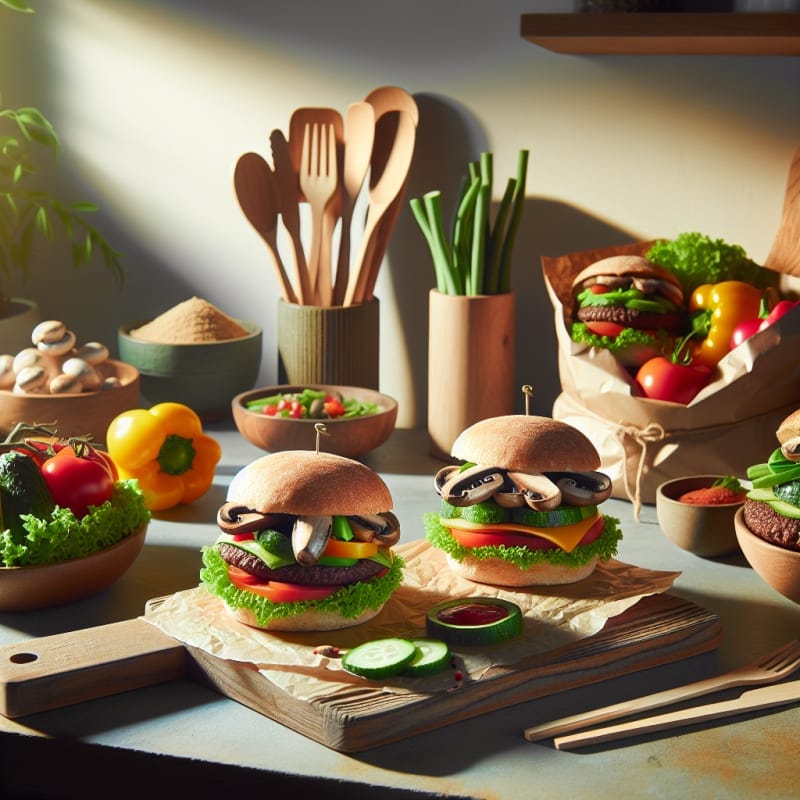
2025 Hybrid Plant-Based Foods: Flexitarian Favorites Blending Meat and Plants
Hybrid plant-based foods are redefining what it means to eat healthier in 2025. These innovative products blend traditional meat with plant ingredients—like mushrooms, lentils, or chickpeas—to create flavorful, lower-meat options for the growing flexitarian community. From blended burgers to chicken-mushroom nuggets, the movement is not just about sustainability anymore—it’s about taste, nutrition, and balance.
What Are Hybrid Plant-Based Foods?
Hybrid plant-based foods combine animal protein with plant-based ingredients to reduce meat consumption while maintaining familiar textures and flavors. Unlike fully vegan substitutes, these hybrids appeal to consumers who want to eat less meat without giving it up entirely.
| Product Type | Main Ingredients | Flexitarian Appeal |
|---|---|---|
| Blended Burger | Beef + Mushrooms or Lentils | Juicy texture with reduced saturated fat |
| Chicken-Mushroom Nuggets | Chicken + Mushrooms + Pea Protein | Lower calorie count, higher fiber |
| Hybrid Sausages | Pork + Chickpeas or Quinoa | Enhanced nutrition and reduced cholesterol |
Why Hybrid Foods Are Trending in 2025
According to Tastewise’s 2025 plant-based food trends report, consumers are shifting focus from environmental concerns to personal health. The rise of flexitarian trends 2025 shows people want to reduce meat intake without sacrificing flavor or satisfaction. Similarly, TriplePundit’s 2024 analysis highlights that hybrid products are bridging the gap between traditional and vegan diets, making plant-forward eating more accessible.
Social media buzz supports this shift. Platforms like PETA’s vegan food trends 2025 roundup and HurryTheFoodUp’s global vegetarian dish rankings reveal that hybrid recipes are trending alongside classic vegetarian meals.
Key Drivers Behind the Trend
- Health consciousness: Lower cholesterol, fewer calories, and more fiber.
- Flavor familiarity: Hybrids retain the taste and texture of meat.
- Environmental moderation: Reduced meat footprint without full elimination.
- Mainstream adoption: Big brands are now launching hybrid lines.
Top Hybrid Vegetarian Foods Trending Now
From restaurants to grocery shelves, plant-meat hybrids are everywhere in 2025. Here are the most popular options flexitarians are loving:
1. Blended Burgers Vegetarian Style
These burgers mix lean beef or turkey with mushrooms, lentils, or black beans. They deliver the same satisfying bite but with less fat and more fiber. Many brands now label them as “50/50 burgers.”
2. Chicken-Mushroom Hybrid Nuggets
Perfect for families, these nuggets combine chicken with finely chopped mushrooms and pea protein. They’re rich in umami flavor and often baked instead of fried for a healthier twist.
3. Hybrid Meatballs and Sausages
Blended with quinoa or chickpeas, hybrid meatballs maintain juiciness while cutting down on saturated fats. They pair well with pasta or wraps and are increasingly available in frozen sections.
4. Plant-Infused Seafood Alternatives
Some brands are experimenting with salmon blended with seaweed or chickpea flour, offering omega-3 benefits with reduced environmental impact.
Health Benefits of Plant-Meat Hybrid Products
Hybrid foods are designed to deliver better nutrition balance. They help reduce meat intake while maintaining protein levels. Here’s how they support health goals:
- Lower saturated fat: Replacing part of the meat with plants reduces heart disease risk.
- Higher fiber and antioxidants: Plant ingredients add digestive and immune benefits.
- Calorie control: Hybrids often have 20–30% fewer calories per serving.
- Improved sustainability: Less meat means lower greenhouse gas emissions.
Q&A: Why Flexitarians Prefer Hybrids
Q: Are hybrid foods healthier than regular meat?
A: Yes, because they reduce saturated fats and add plant nutrients, supporting balanced diets.
Q: Do hybrid burgers taste like real meat?
A: Most do! The addition of mushrooms and legumes enhances flavor without losing texture.
Q: Can hybrids help reduce my carbon footprint?
A: Absolutely. Even partial meat reduction can significantly lower environmental impact.
How to Make Chicken-Mushroom Hybrid Nuggets at Home
Homemade hybrids are easy and customizable. Here’s a simple recipe to try:
- Mix 1 cup ground chicken with 1 cup finely chopped mushrooms.
- Add ½ cup breadcrumbs, 1 egg, and seasonings.
- Shape into nuggets and bake at 375°F for 20 minutes.
- Serve with yogurt-based dipping sauce for extra protein.
This recipe delivers the same crunch and flavor as traditional nuggets, but with fewer calories and more fiber.
Choosing Clean-Label Hybrid Products
As hybrid foods expand, ingredient transparency becomes crucial. Many products include additives or allergens that flexitarians might overlook. Apps like Food Scan Genius help shoppers instantly scan labels to identify hidden ingredients, allergens, and nutrition scores. It’s especially useful for those managing sensitivities or following plant-forward diets.
“I started using Food Scan Genius to check blended burgers for soy and gluten. It’s fast, accurate, and helps me stay on track with my flexitarian goals.” — Mia, Food Scan Genius user
Try it yourself at scangeni.us and see how easy it is to make smarter food choices.
Flexitarian Trends 2025: What’s Next?
Experts predict that by 2026, hybrid foods will dominate mainstream menus. Restaurants are already experimenting with hybrid tacos, pasta sauces, and even breakfast items. This evolution reflects a cultural shift toward moderation—balancing enjoyment with health and sustainability.
Emerging Innovations
- AI-driven recipe development for optimal nutrition blends.
- Fermented plant proteins enhancing flavor complexity.
- Retail expansion into hybrid ready-to-eat meals.
Global Perspective: Hybrid Foods Around the World
In Europe, hybrid sausages are becoming staples. In Asia, blended dumplings mix chicken with tofu and shiitake mushrooms. The U.S. market leads with blended burgers and nuggets, while Latin America explores hybrid empanadas using lentils and beef.
According to Tastewise, hybrid innovation aligns with regional flavor preferences, making it a global movement rather than a niche trend.
How Food Scan Genius Supports Ingredient Transparency
Consumers increasingly demand clarity about what’s in their food. Hybrid products can contain complex ingredient lists, making it hard to identify allergens or additives. Food Scan Genius simplifies this by scanning barcodes and highlighting nutritional quality instantly. It’s ideal for flexitarians who want to ensure their hybrid products meet personal health goals.
FAQ: Hybrid Plant-Based Foods
What are hybrid plant-based foods?
They’re products that mix meat with plant ingredients to reduce meat intake while keeping familiar flavor and texture.
Are hybrid foods suitable for vegetarians?
Not fully—since they contain meat—but they’re perfect for flexitarians transitioning toward more plant-forward eating.
What are the best hybrid plant-based burgers for flexitarians in 2025?
Look for brands offering 50/50 blends of beef and mushrooms or lentils, as highlighted in TriplePundit’s 2025 trend report.
How do hybrid foods compare nutritionally to full plant-based options?
They usually have more protein than vegan alternatives but less saturated fat than full-meat versions.
Where can I find hybrid meat products?
Most major supermarkets and restaurant chains now carry hybrid burgers, sausages, and nuggets in their flexitarian sections.
How can I check hybrid food ingredients easily?
Use the Food Scan Genius app to scan labels and see detailed ingredient and allergen info instantly.
{
“@context”: “https://schema.org”,
“@type”: “FAQPage”,
“mainEntity”: [
{
“@type”: “Question”,
“name”: “What are hybrid plant-based foods?”,
“acceptedAnswer”: {
“@type”: “Answer”,
“text”: “Hybrid plant-based foods mix meat with plant ingredients to reduce meat intake while keeping familiar flavor and texture.”
}
},
{
“@type”: “Question”,
“name”: “Are hybrid foods suitable for vegetarians?”,
“acceptedAnswer”: {
“@type”: “Answer”,
“text”: “They contain meat, so they’re not fully vegetarian, but they’re ideal for flexitarians seeking gradual dietary change.”
}
},
{
“@type”: “Question”,
“name”: “What are the best hybrid plant-based burgers for flexitarians in 2025?”,
“acceptedAnswer”: {
“@type”: “Answer”,
“text”: “The best options are 50/50 blends of beef and mushrooms or lentils, featured in TriplePundit’s 2025 trend report.”
}
},
{
“@type”: “Question”,
“name”: “How do hybrid foods compare nutritionally to full plant-based options?”,
“acceptedAnswer”: {
“@type”: “Answer”,
“text”: “They typically offer more protein than vegan alternatives but less saturated fat than full-meat versions.”
}
},
{
“@type”: “Question”,
“name”: “Where can I find hybrid meat products?”,
“acceptedAnswer”: {
“@type”: “Answer”,
“text”: “Hybrid burgers, sausages, and nuggets are now available in most major supermarkets and restaurant chains.”
}
},
{
“@type”: “Question”,
“name”: “How can I check hybrid food ingredients easily?”,
“acceptedAnswer”: {
“@type”: “Answer”,
“text”: “You can use the Food Scan Genius app to scan labels and instantly view ingredient and allergen details.”
}
}
]
}
Final Takeaway
The hybrid plant-based foods trend marks a new era of balanced eating—where taste, health, and sustainability coexist. Whether you’re exploring blended burgers vegetarian options or learning how to make chicken mushroom hybrid nuggets at home, these foods prove moderation can be delicious. As flexitarian lifestyles grow, tools like Food Scan Genius empower consumers to make informed, transparent choices for a healthier future.