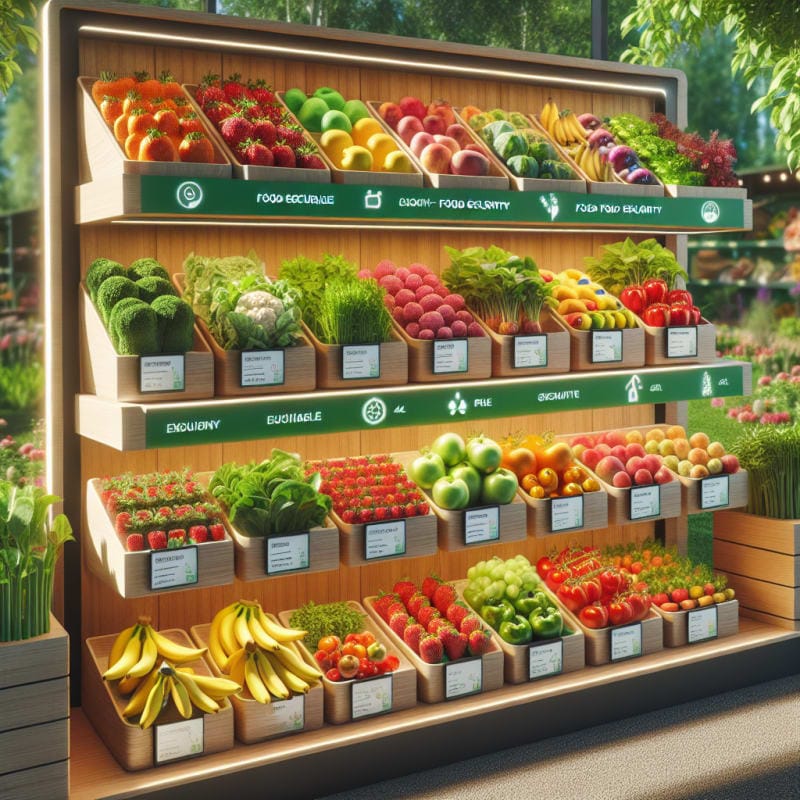
CRISPR Gene-Edited Fruits and Vegetables: Boosting Food Security Amid 2025 Market Growth and Consumer Debates
In 2025, shoppers are seeing a new wave of produce on grocery shelves — CRISPR gene-edited fruits and vegetables. From vitamin A–enriched bananas to longer-lasting strawberries and drought-tolerant salad greens, gene editing is transforming how we grow and eat food. But as this technology expands, it’s also stirring debates about safety, labeling, and ethics.
According to FoodNavigator, the global market for gene-edited crops is projected to reach USD 50.5 billion by 2025, driven by the need for resilient, nutrient-rich food. Yet, consumers still ask: Are CRISPR-edited foods the same as GMOs? Are they safe? And how do they affect food security?
What Are CRISPR Gene-Edited Fruits and Vegetables?
CRISPR (Clustered Regularly Interspaced Short Palindromic Repeats) is a gene-editing tool that allows scientists to make precise changes to DNA — like turning off a gene that causes browning in mushrooms or enhancing vitamin content in bananas. Unlike traditional GMOs, which often insert foreign DNA, CRISPR can modify existing genes within the same species.
According to a review in Auctores Online, CRISPR technology represents a major leap in agricultural biotechnology, offering faster development cycles and fewer off-target effects than earlier genetic modification methods.
Examples of CRISPR-Edited Produce in 2025
| Crop | CRISPR Trait | Benefit |
|---|---|---|
| Bananas | Enhanced Vitamin A | Improves nutrition in regions with vitamin deficiencies |
| Strawberries | Extended shelf life | Reduces food waste and spoilage |
| Salad Greens | Drought resistance | Supports climate-resilient agriculture |
How CRISPR Supports Global Food Security
As climate change disrupts harvests, CRISPR offers a way to develop crops that can thrive under stress. The FoodNavigator report highlights how CRISPR-edited plants can withstand drought, pests, and temperature extremes, helping secure food supplies for growing populations.
In the U.S., the USDA Economic Research Service notes steady adoption of genetically engineered crops, signaling readiness for next-generation gene-edited produce. These innovations could reduce dependency on chemical pesticides and improve yields in challenging environments.
Key Benefits of CRISPR Food Innovation
- Faster crop improvement: Edits can be made within months instead of years.
- Reduced waste: Longer shelf life and spoilage resistance.
- Enhanced nutrition: Biofortified fruits and vegetables with higher vitamin and mineral content.
- Climate resilience: Crops better adapted to drought, heat, and salinity.
Consumer Concerns and Ethical Questions
Despite the benefits, many consumers remain cautious. Organizations like CBAN emphasize transparency and consumer choice, urging clear labeling for gene-edited foods. Some worry about potential allergens, corporate control of seeds, and long-term ecological impacts.
Public perception often depends on whether people view gene editing as a natural extension of breeding or as a form of genetic modification. A Genetic Literacy Project analysis notes that younger consumers are more open to CRISPR foods, especially when they offer tangible benefits like sustainability or nutrition.
CRISPR vs Traditional GMOs
| Feature | Traditional GMO | CRISPR Gene Editing |
|---|---|---|
| DNA Source | Often includes foreign genes | Edits existing genes within the same species |
| Precision | Less targeted | Highly precise edits |
| Regulation | Strict GMO laws | Emerging, country-specific frameworks |
| Public Perception | Often controversial | Mixed but improving |
Regulation and Labeling in 2025
Regulatory agencies worldwide are updating frameworks to address CRISPR foods. In the U.S., the USDA and FDA evaluate gene-edited crops based on the final product rather than the process. Canada and the EU are still debating whether CRISPR foods should be labeled as GMOs.
Transparency remains key. Consumers increasingly demand to know what’s in their food — not just for health reasons, but also for ethical and environmental ones.
How Food Scan Genius Helps Identify Gene-Edited Foods
For consumers who want to know whether their produce is gene-edited, the Food Scan Genius app provides instant ingredient and sourcing insights. By scanning barcodes or product labels, users can see if a fruit or vegetable was developed using CRISPR or other genetic technologies.
“I used Food Scan Genius to check my salad greens — turns out they’re drought-resistant CRISPR varieties! It’s great to have that transparency.” — Maria L., Toronto
As ingredient transparency becomes a top priority, tools like Food Scan Genius empower consumers to make informed choices about their food and its origins.
Market Outlook: CRISPR Produce in 2025 and Beyond
The Genetic Literacy Project predicts that gene-edited crops will dominate agri-tech investments through 2030. With global food demand rising and arable land shrinking, CRISPR could become essential for sustainable farming.
Still, acceptance will depend on trust, labeling, and education. As more consumers learn the difference between CRISPR and older GMOs, adoption is expected to grow — especially for produce with visible benefits like better taste, nutrition, or freshness.
FAQs About CRISPR Gene-Edited Fruits and Vegetables
What makes CRISPR different from traditional GMOs?
CRISPR edits existing genes within a plant’s DNA, while traditional GMOs often insert genes from other species. This makes CRISPR more precise and potentially less controversial.
Are CRISPR-edited fruits and vegetables safe to eat?
According to scientific reviews and regulatory agencies, CRISPR-edited foods undergo safety assessments similar to other crops. No adverse health effects have been reported so far.
Do CRISPR foods need to be labeled?
Labeling rules vary by country. The U.S. focuses on product traits, while Canada and the EU are still debating how to classify CRISPR foods under GMO laws.
What are the main benefits of CRISPR-edited produce?
They can offer improved nutrition, longer shelf life, and better resistance to drought and pests — all supporting global food security.
Can consumers detect CRISPR foods in stores?
Yes, apps like Food Scan Genius help identify whether a product is gene-edited, offering transparency for informed purchasing.
Will CRISPR replace traditional breeding?
Not entirely. CRISPR complements traditional breeding by accelerating improvements that might take decades naturally.
Final Takeaway
CRISPR gene-edited fruits and vegetables are redefining the future of food. They promise better nutrition, sustainability, and resilience — but they also challenge how we think about natural food and transparency. As the market grows, understanding what CRISPR means for your plate will be essential.
Whether you’re curious about the science or simply want to know what’s in your salad, tools like Food Scan Genius make it easier than ever to stay informed and confident about your food choices.