Top Plant-Based Protein Trends for 2025: From Fava Beans to High-Protein Vegan Cottage Cheese
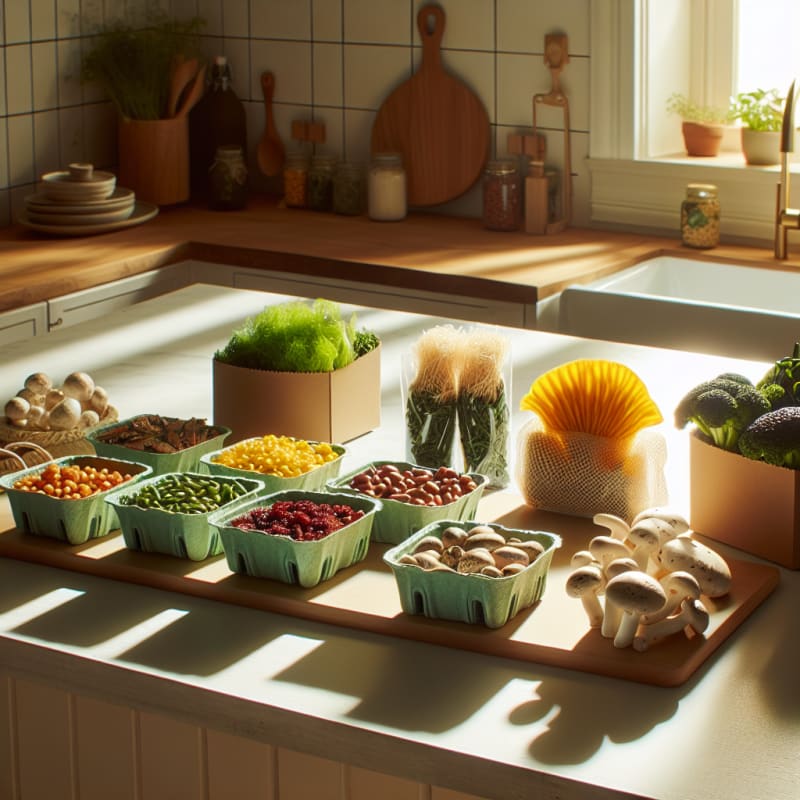
Plant-based protein trends in 2025 are reshaping how vegetarians and flexitarians eat. From fava bean protein to high-protein vegan cottage cheese, the focus has shifted toward natural, whole-food sources that support gut health and sustainability. Consumers are demanding cleaner ingredients, transparent labeling, and diverse plant protein options that go beyond soy and pea.
According to TriplePundit, the plant-based food industry is entering a new era of innovation, emphasizing nutrient density and environmental responsibility. Similarly, Restaurantware highlights that 2025’s biggest vegan trends center around functional proteins, fermentation, and hybrid plant-dairy alternatives.
Why Plant Protein Diversity Matters in 2025
For years, pea protein dominated the vegan market. But in 2025, consumers are looking for more variety. The rise of plant protein diversity means more legumes, seeds, and grains are being used to create balanced, complete protein profiles. This shift supports better digestion, flavor variety, and sustainability.
Key Drivers of the 2025 Plant Protein Boom
- Clean eating: Shoppers want fewer additives and more recognizable ingredients.
- Gut health: Fermented and fiber-rich plant proteins are trending.
- Sustainability: Low-impact crops like fava beans and lentils are gaining traction.
- Innovation: New textures and dairy-free protein foods are emerging.
1. Fava Bean Protein: The Sustainable Star of 2025
Fava beans (also known as broad beans) are becoming the next big thing in vegan protein 2025. They’re rich in amino acids, high in fiber, and naturally gluten-free. Fava beans also fix nitrogen in the soil, making them an eco-friendly crop that supports regenerative agriculture.
| Fava Bean Nutrition (per 100g cooked) | Amount |
|---|---|
| Protein | 8g |
| Fiber | 5g |
| Iron | 1.5mg |
| Folate | 140µg |
Food innovators are using fava beans to create protein powders, meat alternatives, and even vegan cheeses. Their mild flavor and creamy texture make them ideal for blending into smoothies or cooking into soups and stews.
Fava Bean Vegan Protein Benefits
- Complete amino acid profile when paired with grains.
- Low allergen potential compared to soy.
- Supports soil health and biodiversity.
As VegNews notes, fava beans are also appearing in viral vegan recipes like protein-packed gnocchi and creamy dips — perfect for those seeking trending vegetarian proteins 2025.
2. High-Protein Vegan Cottage Cheese: A Whole-Food Revolution
One of the most surprising plant-based protein trends 2025 is the rise of vegan cottage cheese. Made from fermented soy, fava, or almond bases, this dairy-free alternative delivers the texture and nutrition of traditional cottage cheese — without animal products.
High-Protein Vegan Cottage Cheese Recipe
Ingredients:
- 1 cup unsweetened soy milk or fava bean milk
- 2 tbsp lemon juice or apple cider vinegar
- 1 tbsp nutritional yeast
- 1/4 tsp sea salt
Instructions:
- Warm the plant milk slightly and stir in lemon juice. Let curdle for 10 minutes.
- Strain through cheesecloth and mix with nutritional yeast and salt.
- Refrigerate for 2 hours before serving.
This high-protein vegan cottage cheese contains about 12g of protein per serving and can be used in salads, wraps, or breakfast bowls.
3. Chickpea Tuna Salad: The Viral Protein Recipe of 2025
Chickpeas remain a staple of high protein vegan foods. In 2025, the chickpea tuna salad is trending across social media, thanks to its simplicity and nutritional punch.
Quick Chickpea Tuna Salad Recipe
Ingredients:
- 1 can chickpeas, mashed
- 2 tbsp vegan mayo
- 1 tbsp lemon juice
- 1 tbsp chopped dill
- 1 tsp seaweed flakes (for ocean flavor)
Directions: Mix all ingredients and serve on whole-grain bread or lettuce wraps. Each serving contains about 14g of plant protein.
4. Pea Protein Still Dominates — But Evolves
Pea protein remains a cornerstone of vegan protein 2025, but it’s evolving. Manufacturers are blending pea with fava, chickpea, and quinoa proteins to improve flavor and amino acid balance. This new generation of blended proteins offers smoother textures and higher digestibility.
Emerging Pea Protein Innovations
- Fermented pea protein for better gut health.
- Hybrid pea-fava protein powders.
- Pea-based dairy alternatives with improved taste.
According to PETA, many new vegan brands are using pea protein blends to create creamy yogurts and ice creams that rival dairy versions.
5. Whole-Food Protein Sources Gaining Popularity
Consumers are shifting from ultra-processed protein powders to whole-food vegan proteins. Lentils, quinoa, hemp seeds, and tempeh are all seeing renewed interest as part of balanced vegetarian diets.
| Whole-Food Plant Proteins | Protein per 100g |
|---|---|
| Lentils | 9g |
| Quinoa | 4g |
| Tempeh | 19g |
| Hemp seeds | 31g |
These foods offer not just protein but also fiber, minerals, and phytonutrients — supporting holistic health goals like energy, digestion, and muscle recovery.
How Food Scan Genius Helps You Understand Plant Proteins
With so many new ingredients hitting shelves, it’s easy to feel overwhelmed. The Food Scan Genius app helps users instantly identify protein content, allergens, and ingredient sources in packaged foods. Just scan a label and get clear insights — perfect for anyone exploring plant protein diversity.
“I used Food Scan Genius to compare vegan cottage cheese brands — it showed me which had real fava bean protein and which used fillers. Total game changer for my meal prep!” — Laura M., vegetarian athlete
Broader Impact: Why Everyone Should Care About Plant Protein Trends
Even non-vegetarians are embracing these trends. Plant proteins reduce carbon footprints, improve heart health, and support sustainable agriculture. As brands innovate, transparency becomes crucial — consumers want to know what’s in their food and how it’s made.
Challenges Ahead
- Mislabeling and hidden additives in “natural” protein products.
- Need for clearer allergen labeling (especially for soy and nuts).
- Regulatory gaps around new protein isolates.
FAQs About Plant-Based Protein Trends 2025
What are the best plant-based proteins for 2025?
Fava beans, chickpeas, lentils, and tempeh lead the list. Vegan cottage cheese and blended pea-fava proteins are also trending for their high amino acid content.
Why is fava bean protein considered sustainable?
Fava beans enrich soil by fixing nitrogen, require less water, and reduce greenhouse gas emissions — making them one of the most eco-friendly protein crops.
Is vegan cottage cheese healthy?
Yes. It’s rich in protein, low in fat, and often made with fermented bases that support gut health. Look for brands using whole-food ingredients.
How can I make high-protein vegan meals easily?
Combine legumes and grains — like lentil soup with quinoa or chickpea salad with whole-grain bread — for complete protein profiles.
What role does technology play in plant protein innovation?
Apps like Food Scan Genius and AI-driven ingredient analysis help consumers and brands ensure transparency, safety, and nutritional balance.
Where can I find trending vegan recipes for 2025?
Check VegNews for viral recipes and PETA for upcoming vegan food trends.
Final Takeaway
The plant-based protein trends of 2025 prove that vegetarian eating is becoming more diverse, sustainable, and delicious than ever. From fava beans to vegan cottage cheese, innovation is driving a new generation of clean, high-protein foods. Understanding what’s in your food — and how it’s made — empowers smarter, healthier choices.
To explore ingredients and protein content instantly, try Food Scan Genius. It’s your personal food transparency assistant for the plant-powered future.
{
“@context”: “https://schema.org”,
“@type”: “FAQPage”,
“mainEntity”: [
{
“@type”: “Question”,
“name”: “What are the best plant-based proteins for 2025?”,
“acceptedAnswer”: {
“@type”: “Answer”,
“text”: “Fava beans, chickpeas, lentils, and tempeh lead the list. Vegan cottage cheese and blended pea-fava proteins are also trending for their high amino acid content.”
}
},
{
“@type”: “Question”,
“name”: “Why is fava bean protein considered sustainable?”,
“acceptedAnswer”: {
“@type”: “Answer”,
“text”: “Fava beans enrich soil by fixing nitrogen, require less water, and reduce greenhouse gas emissions — making them one of the most eco-friendly protein crops.”
}
},
{
“@type”: “Question”,
“name”: “Is vegan cottage cheese healthy?”,
“acceptedAnswer”: {
“@type”: “Answer”,
“text”: “Yes. It’s rich in protein, low in fat, and often made with fermented bases that support gut health. Look for brands using whole-food ingredients.”
}
},
{
“@type”: “Question”,
“name”: “How can I make high-protein vegan meals easily?”,
“acceptedAnswer”: {
“@type”: “Answer”,
“text”: “Combine legumes and grains — like lentil soup with quinoa or chickpea salad with whole-grain bread — for complete protein profiles.”
}
},
{
“@type”: “Question”,
“name”: “What role does technology play in plant protein innovation?”,
“acceptedAnswer”: {
“@type”: “Answer”,
“text”: “Apps like Food Scan Genius and AI-driven ingredient analysis help consumers and brands ensure transparency, safety, and nutritional balance.”
}
}
]
}