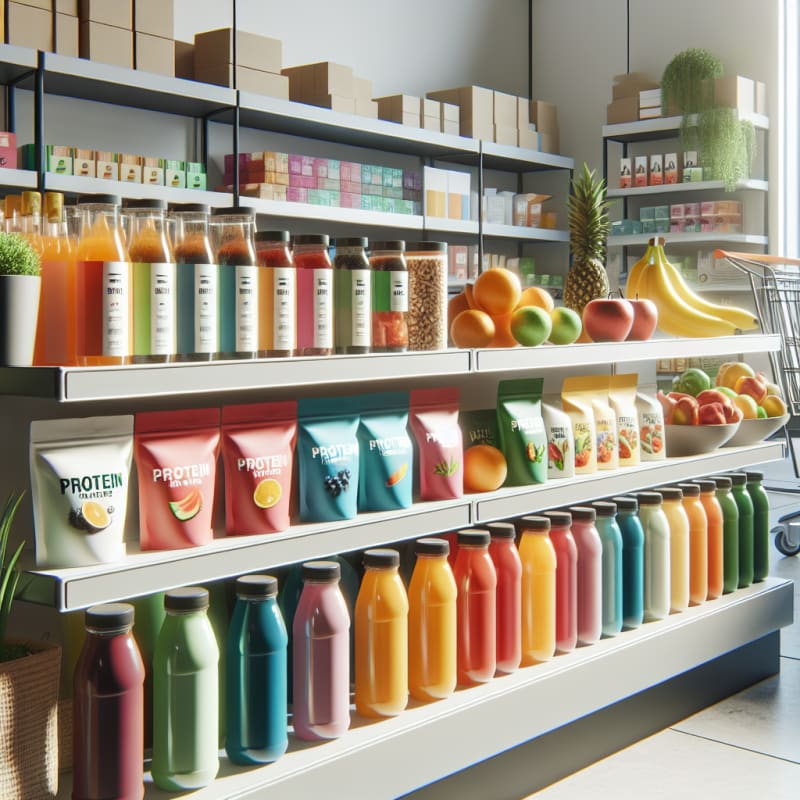
Organic Food Trends 2025: $71B Market Boom and Gen Z Favorites
The organic food industry is entering a new era in 2025, driven by Gen Z’s passion for protein-rich, functional, and sustainable products. According to the Organic Trade Association (OTA), U.S. organic sales reached $71.6 billion in 2024 — a 5.2% increase from the previous year. This growth outpaced conventional food sales, signaling a major shift in consumer priorities toward health, transparency, and environmental responsibility.
In this article, we’ll explore the top organic food trends for 2025, including the rise of high-protein organic categories, functional beverages, and regenerative agriculture — and how Gen Z is shaping the future of the organic movement.
1. The U.S. Organic Market Growth Story
Organic food is no longer a niche — it’s a mainstream movement. The USDA Economic Research Service reports that organic farming acreage and consumer demand continue to expand, with organic products now available in over 80% of U.S. households. The sector’s resilience through inflation and supply chain challenges demonstrates how deeply consumers value clean, traceable ingredients.
| Category | 2024 Growth Rate | Key Drivers |
|---|---|---|
| Organic Meat, Poultry & Seafood | +16.1% | High-protein diets, fitness culture |
| Organic Produce | +4.9% | Freshness, sustainability |
| Organic Snacks | +8.3% | Convenience, clean ingredients |
| Functional Beverages | +9.7% | Wellness, adaptogens, probiotics |
These figures align with Accio Business Insights, which highlights that organic meat and functional categories are leading the charge, fueled by consumers seeking both nutrition and purpose in their purchases.
2. Gen Z: The Force Behind Organic Food Trends 2025
Gen Z consumers — born between 1997 and 2012 — are redefining what “organic” means. They’re not just looking for pesticide-free produce; they want products that align with their values: ethical sourcing, regenerative farming, and high nutritional density.
According to The Packer’s 2025 Fresh Trends report, younger shoppers are the most engaged demographic in the organic produce market. They’re willing to pay more for quality, transparency, and brands that demonstrate environmental responsibility. Google Trends data also show spikes in searches for “organic fruits” (index 98) and “organic snacks” (index 89), confirming strong digital interest among younger audiences.
Why Gen Z Chooses Organic
- Health and performance: Many Gen Z consumers link organic eating with better energy, skin health, and fitness results.
- Planet-first mindset: They value brands that use regenerative agriculture and carbon-neutral packaging.
- Digital transparency: They expect QR codes, traceability apps, and third-party certifications to verify claims.
As one 24-year-old consumer shared through Food Scan Genius feedback: “I scan every snack I buy now. The app helps me see if it’s truly organic and not just ‘greenwashed.’ It’s a game-changer.”
3. Protein-Rich Organic Products Take Center Stage
Protein is the new currency of health — and organic brands are cashing in. The OTA reports that organic meat, poultry, and seafood sales surged 16.1% in 2024, the fastest-growing category in the organic sector. This reflects a broader shift toward high-protein, clean-label foods that support active lifestyles and sustainable sourcing.
Top Protein-Rich Organic Products in 2025
- Organic grass-fed beef and chicken from regenerative farms
- Plant-based organic protein powders with pea and hemp protein
- Organic Greek yogurt and kefir with live probiotics
- Ready-to-eat organic protein snacks (bars, jerky, chickpea crisps)
These products meet the dual demand for performance nutrition and ethical production. Consumers now expect their protein to be both powerful and planet-friendly.
4. Functional Organic Beverages: The New Wellness Frontier
Functional organic beverages — from kombucha to mushroom coffee — are experiencing explosive growth. These drinks combine organic ingredients with functional benefits like gut health, focus, and stress reduction. The Accio report notes that adaptogenic and probiotic beverages are among the fastest-growing subcategories in 2025.
Popular Functional Organic Drinks in 2025
- Organic adaptogen lattes (ashwagandha, maca, reishi)
- Probiotic sparkling waters with prebiotic fiber
- Cold-pressed juices with turmeric and spirulina
- Organic matcha and mushroom blends for focus
Gen Z’s preference for “drinks with benefits” is reshaping beverage aisles. They’re moving away from sugary sodas toward functional hydration that supports mental and physical wellness.
5. Regenerative and Transparent: The Next Organic Frontier
Beyond “organic,” the next big movement is regenerative agriculture — farming that restores soil health, biodiversity, and carbon capture. Many leading organic brands are now pursuing regenerative certifications to go beyond sustainability and actively heal ecosystems.
However, transparency remains a challenge. Mislabeling and vague claims can confuse shoppers. That’s where technology steps in.
How Food Scan Genius Helps Verify Organic Integrity
Food Scan Genius empowers consumers to instantly verify product authenticity by scanning barcodes. The app identifies whether a product is certified organic, checks for allergens, and flags potential greenwashing. It’s especially useful for protein snacks and beverages, where ingredient lists can be complex.
User testimonial: “I use Food Scan Genius every time I shop for protein snacks. It shows me if the product is truly organic and whether it meets regenerative standards. It’s like having a food detective in my pocket.”
6. Organic Snacks 2025: Clean, Convenient, and Conscious
Organic snacks are evolving fast. Consumers want on-the-go nutrition without compromise. Expect to see more:
- Organic protein chips made from lentils and quinoa
- Fruit-and-nut bars with no added sugar
- Regenerative-certified trail mixes
- Organic seaweed crisps and chickpea puffs
According to The Packer, snack innovation is one of the top growth drivers for younger demographics, who value convenience and clean ingredients equally.
7. The Broader Impact: Why Organic Matters for Everyone
Even if you’re not strictly organic, these trends affect all consumers. The organic sector often sets the standard for ingredient transparency, sustainability, and food innovation. As more brands adopt regenerative practices and clean labeling, the entire food system benefits.
However, challenges remain — from inconsistent labeling to limited consumer education. Tools like Food Scan Genius bridge this gap, helping shoppers make informed, confident choices in seconds.
8. Looking Ahead: The Future of Organic Food in 2025 and Beyond
The organic food trends of 2025 show a market that’s dynamic, data-driven, and deeply values-based. Gen Z’s influence will continue to push brands toward authenticity, functionality, and sustainability. Expect to see:
- AI-driven transparency tools integrated into shopping apps
- Expansion of regenerative certification programs
- Growth in organic protein and functional beverage categories
- Greater collaboration between farmers, brands, and tech innovators
Ultimately, the organic movement is evolving from a label into a lifestyle — one built on trust, technology, and tangible results for people and the planet.
FAQ: Organic Food Trends 2025
What are the biggest organic food trends in 2025?
The top trends include protein-rich organic products, functional beverages, regenerative agriculture, and tech-enabled transparency tools like Food Scan Genius.
Why is Gen Z driving organic market growth?
Gen Z values health, sustainability, and authenticity. They’re willing to pay more for organic foods that align with their ethical and environmental beliefs.
Which organic categories are growing fastest?
According to OTA data, organic meat, poultry, and seafood grew 16.1% in 2024, followed by functional beverages and organic snacks.
How can I verify if a food is truly organic?
You can check for USDA Organic certification or use apps like Food Scan Genius to scan barcodes and confirm authenticity instantly.
What is regenerative organic farming?
It’s a holistic approach that restores soil health, increases biodiversity, and captures carbon — going beyond sustainability to actively improve ecosystems.
Are organic snacks healthier?
Generally, yes. Organic snacks avoid artificial additives and GMOs, offering cleaner ingredients and better nutritional profiles.
{
“@context”: “https://schema.org”,
“@type”: “FAQPage”,
“mainEntity”: [
{
“@type”: “Question”,
“name”: “What are the biggest organic food trends in 2025?”,
“acceptedAnswer”: {
“@type”: “Answer”,
“text”: “The top trends include protein-rich organic products, functional beverages, regenerative agriculture, and tech-enabled transparency tools like Food Scan Genius.”
}
},
{
“@type”: “Question”,
“name”: “Why is Gen Z driving organic market growth?”,
“acceptedAnswer”: {
“@type”: “Answer”,
“text”: “Gen Z values health, sustainability, and authenticity. They’re willing to pay more for organic foods that align with their ethical and environmental beliefs.”
}
},
{
“@type”: “Question”,
“name”: “Which organic categories are growing fastest?”,
“acceptedAnswer”: {
“@type”: “Answer”,
“text”: “According to OTA data, organic meat, poultry, and seafood grew 16.1% in 2024, followed by functional beverages and organic snacks.”
}
},
{
“@type”: “Question”,
“name”: “How can I verify if a food is truly organic?”,
“acceptedAnswer”: {
“@type”: “Answer”,
“text”: “You can check for USDA Organic certification or use apps like Food Scan Genius to scan barcodes and confirm authenticity instantly.”
}
},
{
“@type”: “Question”,
“name”: “What is regenerative organic farming?”,
“acceptedAnswer”: {
“@type”: “Answer”,
“text”: “It’s a holistic approach that restores soil health, increases biodiversity, and captures carbon — going beyond sustainability to actively improve ecosystems.”
}
},
{
“@type”: “Question”,
“name”: “Are organic snacks healthier?”,
“acceptedAnswer”: {
“@type”: “Answer”,
“text”: “Generally, yes. Organic snacks avoid artificial additives and GMOs, offering cleaner ingredients and better nutritional profiles.”
}
}
]
}
Takeaway: The organic food trends of 2025 reveal a powerful shift toward health, transparency, and sustainability. As Gen Z drives demand for protein-rich and functional organic products, tools like Food Scan Genius make it easier than ever to shop smarter and support a cleaner, greener food future.