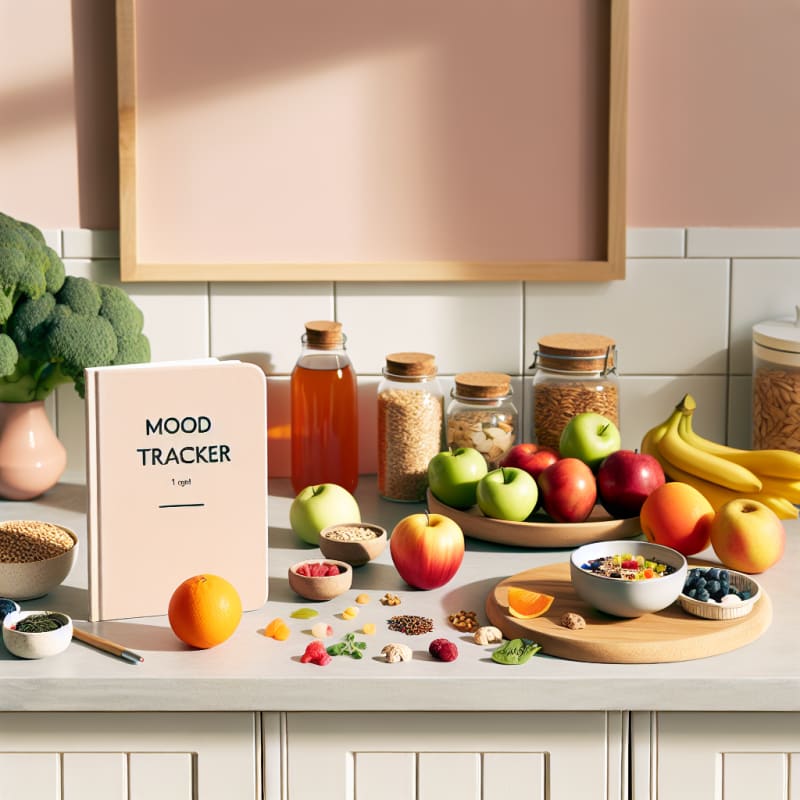
Sugar Sensitivity and Mental Health: How Blood Sugar Spikes Fuel Anxiety and Depression
Can sugar really affect your mood? For millions of people, the answer appears to be yes. Emerging research shows that sugar sensitivity—the way your body reacts to rapid changes in blood glucose—may play a key role in anxiety, depression, and emotional instability. As consumers become more aware of metabolic health and the mental effects of diet, understanding this connection has never been more important.
What Is Sugar Sensitivity?
Sugar sensitivity refers to an exaggerated physical or emotional response to carbohydrates and sweet foods. When someone is sugar-sensitive, their blood glucose levels rise and fall sharply after eating sugar, leading to symptoms like fatigue, irritability, and mood swings. Over time, these fluctuations can affect brain chemistry and emotional regulation.
Key Signs of Sugar Sensitivity
- Feeling anxious or jittery after eating sweets
- Energy crashes or “brain fog” a few hours after meals
- Cravings for sugar or refined carbs during stress
- Difficulty focusing or staying calm
These symptoms often overlap with mild blood sugar dysregulation, a condition linked to both prediabetes and mood disorders.
The Science: How Blood Sugar Spikes Affect Mental Health
Recent studies have revealed a strong connection between blood sugar spikes and mental health disturbances. According to a 2025 Stanford Medicine report (source), carbohydrate-induced glucose surges can trigger stress hormones like cortisol, which influence anxiety levels and emotional stability.
Similarly, research from the University of Michigan School of Public Health (source) found that individuals with unstable blood sugar patterns had higher rates of depressive symptoms. The study emphasized that maintaining glycemic balance could improve mood and resilience.
Biological Mechanisms Behind the Mood Connection
| Mechanism | Effect on Mental Health |
|---|---|
| Rapid glucose rise | Triggers insulin surge and cortisol release, increasing anxiety |
| Glucose crash | Reduces brain energy supply, causing fatigue and low mood |
| Inflammation | Chronic high sugar intake promotes neuroinflammation linked to depression |
| Neurotransmitter imbalance | Alters serotonin and dopamine activity, affecting motivation and calmness |
These findings are supported by peer-reviewed studies such as Nature Scientific Reports (2017), which identified correlations between high glycemic diets and depressive symptoms, and NIH PubMed Central (2023), showing that glucose variability can impact brain inflammation and stress response. A 2024 review in Frontiers in Nutrition further confirmed that dietary sugar intake influences emotional regulation through metabolic and gut-brain pathways.
Does Sugar Sensitivity Cause Anxiety and Depression?
While sugar itself doesn’t directly “cause” mental illness, chronic blood sugar instability can amplify existing vulnerabilities. People with sugar sensitivity may experience more pronounced mood swings or anxiety after consuming high-glycemic foods. Over time, repeated glucose spikes can lead to systemic inflammation and hormonal imbalances that contribute to depressive symptoms.
Q&A: How Does Sugar Sensitivity Impact Anxiety?
Q: Why do I feel anxious after eating sweets?
A: Sugar triggers a rapid rise in blood glucose, followed by a crash. This rollercoaster effect activates stress hormones and can make you feel jittery or uneasy.
Q: Can reducing sugar help with depression?
A: Yes. Stabilizing blood sugar through balanced meals can support neurotransmitter function and reduce mood volatility.
Identifying Sugar Sensitivity Through Blood Sugar Responses
Understanding your personal blood sugar pattern is the first step to managing sugar sensitivity. You can use continuous glucose monitors (CGMs) or meal tracking apps to see how your body reacts to different foods.
Food Scan Genius: A Smart Way to Detect Hidden Sugars
The Food Scan Genius app helps users instantly identify hidden sugars and high-glycemic ingredients in packaged foods. By scanning barcodes, the app reveals how certain products may affect your blood sugar and mood. This is especially useful for people with sugar sensitivity who want to avoid unexpected spikes.
“I started using Food Scan Genius after noticing my mood dips after lunch. It’s amazing how many ‘healthy’ snacks hide added sugars. Now I feel calmer and more focused.” — Maria L., Sugar-Sensitive User
Low-Sugar Strategies for Better Mental Health
Managing sugar sensitivity doesn’t mean giving up sweetness entirely—it means choosing smarter sources and balancing your meals.
Practical Tips
- Pair carbs with protein and fiber to slow glucose absorption.
- Choose low-glycemic fruits like berries instead of processed sweets.
- Stay hydrated—dehydration can worsen fatigue and mood swings.
- Practice mindful eating to notice emotional triggers for sugar cravings.
Sample Low-Sugar Meal Plan
| Meal | Example | Glycemic Benefit |
|---|---|---|
| Breakfast | Greek yogurt with chia seeds and blueberries | Steady energy release |
| Lunch | Grilled chicken salad with avocado and quinoa | Balanced glucose response |
| Snack | Apple slices with almond butter | Protein and fiber slow sugar absorption |
| Dinner | Baked salmon, steamed broccoli, and brown rice | Supports stable evening blood sugar |
Broader Context: Why This Matters for Everyone
Even if you don’t have diabetes or diagnosed sugar sensitivity, understanding how sugar affects mood is vital. Hidden sugars in everyday foods—like sauces, cereals, and drinks—can influence emotional well-being and energy levels. Mislabeling and vague ingredient lists often make it hard for consumers to make informed choices.
Tools like Food Scan Genius empower users to see beyond marketing claims, promoting ingredient transparency and mental wellness through smarter nutrition.
FAQ: Sugar Sensitivity and Mental Health
1. What is the link between blood sugar spikes and depression?
Frequent spikes and crashes in blood glucose can disrupt brain energy balance and neurotransmitter activity, increasing depression risk.
2. How can I tell if I’m sugar-sensitive?
Notice how you feel after eating sweets—if you experience anxiety, fatigue, or irritability, you may have sugar sensitivity.
3. Are natural sugars safer for mental health?
Natural sugars like those in fruit are less harmful when paired with fiber, but excessive intake can still affect mood stability.
4. What foods help stabilize blood sugar?
Whole grains, lean proteins, nuts, and vegetables help maintain steady glucose levels and support emotional balance.
5. Can technology help monitor sugar sensitivity?
Yes. Apps like Food Scan Genius and continuous glucose monitors provide personalized insights into how your body reacts to different foods.
Takeaway: Understanding Sugar Sensitivity for Emotional Wellness
Recognizing how sugar affects your mental health is a powerful step toward emotional balance. By learning your body’s unique glucose response, choosing low-glycemic meals, and using tools like Food Scan Genius to detect hidden sugars, you can reduce anxiety and depression risks while improving overall well-being.
In short: Stable blood sugar means a more stable mood. The science is clear—your mental health and metabolic health are deeply connected.