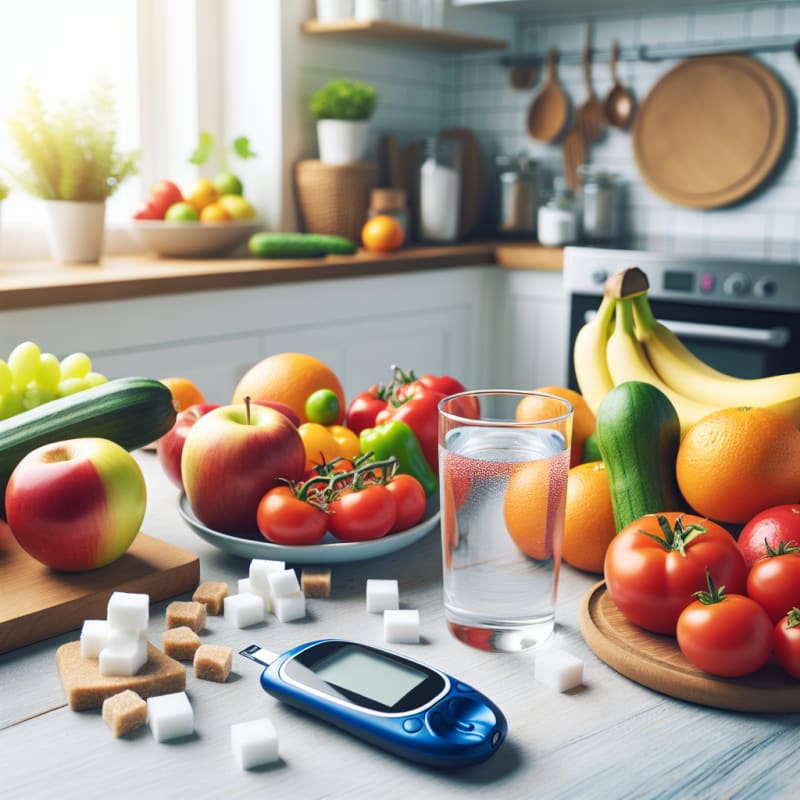
Sugar Sensitivity and Mental Health: Why Blood Sugar Spikes Cause Anxiety and Depression
Feeling anxious or down after eating sweets? You’re not imagining it. New research shows that sugar sensitivity—how your body reacts to rapid blood sugar changes—can directly influence your mood, energy, and emotional balance. As mental health awareness grows and prediabetes rates climb, understanding the link between sugar sensitivity and mental health is more important than ever.
What Is Sugar Sensitivity?
Sugar sensitivity refers to how strongly your body and brain respond to changes in blood glucose levels after consuming carbohydrates or sweet foods. People with high sensitivity experience sharper spikes and crashes, which can trigger symptoms like irritability, fatigue, and mood swings.
| Common Signs of Sugar Sensitivity | Possible Mental Effects |
|---|---|
| Energy crashes after meals | Anxiety or restlessness |
| Cravings for sweets or carbs | Low mood or sadness |
| Difficulty concentrating | Brain fog |
| Sleep disturbances | Irritability or emotional instability |
The Science Behind Sugar Sensitivity and Mental Health
Recent studies have uncovered how blood sugar fluctuations can alter brain chemistry and emotional regulation. According to Frontiers in Nutrition (2024), unstable glucose levels affect neurotransmitters like serotonin and dopamine—key players in mood and motivation. When sugar levels spike, the brain experiences a temporary “high,” followed by a rapid drop that can mimic symptoms of anxiety and depression.
Research published in PubMed Central (2023) found that diets high in refined sugar are linked to increased inflammation and oxidative stress, both of which are associated with higher rates of depressive disorders. Another study from Nature Scientific Reports demonstrated that people with elevated blood sugar variability were more likely to report mood instability and fatigue.
New Findings from Stanford Medicine (2025)
In a Stanford Medicine news release, researchers confirmed that frequent “carb spikes” can activate stress-related hormonal pathways, including cortisol and adrenaline. These hormones, when chronically elevated, can heighten feelings of anxiety and contribute to long-term emotional dysregulation.
Dr. Maya Singh, lead author of the Stanford study, explained that “the body’s stress response to sugar spikes is similar to what happens during panic or high anxiety episodes.” This discovery helps explain why sugar-sensitive individuals often experience emotional turbulence after consuming sweets or processed carbs.
How Blood Sugar Spikes Affect Mood
When you eat sugary foods, your blood glucose rises quickly. The pancreas releases insulin to bring levels back down. If too much insulin is released, blood sugar can drop below normal—causing symptoms like shakiness, irritability, and anxious feelings. This rollercoaster effect can lead to chronic mood instability over time.
Mechanisms Connecting Sugar and Mood
- Neurotransmitter disruption: Glucose fluctuations affect serotonin and dopamine production.
- Inflammation: High sugar intake increases inflammatory markers linked to depression.
- Hormonal imbalance: Cortisol surges during sugar crashes mimic stress responses.
- Gut-brain axis: Excess sugar alters gut microbiota, influencing mood and cognition.
Does Sugar Cause Anxiety and Depression?
While sugar itself doesn’t directly “cause” mental illness, it can exacerbate symptoms in people who are prone to anxiety or depression. Studies suggest that individuals with pre-existing mood disorders may be more sensitive to blood sugar fluctuations, making dietary management crucial for emotional stability.
According to NIH research, reducing refined sugar intake and maintaining stable glucose levels can improve overall mood and reduce irritability. This aligns with clinical findings showing that low-glycemic diets help regulate emotional responses and energy levels throughout the day.
Foods That Trigger Sugar Sensitivity
Not all sugars are equal. Highly processed carbohydrates and sweetened beverages can cause rapid spikes, while natural sources like fruits and whole grains release glucose more slowly.
| Foods to Limit | Better Alternatives |
|---|---|
| Soda, candy, pastries | Fresh fruit, dark chocolate (70%+) |
| White bread, pasta | Whole-grain or legume-based pasta |
| Sweetened cereals | Oats with nuts and seeds |
| Energy drinks | Green tea or water with lemon |
Managing Sugar Sensitivity for Better Mental Health
Stabilizing blood sugar can help reduce anxiety and depression symptoms. Here are actionable steps backed by science:
- Eat balanced meals: Include protein and healthy fats to slow glucose absorption.
- Choose low-glycemic foods: Beans, lentils, and non-starchy vegetables prevent spikes.
- Stay hydrated: Dehydration can worsen blood sugar fluctuations.
- Get regular sleep: Poor sleep affects insulin sensitivity and mood regulation.
- Track your responses: Use apps like Food Scan Genius to identify hidden sugars and ingredients that trigger mood changes.
How Food Scan Genius Helps
The Food Scan Genius app empowers users to scan packaged foods and instantly see how ingredients may affect blood sugar and mood. It’s especially useful for those managing sugar sensitivity or emotional eating patterns. As one user shared:
“I used Food Scan Genius to find hidden sugars in my favorite snacks. Once I switched to lower-glycemic options, my mood swings and afternoon crashes almost disappeared.”
With growing demand for ingredient transparency, Food Scan Genius helps consumers make informed choices and maintain emotional balance through smarter eating.
Broader Implications: Sugar, Society, and Mental Health
Beyond individual well-being, sugar sensitivity has public health implications. Rising rates of prediabetes and metabolic syndrome are closely tied to mental health disorders. Mislabeling and hidden sugars in packaged foods make it harder for consumers to manage their emotional and physical health effectively.
Advocates are calling for clearer labeling standards and education on how dietary choices affect mental well-being. Understanding sugar sensitivity isn’t just about avoiding sweets—it’s about recognizing how nutrition shapes emotional resilience and long-term brain health.
FAQs About Sugar Sensitivity and Mental Health
1. What is sugar sensitivity and how does it affect mental health?
Sugar sensitivity means your body reacts strongly to blood sugar changes. These fluctuations can influence mood-regulating hormones, leading to anxiety or depressive symptoms.
2. Can sugar cause anxiety and depression?
Excess sugar doesn’t directly cause mental illness but can worsen existing anxiety or depression by disrupting neurotransmitters and increasing stress hormones.
3. What foods should I avoid if I’m sugar sensitive?
Limit refined carbs, sugary drinks, and processed snacks. Choose whole grains, lean proteins, and fiber-rich foods to stabilize blood sugar.
4. How can I manage sugar sensitivity naturally?
Eat balanced meals, exercise regularly, get enough sleep, and monitor your food choices using tools like Food Scan Genius.
5. Are there scientific studies linking sugar intake to depression?
Yes. Studies from Frontiers in Nutrition and NIH confirm that high sugar intake correlates with increased depression risk due to inflammation and neurotransmitter disruption.
6. Why is this topic trending now?
With rising mental health awareness and prediabetes rates, people are seeking ways to manage mood through diet. New research highlights sugar’s role in emotional regulation.
{
“@context”: “https://schema.org”,
“@type”: “FAQPage”,
“mainEntity”: [
{
“@type”: “Question”,
“name”: “What is sugar sensitivity and how does it affect mental health?”,
“acceptedAnswer”: {
“@type”: “Answer”,
“text”: “Sugar sensitivity means your body reacts strongly to blood sugar changes. These fluctuations can influence mood-regulating hormones, leading to anxiety or depressive symptoms.”
}
},
{
“@type”: “Question”,
“name”: “Can sugar cause anxiety and depression?”,
“acceptedAnswer”: {
“@type”: “Answer”,
“text”: “Excess sugar doesn’t directly cause mental illness but can worsen existing anxiety or depression by disrupting neurotransmitters and increasing stress hormones.”
}
},
{
“@type”: “Question”,
“name”: “What foods should I avoid if I’m sugar sensitive?”,
“acceptedAnswer”: {
“@type”: “Answer”,
“text”: “Limit refined carbs, sugary drinks, and processed snacks. Choose whole grains, lean proteins, and fiber-rich foods to stabilize blood sugar.”
}
},
{
“@type”: “Question”,
“name”: “How can I manage sugar sensitivity naturally?”,
“acceptedAnswer”: {
“@type”: “Answer”,
“text”: “Eat balanced meals, exercise regularly, get enough sleep, and monitor your food choices using tools like Food Scan Genius.”
}
},
{
“@type”: “Question”,
“name”: “Are there scientific studies linking sugar intake to depression?”,
“acceptedAnswer”: {
“@type”: “Answer”,
“text”: “Yes. Studies from Frontiers in Nutrition and NIH confirm that high sugar intake correlates with increased depression risk due to inflammation and neurotransmitter disruption.”
}
},
{
“@type”: “Question”,
“name”: “Why is this topic trending now?”,
“acceptedAnswer”: {
“@type”: “Answer”,
“text”: “With rising mental health awareness and prediabetes rates, people are seeking ways to manage mood through diet. New research highlights sugar’s role in emotional regulation.”
}
}
]
}
Final Takeaway
Understanding sugar sensitivity and mental health can transform how we approach emotional well-being. Blood sugar spikes don’t just affect physical energy—they influence our thoughts, feelings, and resilience. By choosing low-glycemic foods, staying mindful of hidden sugars, and using smart tools like Food Scan Genius, you can take control of your mood and mental clarity—one meal at a time.