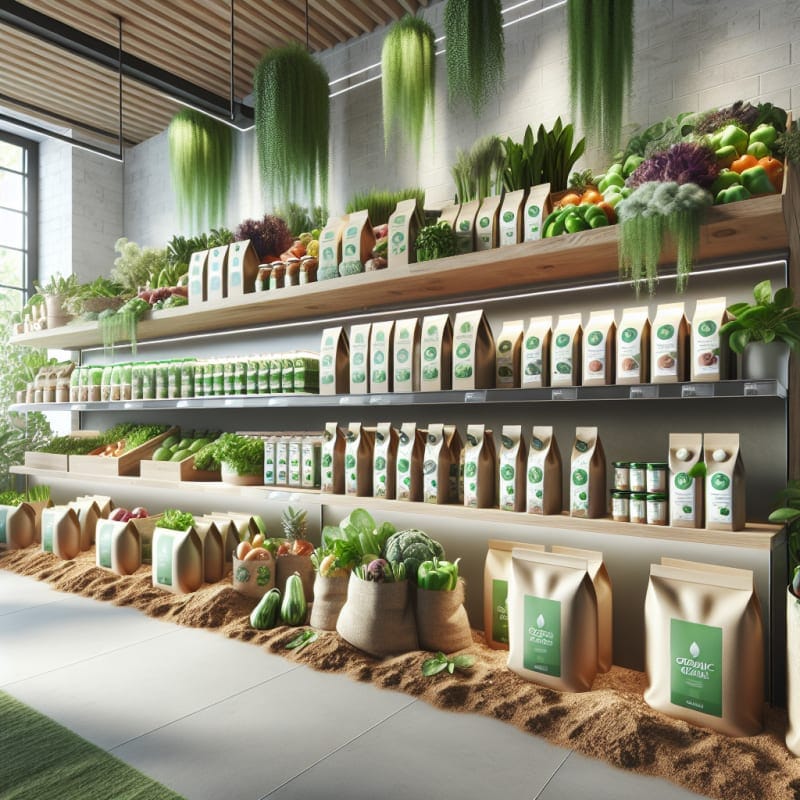
Regenerative Organic vs USDA Organic: Which Label Should Shoppers Trust in 2025
Organic food shoppers today face a growing number of labels promising sustainability, transparency, and better farming practices. Among these, the term “regenerative organic” has become a major talking point. But what does it really mean, and how does it differ from the familiar USDA Organic label?
As organic sales continue to climb worldwide, consumers are asking deeper questions about soil health, carbon impact, and ethical sourcing. According to Accio’s 2025 Organic Food Trends report, social media conversations around “trustworthy organic” have surged by more than 60% since 2023. Meanwhile, Innova Market Insights notes that regenerative farming and traceable supply chains are now top purchase drivers for premium organic shoppers.
Understanding the Labels: USDA Organic vs Regenerative Organic
The USDA Organic certification focuses primarily on avoiding synthetic pesticides, fertilizers, and GMOs. It ensures that products meet strict production and handling standards set by the U.S. Department of Agriculture. However, as sustainability expectations evolve, many consumers and farmers argue that USDA Organic doesn’t go far enough in addressing climate resilience and biodiversity.
Enter the Regenerative Organic Certification (ROC) — a newer, more holistic standard that builds on USDA Organic but adds criteria for soil health, animal welfare, and social fairness. It’s designed to measure not just what farmers avoid but what they actively do to restore ecosystems.
| Criteria | USDA Organic | Regenerative Organic |
|---|---|---|
| Focus | Prohibits synthetic inputs and GMOs | Restores soil, promotes biodiversity, and supports fair labor |
| Soil Health | Maintains organic matter levels | Requires regenerative practices like cover cropping and composting |
| Animal Welfare | Basic humane treatment | Higher welfare standards, pasture access, and holistic management |
| Social Fairness | Not required | Mandatory fair labor and community support criteria |
| Certification Authority | USDA National Organic Program | Regenerative Organic Alliance |
Why Regenerative Organic Is Trending in 2025
Global demand for organic food continues to rise. The FiBL World of Organic Agriculture 2025 report shows that organic farmland surpassed 80 million hectares worldwide, with regenerative practices gaining traction as a way to combat soil degradation and climate change.
In the U.S., the USDA ERS Organic Situation Report 2025 highlights that consumers increasingly associate “regenerative” with “trustworthy” and “climate-smart.” This shift reflects a broader movement toward transparency and traceability in the organic supply chain.
Social Media and Consumer Trust
Platforms like Instagram and TikTok have amplified the conversation around label trust. Influencers and sustainability advocates frequently compare regenerative organic vs USDA organic products, showcasing farms that use carbon-sequestering techniques and biodiversity-friendly methods. According to Accio’s analysis, posts tagged #RegenerativeOrganic reached over 12 million views in early 2025, signaling a growing awareness among younger consumers.
Is Regenerative Organic Worth the Price?
One of the biggest questions shoppers ask is whether the higher price of regenerative organic products is justified. The answer depends on what you value — environmental impact, nutritional quality, or ethical sourcing.
- Environmental Benefits: Regenerative farms actively rebuild soil carbon, improving long-term fertility and water retention.
- Health and Nutrition: Health researchers cited in the FiBL report note that regenerative crops often show higher micronutrient density due to richer soil biology.
- Ethical Impact: Regenerative certification includes fair labor standards and animal welfare, ensuring a more holistic approach to sustainability.
When viewed through these lenses, many consumers see the premium as an investment in planetary health and food integrity.
How Regenerative Practices Affect Organic Food Quality
Regenerative agriculture emphasizes soil as a living system. Practices such as crop rotation, cover cropping, and composting enhance microbial diversity, which can improve flavor and nutritional content. According to the USDA ERS, soil health directly influences nutrient uptake and resilience against pests — key factors that sustain organic quality over time.
Key Regenerative Techniques
- Reduced tillage to maintain soil structure
- Integrating livestock for nutrient cycling
- Planting perennial crops to prevent erosion
- Using compost and biochar to boost carbon storage
These methods not only improve soil but also reduce greenhouse gas emissions, making regenerative organic farming a cornerstone of climate-smart food systems.
Best Regenerative Organic Brands to Watch in 2025
Several brands now carry the Regenerative Organic Certified label, offering consumers verified transparency. While the market is still emerging, early leaders include companies in dairy, grains, and snacks that emphasize traceability and farmer partnerships.
According to Innova Market Insights, regenerative organic products are expected to grow by 30% annually through 2027, driven by consumer demand for ethical and climate-positive foods.
Transparency and Technology: How Food Scan Genius Helps
For shoppers trying to verify ingredients or certifications, technology offers new solutions. The Food Scan Genius app (scangeni.us) allows users to scan product labels and instantly check for regenerative organic or USDA organic certification details, allergen alerts, and sustainability scores.
User testimonial: “I used Food Scan Genius at my local grocery store, and it helped me spot which products were truly regenerative organic. It’s like having a sustainability expert in your pocket!”
As consumers demand more transparency, tools like Food Scan Genius make it easier to align purchases with personal values and health needs.
Regulatory and Market Outlook
The USDA and private certifiers are exploring ways to harmonize standards between organic and regenerative organic systems. The ERS report suggests that future labeling may include digital traceability codes, allowing shoppers to verify farm-level practices directly.
Meanwhile, the FiBL 2025 report emphasizes that regenerative certification could become the new global benchmark for sustainable agriculture, bridging the gap between organic integrity and climate action.
FAQs: Regenerative Organic vs USDA Organic
What is the main difference between regenerative organic and USDA organic?
USDA Organic focuses on avoiding synthetic chemicals and GMOs, while Regenerative Organic adds requirements for soil health, animal welfare, and social fairness, aiming to restore ecosystems rather than just sustain them.
Is regenerative organic certification recognized by the USDA?
No, it’s managed by the Regenerative Organic Alliance, but it builds upon USDA Organic standards as a foundation.
Does regenerative organic farming improve food nutrition?
Yes, studies cited in the FiBL 2025 report show that regenerative soils often produce crops with higher micronutrient levels due to improved microbial activity.
Are regenerative organic products more expensive?
Typically yes, but the price reflects the added environmental and ethical benefits, including carbon sequestration and fair labor practices.
How can I verify regenerative organic products?
Look for the ROC label on packaging or use apps like Food Scan Genius to scan and confirm certification details instantly.
Will regenerative organic replace USDA organic?
Not replace, but complement. Many experts predict that regenerative organic will become a premium tier within the broader organic market.
{
“@context”: “https://schema.org”,
“@type”: “FAQPage”,
“mainEntity”: [
{
“@type”: “Question”,
“name”: “What is the main difference between regenerative organic and USDA organic?”,
“acceptedAnswer”: {
“@type”: “Answer”,
“text”: “USDA Organic focuses on avoiding synthetic chemicals and GMOs, while Regenerative Organic adds requirements for soil health, animal welfare, and social fairness, aiming to restore ecosystems rather than just sustain them.”
}
},
{
“@type”: “Question”,
“name”: “Is regenerative organic certification recognized by the USDA?”,
“acceptedAnswer”: {
“@type”: “Answer”,
“text”: “No, it’s managed by the Regenerative Organic Alliance, but it builds upon USDA Organic standards as a foundation.”
}
},
{
“@type”: “Question”,
“name”: “Does regenerative organic farming improve food nutrition?”,
“acceptedAnswer”: {
“@type”: “Answer”,
“text”: “Yes, studies cited in the FiBL 2025 report show that regenerative soils often produce crops with higher micronutrient levels due to improved microbial activity.”
}
},
{
“@type”: “Question”,
“name”: “Are regenerative organic products more expensive?”,
“acceptedAnswer”: {
“@type”: “Answer”,
“text”: “Typically yes, but the price reflects the added environmental and ethical benefits, including carbon sequestration and fair labor practices.”
}
},
{
“@type”: “Question”,
“name”: “How can I verify regenerative organic products?”,
“acceptedAnswer”: {
“@type”: “Answer”,
“text”: “Look for the ROC label on packaging or use apps like Food Scan Genius to scan and confirm certification details instantly.”
}
},
{
“@type”: “Question”,
“name”: “Will regenerative organic replace USDA organic?”,
“acceptedAnswer”: {
“@type”: “Answer”,
“text”: “Not replace, but complement. Many experts predict that regenerative organic will become a premium tier within the broader organic market.”
}
}
]
}
Final Takeaway
As the organic market matures, shoppers are looking beyond “organic” to understand how their food choices impact the planet. The rise of regenerative organic certification signals a new era of transparency and accountability — one that rewards farmers for restoring ecosystems and empowers consumers to make truly sustainable decisions.
Whether you’re buying produce, dairy, or packaged snacks, checking for regenerative organic labels — or scanning with Food Scan Genius — ensures you’re supporting practices that heal the earth and build trust in the food system.
In 2025, regenerative organic isn’t just a label — it’s a movement toward a healthier planet and more honest food.