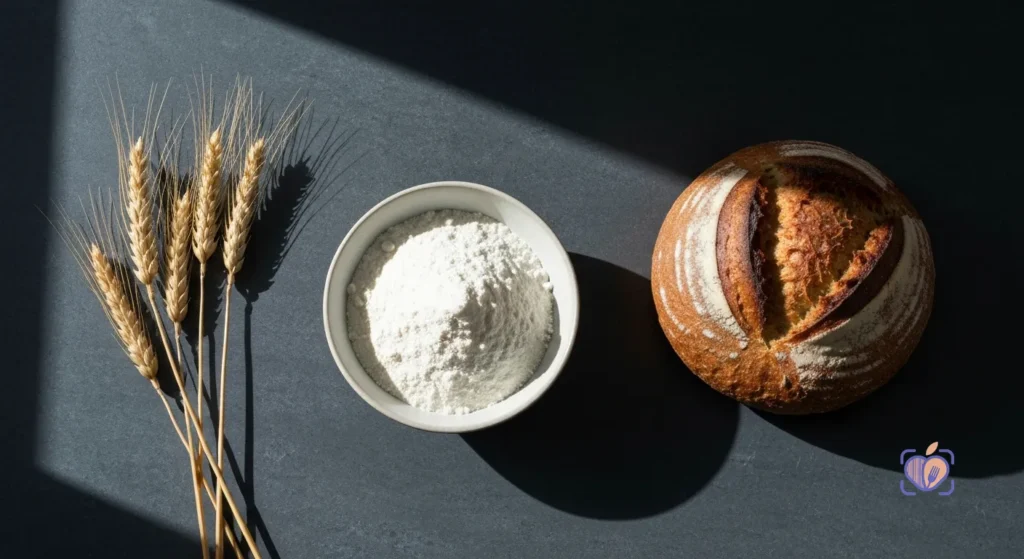
Traditional wheat flour is not gluten-free. The term “wheat flour gluten free” refers to one of two things: either innovative products made from wheat starch where the gluten protein has been removed, or, more commonly, a blend of gluten-free flours designed to mimic the texture and performance of traditional wheat flour in baking.
The Illusion on the Shelf: What Does “Gluten-Free Wheat” Mean?
It feels like a riddle, doesn’t it? Like being sold a glass of dry water. You see “wheat” and your instincts, honed by necessity, scream “gluten.” You’re not wrong to be cautious. The desire for the familiar taste and texture of wheat is powerful, but the fear of a reaction is stronger. Let’s cut through the marketing noise.
There are two realities behind this label. You need to know which one you’re dealing with.
Scenario 1: The Alchemist’s Trick – Gluten-Removed Wheat Starch
Some manufacturers have developed a process to wash and separate the gluten proteins from wheat starch. The resulting product is technically wheat-based but tests below the 20 parts per million (ppm) threshold to be labeled “gluten-free” in many countries.
However, this is a contentious issue. For those with a severe gluten sensitivity or Celiac Disease, the risk of a trace amount of gluten triggering a reaction is a serious concern. The trust required here is immense, as the very source is the thing you’ve been taught to avoid. For many, this is a line they won’t cross, and for good reason. The need for absolute certainty is paramount, a fact recognized by leading patient advocacy groups like the Celiac Disease Foundation.
Scenario 2: The Master Impersonator – Gluten-Free Blends
This is the far more common and straightforward answer. Product developers, understanding the desire for a simple 1:1 replacement for wheat flour, create sophisticated blends. They combine flours from rice, tapioca, sorghum, potato, or almonds with gums like xanthan to replicate the binding and structural properties that gluten provides.
These products are not wheat flour. They are in place of wheat flour. The packaging may say “Tastes like wheat flour!” or “Bakes like wheat flour!” leading to the confusing search query that brought you here. They are an imitation—often a very good one—but an imitation nonetheless.
Why Your Health Depends on More Than a Label
Choosing the right product isn’t just about reading the front of the box. It’s about deciphering a complex code of ingredients, warnings, and certifications on the back. The food industry isn’t always trying to deceive you, but it isn’t always making it easy, either.
Hidden gluten lurks in places you’d never expect: soy sauce, soup bases, salad dressings, and even medications. The phrase “modified food starch” can mean it’s derived from corn, or it can mean it’s from wheat. How can you be sure? This constant vigilance is exhausting. As experts will tell you, the question of who gluten-free is really for is complex, but for those who need it, there is no room for error.
The real challenge is that you’re not just looking for an ingredient; you’re looking for certainty. You’re looking for freedom from the nagging doubt that accompanies every meal. Technology is finally catching up to this need, offering a way to scan a barcode and understand your food in an instant.
Introducing Clarity: Your Personal Food Detective
This is where we come in. Food Scan Genius was built for this uncertainty. It was designed to be the definitive, final word when you’re standing in the grocery aisle, paralyzed by choice and ambiguity.
Our technology doesn’t just scan for the word “gluten.” It provides the clarity you deserve by parsing over 200+ specific edge-case hidden labels that other apps miss. We’re talking about the difference between maltodextrin from corn versus wheat, the hidden wheat in certain types of brewer’s yeast, or the potential for cross-contamination in oats. We see what the human eye—and our competitors—so often overlook.
You’re not just looking for information. You’re looking for peace of mind. Stop guessing. Start knowing.
Download Food Scan Genius for free and turn your phone into the most powerful tool in your kitchen.
For Android: Download on Google Play
For iOS: Download on the App Store
Your Questions, Answered
Is gluten-free wheat starch safe for people with Celiac Disease?
This is a topic of significant debate. While these products must test below 20 ppm of gluten to be labeled gluten-free in the U.S., many individuals with Celiac Disease and severe sensitivities choose to avoid them entirely due to the risk of an immune reaction from remaining fragments. We recommend consulting with your doctor or registered dietitian.
How can I identify gluten-free wheat flour in stores?
Look for prominent “Certified Gluten-Free” logos from organizations like the GFCO. For products containing “wheat starch,” the label must legally declare it contains wheat. A truly gluten-free blend designed to replace wheat flour will list its alternative ingredients, such as rice flour, tapioca starch, or almond flour, and will not list wheat.
What is the best substitute for regular wheat flour?
For most baking, a high-quality “all-purpose” or “1-to-1” gluten-free flour blend is the best substitute. These blends are pre-mixed with the right ratios of different flours and a binder like xanthan gum to mimic the properties of wheat flour, removing the guesswork from your recipes.
Every scan is answered by NutriGraphAPI, our own catalogue of over 5 million barcode-indexed packaged products with allergen, additive and dietary data. Building a food or grocery app yourself? The same data is available as an API.