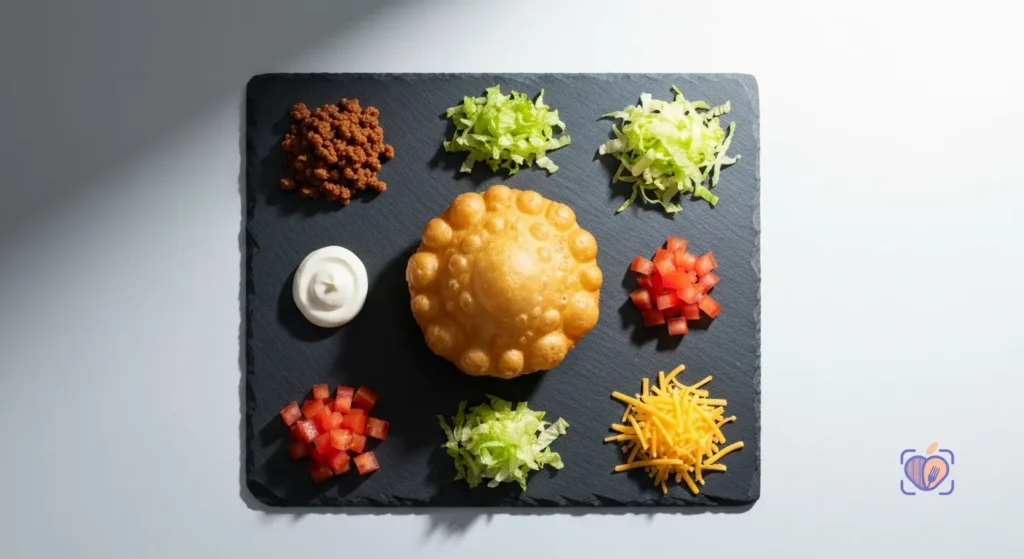
The Moment of Doubt at the Counter
It’s a familiar scene. You’re standing there, the fluorescent lights buzzing overhead, a menu of possibilities staring back at you. But for you, it’s not a menu of possibilities; it’s a minefield of questions. Your child has a severe dairy allergy. You’re managing Celiac disease. You’re navigating a soy-free diet. The person behind the counter says, “What can I get for you?” and what you hear is, “Are you willing to gamble?”
That simple question—”What is in a chalupa?”—isn’t about curiosity. It’s about safety. It’s about control. It’s about the gnawing fear that one wrong ingredient, one moment of cross-contamination, could ruin your night, or worse, lead to a trip to the emergency room. This isn’t drama; it’s the reality for millions.
Food allergies are a serious and potentially life-threatening medical condition. The trust you place in a kitchen you can’t see is immense, and the information you’re given is often incomplete. According to FARE (Food Allergy Research & Education), a leading authority on food allergy advocacy and research, researchers estimate that 33 million Americans have food allergies. This isn’t a niche problem; it’s a mainstream crisis of information and trust. We believe you deserve more than a shrug or a vaguely worded pamphlet from a teenager behind the counter. You deserve certainty.
This is not just another article listing ingredients. This is a deconstruction. We’re going to pull apart the chalupa, piece by piece, and expose the hidden risks so you can reclaim your confidence and make informed, safe choices. Because food should be a source of joy, not fear.
Deconstructing the Chalupa: An Allergen Autopsy
A chalupa appears simple: a shell, some protein, and a few toppings. But in modern food production, simplicity is an illusion. Each component is a compound of other ingredients, each with its own supply chain and potential for hidden allergens. Let’s put it under the microscope.
The Shell: More Than Just Fried Dough
The very foundation of the chalupa is its unique shell—crispy on the outside, chewy on the inside. It’s what separates it from a standard taco. But its unique texture is also its primary source of risk. It’s not simply a corn tortilla; it’s a proprietary fried flatbread.
- The Flour Base (Gluten): Unlike a traditional corn taco shell, most commercial chalupa shells are made from a wheat-flour-based dough. This immediately makes them unsafe for anyone with Celiac disease or a non-celiac gluten sensitivity. The primary ingredient is enriched wheat flour, which contains gluten, a protein that can cause severe autoimmune reactions in susceptible individuals. There is no “low-gluten” version; it is fundamentally a gluten-based product.
- The Frying Oil (Soy, Canola, and Cross-Contamination): The shell is deep-fried to achieve its signature puffiness. The type of oil used is critical. Most fast-food chains use a blend of vegetable oils, which commonly includes soybean oil, canola oil, and corn oil. For those with a soy allergy, this is an immediate red flag. While highly refined soybean oil is exempt from allergen labeling in the U.S. because the refining process removes most of the allergenic protein, some sensitive individuals may still react. The bigger, more insidious danger is cross-contamination in the fryer. Is the same fryer used for breaded chicken (wheat, dairy, egg), fish (a top allergen), or other items? Frying oil becomes a soup of allergens from every item that passes through it, and proteins can easily transfer to your “safe” item.
- Hidden Additives (Dairy and Corn): To achieve that soft, pliable texture, dough conditioners and additives are often used. These can include dairy-derived ingredients like whey or nonfat dry milk powder to add flavor and improve browning. Cornstarch is also a frequent additive, which can be a concern for those with a corn allergy. These ingredients won’t be visible and are rarely disclosed unless you scrutinize a full ingredient manifest.
The Protein: The Secrets in the Seasoning
“Seasoned beef” sounds straightforward. It’s ground beef with some spices. What could go wrong? The answer: everything. The seasoning packet is a complex, mass-produced product designed for flavor and consistency, not allergen transparency.
- Binders and Fillers (Gluten and Soy): To improve texture and reduce cost, many seasoned meat mixtures include fillers. These are often wheat-based (breadcrumbs, wheat flour) or soy-based (textured vegetable protein, soy flour). Someone assuming ground beef is gluten-free could be making a devastating mistake. These binders are almost never mentioned on the menu board.
- The Seasoning Blend (Dairy, MSG, and More): The proprietary spice blend is a black box. Many taco seasonings, both commercial and homemade, use milk powder to add a creamy texture and round out the flavor. This is a common source of hidden dairy. Furthermore, flavor enhancers like monosodium glutamate (MSG) can be a concern for sensitive individuals. Other potential allergens hiding in the spices include mustard, celery, and sesame, depending on the blend.
- Broths and Flavorings (Hidden Sources): The beef is often simmered in a liquid to keep it moist. This broth or flavoring base can contain hydrolyzed soy protein, autolyzed yeast extract (which can contain gluten from barley), and other ingredients that are far from just “beef.”

The Toppings Part 1: The Dairy Dangers
This is the most obvious category of risk, but there are nuances that are often overlooked. Shredded cheese and sour cream are standard on a chalupa, making it a clear danger zone for anyone with a dairy allergy or lactose intolerance.
- Shredded Cheese Blend: It’s not always just cheddar. It’s often a blend of “cheddar-style” and other cheeses like Monterey Jack. More importantly, pre-shredded cheeses are coated with anti-caking agents to prevent clumping. These agents are typically powdered cellulose (wood pulp) or cornstarch, but can occasionally include other additives. For the severely allergic, the risk of cross-contamination during processing and packaging is also a real concern.
- Sour Cream: This is a straightforward dairy product. However, the true danger lies in cross-contamination at the prep station. A spoon used for sour cream can be dipped into the lettuce bin. A gloved hand can touch the sour cream dispenser and then assemble the rest of your meal. For those with anaphylactic allergies, this microscopic contact is all it takes.
- “Creamy” Sauces: Many chalupas come with a signature sauce, like a creamy jalapeño or chipotle sauce. The word “creamy” should be a massive warning sign. The base for these sauces is often mayonnaise (contains egg and sometimes soy or mustard) and a dairy component like sour cream, yogurt, or milk powder to achieve the desired consistency and flavor. They are almost never dairy-free.
The Toppings Part 2: Produce, Sauces, and Sulfites
While iceberg lettuce and diced tomatoes seem benign, the ecosystem of a fast-food kitchen introduces risks that aren’t present in your home.
- The Produce: The primary risk here is, again, cross-contamination. Shared cutting boards, knives, and prep bins are the norm. If the same board was used to prepare something with cheese, gluten, or another allergen, the risk of transference is high. For individuals with severe allergies, this is a non-negotiable dealbreaker.
- Salsas and Hot Sauces: While many are simply vegetable- and vinegar-based, some prepared salsas can contain thickeners (starches) or flavor enhancers that may be problematic. It’s crucial to know what’s in every single sauce.
- Preservatives (Sulfites): To keep shredded lettuce crisp and prevent browning in other prepared vegetables, some suppliers treat them with sulfites. For individuals with a sulfite sensitivity or allergy, this can trigger respiratory reactions, including severe asthma attacks. While its use has been curtailed on raw produce in restaurants, it can still be found in some processed ingredients like pickled jalapeños or sauces.
The Science of Deception: Understanding Cross-Reactivity
Managing an allergy isn’t as simple as avoiding a single food. Your body’s immune system can sometimes get confused, a phenomenon known as cross-reactivity. This occurs when the proteins in one substance are so similar to the proteins in another that your immune system mistakes them for each other and launches an allergic reaction.
For an item as complex as a chalupa, several types of cross-reactivity are at play:
-
Dairy Cross-Reactivity: A person with an allergy to cow’s milk has a very high chance (upwards of 90%) of reacting to goat’s or sheep’s milk. The primary proteins, casein and whey, are structurally very similar across mammalian species. While less common in a fast-food chalupa, if you see a specialty cheese option, this is a critical consideration.
-
Oral Allergy Syndrome (OAS) / Pollen-Food Allergy Syndrome (PFAS): This is a common form of cross-reactivity for people with seasonal pollen allergies. For instance, individuals allergic to ragweed pollen may experience an itchy mouth or throat after eating melons or bananas. In the context of a chalupa, the key ingredient is the tomato. People with a grass pollen allergy can sometimes react to tomatoes. More significantly, there is a known link between latex allergies and certain foods, including tomatoes, avocados, and bananas. This is called Latex-fruit syndrome. The proteins in latex are similar enough to proteins in these fruits to trigger a reaction.
-
Gluten Cross-Reactivity: While the science is still developing, some studies and patient reports suggest that individuals with Celiac disease or severe gluten sensitivity may also react to the proteins in other grains, like corn, or even non-grain foods like dairy. The theory is that the protein structures (prolamins) can be similar enough to trigger the same inflammatory response. This makes relying on a “corn-only” option difficult for the highly sensitive, as both the potential for cross-reactivity and cross-contamination are high.
Understanding these complex biological reactions demonstrates that a simple ingredient list is not enough. You need a deeper level of analysis to truly be safe.
The Unseen Dangers: Where Allergens Hide
Even if you get a perfect ingredient list, you’re only seeing half the picture. The real danger often lies in the environment and the preparation process. Here are the most common hidden traps:
- The Shared Deep Fryer: This is perhaps the single greatest risk in a fast-food environment. The oil in a fryer that cooks a wheat-based chalupa shell, breaded chicken nuggets (wheat, dairy, egg), and crispy fish filets (fish, wheat) becomes a permanent soup of the most common and dangerous allergens.
- The Communal Prep Line: Imagine a single assembly line. A worker grabs a chalupa shell, adds beef, then uses the same gloved hands to sprinkle on cheese, grab lettuce, and add sour cream. Those gloves are now contaminated with dairy and gluten, and they’re about to assemble the “allergy-friendly” order for the next person in line.
- Seasoning Packets and Marinades: As discussed, these are Trojan horses for allergens. Never assume “spices” is a safe ingredient. It can legally hide dozens of components, including wheat, soy, and milk powder.
- “Natural Flavors”: This ubiquitous term on ingredient labels can be maddeningly vague. While major allergens must be declared, derivatives can sometimes slip through. For example, a “natural flavor” could be derived from a grain or dairy source in a way that manufacturers are not required to specify.
- The Soda Machine: This is an often-overlooked source of cross-contamination. The area around the beverage dispenser is often sticky with sugary residue. If someone before you was drinking a milk-based beverage or had food residue on their hands and touched the levers, that residue is now waiting for you.
You vs. The Industrial Kitchen: An Unfair Fight
Navigating this labyrinth is exhausting. It requires you to be a detective, a scientist, and a nutritionist every time you want to eat. You have to ask the right questions, interpret incomplete answers, and ultimately, make a judgment call with your health on the line. It’s an unfair fight.
Managing a single allergy is hard enough. But what if you’re juggling multiple? A child who is allergic to dairy and soy. A spouse with Celiac who is also a vegetarian. The complexity multiplies exponentially. That’s why we built Food Scan Genius. Simply trying to remember every rule and every hidden source is impossible. Our mobile app is designed to be your brain, your memory, and your advocate. It analyzes food labels and ingredient lists against over 39 distinct dietary labels simultaneously, including complex overlapping combinations like Gluten-Free + Vegan, Paleo + Nut-Free, and Low FODMAP + Dairy-Free. We handle the complexity so you can focus on your life.
Stop Guessing. Start Knowing. Your Certainty is One Scan Away.
You don’t have to live with the anxiety and the doubt. You don’t have to grill a fast-food employee who doesn’t have the answers. You can have the information right in the palm of your hand.
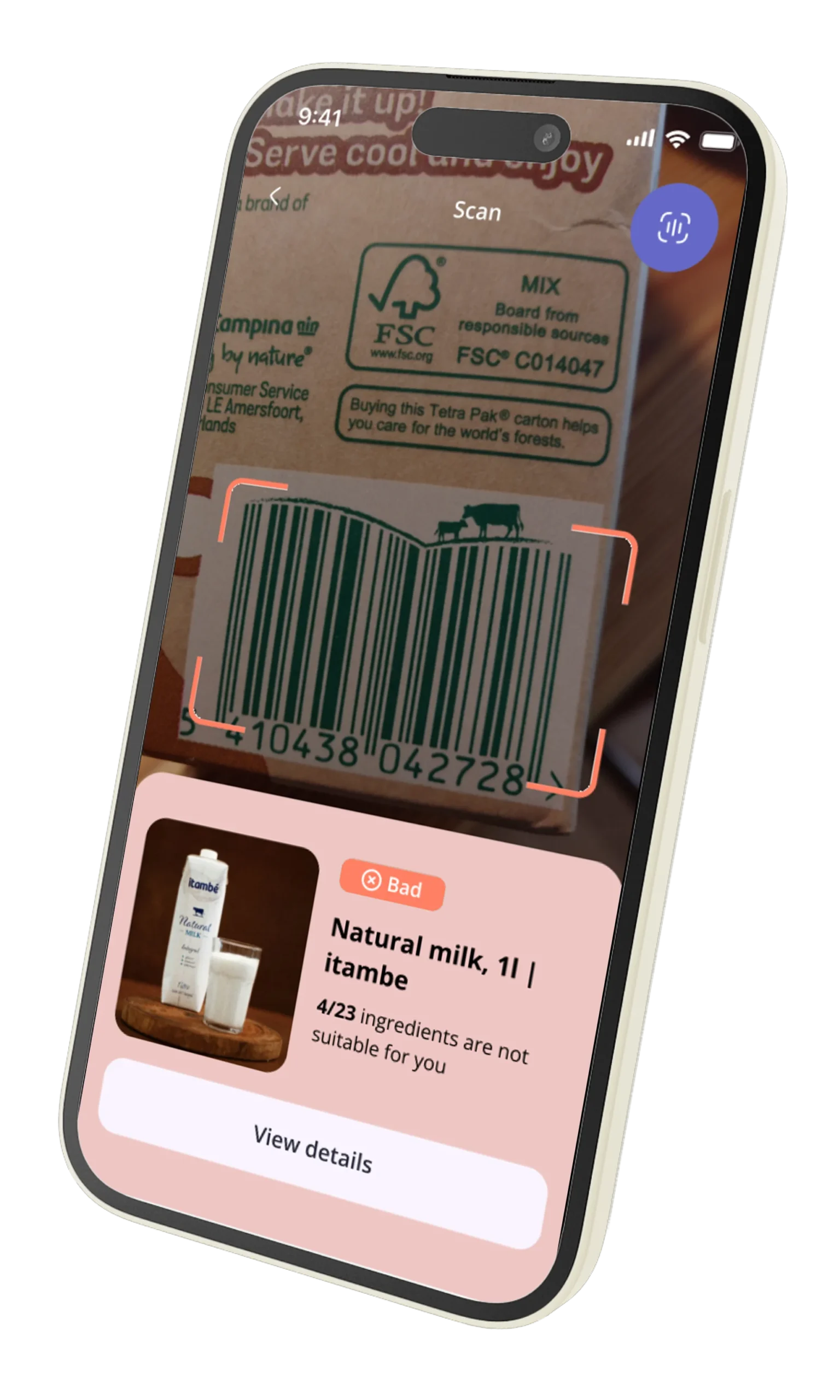
Food Scan Genius turns your phone’s camera into an expert food analyst. Scan a barcode, and instantly see if a product is safe for YOUR specific dietary needs. No more squinting at tiny ingredient lists. No more second-guessing. Just clear, simple, definitive answers.
Take back control of your food. End the anxiety. Download Food Scan Genius now and eat with confidence.
For Android: Download on Google Play
For iOS: Download on the App Store
Frequently Asked Questions
Q1: Can a chalupa from a major fast-food chain ever be truly gluten-free?
A: In almost all cases, no. The fundamental nature of a chalupa shell from major chains like Taco Bell is that it’s a deep-fried flatbread made from wheat flour. This makes it inherently unsuitable for anyone with Celiac disease or a gluten allergy. Even if a chain were to offer a corn-based version, the risk of cross-contamination in the deep fryer, where wheat-based items are cooked, is exceptionally high. Shared prep surfaces, utensils, and handling also pose significant risks. For someone with Celiac disease, the only truly safe option is to eat at a dedicated gluten-free establishment or prepare food at home.
Q2: What are the most common hidden dairy sources in a fast-food chalupa besides cheese and sour cream?
A: Beyond the obvious toppings, dairy can hide in several surprising places. The seasoned beef is a primary suspect; many bulk seasoning mixes use milk powder (listed as whey, casein, or non-fat milk solids) as a flavor enhancer and binder. The chalupa shell itself could potentially contain dairy derivatives in the dough conditioners used to achieve its soft texture. Lastly, any “creamy” signature sauces, like a chipotle aioli or creamy jalapeño sauce, are almost always dairy-based, using sour cream, yogurt, or milk powders as a core ingredient. These hidden sources are why simply ordering “no cheese, no sour cream” is often not enough to make the item dairy-free.
Q3: How significant is the risk of soy contamination in a chalupa for someone with a severe soy allergy?
A: The risk is significant and comes from multiple vectors. First, the deep-fryer oil is very often a vegetable oil blend that includes soybean oil. While U.S. law exempts highly refined soybean oil from allergen labeling, some highly sensitive individuals may still react. Second, the seasoned beef is a major risk factor, as many recipes use textured soy protein (TSP) or soy flour as a filler and binder to improve texture and lower costs. Third, some of the creamy sauces or marinades may use soy lecithin as an emulsifier or be based on a soybean oil mayonnaise. Given these multiple potential points of contact, a chalupa from a standard fast-food restaurant presents a high risk for anyone with a severe soy allergy.
Q4: I have a latex allergy. Are there any ingredients in a chalupa that could trigger a cross-reactive response?
A: Yes, there is a potential risk due to a known cross-reactivity phenomenon called Latex-fruit syndrome. The proteins in natural rubber latex are structurally similar to proteins found in certain plant-based foods. One of the most commonly cited foods in this syndrome is the tomato, a standard ingredient on most chalupas. While not everyone with a latex allergy will react to tomatoes, it is a known possibility. The reaction can range from mild Oral Allergy Syndrome (itchy mouth) to more severe systemic reactions in highly sensitive individuals. If you have a known latex allergy, it is crucial to be aware of this potential cross-reactivity with the tomatoes in your food.
Every scan is answered by NutriGraphAPI, our own catalogue of over 5 million barcode-indexed packaged products with allergen, additive and dietary data. Building a food or grocery app yourself? The same data is available as an API.