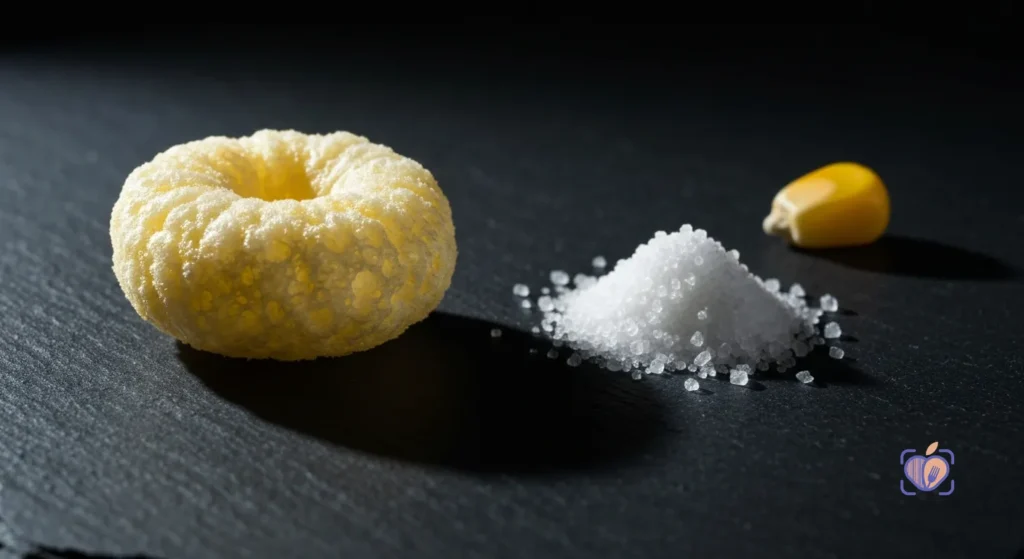
It’s a familiar scene. You’re standing in the snack aisle at Trader Joe’s, a beacon of unique and seemingly wholesome foods. You pick up the bag of Trader Joe’s Puffed Corn and Cheese Snack. The label seems simple, almost nostalgic. Corn Meal, Sunflower Oil, Cheddar Cheese. What could possibly go wrong?
But for millions, this simple moment is fraught with anxiety. It’s a high-stakes negotiation between desire and danger. For the parent of a child with a severe peanut allergy, the question isn’t about taste; it’s about a trip to the emergency room. For the individual with Celiac disease, it’s about days of debilitating pain from a single, hidden crumb of gluten. For someone with a dairy intolerance, it’s about navigating the minefield of whey, casein, and other milk derivatives that hide in plain sight.
This isn’t just about reading a label. It’s about reading between the lines. It’s about understanding what the manufacturer doesn’t say. The food industry often presents a clean, simple facade, but behind it lies a complex world of shared equipment, ambiguous ingredients, and voluntary allergen disclosures.
The anxiety you feel is not an overreaction; it is a rational response to a genuine and significant risk. Food allergies are a serious medical condition. According to Food Allergy Research & Education (FARE), a leading authority on food allergy safety, an estimated 33 million Americans have food allergies, and reactions can range from mild symptoms like hives to severe, life-threatening anaphylaxis. This is not a lifestyle choice; it is a matter of life and death, and you deserve clarity and confidence in every bite.
This guide is not another superficial product review. This is a deep, forensic analysis of Trader Joe’s Corn Puffs, designed for those who cannot afford to be wrong. We will deconstruct every component, expose every potential risk, and empower you with the knowledge to make a truly informed decision. Because in a world of uncertainty, the one thing you should have control over is what you put in your body.
The Anatomy of a ‘Simple’ Snack: A Granular Risk Analysis
Let’s move beyond the front of the bag and dissect the potential pitfalls lurking within this seemingly innocuous snack. The ingredient list is the beginning of our investigation, not the end. We must scrutinize the sourcing, processing, and manufacturing environment to uncover the full story.
### Deconstructing the ‘Corn’: Is It Truly Just Corn?
The primary ingredient, corn meal, appears straightforward. But the journey of that corn from farm to factory is riddled with opportunities for contamination and compromise, creating risks for those with specific sensitivities.
- Grain Cross-Contamination at the Source: Corn is often grown in rotation with other crops like wheat, soy, and barley. The same harvesting equipment, transport vehicles, and storage silos are frequently used for multiple grains. For a person with Celiac disease or a severe wheat allergy, trace amounts of gluten from a previous harvest can easily contaminate a batch of corn. A study published in the Journal of Food Protection found that a significant percentage of “naturally gluten-free” grains like corn can be contaminated with gluten above the 20 parts per million (ppm) threshold considered safe for Celiacs. This isn’t a theoretical risk; it’s a documented reality of modern agriculture.
- The Milling Process: Once at the mill, the corn is ground into meal. If that mill also processes wheat, rye, or barley flour, the risk of airborne cross-contamination is exceptionally high. Fine flour dust can travel throughout a facility and settle on equipment, even after cleaning. Without a dedicated, certified gluten-free mill, a guarantee of purity is nearly impossible.
- GMO and Pesticide Concerns: While not an allergen-related issue, many diet followers are concerned about genetically modified organisms (GMOs) and pesticide residue like glyphosate. While Trader Joe’s has a policy of sourcing non-GMO ingredients for its private-label products, the intricacies of supply-chain verification mean consumers must place a great deal of trust in the brand’s diligence. For those following strict organic or detox-focused diets, the type of corn and its cultivation methods are critical data points that are rarely disclosed on the packaging.
### The Oil Enigma: Beyond ‘Sunflower and/or Safflower Oil’
The use of “and/or” in an ingredient list is an immediate signal to the vigilant consumer. It indicates variability in the manufacturing process, which introduces uncertainty. While sunflower and safflower oils are not major allergens, the way they are processed and the environment they exist in can be a significant source of risk.
- Shared Processing Lines: The most pressing concern with cooking oil is the equipment it shares. Are these oils processed, stored, and transported in tankers and on lines that also handle peanut oil, soybean oil, or other nut-based oils? A facility that produces a variety of snacks is likely to use different oils for different products. Without explicit certification, there is a risk that trace proteins from a major allergen like peanuts could be introduced into the sunflower oil used for the corn puffs.
- Refining and Protein Content: Highly refined oils are generally considered safe for most people with allergies to the source food (e.g., highly refined peanut oil) because the refining process removes the allergenic proteins. However, the term “sunflower oil” doesn’t specify the level of refinement. Less-refined, cold-pressed, or expeller-pressed oils may retain more of the source protein, which could pose a risk to the small number of individuals with a true sunflower or safflower seed allergy.
- Oxidation and Quality: For those focused on a health-conscious or anti-inflammatory diet, the quality and stability of the oil are paramount. Polyunsaturated fats, like those in sunflower and safflower oil, can be prone to oxidation when exposed to high heat during the puffing and extrusion process. This can create free radicals and inflammatory compounds, which runs counter to the goals of many clean-eating protocols.
### The Seasoning Conundrum: A Minefield of Hidden Ingredients
While the classic Trader Joe’s Corn Puffs are simply salted, their popular cheese-flavored counterparts—and many other snacks on the market—introduce a new layer of complexity. The seasoning blend is where allergens love to hide.
- ‘Natural Flavors’: This is one of the most notorious phrases on an ingredient label. Under FDA regulations, “natural flavors” can be a proprietary blend derived from dozens of sources, including common allergens. For example, a “savory” or “cheesy” flavor could legally contain milk derivatives (casein), soy, or wheat-based hydrolyzed proteins as part of its formulation. Manufacturers are not required to disclose these sub-ingredients unless the final product contains a major allergen, and even then, the system is not foolproof.
- Dairy in Disguise: In cheese-flavored puffs, the risk is obvious. But dairy can hide in many forms. Whey powder, caseinates, lactose, and milk powder are often used to add flavor and texture. For someone with a dairy allergy or severe lactose intolerance, these ingredients, even in small amounts, can cause significant distress.
- Anti-Caking Agents: To keep powdered seasonings from clumping, manufacturers use anti-caking agents. Some of these, like sodium caseinate, are derived from milk. Others, like silicon dioxide, are generally safe but highlight the chemical complexity of what seems like simple “cheese dust.”
- Yeast Extract and MSG: Ingredients like autolyzed yeast extract are often used to create a savory, umami flavor. While not an allergen, it can be a source of free glutamates, which can be an issue for individuals sensitive to MSG who are trying to avoid it.
### Manufacturing & Facility Risks: The Unseen Danger
This is perhaps the most critical and least transparent area of risk. A product can have a perfectly “clean” ingredient list and still be dangerous due to its manufacturing environment. Trader Joe’s, like most brands, uses third-party manufacturers to produce its private-label goods.
- The Truth About ‘May Contain’ Statements: Precautionary Allergen Labeling (PAL) like “May contain peanuts” or “Made in a facility that also processes tree nuts” is entirely voluntary in the United States. Its presence tells you there is a known risk. However, its absence tells you absolutely nothing. A company is not legally required to disclose shared equipment or facility risks. You cannot assume a product is safe simply because it lacks a “may contain” warning.
- Shared Equipment vs. Shared Facility: There’s a crucial difference. A shared facility means peanuts might be processed in the same building, but on a different floor. A shared production line or shared equipment means the same machinery that made a peanut butter-filled pretzel one hour could be making your “safe” corn puffs the next. Cleaning procedures, known as “changeovers,” are supposed to prevent this, but they are not infallible.
- Airborne Contamination: In facilities that work with powdered ingredients like peanut flour, wheat flour, or milk powder, allergen particles can become aerosolized. They can travel through ventilation systems and settle on surfaces far from their original processing line, creating a pervasive risk of contamination that is incredibly difficult to control.
The Science of Deception: Understanding Cross-Reactivity
For some, the danger isn’t just about direct contamination; it’s about a case of mistaken identity within your own immune system. This phenomenon, known as cross-reactivity, occurs when the proteins in one substance are so similar to the proteins in an allergen that your body’s immune system launches an attack on both.
Corn, the star ingredient in Trader Joe’s Corn Puffs, presents a specific and often-misunderstood cross-reactivity profile. Corn is a member of the grass family (Poaceae). Its proteins share structural similarities with proteins found in other grasses, leading to potential reactions in susceptible individuals.
The key culprits are specific protein families, particularly Lipid Transfer Proteins (LTPs). LTPs are defense proteins found in many plants, and they are notoriously resilient. They are stable to both heat and enzymatic digestion, meaning they survive the cooking process (like the extrusion used to make corn puffs) and the journey through your stomach, arriving in your gut intact and ready to trigger a reaction.
Someone with a severe allergy to another grass-family grain, such as rice or wheat, may theoretically experience a reaction to the LTPs in corn. More commonly, we see cross-reactivity in the context of Pollen Food Allergy Syndrome (PFAS), also known as Oral Allergy Syndrome (OAS). Individuals with a strong allergy to grass pollen may find that eating corn, especially fresh corn, causes an itchy mouth, throat, or swelling. While the proteins are often degraded by cooking, the high concentration in a processed food like corn puffs could still pose a problem for the highly sensitive.
This isn’t just about corn. It’s a fundamental principle of allergy management. A peanut allergy can cross-react with other legumes like lupin. A birch pollen allergy can cross-react with apples, cherries, and almonds. The web of connections is intricate and treacherous.
The Enemy in Plain Sight: Hidden Sources of Contamination
The danger doesn’t end when you leave the grocery store. Your own environment can be a source of risk. For those managing severe allergies or strict diets, vigilance is a 24/7 job. Corn and other common allergens are masters of disguise.
- Cross-Contamination at Home: You bring home your “safe” corn puffs, but your kitchen is a shared space. A knife used to spread peanut butter, a cutting board that prepped a gluten-filled sandwich, a toaster with bread crumbs, or even just a stray hand that touched another snack can be enough to trigger a serious reaction.
- Hidden Broths, Soups, and Sauces: Corn is a ubiquitous thickener and sweetener. Corn starch, corn syrup, maltodextrin (often derived from corn), and dextrose are found in an astonishing number of processed foods, from canned soups and salad dressings to marinades and gravies.
- Specific Asian Condiments: Many classic Asian sauces rely on corn starch as a primary thickening agent. Hoisin sauce, oyster sauce, and many glazes used in stir-fries contain it. The coating for deep-fried items like General Tso’s chicken is also frequently corn starch-based.
- Cosmetics and Personal Care Products: The risk extends beyond the kitchen. Corn starch is a common ingredient in cosmetics like face powders, body powders, and dry shampoo due to its absorbent properties. It can also be found in lotions and creams. For the highly sensitive, skin contact or inhalation can be problematic.
- Pet Food: A surprising vector of exposure is pet food. Many dry kibbles for cats and dogs use corn as a primary filler ingredient. Handling this food and then preparing your own meal without thoroughly washing your hands can transfer allergens.
- Medications and Supplements: Look at the ‘inactive ingredients’ list on your medications. Corn starch is one of the most common excipients, or fillers, used to bind pills and capsules together.
This overwhelming complexity is the reality of modern food consumption. It’s a constant, exhausting battle of research, label-reading, and trust. But what if there was a better way? What if you could replace that doubt with instant, data-driven certainty?
We’ve just unpacked the dozens of hidden risks in a seemingly simple snack. Now, multiply that complexity across your entire grocery cart. Managing a single allergy is hard enough. But what if you’re also gluten-free, avoiding dairy, and following a low-FODMAP diet? The mental gymnastics are exhausting. That’s why we built Food Scan Genius. Our mobile app doesn’t just check for one thing; it analyzes over 39 distinct dietary labels simultaneously, untangling the web of complex overlapping combinations to give you a simple, instant ‘yes’ or ‘no’.
Stop Guessing. Start Knowing.
Your peace of mind is too valuable to be left to chance. You deserve to walk into a grocery store with confidence, not fear. Food Scan Genius is more than an app; it’s your personal food detective, your unwavering dietary advocate, and your key to unlocking a world of safe, delicious food.
Scan any barcode, and instantly see a clear, concise breakdown of every ingredient, cross-referenced against your unique dietary profile. No more squinting at tiny labels. No more late-night Googling in the middle of the aisle. Just a clear, simple answer you can trust.
Don’t spend another day navigating the food landscape alone. Take back control. Your certainty is one scan away.
Download Food Scan Genius for free and transform your relationship with food forever:
- For Android: Download on Google Play
- For iOS: Download on the App Store
Frequently Asked Questions
1. Are Trader Joe’s Baked Cheese Curls a safe gluten-free alternative to their corn puffs?
This is a fantastic and highly specific question. While the primary ingredient in Trader Joe’s Baked Cheese Curls is also corn meal, making them seem gluten-free by ingredient, the risk profile is significantly different and potentially higher. The addition of the complex cheese seasoning introduces numerous potential sources of hidden gluten. The “Natural Flavors” could contain wheat derivatives, and the cheese powder itself can sometimes be processed with anti-caking agents that are not gluten-free. Most importantly, without a “Certified Gluten-Free” seal on the package, you must assume it was produced in a facility that also processes wheat. Given that Trader Joe’s sells a wide variety of baked goods and snacks containing wheat, the risk of cross-contamination on shared baking and conveyance equipment is substantial. For someone with Celiac disease, this product should be considered high-risk unless explicitly certified.
2. What is the risk of cross-contamination in Trader Joe’s facilities for corn puffs specifically?
The risk is moderate to high, and it is impossible to quantify without direct disclosure from the manufacturer, which is rare. Trader Joe’s uses various co-packers and manufacturers. A facility that produces corn puffs is almost certainly producing other puffed and extruded snacks. This could include wheat-based pretzels, peanut butter-filled snacks, or tree nut-dusted treats. The primary risks are twofold: 1) Inadequate cleaning of the extrusion and conveyance equipment between production runs. 2) Airborne contamination, where fine powders (like wheat flour or peanut dust) from one production line can travel through the air and settle on another. Because precautionary allergen labeling (“may contain”) is voluntary, the absence of such a warning on the bag of corn puffs does not guarantee safety. The only true measure of safety from cross-contamination is third-party certification (e.g., Certified Gluten-Free, Certified Peanut-Free Facility), which this product does not carry.
3. How can I know if ‘natural flavors’ in a snack like Trader Joe’s corn puffs contain dairy?
Unfortunately, you often can’t know for certain just by reading the label, which is the core of the problem. The term “natural flavor” is a catch-all for proprietary recipes. However, you can use the FDA’s major allergen labeling laws as a clue. If dairy (milk) is used as a sub-ingredient within the natural flavor, the manufacturer is required to declare it. This would typically appear in one of two ways: either in the ingredients list as “Natural Flavor (contains Milk)” or in a separate “Contains: Milk” statement at the end of the list. If you see a cheese-flavored product without a milk allergen warning, it could mean the flavor is artificial or derived from non-dairy sources, but it’s a major red flag that warrants skepticism. For the most sensitive individuals, the best policy is to contact the manufacturer directly or, more safely, to avoid products with vague terms like “natural flavors” altogether.
4. Does the ‘sunflower and/or safflower oil’ in Trader Joe’s corn puffs pose a risk for nut allergies?
This is a nuanced but critical question. The oil itself does not contain nuts. The risk comes entirely from the industrial environment. The primary concern is shared equipment. Large food manufacturers often source oils from suppliers who process a wide variety of oils, including peanut oil, almond oil, and other tree nut oils. Furthermore, within the snack factory itself, the storage tanks, pipes, and frying/spraying equipment used for the sunflower oil might also be used for products that contain nuts or nut oils. While highly refined oils have most allergenic proteins removed, less-refined oils or accidental contamination from shared lines can introduce enough protein to trigger a reaction in a highly sensitive individual. Without a specific declaration from the manufacturer that the product is produced in a nut-free facility or on dedicated nut-free lines, a degree of risk, however small, always remains. This is a perfect example of a hidden danger that standard label reading would miss, but a dedicated analysis app can flag.
Every scan is answered by NutriGraphAPI, our own catalogue of over 5 million barcode-indexed packaged products with allergen, additive and dietary data. Building a food or grocery app yourself? The same data is available as an API.