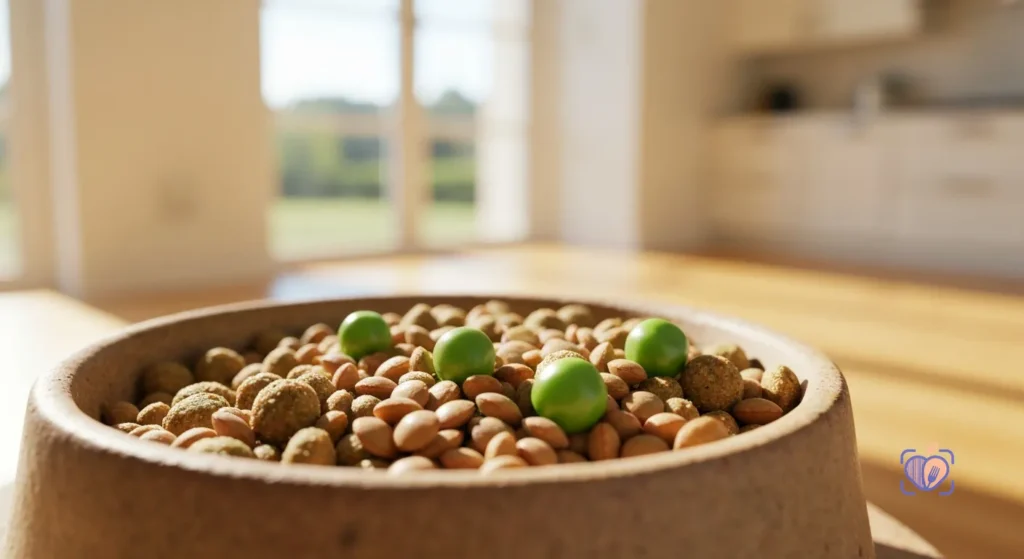
You’re a good pet parent. You read the labels, you spend the extra money, you choose the bag with the beautiful picture of a wolf roaming a pristine wilderness. You chose a grain-free diet because you were told it was healthier, more natural, closer to what your dog’s ancestors ate. You did it out of love. But what if that very act of love, that expensive bag of kibble, is hiding a danger that could silently break your dog’s heart? The truth is, the connection between these diets and a life-threatening heart condition is something the pet food industry doesn’t want to talk about, leaving you lost in a sea of marketing jargon. The confusion, the worry, the fear—it ends now. We are launching Pet Scan Genius, a mobile app that instantly deciphers confusing labels and flags dangerous ingredients, giving you the clarity you need to protect your family. The app is launching soon, and you need to be on the list. Visit https://pet.scangeni.us/ right now to join the exclusive waitlist and be the first to know when you can get this power in your hands.
The Betrayal in the Bowl: Why Your Trust Has Been Broken
For years, the marketing machine has been relentless. We’ve been conditioned to believe that ‘grain-free’ is the gold standard of canine nutrition. It was presented as the solution for allergies, sensitive stomachs, and a path to a healthier, more vibrant pet. This narrative, however, began to crumble in July 2018 when the U.S. Food and Drug Administration (FDA) did something unprecedented: they announced an investigation into a potential link between certain diets—many of them labeled ‘grain-free’—and a serious canine heart condition called Dilated Cardiomyopathy (DCM).
This wasn’t a fringe theory from a blog; this was a formal alert from the highest food safety authority in the country. The reports they received were alarming: a growing number of dogs, including breeds not genetically prone to DCM, were developing this devastating disease. The common thread? Their diets were often high in peas, lentils, other legume seeds, or potatoes as main ingredients—the very things used to replace grains in ‘grain-free’ formulas. The American Veterinary Medical Association (AVMA) has since been actively monitoring the situation, advising veterinarians and pet owners to be aware of the potential risks. The feeling of betrayal is real. You trusted these brands. You paid a premium for what you believed was the best. Now, you’re left wondering if your pantry holds a hidden danger.
Deconstructing the Danger: A Deep Dive into Diet-Associated DCM
The link between grain-free diets and heart disease isn’t a simple case of one toxic ingredient. It’s a complex nutritional puzzle that researchers are still working to solve. But what we know so far is deeply concerning and centers around the formulation of these foods and their impact on your dog’s most vital organ.
The FDA Investigation: What Did They Actually Find?
When the FDA speaks, we listen. Their investigation wasn’t a casual inquiry; it was a response to a significant spike in reported cases of DCM. Between January 1, 2014, and April 30, 2019, the FDA received 524 reports of DCM (515 for dogs, 9 for cats). What they found was a startling correlation. Over 90% of the reported diets were ‘grain-free,’ and 93% of those diets contained peas, lentils, or both. Potatoes and sweet potatoes were also common ingredients.
The investigation named the dog food brands most frequently cited in these reports. While the FDA has been careful not to issue recalls or declare these foods definitively unsafe, the message is clear: a strong statistical link exists that cannot be ignored. The problem isn’t just with one or two rogue brands; it’s a systemic issue tied to the fundamental formulation of ‘BEG’ diets—Boutique companies, Exotic ingredients, and Grain-free recipes. These are often the most expensive, most attractively packaged foods on the shelf, preying on your desire to provide the absolute best for your companion.
Understanding Dilated Cardiomyopathy (DCM): The Silent Threat
To understand the gravity of the situation, you need to understand what DCM is. Dilated Cardiomyopathy is a disease of the heart muscle that results in an enlarged heart. As the heart and its chambers dilate, the muscle walls become thinner and weaker. Think of it like a rubber band that’s been stretched out too many times—it loses its ability to snap back and pump effectively.
When the heart can’t pump blood efficiently, fluid can back up into the lungs and abdomen, leading to congestive heart failure. The most terrifying part of DCM is its insidious nature. In the early stages, there are often no symptoms. Your dog might look perfectly healthy while their heart is progressively weakening. By the time symptoms like coughing, lethargy, or collapse appear, the disease is often in an advanced, life-threatening stage. While some breeds like Doberman Pinschers and Great Danes have a genetic predisposition to DCM, this new wave of diet-associated DCM is striking breeds with no known genetic risk, from Golden Retrievers to mixed breeds.
The Role of Legumes, Peas, and Potatoes: The “BEG” Diet Problem
So, what is it about these ingredients? Why are peas, lentils, and potatoes being implicated? The leading theory revolves around the amino acid taurine. Dogs can synthesize their own taurine from other amino acids (cysteine and methionine), but it’s still critically important for heart health, eye function, and bile acid production.
Researchers are exploring several hypotheses:
1. Reduced Bioavailability: The high levels of fiber and plant protein in legumes may be binding with the precursor amino acids or taurine itself, preventing the dog’s body from properly absorbing and using them.
2. Interference with Synthesis: Something within these ingredients might be actively interfering with the metabolic pathway that creates taurine in a dog’s body.
3. Nutrient Deficiencies: These formulations might simply be deficient in the necessary building blocks (cysteine and methionine) that dogs need to produce adequate taurine.
It’s crucial to understand that the problem is likely more complex than just taurine. The FDA has noted that some affected dogs have normal taurine levels, suggesting other nutritional factors are at play. The anti-nutritional properties of legumes, the sourcing of exotic ingredients, or unique processing methods could all be contributing factors. This complexity is what makes navigating the pet food aisle so impossible for a loving owner—and so necessary for a tool that can help.
Symptoms of Diet-Related DCM You Can’t Afford to Miss
As a pet owner, you are the first line of defense. You know your dog better than anyone. If you are feeding a grain-free or BEG diet, you must be hyper-vigilant for the subtle signs of heart disease. Do not wait. If you notice any of the following, contact your veterinarian immediately and be sure to tell them exactly what food your dog is eating.
- Lethargy or Weakness: A sudden decrease in energy, seeming tired all the time, or not wanting to play.
- Reduced Exercise Tolerance: Getting tired or out of breath after only a short walk or play session.
- Coughing or Gagging: Especially a persistent, soft cough that worsens at night or when lying down.
- Difficulty Breathing: Rapid breathing, labored breathing, or panting even when at rest.
- Episodes of Collapse or Fainting: This is a critical emergency.
- Reduced Appetite and Weight Loss: A gradual or sudden disinterest in food.
- Swollen Abdomen: A bloated or distended belly due to fluid accumulation.
These symptoms are not just signs of ‘getting old.’ They are red flags for a potentially fatal condition that may be linked directly to the food in their bowl.
The Hidden Dangers: How Marketing Hides the Truth
Pet food manufacturers spend billions on marketing to convince you their product is superior. They use emotionally charged language and imagery to build a narrative of health and vitality. But behind the marketing, the ingredient list can reveal a different story. The grain-free danger often hides in plain sight, disguised by clever branding.
- The “Grain-Free” Halo Effect: This is the biggest trap. For years, marketers have successfully positioned grains as cheap, unhealthy fillers and grain-free as the premium, ancestral alternative. The reality is that for the vast majority of dogs, whole grains are a healthy source of nutrients, and true grain allergies are very rare. The real issue is often the protein source (like chicken or beef), not the grain.
- Legume Overload as a Protein Booster: When you remove grains, you have to replace them with something. Peas, lentils, and chickpeas are inexpensive, protein-rich alternatives. This allows manufacturers to slap a high ‘Crude Protein’ percentage on the front of the bag, making the food seem high in meat. But plant-based proteins are not a perfect substitute for the highly bioavailable amino acids found in animal sources, and they may be the primary culprits in the DCM crisis.
- The Allure of “Exotic” Ingredients: Kangaroo, bison, duck, venison. These sound incredibly appealing and healthy. However, many of these exotic protein sources have not been subjected to the same rigorous, long-term feeding trials and nutritional analysis as traditional ingredients like chicken and beef. We simply have less data on how they interact with other ingredients and affect long-term canine health.
- “Boutique” Brands with No Science: Many smaller, ’boutique’ pet food companies have fantastic branding but lack the resources for in-house veterinary nutritionists, robust quality control, or AAFCO (Association of American Feed Control Officials) feeding trials. They formulate their recipes ‘to meet AAFCO standards’ on paper but may not have conducted live animal feeding trials to see how dogs actually fare on the food long-term.
Your Secret Weapon Against Confusion
It’s not your fault. Reading a pet food label is intentionally confusing. It’s a maze of chemical-sounding names, vague terms like ‘meat meal,’ and percentages that don’t tell the whole story. The industry thrives on this confusion because it allows marketing to triumph over science. This is precisely why we created Pet Scan Genius. We believe you shouldn’t need a Ph.D. in veterinary nutrition to know if you’re feeding your dog a safe meal. Our mobile app is designed to be your advocate. You simply scan the barcode on any bag of dog or cat food, and our powerful AI instantly analyzes the ingredient list for toxic additives, known allergens, controversial fillers, and ingredients linked to major health concerns like diet-associated DCM. We cut through the marketing noise and give you a simple, clear, data-driven answer so you can make the best choice for the family member who trusts you completely.
Don’t Wait for a Tragedy. Take Control Now.
The evidence is mounting, and the stakes are too high to ignore. The potential grain free dog food danger is real, and it’s lurking in the pantries of millions of loving pet owners right now. You don’t have to live with the uncertainty and fear any longer. You can be an informed, empowered pet parent who makes decisions based on science, not slogans. The peace of mind you deserve is just one scan away. The Pet Scan Genius app is launching soon, but the time to act is now. Your dog’s life could depend on the choices you make today.
Visit https://pet.scangeni.us/ to register for our exclusive launch waitlist. Be the first to get the app that puts the power to protect your pet right in your pocket.
Frequently Asked Questions
What is the definitive link between grain free dog food and canine DCM?
The definitive link is still under investigation, but the correlation is strong. The FDA has reported that the vast majority of diet-associated DCM cases involve dogs eating ‘grain-free’ formulas high in legumes (like peas and lentils) or potatoes. The leading theory is that these ingredients may interfere with the absorption or synthesis of taurine and other critical nutrients essential for heart health, though other factors are also being explored.
What are the symptoms of taurine deficiency from pea-based dog food?
The symptoms of taurine deficiency are the same as the clinical signs of Dilated Cardiomyopathy (DCM), as taurine is crucial for heart muscle function. Pet owners should watch for lethargy, weakness, a persistent cough (especially at night), difficulty breathing or rapid breathing, reduced ability to exercise, and in severe cases, fainting or collapse. If you see these signs, it is a medical emergency.
What did the FDA investigation into grain-free diets and dilated cardiomyopathy find?
The FDA’s investigation found a significant increase in reported cases of DCM in dogs and a strong association with certain types of diets. Key findings include: over 90% of the reported diets were labeled ‘grain-free’; 93% of those diets contained peas and/or lentils; and the cases involved many dog breeds not genetically prone to DCM, suggesting a non-hereditary cause. The investigation identified a potential link that warrants caution from pet owners and veterinarians.
Are there safe dog food alternatives for grain allergies besides legume-based kibble?
Yes. True grain allergies in dogs are rare; allergies are more commonly linked to protein sources like chicken or beef. If your dog has a confirmed grain allergy, consult your veterinarian about safe alternatives. These may include diets that use a novel protein (like salmon, duck, or lamb) with grain-inclusive carbohydrates like oatmeal, barley, or rice. For severe allergies, a veterinarian may prescribe a hydrolyzed protein diet where the protein molecules are broken down to be too small to trigger an allergic reaction.