That familiar knot of anxiety in your stomach as you stand in the grocery aisle, a simple bag of rice in your hand. It should be safe. But is it? For anyone living with celiac disease, a gluten intolerance, or managing a strict diet for a loved one, that simple question—”Does rice have gluten?”—is never truly simple. It carries the weight of potential pain, illness, and the exhausting vigilance required to navigate a world of hidden ingredients. The medical community is clear on the severity: celiac disease is a serious autoimmune disorder where ingesting gluten leads to damage in the small intestine, as documented by leading authorities like the Mayo Clinic. You deserve certainty, not anxiety. You deserve to eat with confidence. That’s why we built Food Scan Genius. Before you read another word, stop the guesswork and get the definitive answer for every product, every time. Download the Food Scan Genius app now and take back control.
The Simple Answer and The Dangerous Reality
Let’s get the basic question out of the way: Is rice, in its natural form, gluten-free?
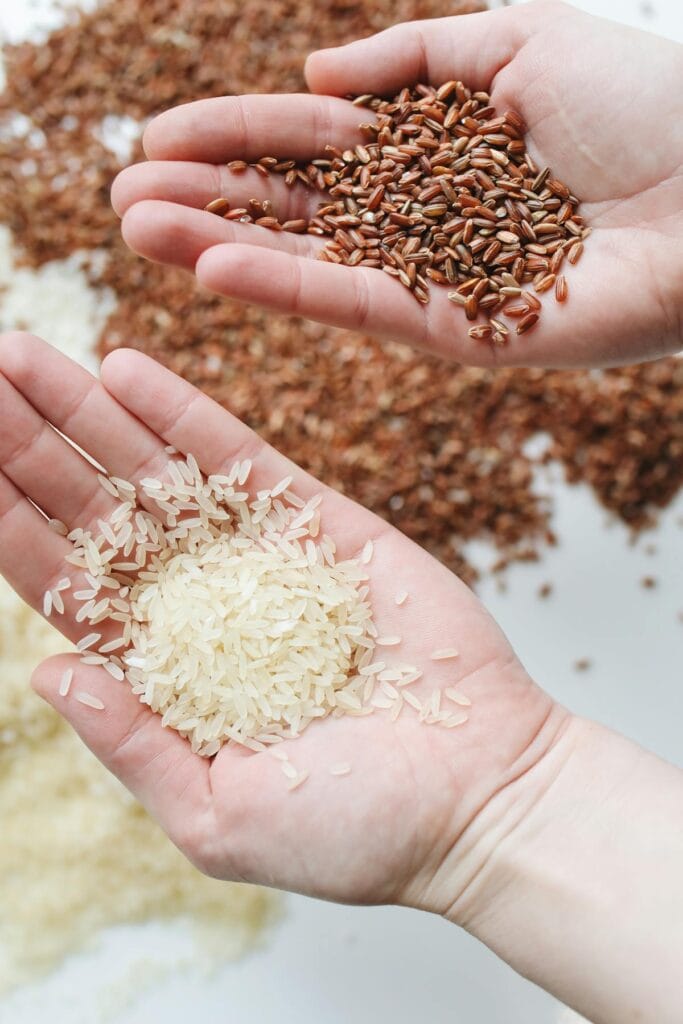
Yes. All varieties of pure, unprocessed rice—whether it’s white, brown, black, or wild rice—are naturally gluten-free. Rice is a grain, but it does not contain the gluten proteins (gliadin and glutenin) found in wheat, barley, and rye that trigger reactions in individuals with celiac disease or gluten sensitivity.
This simple fact, however, is where the safety ends and the danger begins. The journey from the rice paddy to your plate is a long and complex one, filled with countless opportunities for cross-contamination. The real, critical question isn’t whether rice naturally has gluten, but whether the rice you’re about to buy or eat is still gluten-free by the time it reaches you. For millions, this distinction is the difference between a safe meal and days of debilitating symptoms.
This guide will deconstruct the hidden risks, explore the science behind sensitivities, and give you the tools to navigate the world with confidence.
The Unseen Danger in “Safe” Grains: Cross-Contamination in Processing
The most significant risk to the gluten-free status of rice occurs long before it ever reaches a store shelf. Agricultural and industrial food processing is a world of shared equipment and facilities. A facility that processes, mills, or packages rice may also handle wheat, barley, or other gluten-containing grains. This is where the danger of cross-contamination becomes terrifyingly real.
- Harvesting & Transport: Farm equipment used to harvest wheat might be used for rice without thorough, certified cleaning protocols. Trucks and silos used for transporting and storing grains are often shared, leaving behind gluten-containing dust and residue that can easily mix with a rice harvest.
- Milling: The milling process, which turns brown rice into white rice or grinds grains into flour, is a primary source of contamination. If the same milling equipment is used for wheat flour and rice flour, the risk is exceptionally high. Airborne flour dust can settle and contaminate entire batches of what should be a perfectly safe product.
- Packaging Lines: Even if the rice itself is pure, the packaging lines can be a source of contamination. Conveyor belts, sorting machines, and packaging equipment can harbor gluten particles from previous production runs of other products, such as seasoned pasta mixes or breaded items.
This is why simply reading “rice” on an ingredient list is not enough. You must look for a “Certified Gluten-Free” label, which ensures the product has been tested to contain less than 20 parts per million (ppm) of gluten, the FDA-approved standard for gluten-free claims.
The Restaurant Minefield: How Your Gluten-Free Rice Becomes Contaminated
Ordering rice at a restaurant should be a safe bet, but the modern commercial kitchen is a minefield of cross-contamination. The staff may have the best intentions, but a lack of training or the fast-paced environment can lead to dangerous mistakes.
- Shared Water: A common practice in busy kitchens is to use the same pot of boiling water for multiple items. The water used to boil pasta is saturated with gluten. If a chef then uses that same water to cook or blanch rice, it is no longer safe.
- Fryers and Woks: Fried rice is a classic dish, but the oil in the deep fryer or the wok used to prepare it is almost certainly shared. If that same fryer is used for breaded chicken, tempura, or spring rolls containing wheat, your “gluten-free” fried rice will be heavily contaminated.
- Sauces and Broths: This is one of the most insidious sources of hidden gluten. Many soy sauces, a staple in Asian cuisine, are brewed with wheat. Teriyaki sauce, hoisin sauce, and many oyster sauces also contain gluten. The chicken, beef, or vegetable broth used to cook rice pilaf or risotto frequently contains yeast extract or flavorings derived from barley or wheat. You must ask to see the bottle or packaging of the specific soy sauce or broth being used.
- Shared Surfaces & Utensils: A cutting board used to slice bread, a knife that isn’t properly cleaned, a spoon used to stir a wheat-based soup and then dipped into the rice—these are all common and dangerous kitchen practices that introduce gluten into an otherwise safe dish.
The Grocery Store Deception: Flavored Rice Mixes, Pilafs, and “Ready-to-Eat” Meals
The convenience of a boxed rice mix or a frozen meal is tempting, but this is where gluten hides in plain sight. These products are complex formulations, and the risk is extremely high.
- Seasoning Packets: The flavor packet included with rice pilaf, Spanish rice, or cheddar broccoli rice is a primary culprit. These packets often contain wheat flour as a thickener, hydrolyzed wheat protein as a flavor enhancer, or malt (derived from barley) for flavoring. The ingredient list is often long and filled with ambiguous terms.
- Thickeners and Binders: Modified food starch is a common ingredient in sauces and gravies included with rice meals. While it can be derived from corn or tapioca, it can also be derived from wheat. Unless the source is specified, you must assume it is not safe.
- Orzo and Other Pastas: Many rice pilaf mixes intentionally include small pastas like orzo, which is made from wheat. It can be difficult to spot, especially to an untrained eye, and makes the entire dish unsafe.
Never assume a flavored or boxed rice product is safe. Scrutinize the ingredient label and the allergen warnings every single time.
Beyond the Grain: Rice-Based Products and Their Hidden Gluten Risks
The risk doesn’t stop with whole-grain rice. The popularity of gluten-free diets has led to a surge in rice-based products, each with its own set of potential dangers.
- Rice Flour: As mentioned, milling is a high-risk activity. Unless the rice flour is produced in a dedicated gluten-free facility and certified, the risk of cross-contamination from wheat flour is immense.
- Rice Cereals: Puffed rice cereals may seem safe, but many popular brands (like Rice Krispies) contain malt flavoring, which is derived from barley and is not gluten-free. Always check the label for malt.
- Rice Milk: While the rice itself is gluten-free, some brands of rice milk add barley enzymes or other flavorings that contain gluten. Check the ingredient list for terms like “barley malt” or “yeast extract” without a specified source.
- Rice Crackers & Cakes: These are often processed on the same equipment as wheat-based crackers. Furthermore, many flavored varieties use seasoning blends that contain hidden gluten in the form of soy sauce powder, yeast extract, or wheat-based thickeners.
The Science of Sensitivity: Gluten Cross-Reactivity and Your Body
For those with severe celiac disease or non-celiac gluten sensitivity, the conversation can sometimes go even deeper, into the complex world of protein structures and immune responses. This is the concept of cross-reactivity.
In immunological terms, cross-reactivity occurs when the proteins in one substance are so similar in structure to the proteins in another substance that the body’s immune system mistakes them for each other. For a person with celiac disease, their body produces antibodies to fight gliadin (a protein in gluten). If they consume a different, non-gluten protein that has a similar amino acid sequence or structure, those same antibodies might mistakenly attack it, triggering the same inflammatory cascade and symptoms as a gluten exposure.
While rice protein (oryzenin) is not commonly cited as a major cross-reactive protein for the majority of celiacs, the science of food sensitivity is ever-evolving. Some studies have investigated potential reactions to other grains, such as corn and oats, in a subset of the celiac population. The protein in oats, avenin, can trigger a reaction in some individuals, which is why only certified gluten-free oats are recommended. This highlights a critical point: managing a severe food allergy or autoimmune condition is not just about avoiding the primary trigger. It’s about understanding the entire landscape of potential risks, including structurally similar proteins that could cause a reaction.
This level of scientific nuance is precisely why a simple “yes/no” is never enough. True safety requires a deeper understanding of ingredients, processing, and even molecular biology.
Where Gluten Hides: A Vigilance Checklist for the Rice Aisle and Beyond
Assume nothing. Question everything. Here is a checklist of specific, often-overlooked traps where gluten can contaminate your rice and other “safe” foods.
- Restaurant Kitchens: Shared pasta water for cooking rice, non-dedicated fryers for fried rice, and cutting boards used for both bread and vegetables.
- Hidden Broths & Seasonings: Bouillon cubes, soup bases, and anti-caking agents in spice blends used in rice pilaf often contain wheat.
- Specific Asian Condiments: Standard soy sauce (shoyu) is brewed with wheat. Teriyaki sauce, hoisin sauce, and many gochujang brands contain gluten. Always insist on gluten-free tamari.
- Grocery Store Bulk Bins: Never buy rice or any gluten-free grain from a bulk bin. The risk of cross-contamination from shared scoops and airborne flour dust from nearby gluten-containing bins is far too high.
- Cross-Contamination at Home: Using the same toaster for gluten-free and regular bread, a shared colander for pasta and rice, or a knife to cut a sandwich and then chop vegetables can lead to exposure.
- Cosmetics & Personal Care: Hydrolyzed wheat protein is a common ingredient in shampoos, lotions, and lip balms. While topical exposure is different from ingestion, it can be a risk, especially for products used on the hands or lips.
- Pet Food: Handling dry dog or cat food that contains wheat and then preparing your own meal without thoroughly washing your hands is a significant and often-forgotten source of cross-contamination in the home.
Managing this level of detail is not just difficult; it’s exhausting. The mental load of constantly checking, questioning, and researching is a heavy burden. It’s a full-time job that you never asked for, and one mistake can have painful consequences.
That’s why we believe technology should do the heavy lifting. Managing a diet is incredibly complex, which is why our mobile app, Food Scan Genius, analyzes over 200+ distinct dietary and allergen labels simultaneously. It goes beyond just “gluten-free.” It cross-references for dairy-free, soy-free, non-GMO, vegan, and dozens of other attributes, including complex overlapping combinations. Need to find a snack that is certified gluten-free, corn-free, AND low-FODMAP? The human brain can’t process that many variables in a crowded supermarket. Our app can, in seconds.
Stop Guessing. Start Knowing. Your Safety is Not a Luxury.
You’ve read this far because you understand the stakes. You know that a simple meal can be a source of profound anxiety. You deserve better. You deserve to walk into a grocery store and feel confident, not fearful. You deserve to scan a barcode and get an instant, clear, and trustworthy answer.
Food Scan Genius is more than an app; it’s your dedicated partner in food safety. It’s the peace of mind you’ve been searching for, available 24/7 in your pocket. For the price of a single specialty gluten-free product, you can have a tool that protects you and your family every single day.
Invest in your health. Invest in your peace of mind. Stop the endless searching and second-guessing. Download Food Scan Genius today for just $4.99/month or an annual plan of $49.99.
Get the certainty you deserve. Now.
- For Android: Download on Google Play
- For iOS: Download on the App Store
Frequently Asked Questions
Is brown rice naturally gluten-free and safe for celiacs?
Yes, in its pure, unprocessed form, brown rice is 100% naturally gluten-free and is generally safe for individuals with celiac disease. Brown rice is the whole grain with just the outer hull removed. However, it is subject to the same high risks of cross-contamination during processing, milling, and packaging as white rice. To be completely safe, celiacs should always choose brown rice that is explicitly labeled and certified as gluten-free to ensure it hasn’t come into contact with wheat, barley, or rye.
What are the symptoms of a gluten reaction after eating rice pilaf?
Rice pilaf is a high-risk dish because it’s often cooked with gluten-containing broth (chicken, beef, or vegetable) and frequently includes small pieces of wheat-based pasta like orzo. If you have celiac disease or gluten sensitivity and are exposed, symptoms can include severe digestive distress like bloating, gas, diarrhea, and abdominal pain, as well as non-digestive symptoms like brain fog, fatigue, skin rashes (dermatitis herpetiformis), joint pain, and headaches. Symptoms can appear within a few hours or even a day or two after ingestion.
What is the risk of gluten cross-contamination in packaged white rice?
The risk is significant and should not be underestimated. Even a simple bag of plain white rice can be contaminated if the facility where it was milled or packaged also processes wheat, barley, or rye. Airborne flour dust is a major culprit. While the risk may be lower than in a flavored rice mix, it is still present. For individuals with high sensitivity, this trace amount of gluten can be enough to trigger a severe reaction. The safest choice is always packaged rice that has been tested and certified gluten-free by a third-party organization.
Are rice noodles from restaurants safe for a gluten intolerance?
This is a major point of risk. While the noodles themselves are made from rice, their preparation in a restaurant kitchen makes them dangerous. They are often cooked in the same water used to boil wheat-based pasta or ramen noodles. Furthermore, the sauces served with them, such as peanut sauce, teriyaki sauce, or soy sauce, very commonly contain gluten. You must specifically ask the restaurant staff about their cooking process (e.g., “Do you use a separate pot of water for rice noodles?”) and verify that they use a gluten-free soy sauce (tamari) in their dishes.