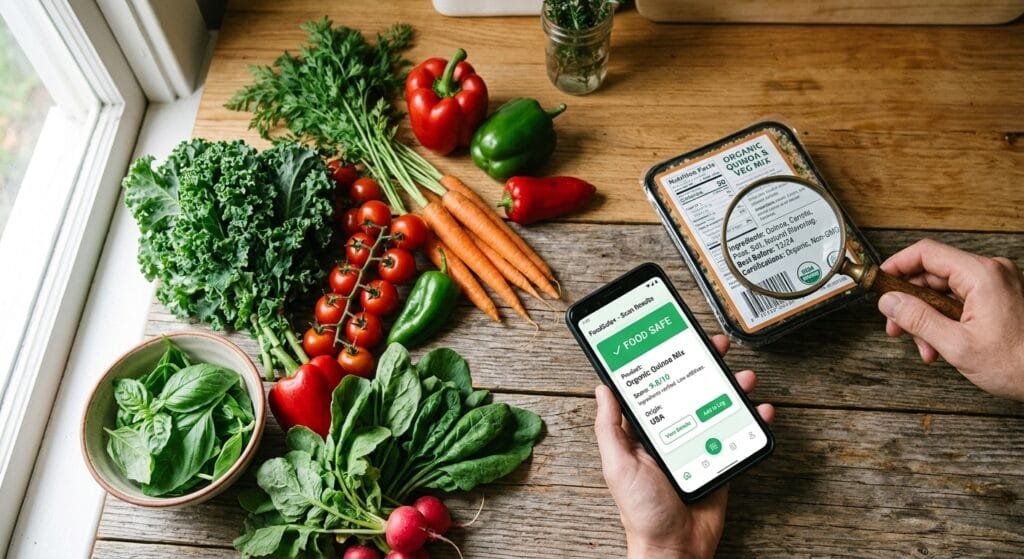
Decoding Food Labels: Navigating Allergens, Regulations, and Hidden Ingredients
Every time we walk down a grocery store aisle or order takeout, we place immense trust in the food items we purchase. Whether you are managing a strict dietary restriction, navigating a newly diagnosed food sensitivity, or simply trying to feed your family wholesome meals, understanding what goes into your food is more critical than ever. In an era defined by complex global supply chains and heavily processed items, the food label has become our primary line of defense. Yet, deciphering ingredient lists can often feel like reading a foreign language.
For millions of consumers, missing a single hidden additive or misinterpreted allergen declaration can lead to severe health consequences. At the same time, regulatory bodies are continuously shifting the baseline of how food is monitored and labeled. Keeping pace with these modifications requires more than a quick glance at the front of a package—it demands a strategic approach to ingredient awareness. This comprehensive guide explores the complexities of food labeling, highlights essential regulatory frameworks, addresses the broader societal impacts of food transparency, and demonstrates how modern tools like Food Scan Genius can transform how you shop and eat.
The Modern Food Labeling Landscape: What Has Changed?
The marketplace for consumer food products has experienced massive shifts. Driven by consumer demands for cleaner ingredients and heightened regulatory oversight from agencies like the U.S. Food and Drug Administration (FDA) and the European Food Safety Authority (EFSA), food safety standards are evolving. Regulatory updates—such as the FDA’s revised guidance on major food allergens, which expanded interpretations of milk and eggs to include alternative animal sources while clarifying specific tree nut classifications—underscore how dynamic food compliance truly is.
Despite these protective measures, consumers face a staggering array of challenges when evaluating packaged goods. Food manufacturers often use multiple synonyms for simple ingredients like sugar, sodium, and chemical preservatives to mask their presence. When shopping or consuming food, people are frequently left to decode marketing jargon terms like “natural flavors,” “spices,” and “modified food starch,” which can obscure the true origin of an ingredient.
Understanding the Core Challenges of Ingredient Transparency
- Complex Synonyms: Sugars can appear under dozens of different names, including high-fructose corn syrup, maltose, dextrose, and cane juice crystals.
- Hidden Allergens: Trace proteins from major allergens can cross-contaminate lines or hide behind ambiguous catch-all terms.
- Regulatory Loopholes: Certain processing aids and sub-ingredients do not always require explicit breakdown on retail packaging.
- Misleading Health Claims: Front-of-package buzzwords (“organic,” “healthy,” “plant-based”) often contradict the actual nutritional panel on the back.
Scientific Insights into Food Sensitivities and Health Impacts
To fully grasp why ingredient literacy matters, we must look at the science of adverse food reactions. According to clinical data published via PubMed and public health reviews by agencies like the FDA, food allergies affect a significant percentage of the population—impacting over 2% of adults and up to 8% of children, resulting in tens of thousands of emergency room visits annually. Unlike food intolerances (such as lactose maldigestion), true food allergies trigger an immune system response that can escalate rapidly into anaphylaxis.
Furthermore, scientific literature highlights the growing prevalence of non-celiac gluten sensitivity, chemical sensitivities to sulfites and artificial colorings, and metabolic disruptions linked to ultra-processed foods. Research indexed on PubMed consistently links high intakes of heavily refined additives, emulsifiers, and added sugars to chronic low-grade inflammation and metabolic syndrome. Protecting long-term health requires rigorous vigilance, transforming label-reading from an optional chore into an essential wellness practice.
| Type of Reaction | Primary Biological Mechanism | Common Symptoms | Typical Management Strategy |
|---|---|---|---|
| Food Allergy | IgE-mediated immune system response | Hives, swelling, difficulty breathing, anaphylaxis | Strict avoidance of the allergen; carrying epinephrine |
| Food Intolerance | Enzyme deficiency or digestive inability (e.g., lactase) | Bloating, gas, abdominal pain, diarrhea | Enzyme supplementation or portion control |
| Chemical Sensitivity | Adverse reaction to pharmacologically active compounds (e.g., sulfites, MSG) | Headaches, flushing, respiratory irritation | Identifying and eliminating trigger compounds via ingredient tracking |
Broader Societal Issues: Equity, Accessibility, and Food Literacy
The burden of navigating complex ingredient labels does not fall equally across all segments of society. The broader issue extends deep into public health equity, consumer education, and economic accessibility.
Recent studies in public health and consumer behavior point out several systemic challenges:
- The Literacy Gap: Nutritional literacy is unevenly distributed. Consumers with lower educational attainment or limited English proficiency struggle disproportionately with dense, technical ingredient panels.
- Economic Disparities: Clean-label foods free from artificial additives, major allergens, or excess sugars often carry a significant financial premium, making safe choices less accessible to low-income households.
- Online Marketplace Risks: With the explosive growth of social media commerce and direct-to-consumer online food sales, allergen disclosures are frequently omitted or inadequately communicated, putting online shoppers at heightened risk.
Addressing these challenges requires a dual approach: stricter regulatory enforcement across emerging digital marketplaces and the democratization of food information through user-friendly technology.
Frequently Asked Questions (FAQ)
1. What are the current major food allergens recognized by regulatory authorities?
In the United States, the recognized major food allergens include milk, eggs, fish, crustacean shellfish, tree nuts, peanuts, wheat, soybeans, sesame, and specific updates regarding alternative animal milks and targeted tree nut classifications.
2. How can I spot hidden sugars on an ingredient label?
Look for words ending in “-ose” (dextrose, fructose, maltose), as well as terms like syrups, cane juice, maltodextrin, and fruit juice concentrates. Manufacturers often list multiple types of sugars separately so they appear lower down on the ingredient weight order.
3. Are “natural flavors” safe for people with severe food sensitivities?
“Natural flavor” is a broad umbrella term defined by the FDA as substances derived from plant or animal sources. Because proprietary formulas protect the exact breakdown of these flavors, individuals with rare or severe allergies should exercise caution or contact the manufacturer directly.
4. How does Food Scan Genius help consumers navigate ingredient lists?
Food Scan Genius streamlines the label-reading process by instantly scanning product barcodes or ingredient text, flagging hidden allergens, unwanted additives, and dietary non-compliance items based on your personal health profile.
How Food Scan Genius Resolves the Ingredient Challenge
Navigating the modern grocery store shouldn’t require a degree in food chemistry or hours spent squinting at microscopic text on the back of packaging. While public health organizations, the EFSA, and the FDA continue pushing for clearer labeling standards, the day-to-day responsibility still rests on the consumer. This is where advanced digital solutions bridge the gap between complex science and daily life.
The Food Scan Genius app is engineered precisely to eliminate this friction. By leveraging cutting-edge optical character recognition and comprehensive food database matching, Food Scan Genius allows shoppers to instantly scan barcodes or ingredient labels in real time. The app cross-references product contents against your personal health profile—whether you are avoiding gluten, tracking hidden dairy derivatives, eliminating specific chemical preservatives, or managing complex multi-allergen constraints.
Real User Experiences
Users worldwide have integrated Food Scan Genius into their daily routines to reclaim confidence while grocery shopping. Consider the experience of Sarah M., a mother of two managing severe family food allergies and dietary restrictions:
“Before discovering Food Scan Genius, grocery shopping was an exhausting minefield. I spent double the time in every aisle reading fine print, and I still suffered anxiety over missing hidden dairy or soy derivatives. Since downloading Food Scan Genius, I simply scan the item, and the app instantly tells me if it aligns with our family’s safety needs. It has completely removed the guesswork and restored our peace of mind.”
As food production becomes more industrialized and ingredient lists grow increasingly convoluted, relying solely on human eyes is no longer enough. Empowering yourself with up-to-date knowledge, keeping track of regulatory developments, and utilizing smart digital companions like Food Scan Genius ensures that every bite you take is safe, informed, and completely aligned with your health goals.
Ready to take control of your diet and eliminate label confusion? Download Food Scan Genius today and experience a smarter, safer way to shop and eat.
Scan any product in two seconds
Check allergens, additives and 39 diets before you buy. Free on both stores.


Every scan is answered by NutriGraphAPI, our own catalogue of over 5 million barcode-indexed packaged products with allergen, additive and dietary data. Building a food or grocery app yourself? The same data is available as an API.