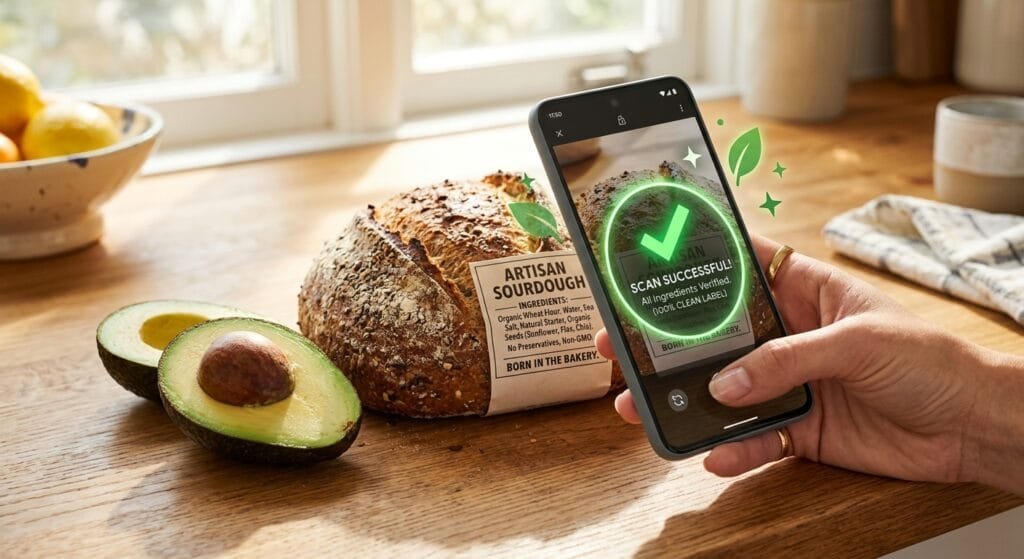
Scan Your Food for Allergens – Here’s How
Navigating the modern grocery store aisle can feel like walking through a minefield. Whether you are shopping for a child with a severe peanut allergy, managing adult-onset dairy intolerance, or simply trying to steer clear of gluten, buying packaged foods requires constant vigilance. With regulatory frameworks shifting, international standards evolving, and thousands of food products hitting shelves every week, understanding what goes into your body has never been more critical—or more complex.
For millions of consumers, a single overlooked word on a back-of-package ingredient list can trigger a medical emergency. Undeclared allergens remain a primary driver behind voluntary and mandatory product recalls, highlighting systemic vulnerabilities in global food supply chains. This comprehensive guide explores how you can effectively scan your food for allergens, decode complicated ingredient labels, stay informed on changing regulatory standards, and utilize advanced technology to protect your health.
The Hidden Reality of Food Allergens and Modern Ingredients
Food hypersensitivities affect a substantial percentage of the global population. According to public health data referenced by organizations like the U.S. Food and Drug Administration (FDA) and the Food Safety and Inspection Service, food allergies impact over 2% of adults and between 4% and 8% of children. These immune system responses occur when the body mistakenly identifies harmless food proteins—such as those found in milk or nuts—as dangerous invaders, triggering reactions ranging from mild hives to life-threatening anaphylaxis.
The challenge extends far beyond obvious ingredients. Modern food manufacturing involves complex supply chains where raw materials pass through multiple processing facilities, creating numerous opportunities for cross-contact. Cross-contact occurs when an unintended allergen is inadvertently incorporated into a food product, often through shared equipment or storage facilities. Because there is currently no cure for food allergies, strict avoidance is the only reliable line of defense, making accurate ingredient transparency an absolute necessity.
The Top Nine Major Allergens You Must Watch For
Regulatory bodies have streamlined consumer protection by establishing standardized lists of primary allergens that must be explicitly highlighted on packaging. In the United States, federal law recognizes the top nine major food allergens:
- Milk: Found in dairy products, whey, casein, and hidden as a binder or flavoring agent in processed foods.
- Eggs: Present in baked goods, pastas, dressings, and various binding ingredients.
- Fish: Includes finfish species; often found in Worcestershire sauce, Caesar dressing, and Asian flavorings.
- Crustacean Shellfish: Includes shrimp, crab, lobster, and related extracts.
- Tree Nuts: Almonds, walnuts, cashews, pecans, pistachios, and macadamia nuts.
- Peanuts: Legumes that frequently cause severe systemic reactions; heavily hidden in commercial baked goods and sauces.
- Wheat: A staple grain that triggers reactions in both wheat allergy and celiac disease contexts.
- Soybeans: Widely utilized as textured vegetable protein, lecithin, and oil across processed foods.
- Sesame: Formally added as the ninth major allergen under the FASTER Act, requiring explicit declaration on all packaged items.
How to Scan Your Food Labels Like an Expert
When you pick up a packaged item, your first instinct should be to check the ingredient declaration. However, manufacturers often use complex chemical terminology or alternate names that obscure common allergens. To protect yourself, mastering manual inspection techniques is essential.
| Allergen Category | Common Hidden Names & Terms | Typical Product Categories |
|---|---|---|
| Milk | Casein, whey, lactalbumin, ghee, curds, lactose, caramel color (sometimes dairy-derived). | Baked goods, protein powders, processed meats, margarines. |
| Soy | Tamari, miso, tofu, vegetable protein, stabilizer, lecithin, mono- and diglycerides. | Chocolate, canned tuna, soups, salad dressings. |
| Wheat | Spelt, kamut, bulgur, durum, starch, malt, semolina, modified food starch. | Soups, soy sauces, gravies, processed snacks. |
| Sesame | Tahini, benne, gingelly, halva, natural flavoring, vegetable oil blends. | Breads, crackers, dressings, international cuisines. |
In addition to scanning the ingredient list, always check for the mandatory “Contains” statement, which manufacturers usually place directly beneath or adjacent to the ingredient list. This statement explicitly names the major allergens present in the product, sparing you from hunting through complex scientific terminology.
Understanding Precautionary Allergen Labeling (“May Contain”)
One of the most frustrating hurdles for allergic consumers is Precautionary Allergen Labeling (PAL), commonly expressed as statements like *”may contain traces of tree nuts”* or *”manufactured in a facility that also processes wheat.”* Historically, these warnings were applied voluntarily and arbitrarily by food companies seeking legal protection rather than providing accurate risk assessments.
Significant international shifts are transforming how these warnings operate. The Codex Alimentarius Commission adopted updated international guidelines on PAL to make “may contain” statements more science-based, consistent, and transparent for consumers worldwide. Concurrently, regulatory bodies like the FDA have actively explored threshold-based frameworks. Under a threshold system, precautionary statements are tied to specific reference doses—the minute amount of an allergenic protein below which the vast majority of sensitive individuals are unlikely to experience an adverse reaction.
While moving toward standardized, quantitative risk management helps eliminate unnecessary label clutter, consumers must still navigate an interim period where advisory labels vary widely between brands and countries. This makes real-time verification tools indispensable.
The Broader Issue: Food Recalls, Supply Chain Transparency, and Public Health
The challenge of allergen scanning goes beyond individual kitchen choices; it is a massive systemic issue impacting public health and global commerce. Undeclared allergens are among the leading causes of food recalls, accounting for over 34% of recall incidents in the United States alone. Labeling errors, cross-contamination during bulk manufacturing, and supply chain oversights put millions of consumers at risk every year.
Furthermore, this challenge intersects with adjacent consumer safety concerns:
- Gluten Cross-Contact: Individuals with celiac disease or non-celiac gluten sensitivity face similar hurdles regarding trace contamination in grains like oats, barley, and rye.
- Non-Food Product Disclosures: Advocacy campaigns like the ADINA Act emphasize that hidden allergens and gluten pose serious risks even outside the grocery aisle, such as in prescription medications and over-the-counter drugs where ingredient transparency is frequently lacking.
- Restaurant and Food Service Gaps: While packaged goods are heavily regulated, dining out remains precarious, prompting new legislative pushes for mandatory restaurant menu transparency.
As food safety regulations catch up with scientific developments, consumers need immediate, practical solutions that bridge the gap between complex manufacturer labels and everyday safety.
How Food Scan Genius Solves the Ingredient Challenge
Manual label reading is time-consuming, and human error remains a constant threat when fatigue or confusing terminology interferes. This is where modern digital innovation changes the game. Smartphone-based applications are revolutionizing how people interact with food products by putting instant analytical power in the palm of your hand.
The Food Scan Genius app is engineered specifically to eliminate the guesswork of grocery shopping and meal planning. By leveraging advanced barcode scanning and text-recognition technologies, Food Scan Genius instantly analyzes product labels against your personalized allergen profile and dietary restrictions. Instead of squinting at tiny font sizes or deciphering obscure chemical names, users receive clear, immediate alerts regarding major allergens, hidden derivatives, and potential cross-contamination risks.
Real User Experiences
People managing severe food sensitivities notice an immediate transformation in their daily routines after adopting digital scanning tools. Consider this feedback from a dedicated user:
“Living with multiple severe nut and dairy allergies meant every trip to the supermarket took twice as long as it should have, and eating out felt completely out of the question. Since I started using Food Scan Genius, my grocery runs are completely stress-free. I simply scan the barcode, and the app instantly flags hidden ingredients that I would have easily missed in fine print. It has given me peace of mind and transformed how safely I shop for my family.”
— Sarah M., Allergy Parent & Long-Term App User
By streamlining ingredient comprehension, Food Scan Genius empowers you to take absolute control of your dietary safety. Whether you are avoiding the top nine allergens, tracking gluten, or navigating specialized nutritional needs, having an intelligent scanning assistant ensures you can shop with confidence.
Ready to take the guesswork out of grocery shopping? Download Food Scan Genius today and experience a safer, smarter way to scan your food for allergens.
Frequently Asked Questions
How can I scan my food for allergens effectively?
You can scan your food for allergens by closely inspecting ingredient labels for the FDA major top nine allergens, checking for voluntary ‘may contain’ precautionary statements, and using dedicated digital tools like the Food Scan Genius app to instantly decode complex ingredient lists on your smartphone.
What are the major food allergens required by law to be labeled?
In the United States, the FDA recognizes nine major food allergens: milk, eggs, fish, crustacean shellfish, tree nuts, peanuts, wheat, soybeans, and sesame.
Are ‘may contain’ precautionary allergen labels legally regulated?
Historically, precautionary allergen labeling like ‘may contain’ has been applied voluntarily and arbitrarily by manufacturers. However, global bodies like the Codex Alimentarius Commission and agencies like the FDA are moving toward standardized, science-based threshold frameworks.
How does Food Scan Genius help people with food sensitivities?
Food Scan Genius is an innovative smartphone tool that simplifies grocery shopping by scanning product barcodes and ingredient labels, instantly highlighting hidden allergens, cross-contamination risks, and tailored dietary preferences.