1. The Hidden Struggle of Overcoming Anemia in the Modern Supermarket
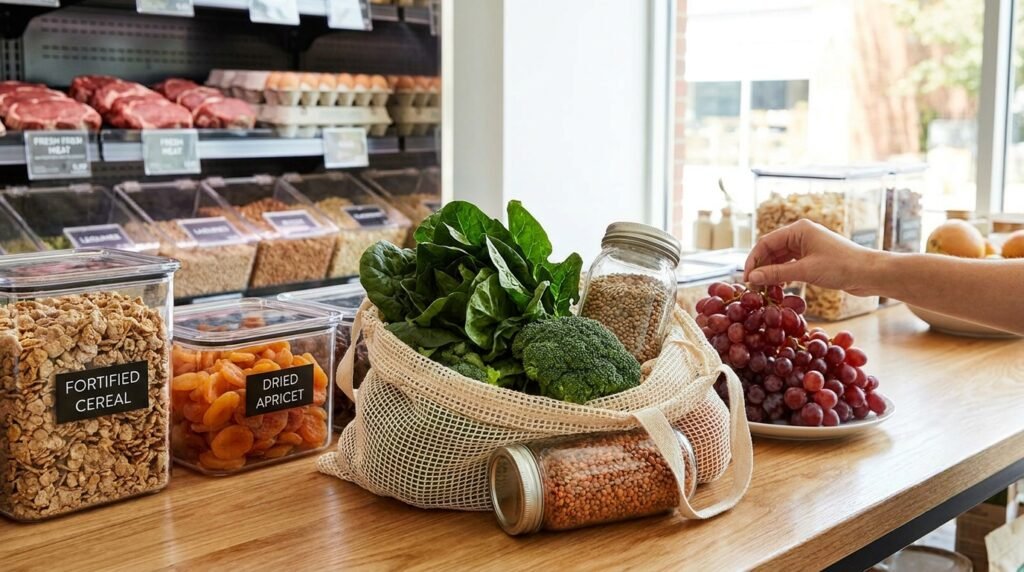
Living with iron deficiency anemia is an exhausting, invisible uphill battle. From debilitating mid-day fatigue and chronic brain fog to brittle nails and sudden bouts of dizziness, the systemic impact of compromised red blood cell production touches every aspect of daily life. When your physician reviews your lab work and advises you to integrate more iron rich foods anemia solutions into your daily meal plan, it sounds deceptively simple: eat more spinach, choose lean meats, or reach for fortified breakfast cereals. Yet, stepping into a contemporary grocery store reveals a vastly more complex, counterproductive reality where front-of-package claims mask nutritional voids and biochemical absorption traps.
The human body relies on iron to produce hemoglobin, the protein in erythrocytes that transports oxygen from your lungs to your tissues. However, dietary iron is split fundamentally into two classes: heme iron (found naturally in animal tissue such as beef liver, sardines, and poultry) and non-heme iron (present in legumes, dark leafy greens, seeds, and fortified grains). While heme iron demonstrates a high baseline bioavailability of approximately 15% to 35%, non-heme iron absorption fluctuates wildly between 2% and 20%, dictated almost entirely by the presence of concurrent culinary enhancers or potent biochemical inhibitors. When shoppers attempt to rebuild depleted ferritin reserves relying solely on marketing jargon like ‘rich in essential minerals’ or ‘heart-healthy whole grain,’ they frequently consume products packed with hidden calcium phosphate, phytates, and industrial tannins that chemically chelate the free iron before it can cross the duodenal mucosa.
Compounding this challenge is the widespread prevalence of industrial food formulations that undermine our delicate gastrointestinal architecture. Emerging PubMed Research on Ultra-Processed Foods & Gut Microbiome Disruption demonstrates that synthetic emulsifiers, carrageenan, and ultra-processed additives can induce micro-inflammation in the brush border of the small intestine. This mucosal irritation severely degrades the activity of ferroportin and divalent metal transporter 1 (DMT1)—the primary cellular channels tasked with drawing non-heme iron into systemic circulation. If your gut lining is inflamed by stealth additives, even the most intentional choices of iron rich foods anemia management demands will fail to reflect on your serum ferritin panels.
Furthermore, managing iron intake cannot happen in a nutritional vacuum. Balancing optimal micronutrient density alongside systemic health goals requires adherence to broader clinical guidelines, such as the World Health Organization Guidelines on Healthy Diets & Saturated Fats. Relying solely on conventional, saturated-fat-laden processed red meats to elevate iron levels introduces serious cardiovascular and metabolic liabilities. What modern consumers desperately need is not high-level slogans or paywalled diet calculators, but granular, clinically validated intelligence right in the supermarket aisle—allowing plant-based eaters, omnivores, and allergen-sensitive families alike to pinpoint authentic, bioavailable iron-dense foods while actively bypassing hidden blockers.
Scan Any Label for Hidden Additives and Allergens — Free
Never second-guess confusing grocery labels again. Download Food Scan Genius to uncover hidden additives, toxic dyes, and allergens for the whole household before you buy.


2. Bioavailability Traps: 5 Deceptive Labeling Loopholes Sabotaging Your Iron Levels
When formulating an effective grocery strategy to fight iron deficiency, understanding an ingredient list’s molecular nuance is vital. Food manufacturers routinely design packaging to highlight total mineral milligrams while totally ignoring bioavailability coefficients and antagonistic compounds. Below are the most insidious regulatory loopholes and chemical inhibitors secretly sabotaging your recovery:
- The ‘Elemental Reduced Iron’ Fortification Illusion: In cheap commercial cereals and processed flours, manufacturers frequently satisfy FDA minimum mineral thresholds using coarse elemental reduced iron or iron filings rather than bioavailable chelates like ferrous bisglycinate or ferrous fumarate. Reduced iron is poorly solubilized in low gastric acid environments, meaning up to 90% passes completely unabsorbed through the digestive tract, often causing constipation without moving ferritin markers.
- Co-Fortified Calcium Phosphate Competition: Calcium is the single known dietary factor that inhibits the absorption of both non-heme and heme iron by downregulating transferrin receptors and competing for DMT1 transport. Ultra-processed oat milks, protein bars, and ‘enriched’ breads routinely add tricalcium phosphate or calcium carbonate directly alongside synthetic iron fortification, completely neutralizing iron absorption right inside your digestive lumen.
- Undeclared Polyphenols and Tannin Modifiers: Instant oatmeal packs, ready-to-drink green shakes, and packaged bakery goods often incorporate commercial tea extracts, cocoa solids, and synthetic astringents for stabilization and flavor. High concentrations of polyphenolic compounds bind irreversibly to non-heme iron in the stomach, forming an insoluble precipitate that cannot be transferred into mucosal enterocytes.
- Industrial Phytate Concentrations in ‘Ancient Grain’ Snacks: Marketing for sprouted grain crackers, bean chips, and raw nut clusters claims these are superior non-heme iron sources. However, without industrial dephytinization (proper extended soaking or enzymatic fermentation), phytic acid binds tightly to iron ions. Food safety standards under the European Food Safety Authority (EFSA) Additive Safety Regulations evaluate additive toxicology, but do not mandate that manufacturers declare native phytic acid levels that impede essential nutrient bioavailability.
- Brush Border Irritants and Hidden Cross-Contaminants: For individuals with subclinical celiac disease or non-celiac gluten sensitivity, trace mucosal injury eliminates the surface area needed for iron transport. While the FDA Food Allergen Labeling & Consumer Protection Act (FALCPA) regulates major food allergens, it does not mandate clear warnings for micro-additives or industrial processing aids derived from allergen sub-fractions that cause low-grade gut inflammation in hypersensitive shoppers.
3. Why Modern Shoppers Trust Food Scan Genius Over Legacy Apps
| Feature / Capability | Food Scan Genius | Fig App | Spoonful | Yuka |
|---|---|---|---|---|
| Pricing Model | 100% Free Core (No Paywall) | $59/year subscription | Limited scans / Paywalled | Freemium upsell model |
| Database & Engine Depth | NutriGraph (5M+ UPCs, recursive AST) | Proprietary list (~1.5M UPCs) | Crowdsourced grocery database | Open Food Facts basic link |
| Nutritional Nuance & Context | ScanGenius AI + NOVA 1-4 + Nutri-Score | Binary Yes/No flags | FODMAP-centric traffic light | Arbitrary 0-100 moralized score |
| Family Screening | Multi-Household (Named pass/fail) | Single active user profile | Single active user profile | No family cross-matching |
| Global Language Support | 11 Languages (Real-time in-app) | English only | English only | Select European languages |
When you are attempting to locate true iron rich foods anemia management depends upon, simplistic green-versus-red scores or punitive 0-to-100 algorithms fail you completely. An ultra-processed energy bar might earn a glowing surface-level rating simply for keeping saturated fats low, while secretly harboring high amounts of unchelated calcium phosphate that entirely blocks the absorption of its added iron. Food Scan Genius departs from reductive scores by utilizing its proprietary enterprise engine, the NutriGraph Database. Indexing over 5,000,000 verified UPC and EAN barcodes globally, NutriGraph uses deep recursive Abstract Syntax Tree (AST) parsing to evaluate parent ingredients and their composite sub-ingredients, exposing the hidden chemical interactions that govern nutrient uptake.
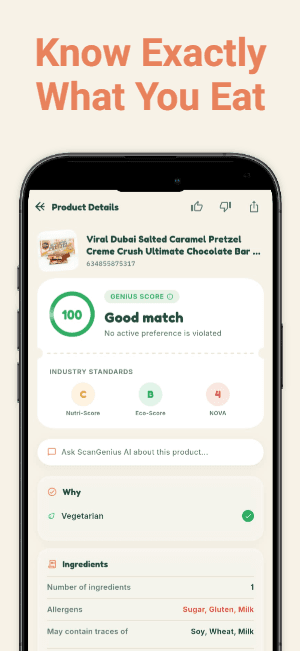
Backed by this structural analysis, our ScanGenius AI Insight engine offers objective, hyper-personalized context on every scan without paywalling your clinical needs behind a $59 per year subscription. Instead of shaming you for buying fortified staples, the app transparently provides its official NOVA 1-4 classification for ultra-processing, maps its Nutri-Score, and alerts you if an iron inhibitor like synthetic calcium or concentrated phytates will compromise your meal. Best of all, Food Scan Genius’s Multi-Household Family Profiles screen for up to 39 pre-set dietary pathways alongside custom sensitivity filters—flagging exact household conflicts such as ‘Fails for Sri (Gluten)’ or ‘Blocks Iron for Elena’ in one single sub-second scan, seamlessly translated across 11 global languages.
4. Related Food Safety & Dietary Guides
- Best Food Allergy Scanner App – Scan Food Labels Instantly — Food Allergy & Sensitivity Scanner Hub
- The 7 Best Free Food Scanner Apps of 2026 — best free food scanner apps
- Choosing the Best Barcode Scan App for Your Health — guide to choosing a barcode scanner app
- Food Scan Genius: World’s #1 Food Ingredient Scanner App — Food Scan Genius scanner app
5. Scientific & Health Authority References
- FDA Food Allergen Labeling & Consumer Protection Act (FALCPA)
- European Food Safety Authority (EFSA) Additive Safety Regulations
- PubMed Research on Ultra-Processed Foods & Gut Microbiome Disruption
- World Health Organization Guidelines on Healthy Diets & Saturated Fats
6. How to Scan in 3 Simple Steps
- Download the 100% free Food Scan Genius app on iOS or Android—unlocking enterprise-grade scanning without subscriptions, paywalls, or scan limits.
- Configure your personal wellness profile by selecting ‘Iron-Deficiency Optimization’, adding any of our 39 dietary templates (e.g., Vegan, Gluten-Free, Low-FODMAP), or creating custom ingredient triggers like added calcium salts, polyphenols, or specific food dyes.
- Point your smartphone camera at any packaged food or beverage barcode to receive sub-second ScanGenius AI Insights that instantly flag iron bioavailability blockers, mucosal irritants, and household-specific allergens.
100% Free Allergen & Diet Scanning
7. Frequently Asked Questions (FAQ)
What are the most effective iron rich foods anemia patients should look for at the grocery store?
For omnivores, the most potent sources are heme-rich proteins like grass-fed beef liver, lean red meat, skinless dark poultry, oysters, and canned sardines, which provide highly bioavailable iron unaffected by most dietary inhibitors. For plant-based and vegetarian diets, prioritize lentils, chickpeas, pumpkin seeds, hemp hearts, and cooked dark greens like Swiss chard and spinach. Because plant-based iron is exclusively non-heme, always pair these foods with ascorbic acid (vitamin C) sources—like bell peppers, lemon juice, or strawberries—which can triple non-heme iron absorption. Use Food Scan Genius to ensure your plant sources do not contain stealth additives like calcium phosphate that block non-heme uptake.
Why do iron supplements and iron-fortified foods sometimes fail to increase ferritin levels?
Ferritin levels often fail to rise due to unaddressed bioavailability inhibitors, gut inflammation, or the chemical form of the iron itself. Many commercial processed foods use ‘reduced elemental iron,’ which is poorly absorbed compared to bioavailable chelates like ferrous bisglycinate. Furthermore, if you consume iron alongside coffee, black tea, dairy products, or calcium-fortified plant milks, these compounds bind to the iron molecules in your digestive tract and prevent absorption. Food Scan Genius analyzes complete ingredient formulations to alert you to sneaky binders and absorption blockers before you leave the aisle.
Can ultra-processed foods make iron deficiency anemia worse?
Yes. Research published in PubMed demonstrates that ultra-processed foods containing synthetic emulsifiers (like polysorbate 80 and carboxymethylcellulose) can disrupt the intestinal epithelial barrier and alter the gut microbiome. Since non-heme iron is actively transported across the microvilli in the duodenum, continuous low-grade gut inflammation reduces cellular transport efficiency. Food Scan Genius provides NOVA 1-4 ultra-processing classifications on every scan so you can avoid mucosal irritants and pick whole, restorative foods.
How does Food Scan Genius help families managing different health and dietary conditions simultaneously?
Unlike legacy apps that force you to constantly change user settings or pay expensive annual subscriptions for multi-user access, Food Scan Genius includes Multi-Household Family Profiles completely free. In a single barcode scan, the app evaluates the product against every family member’s clinical and dietary restrictions simultaneously—displaying clear, named attributions such as ‘Safe for Mom’, ‘Fails for Sri (Gluten)’, or ‘Bioavailability Warning for Maya (Iron Deficiency)’. This lets you manage chronic health goals and complex food allergies in one unified grocery trip.
Know What’s In Your Food Before You Buy — Scan Free Today
Never second-guess confusing grocery labels again. Download Food Scan Genius to uncover hidden additives, toxic dyes, and allergens for the whole household before you buy.