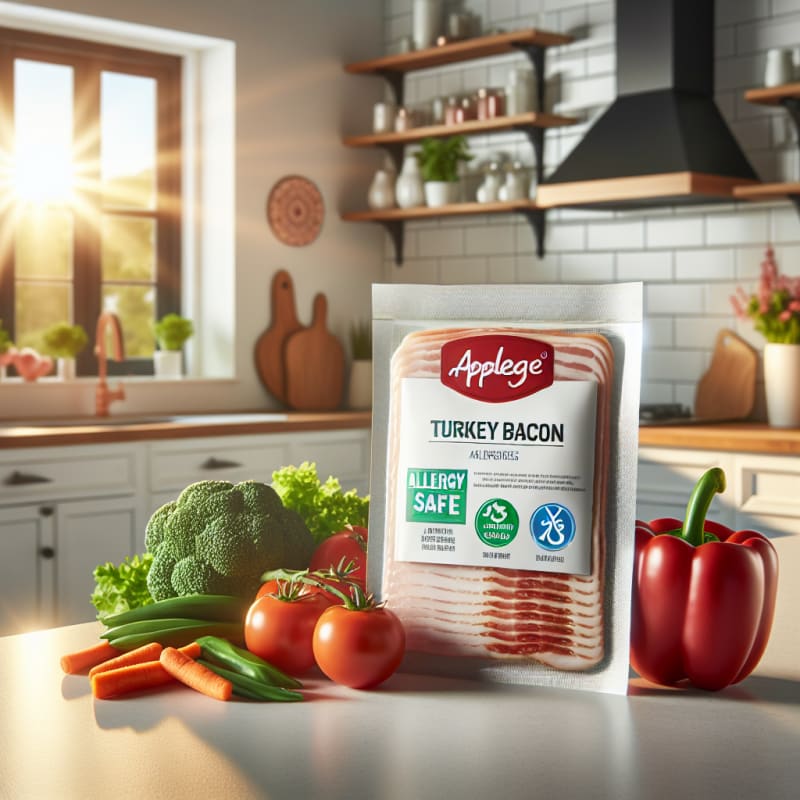
Applegate Organics Turkey Bacon: Food Scan Genius Analysis
In an era where consumers scrutinize food labels and demand transparency, understanding the nutritional and ingredient profiles of popular products like Applegate Organics Turkey Bacon has become essential. This article offers a rigorous, evidence-based analysis of Applegate Organics Turkey Bacon, leveraging both scientific literature and advanced digital tools such as Food Scan Genius to empower informed choices for health-conscious individuals.
Understanding Applegate Organics Turkey Bacon: The Basics
Applegate Organics Turkey Bacon, produced by Applegate Farms, is marketed as a healthier alternative to traditional pork bacon. The product claims a cleaner ingredient list, organic sourcing, and reduced fat content. But how does it stand up to scrutiny when analyzed through the lens of nutrition science and consumer technology?
| Nutrient | Amount | % Daily Value* |
|---|---|---|
| Calories | 60 | 3% |
| Total Fat | 2g | 3% |
| Saturated Fat | 0.5g | 3% |
| Protein | 8g | 16% |
| Sodium | 380mg | 16% |
| Sugar | 0g | 0% |
*Percent Daily Values are based on a 2,000 calorie diet. Source: Applegate Farms, 2024.
Ingredients: Transparency and Clean Labeling
One of the primary appeals of Applegate Organics Turkey Bacon is its commitment to organic, minimally processed ingredients. The typical ingredient list includes:
- Organic Turkey
- Water
- Sea Salt
- Celery Powder
- Organic Cane Sugar
- Organic Spices
No artificial nitrates or nitrites are added, except those naturally occurring in celery powder. This distinction is significant, given ongoing scientific debate about the health implications of processed meat preservatives (PubMed).
Health Impact: What Does the Science Say?
Comparing Turkey Bacon to Pork Bacon
Turkey bacon is often marketed as a healthier alternative to pork bacon. According to the U.S. Food & Drug Administration (FDA), turkey bacon generally contains less fat and fewer calories than pork bacon, but may have similar sodium levels. The saturated fat content is lower, which can be beneficial for cardiovascular health (EFSA).
However, processed meats—including turkey bacon—have been linked to increased risk of certain chronic diseases when consumed in excess. A 2023 meta-analysis published in PubMed found that regular consumption of processed meats may elevate the risk of colorectal cancer, though the risk is dose-dependent and varies with product formulation.
Organic Certification: Does It Matter?
Applegate Organics Turkey Bacon bears the USDA Organic seal, indicating compliance with stringent standards regarding synthetic pesticides, antibiotics, and genetically modified organisms (GMOs). Organic meats may contain fewer residues and are perceived as more environmentally sustainable (EFSA).
Sodium Content: A Double-Edged Sword
While turkey bacon is lower in fat, its sodium content remains significant. Excess sodium intake is associated with hypertension and cardiovascular risk (FDA). Consumers should be mindful of portion sizes and overall dietary sodium.
The Role of Food Scan Genius: Empowering Informed Choices
With the proliferation of food products and evolving ingredient lists, digital tools such as Food Scan Genius have emerged to assist consumers in decoding labels and making health-aligned choices. The app enables users to scan barcodes, instantly access ingredient breakdowns, and receive personalized alerts for allergens, dietary restrictions, and additive concerns.
User Testimonial: “As someone with gluten sensitivity, Food Scan Genius has been a game-changer. I scanned Applegate Organics Turkey Bacon and instantly saw it was gluten-free and organic. It even flagged the sodium level for me. Highly recommended!” — Maria S., Food Scan Genius user
Download Food Scan Genius to simplify your grocery shopping experience.
Applegate Organics Turkey Bacon: Who Should Eat It?
- Health-Conscious Consumers: Seeking lower fat and organic options
- Individuals with Food Sensitivities: Need to avoid gluten, artificial additives, or GMOs
- Environmentally Minded Shoppers: Prefer organic, sustainably sourced meats
- Those Managing Sodium Intake: Should monitor serving sizes
Current News and Industry Trends
Recent news coverage highlights the growing demand for organic and clean-label meats. According to The New York Times (May 2024), consumers are increasingly choosing organic options for perceived health and environmental benefits. Meanwhile, FoodNavigator-USA reports that clean-label trends are driving innovation in meat processing, with brands like Applegate leading the way.
In addition, CNN Health (March 2024) notes a surge in turkey bacon sales as consumers seek alternatives to traditional pork products, though experts caution that “organic” does not always mean “healthy” if sodium and additives are present.
Frequently Asked Questions: Applegate Organics Turkey Bacon
Is Applegate Organics Turkey Bacon gluten-free?
Yes, Applegate Organics Turkey Bacon is certified gluten-free, making it suitable for individuals with celiac disease or gluten sensitivities.
Does Applegate Organics Turkey Bacon contain nitrates or nitrites?
No synthetic nitrates or nitrites are added; only naturally occurring nitrates from celery powder are present.
Is turkey bacon healthier than pork bacon?
Turkey bacon generally contains less fat and fewer calories than pork bacon, but may have similar sodium levels. Moderation is key.
Can Food Scan Genius help identify allergens in turkey bacon?
Yes, Food Scan Genius scans product labels and provides instant alerts for allergens, dietary preferences, and additives.
How to Read Labels Like a Pro: Tips for Smart Shopping
- Check the ingredient list: Look for organic, minimally processed components.
- Monitor sodium and fat content: Compare serving sizes and daily values.
- Scan for allergens: Use apps like Food Scan Genius for instant alerts.
- Understand certifications: USDA Organic, gluten-free, and non-GMO labels matter.
Broader Implications: Why Ingredient Transparency Matters
The scrutiny of products like Applegate Organics Turkey Bacon reflects a larger societal shift toward ingredient transparency. Consumers, increasingly empowered by technology and information, demand clarity about what they eat. This trend is not limited to bacon, but extends to all packaged foods—raising important questions about food safety, health equity, and the role of regulatory agencies.
Scientific bodies such as the FDA and EFSA continue to update guidelines on processed meats, sodium, and additives, emphasizing the importance of moderation and informed choice (FDA, EFSA).
Conclusion: Making Informed Choices in the Modern Food Landscape
Understanding the nutritional and ingredient profile of foods like Applegate Organics Turkey Bacon is more important than ever. As consumers, we must weigh the benefits of organic sourcing, lower fat content, and clean labeling against potential drawbacks such as sodium levels and the nuances of processed meats.
Digital tools like Food Scan Genius offer a practical solution, empowering individuals to scan, analyze, and select products that align with their health goals and dietary needs. By embracing ingredient transparency and leveraging technology, we can navigate the complexities of the modern food system with greater confidence and clarity.
Ultimately, the challenge of choosing healthy foods is resolved not just by reading labels, but by understanding them—and using smart tools to support each decision.
References:
1. FDA: Nutrition Facts Label
2. EFSA: Scientific Opinion on Dietary Reference Values
3. PubMed: Nitrate and Nitrite in Processed Meats
4. NY Times: Organic Meat Health
5. FoodNavigator-USA: Clean Label Trends
6. CNN Health: Turkey Bacon Trends