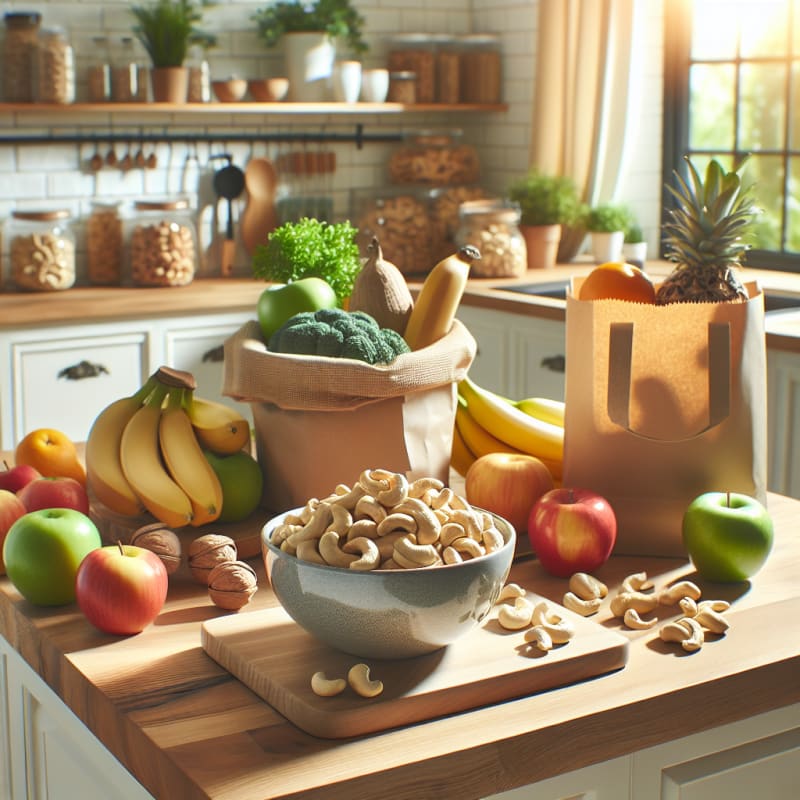
Are Cashews Good for You? Here’s What Nutrition Experts Say
In a world increasingly conscious of food choices, the humble cashew has transitioned from a snack bowl staple to a subject of nutritional debate. As consumers scrutinize ingredient lists and seek foods that align with their health goals, the question arises: are cashews good for you? This article, drawing on scientific research, expert opinion, and practical tools like Food Scan Genius, examines the nutritional profile, health benefits, potential risks, and broader implications of consuming cashews.
Understanding Cashews: Origins and Nutritional Composition
Cashews (Anacardium occidentale) are native to Brazil and now cultivated globally. Unlike many nuts, cashews are technically seeds, harvested from the cashew apple. Their popularity stems not just from their creamy texture and mild flavor, but also from their dense nutrient content.
| Nutrient | Amount | % Daily Value* |
|---|---|---|
| Calories | 157 | 8% |
| Protein | 5g | 10% |
| Total Fat | 12g | 18% |
| Saturated Fat | 2g | 10% |
| Carbohydrates | 9g | 3% |
| Dietary Fiber | 1g | 4% |
| Magnesium | 83mg | 20% |
| Zinc | 1.6mg | 15% |
| Iron | 1.9mg | 10% |
| Vitamin K | 9.7mcg | 8% |
*Percent Daily Values are based on a 2,000 calorie diet. Source: USDA FoodData Central
Health Benefits: What the Science Says
1. Heart Health
Cashews are rich in unsaturated fats, particularly oleic acid, which is associated with lower LDL cholesterol and improved cardiovascular health. A systematic review published in PubMed found that regular nut consumption, including cashews, may reduce the risk of coronary heart disease.
- Monounsaturated fats help maintain healthy cholesterol levels.
- Magnesium supports blood pressure regulation.
- Antioxidants (such as tocopherols) protect against oxidative stress.
2. Weight Management
Despite their calorie density, cashews may aid in weight control. Their combination of protein, fiber, and healthy fats promotes satiety, reducing overall calorie intake. According to the FDA, eating nuts as part of a balanced diet does not increase body weight and may support metabolic health.
3. Bone and Immune Health
Cashews are a source of minerals essential for bone density and immune function:
- Magnesium and zinc contribute to bone strength and immune defense.
- Copper supports iron metabolism and collagen formation.
4. Blood Sugar Control
Emerging research suggests that cashews have a low glycemic index and may help stabilize blood sugar levels when consumed in moderation. The European Food Safety Authority (EFSA) recognizes nuts as beneficial for glycemic control.
Potential Risks and Considerations
Allergies and Sensitivities
Cashew allergies, while less common than peanut allergies, can cause severe reactions. Symptoms range from mild itching to anaphylaxis. Individuals with tree nut allergies should avoid cashews.
Oxalates and Kidney Health
Cashews contain oxalates, compounds that may contribute to kidney stone formation in susceptible individuals. Moderation is advised for those with a history of kidney stones.
Caloric Density
Cashews are energy-dense. Overconsumption may lead to weight gain, particularly if not balanced with physical activity. Portion control is key.
Processing and Additives
Many commercially available cashews are roasted and salted, increasing sodium content. Unsalted, raw cashews are generally preferable for optimal health.
Cashews in the News: Recent Developments
- Eco-Friendly Agriculture: According to BBC News, cashew farming is increasingly adopting sustainable practices, reducing environmental impact.
- Global Demand Surges: Reuters reports a significant rise in global cashew demand, driven by plant-based diets and snack innovations.
- Food Safety Concerns: The New York Times highlights the importance of proper processing to eliminate toxins naturally present in raw cashews.
Q&A: Are Cashews Good for You?
Q: What makes cashews a healthy choice?
A: Cashews provide a balance of healthy fats, plant-based protein, and essential minerals. They support heart, bone, and metabolic health when consumed in moderation.
Q: Are there any risks to eating cashews?
A: Yes. Allergies, high oxalate content, and calorie density are considerations. Individuals with nut allergies or kidney issues should consult a healthcare provider before adding cashews to their diet.
Q: How do cashews compare to other nuts?
A: Cashews are lower in fat than some nuts, such as macadamias, but higher in carbohydrates. Their magnesium and copper content is notably high, making them a unique addition to a varied diet.
Q: Can cashews fit into a weight loss plan?
A: Yes, if portion sizes are controlled. The satiety provided by cashews may help reduce overall calorie intake, supporting weight management.
Food Scan Genius: Navigating Food Sensitivities and Preferences
For those with allergies, dietary restrictions, or specific health goals, identifying safe foods is paramount. The Food Scan Genius app (scangeni.us) empowers users to scan product labels, instantly flagging allergens, additives, and nutritional content.
“After discovering my sensitivity to cashews, Food Scan Genius became my go-to app. It quickly alerts me to hidden ingredients, saving me from accidental exposure. Highly recommended for anyone with food concerns!” — Sarah L., Food Scan Genius User
Whether you are vegan, gluten-free, or managing a nut allergy, technology like Food Scan Genius helps translate ingredient lists into actionable insights, making grocery shopping safer and more efficient.
The Bigger Picture: Why Ingredient Awareness Matters
As food systems globalize, ingredient transparency becomes essential—not only for individual health but for broader societal well-being. Cashews, like many nuts, exemplify the complexities of modern food choices: balancing nutritional benefits, environmental impact, and personal sensitivities.
- Health Equity: Access to safe, nutritious foods is a public health priority.
- Environmental Sustainability: Responsible sourcing and farming practices affect ecological health.
- Consumer Empowerment: Apps and digital tools democratize food knowledge, fostering informed decisions.
Conclusion: Making Informed Choices About Cashews
So, are cashews good for you? The evidence suggests that cashews, when consumed mindfully, offer substantial health benefits—heart protection, metabolic support, and essential nutrients. Yet, individual risks such as allergies and kidney concerns must not be overlooked. In an age of information and innovation, tools like Food Scan Genius bridge the gap between ingredient complexity and consumer understanding, ensuring that food choices align with personal health needs.
Ultimately, the journey towards healthier eating begins with curiosity and vigilance. By embracing science, leveraging technology, and prioritizing ingredient awareness, everyone can navigate the modern food landscape with confidence—cashews included.
References
- USDA FoodData Central: Cashew Nutrition Facts
- PubMed: Nut Consumption and Heart Disease
- FDA: Nuts and Heart Disease
- EFSA: Scientific Opinion on Nuts and Glycemic Control
- BBC News: Sustainable Cashew Farming
- Reuters: Cashew Demand Booms
- The New York Times: Cashew Food Safety
Frequently Asked Questions
- Are cashews safe for children? Yes, but they should be introduced cautiously due to allergy risks and choking hazards. Always consult a pediatrician.
- Can cashews cause weight gain? Only if consumed in excess. Moderation and portion control are essential.
- What is the best way to store cashews? Store in an airtight container in a cool, dry place to prevent rancidity.
- Are raw cashews healthier than roasted? Raw cashews retain more nutrients, but must be processed to remove natural toxins. Roasted cashews are safer and more widely available.