2025 Guide to Artificial Additives in Food: What’s Changing and Why
In 2025, the food industry is undergoing a major transformation. Artificial additives—once essential for shelf life, color, and flavor—are now under intense scrutiny. From FDA reviews to Walmart’s move to eliminate synthetic dyes, the shift toward cleaner, more transparent ingredients is accelerating. Consumers are demanding natural alternatives, and regulators are tightening oversight, signaling the beginning of a new era for food formulation.
Why Artificial Additives Are Under Pressure in 2025
Artificial additives—synthetic colors, preservatives, and flavor enhancers—have long been used to improve taste, texture, and shelf life. But in 2025, a combination of scientific research, consumer activism, and policy changes is pushing the industry toward natural solutions.
Key Drivers of the Shift
- Regulatory scrutiny: The FDA’s Food Additive Status List is under review, with several synthetic dyes and preservatives facing reevaluation.
- Retailer leadership: Walmart’s 2025 announcement to remove synthetic dyes from its private-label foods marks a turning point for the retail sector.
- Consumer awareness: Viral social media content, like this YouTube exposé on hidden additives, is fueling public demand for ingredient transparency.
- Scientific trends: The Institute of Food Technologists (IFT) lists clean label and plant-based additives among the top 2025 food trends.
Regulatory Updates: FDA and USDA Tighten Standards
In 2025, the FDA and USDA are intensifying oversight of food additives. The FDA’s ongoing GRAS (Generally Recognized as Safe) review process now requires more robust toxicology data for synthetic ingredients, while the USDA’s updated school meal standards restrict artificial colors and sweeteners in children’s foods.
| Agency | Focus Area | 2025 Update |
|---|---|---|
| FDA | Food Additive Safety Review | Reevaluating synthetic dyes and preservatives under GRAS standards |
| USDA | School Meal Nutrition Standards | Restricting artificial colors and non-nutritive sweeteners |
Retailers Take the Lead: Walmart’s Synthetic Dye Removal
In October 2025, Walmart announced it would eliminate synthetic dyes from all private-brand food products. This move aligns with growing consumer demand for transparency and natural ingredients. Walmart’s decision is expected to influence other major retailers and food manufacturers to follow suit, accelerating the clean label movement.
Impact on the Market
- Increased demand for natural colorants like beet juice, turmeric, and spirulina.
- Higher reformulation costs for manufacturers adapting to new standards.
- Growth in the global food and beverage additives market for plant-based and bio-derived ingredients.
Consumer Demand for Transparency and Clean Labels
According to Food Dive’s 2025 trend report, clean label products are now a top driver of consumer purchasing decisions. Shoppers are reading ingredient lists more carefully, avoiding synthetic additives, and seeking foods labeled “free from artificial colors or preservatives.”
Social media continues to amplify this trend. Viral videos and influencer-led campaigns expose hidden additives in snacks, beverages, and children’s foods, prompting consumers to demand reformulation. Transparency is no longer optional—it’s expected.
Natural Alternatives to Artificial Additives
As synthetic ingredients face bans and reformulations, natural alternatives are stepping into the spotlight. These plant-based and fermentation-derived additives offer similar functionality with cleaner labels.
| Function | Artificial Additive | Natural Alternative |
|---|---|---|
| Color | Red 40, Yellow 5 | Beet juice, turmeric, paprika extract |
| Preservative | BHA, BHT | Rosemary extract, green tea polyphenols |
| Flavor enhancer | MSG | Yeast extract, mushroom concentrate |
| Sweetener | Aspartame, sucralose | Stevia, monk fruit, allulose |
Emerging Technologies for Natural Additives
Innovation is driving the next generation of natural additives. Fermentation and precision biomanufacturing are producing stable, sustainable alternatives to synthetic chemicals. According to IFT’s 2025 trends report, these technologies are key to meeting both regulatory and consumer demands for cleaner labels.
How Consumers Can Avoid Artificial Additives in 2025
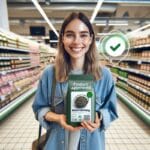
For consumers, avoiding artificial additives is easier than ever thanks to improved labeling and digital tools. Apps like Food Scan Genius let users scan barcodes to instantly identify synthetic dyes, preservatives, and allergens in packaged foods.
User testimonial: “I started using Food Scan Genius to check snacks for my kids. It’s amazing how many hidden additives it found. Now I can shop confidently knowing what’s really in our food.”
Tips for Cleaner Eating
- Choose products labeled “no artificial colors or preservatives.”
- Use apps like Food Scan Genius for quick ingredient transparency.
- Opt for whole, minimally processed foods whenever possible.
- Stay informed about updates from the FDA and USDA.
Broader Implications for the Food Industry
The shift away from artificial additives in 2025 is not just a passing trend—it’s a structural change. Manufacturers are investing in R&D to develop natural formulations that meet safety, taste, and stability standards. Retailers are setting new benchmarks for transparency, and regulators are aligning policies with evolving science and consumer expectations.
According to Global Market Insights, the natural additives market is projected to grow rapidly, driven by plant-based innovation and stricter additive regulations. This transformation represents a convergence of health, sustainability, and trust—the three pillars shaping the future of food.
Frequently Asked Questions (FAQ)
What artificial additives are banned in 2025?
In 2025, several synthetic dyes and preservatives are under review or removal by major retailers and regulators. The FDA’s updated Food Additive Status List highlights ingredients facing potential restrictions, while Walmart has already eliminated synthetic dyes from its private-label foods.
Why is Walmart removing synthetic dyes?
Walmart’s decision to remove synthetic dyes aligns with consumer demand for transparency and natural ingredients. The company’s 2025 announcement reflects a broader industry shift toward clean label standards.
How do FDA food additive regulations affect manufacturers?
Manufacturers must provide more safety data for synthetic additives under the FDA’s GRAS review process. This encourages innovation in natural and plant-based alternatives that meet safety and labeling requirements.
What are the best natural preservatives for food?
Popular natural preservatives include rosemary extract, green tea polyphenols, and cultured dextrose. These ingredients help extend shelf life while maintaining a clean label profile.
How can I avoid artificial additives in my diet?
Read ingredient labels carefully, choose clean label brands, and use digital tools like Food Scan Genius to identify hidden additives quickly.
What is driving the clean label food trend in 2025?
Consumer awareness, social media influence, and stricter regulations are driving the clean label movement. Reports from Food Dive and IFT confirm that transparency and natural ingredients are top priorities for consumers in 2025.
Final Takeaway
The 2025 shift away from artificial additives in food marks a defining moment for the industry. Regulatory pressure, retailer leadership, and consumer demand are converging to create a cleaner, more transparent food system. As natural alternatives become mainstream, the future of food will be defined by trust, innovation, and informed choices.
For anyone seeking to understand what’s really in their food, tools like Food Scan Genius make transparency simple. The era of hidden ingredients is ending—2025 is the year clean label becomes the new normal.