Stay informed with Monroe County restaurant inspections. Discover 2025’s top food safety trends, allergy alerts, and tips for confident, safe dining.

Bone-Strengthening Diets: Allergy-Safe Choices & Food Labels for 2025
Discover the eating style proven to boost bone health during weight loss, with the latest food safety and allergy-friendly tips for confident choices.

Savannah Shines: Allergy-Safe Vegan & Vegetarian Food Safety Tips for 2025
Discover which Georgia city ranks among the best for vegans and vegetarians in 2025—plus top allergy-friendly food tips and safety trends.
India’s Plant-Based Tax Cuts: Safer, Cheaper Allergy-Friendly Grocery Trends for 2025
India cuts taxes on plant-based foods, making vegan and allergy-friendly options safer and more affordable for all. Discover the new 2025 food safety trends.

Vegan Fair Foods: Allergy-Safe Choices & 2025 Food Safety Trends for Families
Twin brothers redefine State Fair history with their vegan booth, inspiring allergy-safe food choices and confidence for families in 2025.

India’s Plant-Based Tax Cuts: Safer, Affordable Vegan & Allergy-Friendly Choices for 2025
India slashes taxes on plant-based foods, making vegan options more affordable and safer for allergy-conscious families in 2025.

2025 Food Safety & Allergy Awareness: Smart Grocery Choices and Label Tips
Discover the latest food safety ruling on Stew Leonard’s staff and allergy awareness, plus 2025 trends for safer grocery shopping and confident choices.

2025 Food Safety & Allergy Awareness: Smart Grocery Shopping, Ingredient Labels, and Nut Allergy Prevention
Discover how Stew Leonard’s staff and president were ruled not liable in a tragic allergy case, highlighting 2025 food safety and allergy awareness.

2025 Allergy-Safe Coffee: Gregorys & Nuzest’s Protein Buzz for Smart Shopping
Discover Gregorys Coffee’s new Nuzest plant-based protein brew—crafted for allergy safety, food awareness, and smart 2025 grocery choices.

Is Maggi Gluten-Free? 2025 Food Safety, Allergy Awareness & Smart Grocery Tips
Wondering if Maggi is gluten-free? Discover 2025 food safety trends, allergy tips, and recent headlines to help you shop with confidence.
Navigating Food Allergy Risks: Smart Ingredient Labeling & 2025 Grocery Safety Trends
Discover how Stew Leonard’s workers were found not liable in a NY food allergy death, sparking new conversations on food safety and allergy awareness.
2025 Food Safety: Allergy Awareness, Smart Ingredient Labels, and Confident Grocery Shopping
Stew Leonard’s cookie allergy case sparks new food safety conversations—learn how families can shop smarter and feel confident in 2025.

Is Amul Cheese Halal or Kosher? 2025 Guide to Food Safety & Allergy-Friendly Choices
Is Amul cheese halal or kosher? Discover 2025 food safety trends, allergy tips, and expert insights for safer, confident dietary choices.

How Waterford’s French Fry Plant Sets the Standard for Allergy-Safe, Organic Snacks in 2025
Discover how Waterford’s French fry plant makes allergy-safe, organic fries with 2025’s top food safety trends. See the full process in our latest article.

2025 Food Safety & Allergy Awareness: Smarter Shopping with Natural Grocers®
Natural Grocers® joins Girl Scouts for GirlFest 2025, supporting food safety, allergy awareness, and empowering healthy choices for young leaders.
Egg Allergy Ingredient Guide: Smart Food Label Tips & 2025 Safety Trends
Discover which ingredients to avoid if you have an egg allergy. Stay safe and confident with trending 2025 food safety tips and allergy-friendly solutions.

2025 Food Safety: How Colostrum Feeding Impacts Infant Peanut Allergy Risk
New research links partial colostrum feeding to higher infant peanut allergy risk. Stay informed for safer food choices and confident parenting.

How to Scan Food for Allergens: 2025 Food Safety & Allergy Awareness Guide
Discover how to scan your food for allergens with the latest tech. Stay safe and confident with 2024–2025 food safety trends and allergy tips.
Partial Colostrum Feeding: What Parents Need to Know About Infant Peanut Allergy Risk in 2025
New research links partial colostrum feeding to higher infant peanut allergy risk. Discover what parents need to know for safer feeding choices.
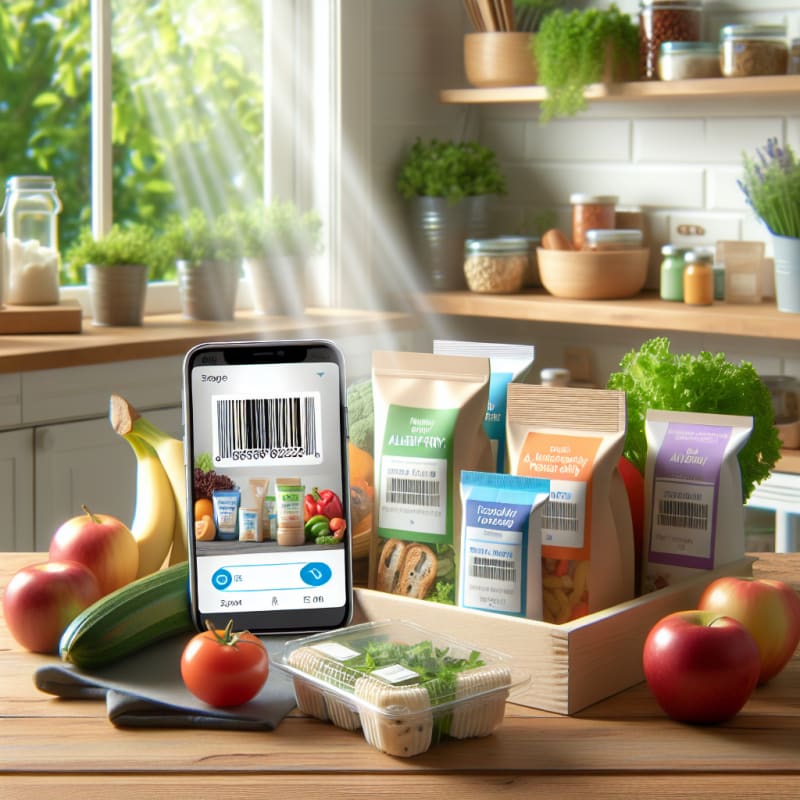
How to Scan Food Labels for Allergens: 2025 Food Safety & Allergy Tips
Stay ahead of food allergies with smart scanning tips. Discover 2025 food safety trends and gain confidence with every bite. Allergy awareness starts here.

Halal Food Safety & Allergy-Friendly Menus: Smart 2025 Choices for Confident Dining
Discover why Halal menus are redefining food safety and allergy awareness in 2025—learn how inclusive dining boosts confidence and trust.

Kinder Bueno & Kids: Food Safety, Allergy Risks, and Smart Snacking in 2025
Wondering if Kinder Bueno is safe for kids? Discover 2024–2025 food safety tips, allergy alerts, and parent-approved snack choices for peace of mind.

Halal & Allergy-Safe: The 2025 Guide to Confident, Inclusive Dining
Discover why halal food is the next essential on foodservice menus, blending allergy safety, transparency, and peace of mind for families and food lovers.

Are Lays Chips Safe for Kids? 2025 Guide to Allergy-Friendly Snacks & Labels
Are Lays chips safe for kids in 2025? Explore food safety trends, allergy risks, and expert tips for confident snack choices. Read now for peace of mind.

Atlanta’s Gluten-Free Pizza & Beer Fest: Allergy-Safe Choices & 2025 Food Trends
Discover Atlanta’s first gluten-free Pizza & Beer Fest—celebrating safe, delicious options for food allergy families. Find your new favorite treat!

Top Keto Food Label Scanner Apps 2025: Safe, Allergy-Friendly Shopping Trends
Discover the best keto food label scanner apps for 2025 to boost food safety, allergy awareness, and confident grocery shopping. Stay safe and informed!
2025 Baby Food Recall: Allergy-Safe Shopping & Label Tips for Parents
Stay updated on the latest baby food recall expansion with expert tips for safe, allergy-friendly choices and peace of mind for parents.

2025 Food Safety & Allergy Awareness: Smart Grocery Choices for Every Family
Discover how Iceland Foods Charitable Foundation & Natasha Allergy Research Foundation are driving food safety and allergy awareness for confident choices.

2025 Allergy-Safe Grocery Shopping: New Partnerships & Food Safety Trends
Discover how Iceland Foods Charitable Foundation and Natasha Allergy Research Foundation are shaping safer food choices for allergy families in 2025.

Allergy-Safe Grocery Shopping in 2025: Food Safety, Labels & Confidence
Discover how Iceland Foods Charitable Foundation and Natasha Allergy Research Foundation are advancing allergy-safe grocery shopping for families.

2025’s Best Keto Food Label Scanner Apps for Allergy-Safe Grocery Shopping
Discover 2025’s top keto food label scanner apps for safer, allergy-friendly shopping and confident meal planning—your guide to healthy choices.
10 Allergy-Safe Foods for Better Gut Health: 2025 Food Safety & Grocery Trends
Discover 10 gut-friendly foods for safer, allergy-aware eating—learn how to boost your digestive health naturally in 2025 with smart grocery habits.

How to Scan Your Food for Animal Products & Allergens: 2025 Grocery Guide
Worried about hidden animal products? Discover easy ways to scan your food labels for allergens and animal ingredients—stay safe and confident in 2025.

Costco Chocolate Recall: 2025 Food Safety, Allergy Awareness & Smart Shopping Trends
Costco recalls Dubai-style chocolate over allergy risk—learn how food safety trends and smart shopping protect your family from hidden allergens.

Is Kinder Bueno Keto & Allergy-Safe? 2025 Food Safety and Label Tips
Wondering if Kinder Bueno fits your keto lifestyle and allergy needs? Discover 2025 food safety trends and expert tips for confident snack choices.

Costco Chocolate Recall: 2025 Food Safety, Allergy Risks & Smarter Grocery Choices
Stay safe—Costco recalls Dubai-style chocolate due to hidden allergy risks. Learn about 2025 food safety trends and make confident, informed choices today.

2025’s Best Food Scanner Apps for Jain: Allergy-Safe Choices & Confident Shopping
Discover the best food scanner apps for Jain in 2025—stay allergy-safe, confident, and up-to-date with food safety trends. Make every meal worry-free!

Rising Food Allergies in 2025: Safety Tips, Label Insights & Grocery Trends
Discover the rise of new food allergies in 2025. Learn the latest safety tips, trends, and how to protect your family with expert-backed insights.
Is Lays Safe for Lactose Intolerance? 2025 Food Safety & Allergy Label Guide
Is Lays safe for lactose intolerance? Discover 2024–2025 food safety trends, allergy tips, and confident snacking for sensitive diets.

Costco Chocolate Recall: 2025 Food Safety & Allergy-Safe Grocery Tips
Costco recalls Dubai-style chocolate due to allergy risk. Learn key 2025 food safety tips and how to protect your family’s health with allergy-safe choices.
Are Pringles FODMAP-Friendly? 2025 Food Safety, Allergy Tips & Smart Snacking
Is Pringles FODMAP-friendly? Discover 2025 food safety insights, allergy tips, and new snack trends for safer, confident choices every day.
Is Barilla Pasta Allergy-Safe? 2025 Food Safety & Ingredient Label Guide
Wondering if Barilla pasta is allergy-safe? Get the latest on allergens, food safety trends, and label tips for confident, worry-free meals in 2024–2025.

Is Barilla Pasta Keto-Friendly? 2025 Food Safety, Allergy Tips & Smart Shopping
Is Barilla pasta keto-friendly? Discover 2025 food safety trends, allergy tips, and confident pasta choices for your healthiest kitchen yet.
Are Pringles Halal or Kosher? 2025 Food Safety & Allergy-Safe Snack Guide
Explore if Pringles are halal or kosher, with 2025 food safety tips, allergy insights, and smart grocery advice for confident snack choices.

Healthy Tailgating Recipes & Allergy-Safe Tips for 2025 Food Safety
Discover allergy-friendly tailgating recipes with Shanthi Appelo, packed with 2025 food safety tips and confidence for every snack lover.

Italy’s Top 10 Keto Snacks: Allergy-Friendly & Food Safety Picks for 2025
Discover the top 10 keto snacks in Italy for 2024–2025. Explore allergy-friendly picks, food safety trends, and smart snacking tips for confident choices.
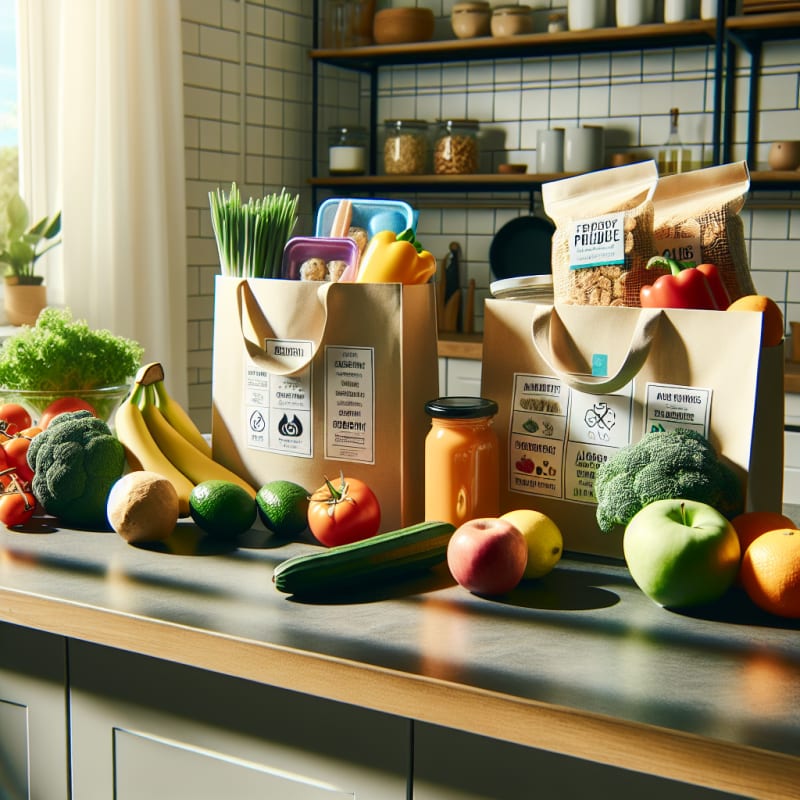
2025 Food Safety & Allergy Trends: Smart Ingredient Labels and Confident Grocery Shopping
Explore how BCDA may benefit from 2025 macro trends in food safety and allergy awareness. Stay informed with our weekly investment insights.
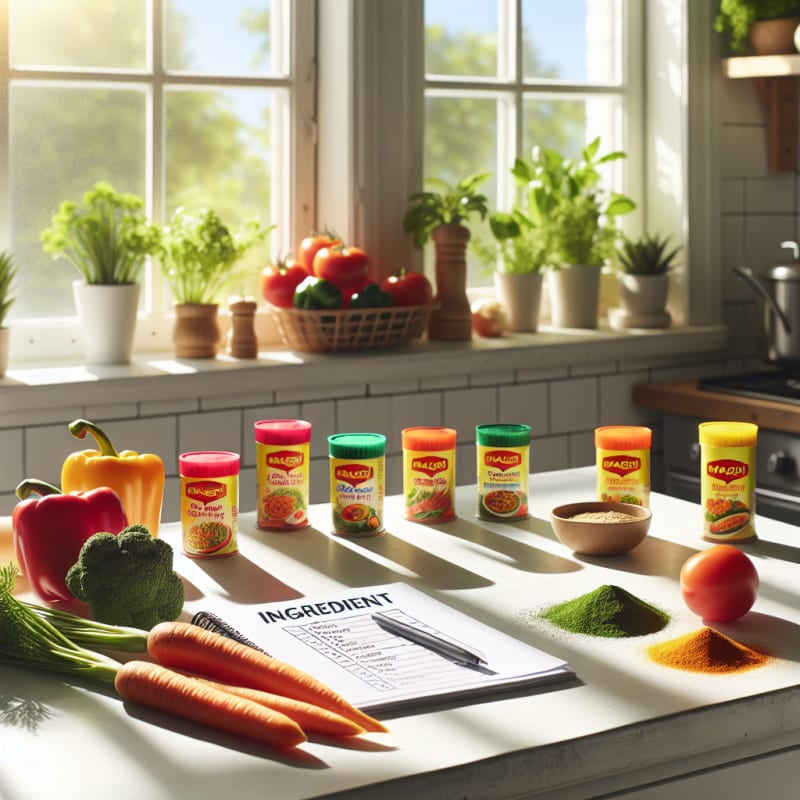
Is Maggi Halal or Kosher? 2025 Food Safety, Allergy, and Label Guide
Is Maggi halal or kosher? Discover 2025 food safety trends, allergy tips, and ingredient label insights to eat with confidence and make safer choices.
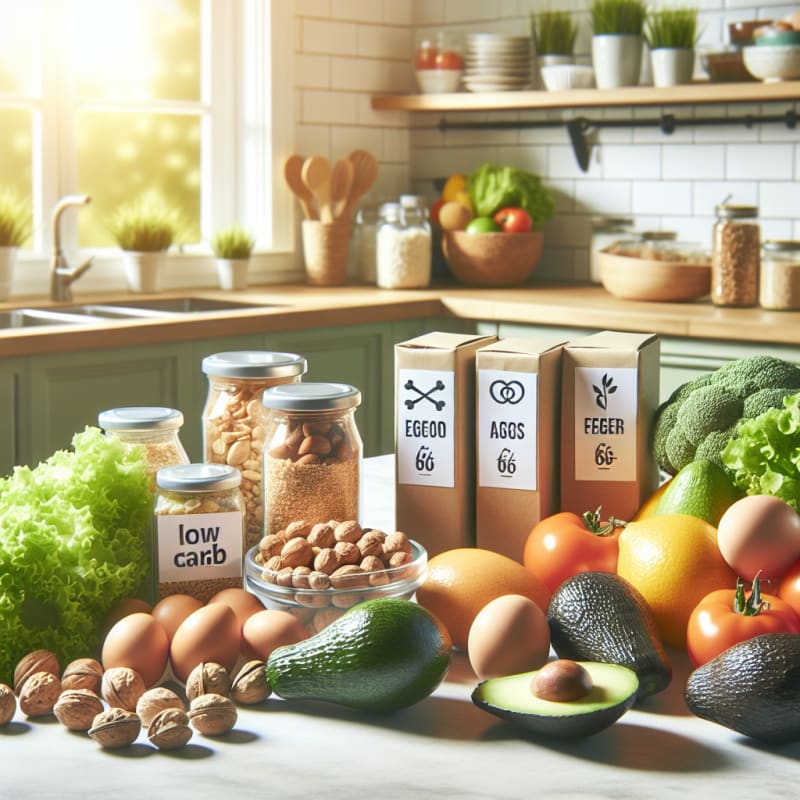
Is the Keto Diet Safe in 2025? Food Safety, Allergy Awareness & Smart Grocery Choices
Is the keto diet really safe for everyone? New research highlights weight loss benefits but raises cholesterol concerns—learn more for healthy choices.
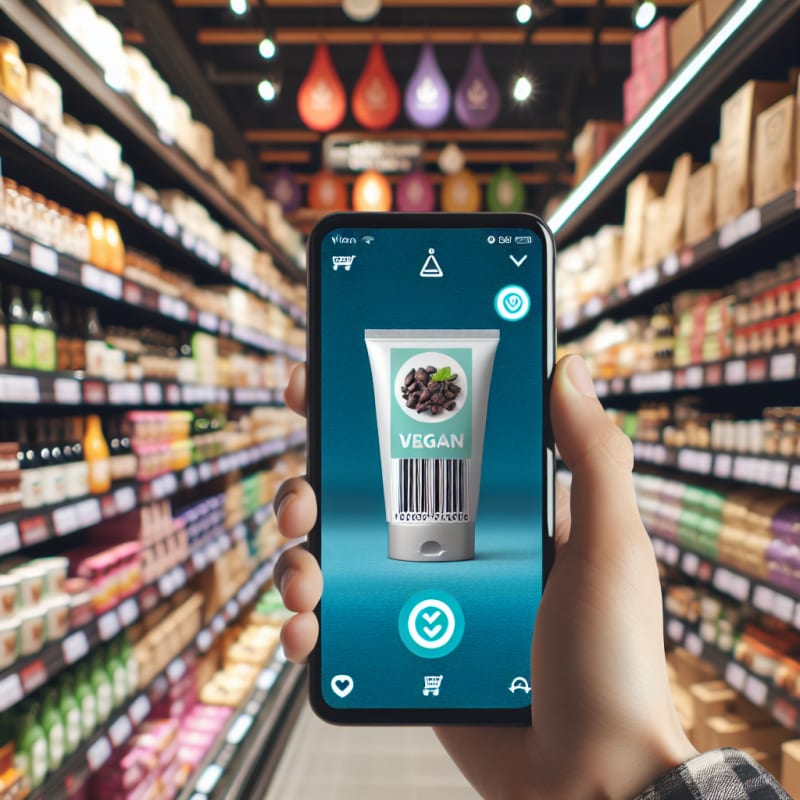
2025’s Best Vegan Food Scanner Apps for Allergy-Safe, Smart Grocery Shopping
Discover the best vegan food scanner apps for 2025 to make safe, allergy-friendly choices—stay ahead of food safety and grocery trends.
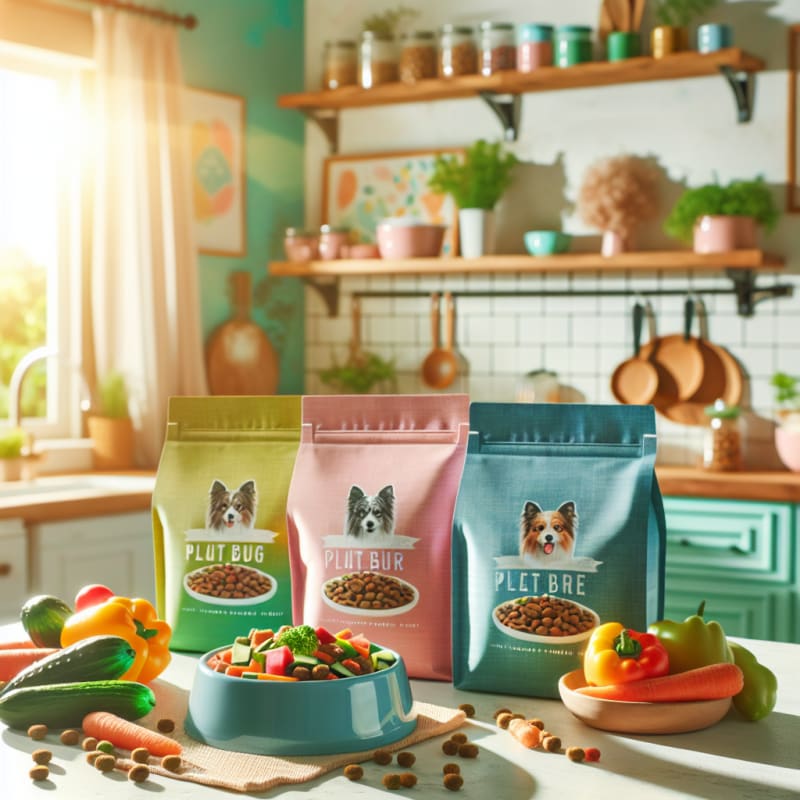
2025 Allergy-Safe Dog Food Guide: Plant-Based Nutrition & Smart Label Tips
Plant-based dog foods nearly match meat diets in nutrition, offering allergy-friendly, safe choices for conscious pet owners. Discover new 2025 trends.
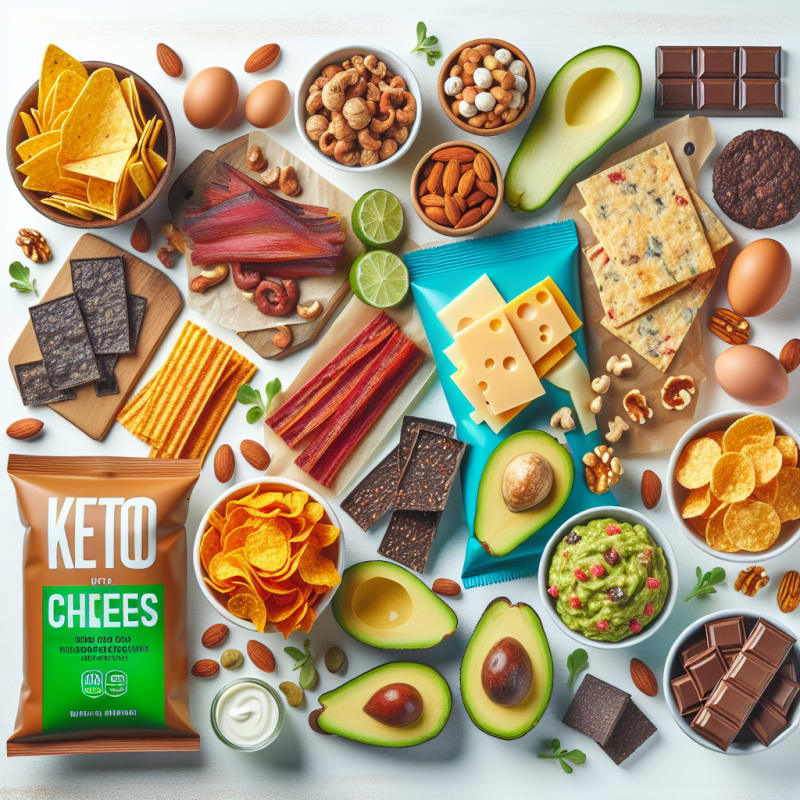
Top 10 Keto Snacks USA: Allergy-Safe Picks & 2025 Food Safety Guide
Discover the top 10 keto snacks in the USA for 2024–2025 with allergy-friendly picks and the latest food safety trends. Snack safely and confidently!

61 Ways to Lose Visceral Fat Safely: Allergy-Friendly Food Tips & 2025 Grocery Trends
Discover the #1 way to fix visceral fat with 61 expert tips for safe, allergy-friendly weight loss. Make confident choices for your family’s health.

Top 10 Allergy-Friendly Vegan Snacks in Italy: Food Safety & 2025 Trends
Discover Italy’s top 10 vegan snacks for 2024–2025, packed with allergy-friendly options and the latest food safety insights for confident, safe snacking.

America’s Top Allergy-Safe Restaurant: 2025 Food Safety, Smart Labels & Confident Choices
Discover the top-rated restaurant in America, plus expert tips on allergy-friendly dining and 2025 food safety trends for confident meal choices.
Are Lays Chips Safe for Lactose Intolerance? 2025 Food Safety & Allergy Tips
Wondering if Lays chips are safe for lactose intolerance? Discover 2025 food safety, allergy tips, and confidence for smart snack choices today.

Plant-Based Dog Food vs Meat: Safer, Allergy-Friendly Choices for 2025
Discover the latest research showing plant-based dog foods nearly match meat diets in nutrition, supporting safer, allergy-friendly choices for pet health.
Are Lays Chips Safe for Lactose Intolerance? 2025 Allergy-Friendly Food Safety Guide
Wondering if Lays is safe for lactose intolerance? Discover the latest 2025 food safety trends and expert tips for confident, allergy-friendly snacking.

2025 Food Safety & Allergy Awareness: Smart Label Reading and Safer Travel Choices
A passenger’s allergy request on a flight sparks debate—discover why food safety and empathy matter more than ever in 2025.
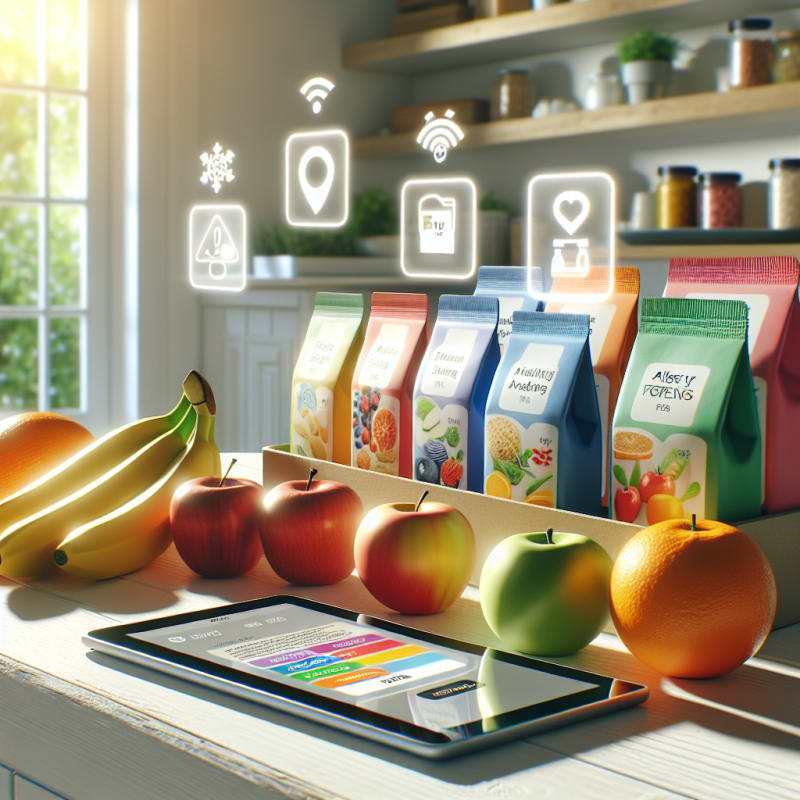
How To Spot Food Allergens: 2025 Guide to Safer Grocery Shopping & Eating
Learn how to identify food allergens easily with 2025 safety trends. Stay confident, protect your family, and shop smart for allergy-safe meals.

2025 Food Safety & Allergy Awareness: How Oman’s Plant-Based Leadership Empowers Safer Grocery Choices
Discover how Oman’s business tourism boom and the International Plant-Based Food Conference are shaping allergy-friendly and safe global food trends in 2025.

How To Spot Food Allergens: Safety, Label Tips & 2025 Grocery Trends
Wondering if your food is allergy-safe? Discover 2025 food safety trends and easy ways to spot hidden allergens with today’s smart label tips.
2025 Food Safety & Allergy Awareness: Smarter Shopping and Safer Choices
Discover how Singapore’s updated foreign-interference law boosts food safety, allergy awareness, and public confidence—stay informed on 2025 trends.
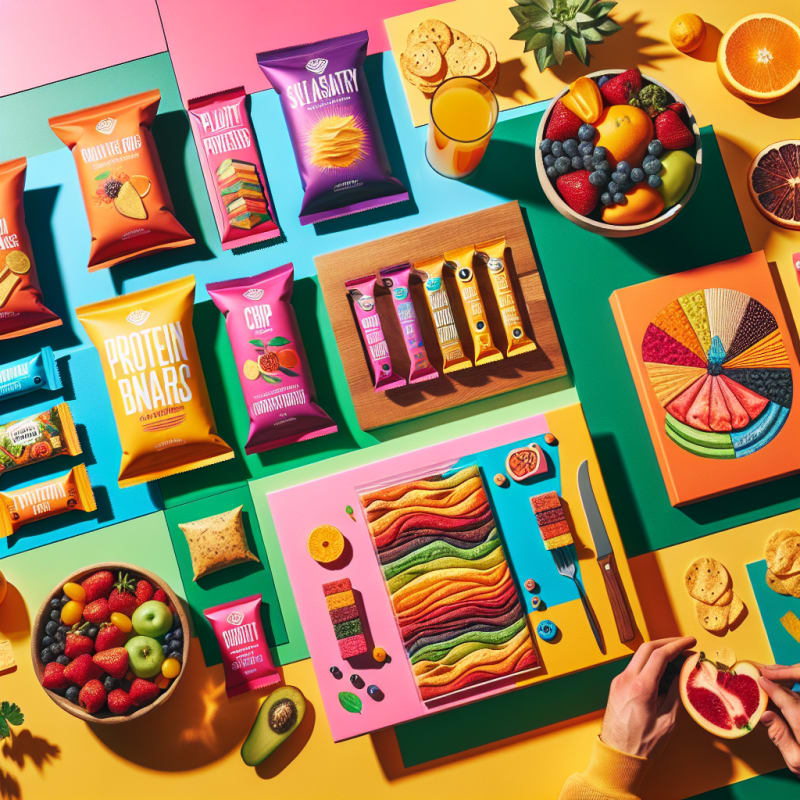
10 Best Vegan Snacks for 2025: Allergy Awareness, Food Label Safety & Smart Grocery Picks
Discover the top 10 vegan snacks in the USA for 2024–2025 with allergy-safe options, food safety updates, and smart label tips for confident snacking.

2025 Food Safety & Allergy-Safe Grocery Trends: Navigating Rising Organic Prices
Organic food prices may rise in 2025, impacting families with food allergies and dietary needs. Learn about trends, safety tips, and confident choices.

How To Scan Food Labels For Animal Products & Allergy-Safe Shopping (2025 Guide)
Learn how to scan food labels for hidden animal products and allergens with new 2025 food safety tips for confident, allergy-safe grocery choices.
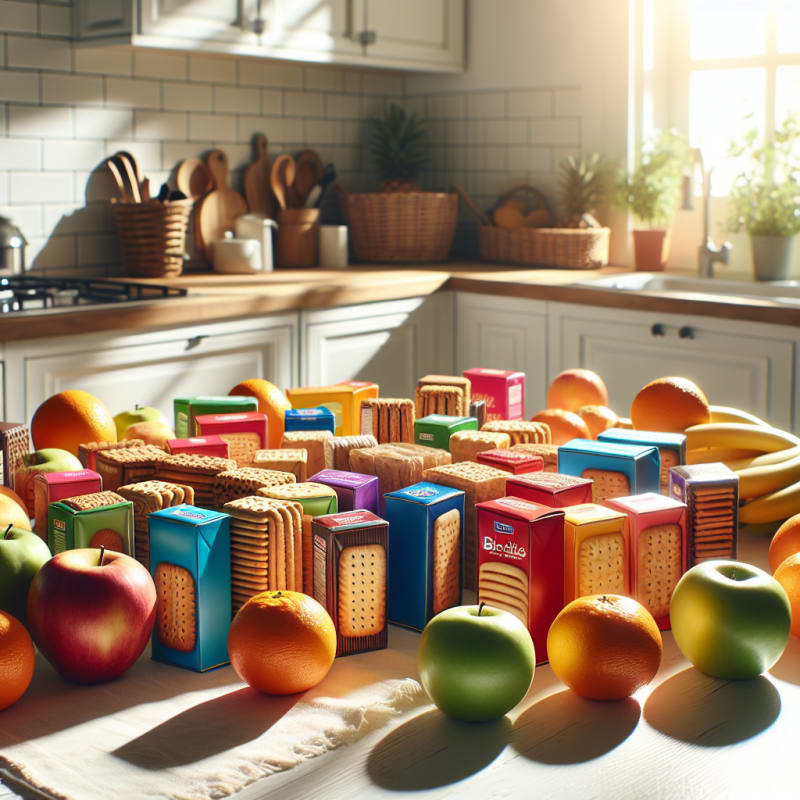
FDA Biscuit Recall Update: Allergy-Safe Choices & Food Label Tips for 2025
Stay informed as FDA issues a biscuit recall warning—protect your family with the latest food safety and allergy updates for confident grocery choices.
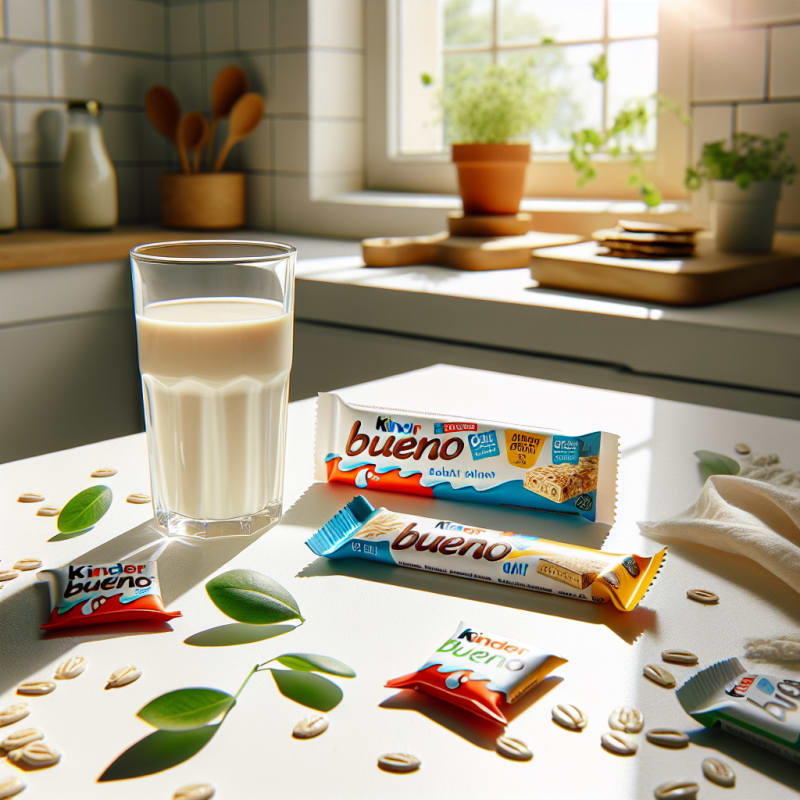
Is Kinder Bueno Safe for Lactose Intolerance? 2025 Food Safety & Allergy Tips
Wondering if Kinder Bueno is safe for lactose intolerance? Get the latest 2025 food safety insights and allergy tips for confident snack choices.

2025 Food Safety & Allergy Awareness: How Smart Labels Empower Families
Pran secures $1.5m at Malaysia’s halal fair, spotlighting allergy-friendly foods and 2025 food safety trends for confident family choices.

How to Scan Food Labels for Artificial Additives: Allergy-Safe Shopping in 2025
Discover how to scan your food for artificial additives using smart tools. Stay safe, allergy-aware, and confident with 2025 food safety trends.

Starbucks Doubles Down: 2025’s Protein & Gluten-Free Food Safety Revolution
Starbucks CEO commits to more protein and gluten-free options, leading 2025 food safety and allergy-friendly trends. Discover what this means for your choices.

Is Fanta Vegan? 2025 Guide to Food Safety, Allergy Risks & Smart Labels
Is Fanta vegan? Discover the latest 2024–2025 food safety trends, allergy risks, and ingredient insights for safe, confident choices.

Top 3 Food Recalls This Week: Allergy Alerts, Ingredient Labels & 2025 Safety Trends
Stay informed and protect your family—discover this week’s top 3 urgent food recalls, allergy alerts, and smart grocery safety tips you need now.

Is Nutella Safe for Kids? 2025 Food Safety, Allergy Awareness & Smart Snacking
Wondering if kids can safely eat Nutella in 2025? Discover food safety trends, allergy advice, and smart choices for confident snacking.
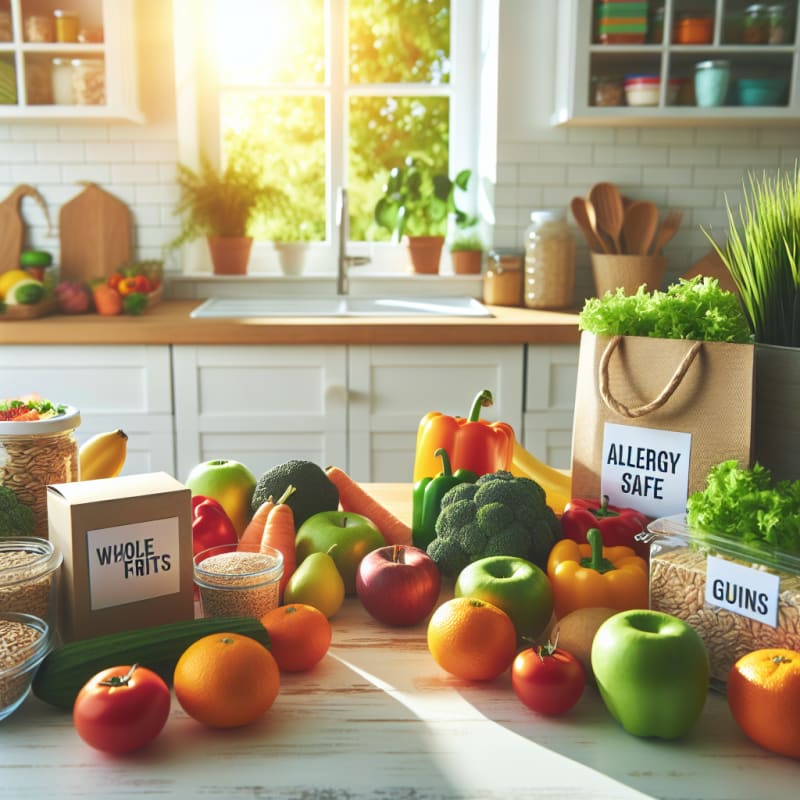
Diet Therapy for Blood Pressure & Sugar: Allergy-Safe Tips and 2025 Food Trends
Discover practical diet therapy tips to manage blood pressure and blood sugar safely, with 2025 food safety and allergy-aware insights.
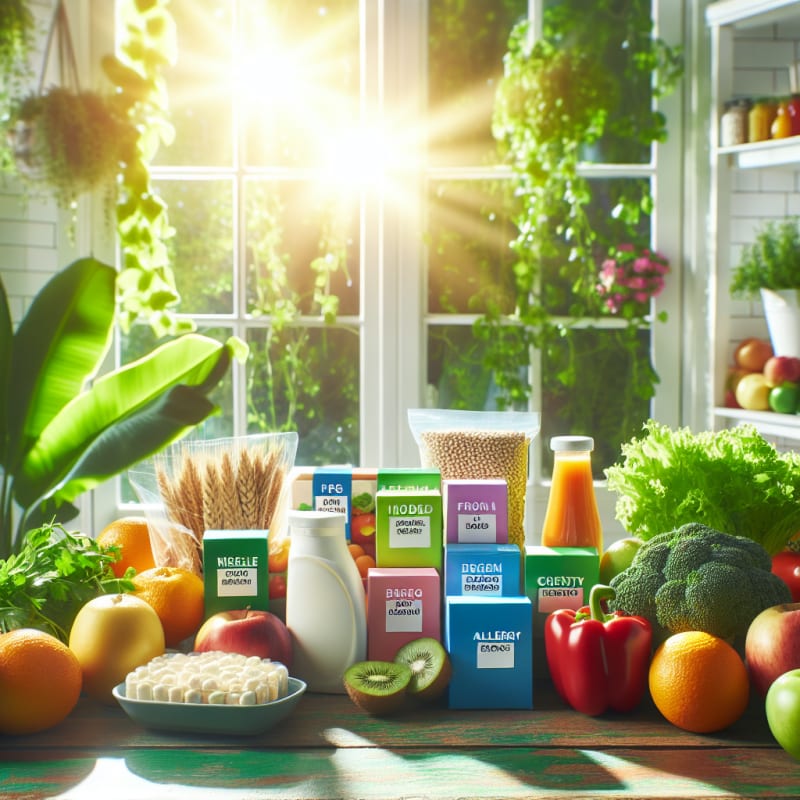
2025 Food Safety & Allergy Trends: Dihydromyricetin’s Promise for Diabetes
Discover how Dihydromyricetin may protect β-cell function in Type 1 Diabetes, supporting safer food choices and confident allergy management for families.

Top 10 Halal Snacks in the USA for Allergy-Safe, Confident Eating in 2025
Discover the top 10 halal snacks in the USA for 2024–2025, featuring allergy-friendly options and the latest food safety trends for confident snacking.

2025 Allergy-Safe Kosher Dining: Food Safety and Label Trends for Students
Discover how new kosher dining options at Tufts are transforming Jewish student life with allergy-safe choices and 2025 food safety trends.

Does Kinder Bueno Contain Allergens? 2025 Food Safety & Allergy Guide
Is Kinder Bueno allergy-safe? Get the latest on allergens, food safety trends, and confident snack choices for 2024–2025. Stay informed & snack smart.

Kosher Dining Goes Allergy-Safe: Food Labels & 2025 Campus Trends at Tufts
Discover how new kosher dining options at Tufts are transforming Jewish student life, supporting allergy-friendly eating and 2025 food safety trends.

Best Gluten-Free Scanner Apps for Safer Shopping & Allergy-Friendly Choices in 2025
Discover the top gluten-free scanner apps for 2025 and shop confidently with the latest food safety trends, allergy awareness, and label technology.
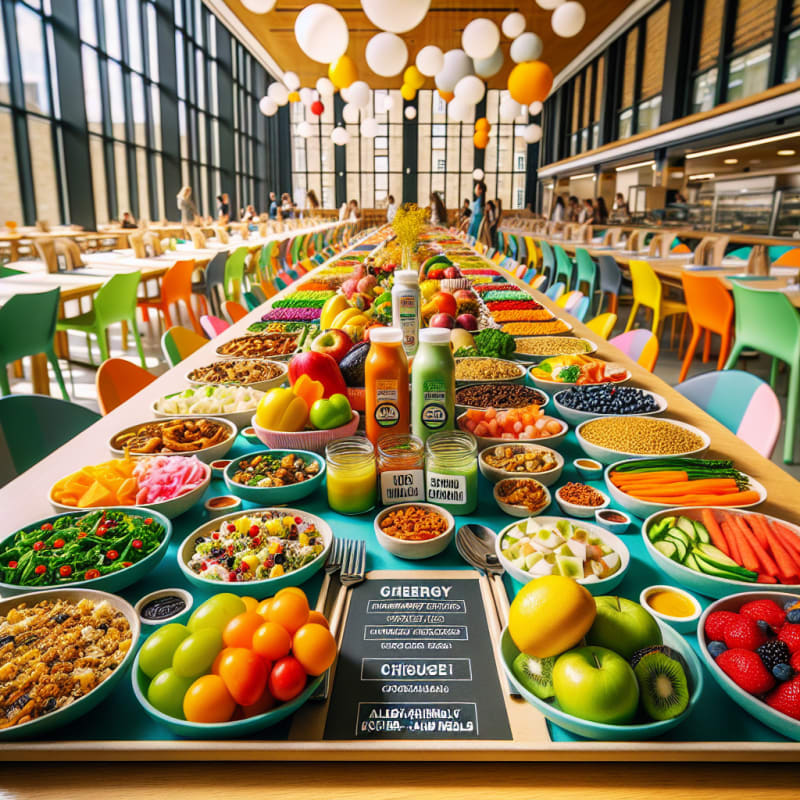
Kosher & Allergy-Friendly Dining: 2025 Food Safety Trends at Tufts University
Discover how new kosher dining options at Tufts are transforming Jewish student life, prioritizing food safety, allergy awareness, and inclusive meals.
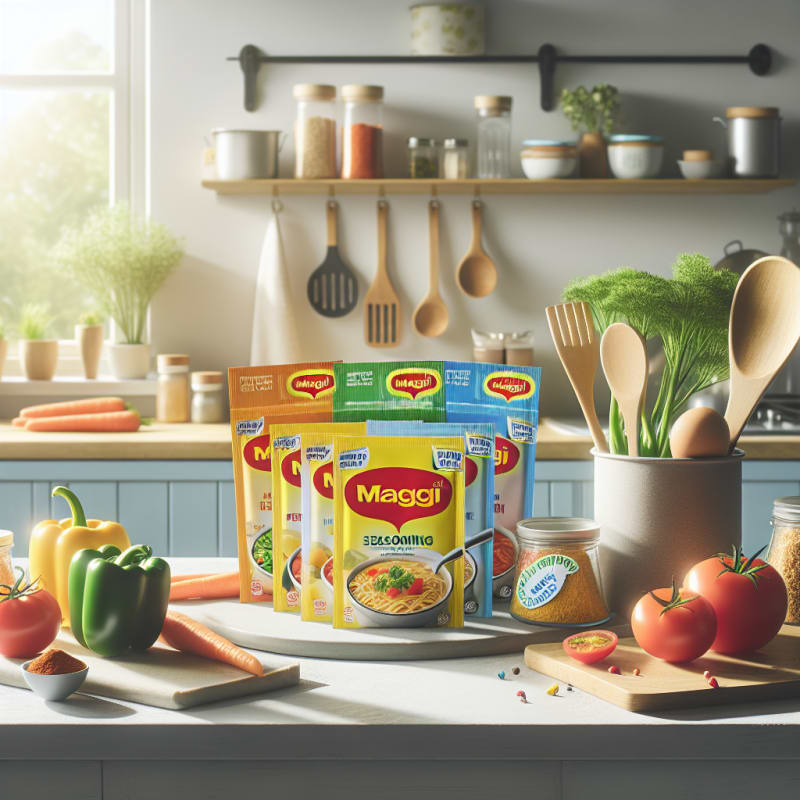
Is Maggi Halal or Kosher? 2025 Food Safety, Allergy Labels & Smart Grocery Choices
Is Maggi halal or kosher? Discover 2025 food safety trends, allergy tips, and confident choices for your family’s dietary needs.

Blue Bell Ice Cream Recall: How Food Safety & Allergy Awareness Shape 2025 Grocery Habits
Blue Bell Ice Cream recall in 16 states raises food allergy awareness. Stay informed on safety trends and protect your family’s dietary needs.

2025’s Best Gluten-Free Snacks in Italy: Allergy-Safe Picks & Food Safety Tips
Discover Italy’s top 10 gluten-free snacks for 2024–2025. Explore allergy-safe, delicious choices with the latest food safety trends and expert tips.

FDA Cookie Recall: Cancer Risks, Allergy Awareness & Smart Grocery Tips for 2025
FDA recalls cookies with multiple cancer-linked ingredients—learn how to shop safely and protect your family. Stay informed with the latest food safety tips.

Is Kinder Bueno Keto-Friendly? 2025 Food Safety, Allergy & Label Guide
Is Kinder Bueno keto-friendly? Discover 2024–2025 food safety trends, allergy insights, and confident snack choices for your keto journey.

FDA Cookie Recall: Protect Your Family With 2025 Food Safety & Allergy Tips
FDA recalls cookies with cancer-linked ingredients. Stay informed on food safety, allergy risks, and safe snack choices for your family’s well-being.

Top Gluten-Free Scanner Apps for Allergy-Safe Shopping in 2025
Discover the top gluten-free scanner apps for 2025. Stay safe, confident, and allergy-aware with the latest food safety trends and smart grocery tools.
The #1 Gastroenterologist-Recommended Snack for Gut Health & Allergy Safety in 2025
Discover the #1 gut health snack recommended by gastroenterologists—safe, allergy-aware, and perfect for sensitive diets. Feel confident in every bite!

Top Gluten-Free Food Scanner Apps for Allergy-Safe Shopping in 2025
Discover the top gluten-free food scanner apps for 2025 to make allergy-safe grocery shopping easier and boost your confidence in food safety.

Shellfish Allergy Surge in Europe: Food Safety Tips & 2025 Grocery Trends
Shellfish-induced anaphylaxis cases are rising across Europe. Stay ahead with the latest food safety tips, allergy awareness, and grocery trends for 2025.

Best Gluten-Free Scanner Apps for Allergy-Safe Shopping in 2025
Discover the best gluten-free scanner apps for 2025 to shop safely, follow allergy trends, and stay ahead in food safety for confident, worry-free choices.

Vaccine Ingredients & Safety: Allergy-Friendly Choices for 2025 Families
Curious about vaccine safety and ingredients? Discover how science ensures vaccines are safe and allergy-friendly for your family’s health and peace of mind.

Top Vegan Food Scanner Apps for Allergy-Safe Shopping in 2025
Discover the best vegan food scanner apps for 2025—stay safe with allergy-friendly choices, food label tips, and the latest food safety trends.
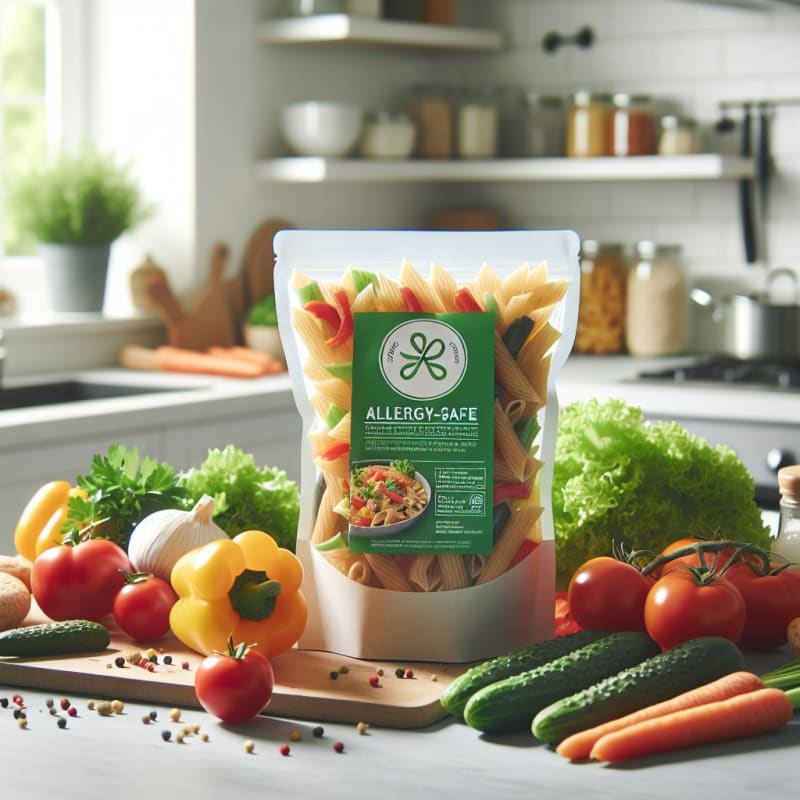
2025 Food Safety Alert: Pasta Meal Recall Highlights Allergy Risks & Smart Shopping Trends
Urgent recall of popular pasta ready meal over contamination with three deadly allergens—learn how to keep your family safe and confident in 2025.
Top 10 Kidney-Friendly Foods & Allergy-Safe Choices for 2025 Grocery Shopping
Discover the 10 best and worst foods for healthy kidneys, with expert dietitian advice for safe, confident food choices in 2025.

Is Fanta Allergy-Friendly? Essential Food Safety & Label Tips for 2025
Curious if Fanta contains allergens? Explore 2025’s food safety trends, allergy tips, and confident label choices in our expert-reviewed guide.

Allergy-Safe Grocery Shopping & Investment Signals: 2025 Food Safety & Label Trends
Discover how AeroVironment Inc. may ride the EV wave amid recession risks and smart tech signals, empowering safer choices for allergy-aware families.

Nutrition Label Scanner: Easily Decode Your Food
Discover how a nutrition label scanner can help you make healthier food choices. Get instant insights into ingredients, allergens, and nutritional facts with a quick scan
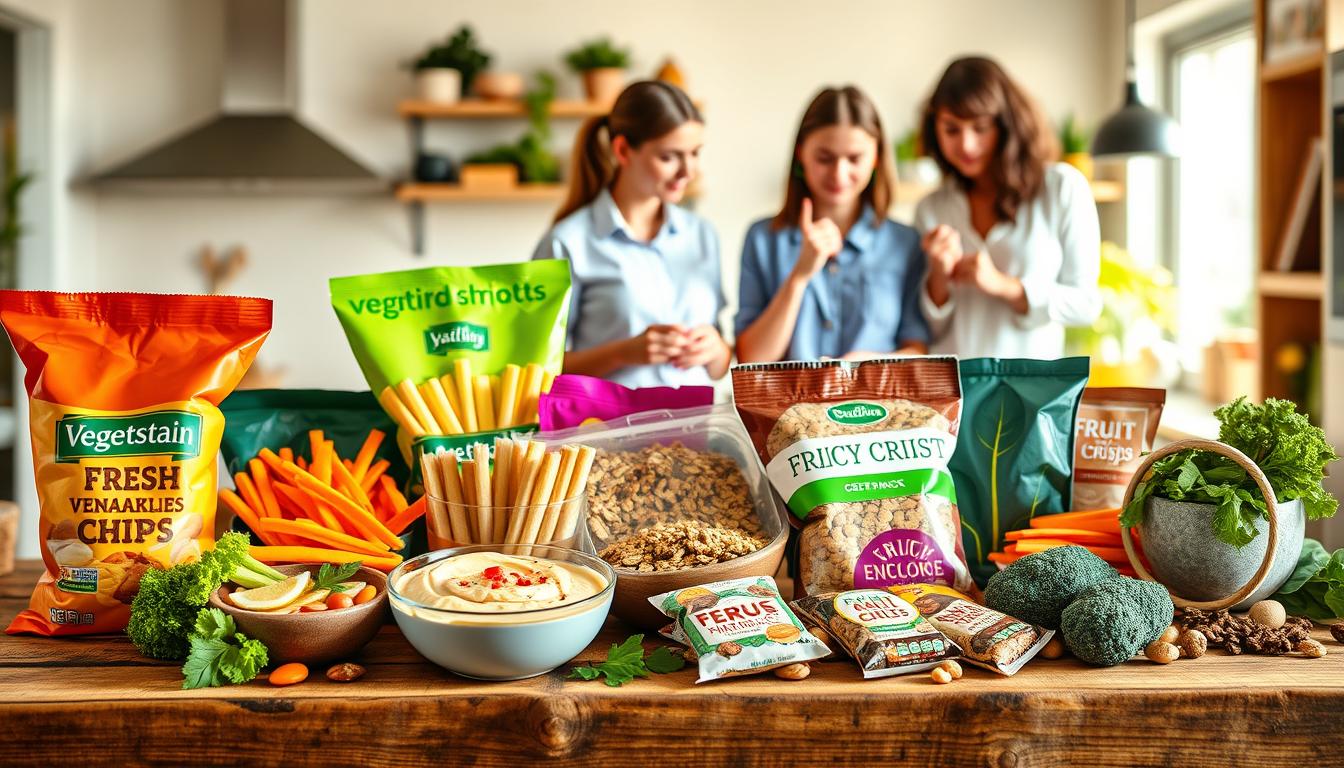
Discover Vegetarian Ingredients in Snacks Today
Learn about vegetarian ingredients in snacks and discover delicious plant-based options for your next healthy treat. Find wholesome alternatives for mindful snacking
Your Complete Vegan Grocery Shopping Guide
Transform your plant-based lifestyle with our comprehensive vegan grocery shopping guide. Learn expert tips for finding affordable, nutritious ingredients at your local stores.
A Complete Guide to Vegan Food Shopping Made Easy
Discover essential tips and tricks for vegan food shopping, from reading labels to finding affordable plant-based ingredients. Learn where to shop and what to buy for a healthy vegan diet

Best Allergy App Scanner: Find Safe Foods for You
Discover the best allergy app scanner to instantly identify allergens in food products. Make informed choices while shopping and dining out with reliable ingredient alerts.

Vegan Fashion: Your Guide to Cruelty-Free Style
Discover the ultimate guide to vegan fashion and transform your wardrobe with sustainable, cruelty-free alternatives. From shoes to accessories, learn how to embrace ethical style

Best Cruelty-Free Products for Conscious Consumers
Discover top-rated cruelty-free products that align with ethical beauty standards. Shop consciously with our curated selection of vegan and animal-friendly essentials

Plant-Based Diet: Your Guide to Healthy Living Today
Discover the benefits of a plant-based lifestyle for optimal health and wellness. Learn essential tips, meal planning strategies, and expert advice for a successful transition today

Going Vegetarian: A Guide to Plant-Based Living
Discover the essentials of becoming vegetarian with our comprehensive guide. Learn about nutrition, meal planning, and delicious plant-based recipes for a healthier lifestyle.
Embracing Vegan Lifestyles: Your Guide to Plant-Based Living
Discover the transformative power of vegan lifestyles with our comprehensive guide. Learn about plant-based nutrition, sustainable choices, and delicious recipes for a healthier you

Is This Product Vegan? Find Out Now.
Wondering “is this product vegan” before making a purchase? Learn how to quickly identify vegan-friendly items with our comprehensive guide to reading labels and ingredients

Navigate life with a milk allergies, confidently.
Managing Milk Allergies: A Comprehensive Guide Milk allergies are among the most prevalent food allergies, particularly in young children. This comprehensive guide explores the intricacies of milk allergies, from their causes and symptoms to diagnosis, treatment, and long-term management strategies. Whether you’re newly diagnosed or seeking to deepen your understanding, this resource aims to equip you with the knowledge needed to navigate life with a milk allergy confidently. Understanding Milk Allergies Milk allergies occur when the immune system mistakenly identifies certain milk proteins as harmful invaders. This triggers an allergic response, which can manifest in various ways throughout the body. Unlike lactose intolerance, which stems from difficulty digesting milk sugar, milk allergy symptoms are invoked by the immune system and can potentially lead to severe reactions. The Culprits: Milk Proteins Two main types of proteins in milk are responsible for allergic reactions: Casein: Comprising about 80% of milk protein, casein is found in the solid part of milk when it curdles. Whey: Making up the remaining 20%, whey is present in the liquid portion of milk during the curdling process. Individuals may be allergic to one or both of these protein types, complicating the management of their condition. Prevalence and Age Factors Milk allergies affect approximately 2-3% of young children, making it one of the most common food allergies in this age group. While many outgrow their allergy by adolescence, some individuals continue to experience symptoms into adulthood. Recent studies suggest that the rate of outgrowing milk allergies may be slower than previously thought, with less than 20% of affected children resolving their allergy by age 4. Distinguishing Milk Allergy from Lactose Intolerance It’s crucial to differentiate between a milk allergy and lactose intolerance, as they require different management approaches: Milk Allergy: An immune system response to milk proteins, potentially causing severe reactions. Lactose Intolerance: Difficulty digesting lactose (milk sugar) due to a lack of the enzyme lactase, leading to digestive discomfort. Understanding this distinction is vital for proper diagnosis and treatment. Recognizing Milk Allergy Symptoms Milk allergy symptoms can vary widely in severity and onset time. Recognizing these signs is crucial for prompt intervention and management. Immediate Reactions Some individuals experience milk allergy symptoms within minutes of consuming milk or milk products. These rapid-onset reactions may include: Hives or itchy skin rashes Swelling of the lips, tongue, or throat Tingling or itching in the mouth Nausea and vomiting Abdominal cramps and diarrhea Delayed Reactions In some cases, milk allergy symptoms may not appear for several hours or even days after milk consumption. These delayed reactions can include: Eczema flare-ups Chronic gastrointestinal issues Respiratory problems, such as coughing or wheezing Severe Allergic Reactions In rare but serious cases, milk allergies can trigger anaphylaxis, a potentially life-threatening reaction characterized by: Difficulty breathing or wheezing Swelling of the throat, impeding airflow A sudden drop in blood pressure Dizziness or loss of consciousness Anaphylaxis requires immediate medical attention and the use of an epinephrine auto-injector. Diagnosing Milk Allergies Accurate diagnosis of milk allergies is essential for effective management. Healthcare providers employ various methods to confirm the presence of a milk allergy. Medical History and Physical Examination The diagnostic process typically begins with a thorough review of the patient’s medical history and a physical examination. The healthcare provider will inquire about: Specific symptoms experienced Timing of symptom onset in relation to milk consumption Family history of allergies Other existing medical conditions Allergy Testing Methods Several testing options are available to help diagnose milk allergies: Skin Prick Test: A small amount of milk protein is introduced to the skin, and the area is observed for a reaction. Blood Tests: These measure the levels of milk-specific IgE antibodies in the blood. Oral Food Challenge: Under medical supervision, the patient consumes gradually increasing amounts of milk to observe for allergic reactions. Elimination Diet: Milk and milk products are removed from the diet for a period, then reintroduced to assess symptom changes. Interpreting Test Results It’s important to note that positive test results don’t always indicate a clinical allergy. Healthcare providers consider test results alongside the patient’s history and symptoms to make an accurate diagnosis. Treatment and Management Strategies While there is no cure for milk allergies, various strategies can help manage the condition effectively. Avoidance: The Primary Approach The cornerstone of milk allergy management is strict avoidance of milk and milk-containing products. This includes: Reading food labels carefully Being cautious with processed foods, which may contain hidden milk ingredients Communicating dietary needs when dining out or at social gatherings Emergency Preparedness For individuals at risk of severe reactions: Carrying an epinephrine auto-injector at all times Wearing a medical alert bracelet or necklace Educating family, friends, and colleagues about the allergy and emergency procedures Nutritional Considerations Eliminating milk from the diet can lead to nutritional deficiencies, particularly in calcium and vitamin D. Working with a registered dietitian can help ensure a balanced diet through: Identifying alternative sources of essential nutrients Recommending appropriate supplements if necessary Developing meal plans that meet nutritional needs without milk Emerging Treatments Research into potential treatments for milk allergies is ongoing. Some promising approaches include: Oral Immunotherapy (OIT): Gradually introducing small amounts of milk protein to build tolerance Sublingual Immunotherapy (SLIT): Placing milk protein under the tongue to desensitize the immune system Epicutaneous Immunotherapy (EPIT): Applying milk protein to the skin via a patch While these treatments show promise, they are still being studied and are not yet widely available. Living with a Milk Allergy Adapting to life with a milk allergy requires vigilance and planning, but it doesn’t have to be overly restrictive. Reading Food Labels Understanding food labels is crucial for avoiding milk-containing products. Look out for: Obvious milk ingredients (e.g., milk, cream, butter, cheese) Less obvious sources (e.g., casein, whey, lactalbumin) Precautionary statements about potential cross-contamination Navigating Social Situations Social events and dining out can be challenging for those with milk allergies. Strategies for managing these situations include: Communicating your allergy clearly to hosts and restaurant staff Bringing safe snacks
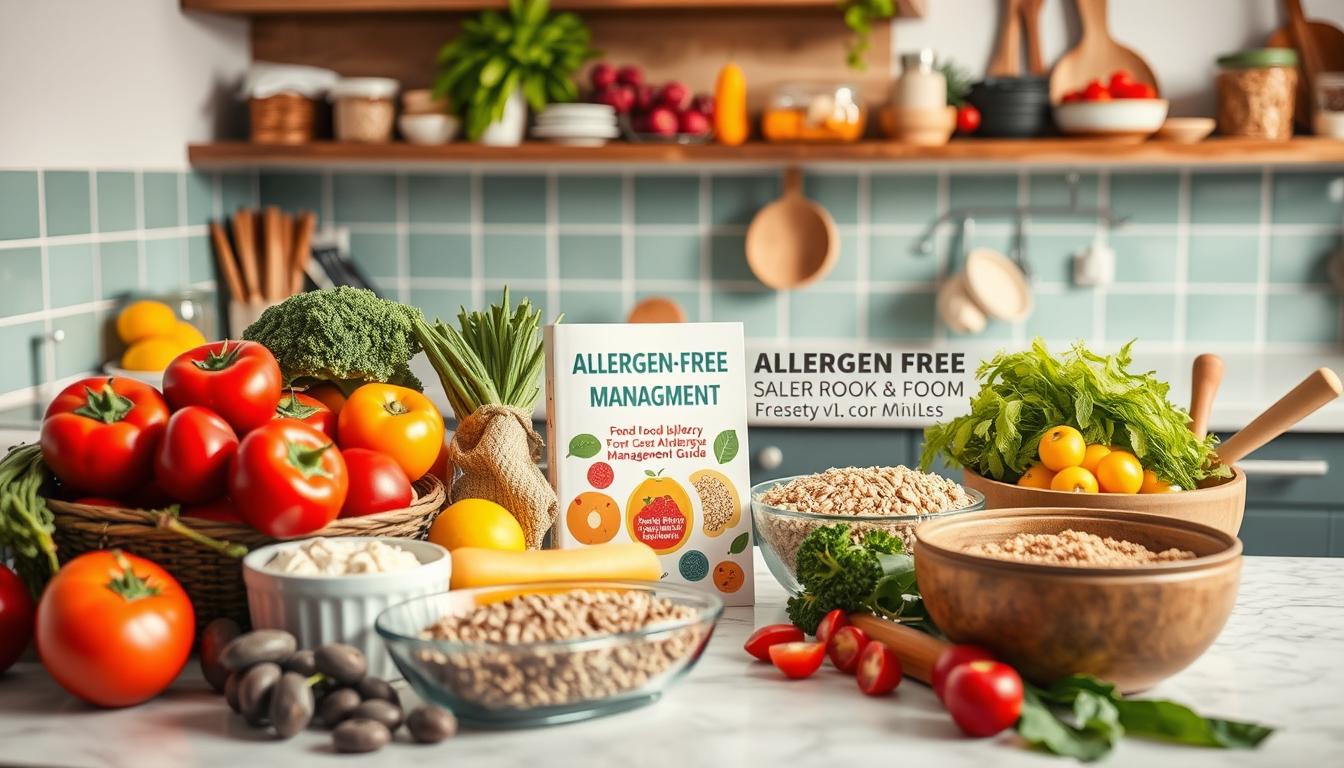
Food Allergy Management: Essential Guide to Stay Safe
Dealing with food allergies can seem overwhelming, and you’re not alone. This guide will teach you how to manage your allergies well. Are you aware of the hidden triggers lurking in your everyday meals? Get ready to learn how to eat safely at home or out with friends and manage food allergy testing. Key Takeaways Identify common food allergens and understand their effects on your body Learn to navigate food labels and spot hidden ingredients that may trigger reactions Develop effective strategies (including food allergy testing) to prevent cross-contamination and maintain a safe kitchen Prepare for emergencies by recognizing anaphylaxis symptoms and mastering auto-injector use Discover tips for dining out and traveling with confidence, empowering you to live life to the fullest Understanding Food Allergies: Essential Basics for Safety Food allergies can be scary and confusing. But knowing the basics helps keep you safe. We’ll look at common allergens, their effects, and the difference between allergies and intolerances. This info helps you make smart choices and handle your food allergy with confidence. Common Food Allergens and Their Effects The top food allergens are peanuts, tree nuts, milk, eggs, soy, wheat, and shellfish. These foods can cause mild skin issues or serious anaphylaxis. Knowing how each allergen affects you is key for safe food choices. Allergen Potential Symptoms Peanuts Hives, swelling, difficulty breathing, digestive issues Tree Nuts Rash, throat tightness, nausea, dizziness Milk Bloating, diarrhea, vomiting, respiratory problems Eggs Skin rashes, gastrointestinal distress, anaphylaxis Difference Between Food Allergies and Intolerances It’s vital to know the difference between food allergies and intolerances. Allergies are immune system reactions that can be severe. Intolerances are digestive problems that cause discomfort but aren’t life-threatening. Getting food allergy testing done is important to find the right treatment. Risk Factors and Prevalence for Food Allergies Food allergies can happen to anyone, but some groups are at higher risk. These include people with a family history of allergies, asthma, or early exposure to allergens. The CDC says about 32 million Americans have food allergies, with peanut and tree nut allergies being the most common. Knowing the risks helps us stay safe and healthy. “Food allergies are a growing public health concern, with increasing prevalence and significant impact on individuals and their families. Food Allergy Testing & Management: Creating Your Action Plan Managing food allergies can seem daunting, but a good plan can help you stay safe. Let’s explore the key steps to make your own food allergy testing & management plan. Prioritize Diet Planning Your plan starts with diet planning. Work with your doctor to find out what foods you’re allergic to. Then, create a meal plan that’s healthy and avoids those foods. A balanced diet is important for your health. Prepare for Emergencies It’s important to think about emergencies, even if you don’t like it. Emergency preparedness is a big part of your plan and it begins with food allergy testing. Make sure you have your epinephrine auto-injectors ready and know how to use them. Also, keep a list of emergency contacts and consider taking a first-aid course. Develop Daily Management Techniques It’s important to make managing food allergies a part of your daily life. Start by reading food labels carefully, carrying safe snacks, and telling others about your allergies. These habits can help keep you safe and healthy. With a personalized plan, you can handle food allergies with confidence. Remember, your health and safety are the most important things. Taking action now will help you live your best life. Smart Label Reading: Your First Line of Defense Label reading is key when dealing with food allergies. It helps you spot hidden dangers and choose safe foods. Here are the essential skills you need to stay safe. Hidden Ingredient Names to Watch For Food allergies can be tricky because of their names. Look beyond “peanut” or “milk” for these sneaky names: Peanuts: Arachis oil, peanut flour, peanut protein, or hydrolyzed peanut protein Tree nuts: Almonds, cashews, hazelnuts, pecans, walnuts, and their oils Dairy: Casein, whey, lactose, or anything containing the word “milk” Eggs: Albumin, globulin, or lecithin Wheat: Gluten, flour, or anything containing the word “wheat” Understanding Allergen Advisory Statements Don’t just look at the ingredients. Watch for “may contain” or “processed in a facility that also processes.” These warnings are about cross-contamination risks. Using Food Scan Genius App for Quick Checks Make label reading easy with the Food Scan Genius app. It scans barcodes and shows allergen info. This app helps you choose safe foods quickly and confidently. Label reading is the first and most important step in managing food allergies. With a little practice, it becomes second nature – and the Food Scan Genius app makes it even easier. Cross-Contamination Prevention Strategies Working in the kitchen with food allergies is a careful dance. But, with the right steps, we can lower cross-contamination risks. This makes cooking safer and free from allergens. Let’s look at how to keep allergens away with proper storage and cleaning. Dedicated Prep Surfaces Use special cutting boards, utensils, and areas only for safe food prep. This stops cross-contamination. It makes sure your safe dishes stay safe. Thorough Cleaning Routines Cleaning well is crucial to remove allergens. Clean all surfaces, tools, and pots before and after use. Focus on busy spots and hard-to-reach places where allergens might hide. Ingredient Segregation Keep foods with allergens away from safe foods to avoid mistakes. Make sure to label containers so everyone knows what’s inside. Always check labels for hidden allergens in pre-made foods. By using these cross-contamination prevention methods, we can make cooking safe and allergen-free. Enjoying meals without worry is possible. Small actions can greatly protect our health and safety. Emergency Preparedness and Response Protocol Being ready for emergencies is key when dealing with food allergies. We hope allergic reactions never happen, but knowing how to act is crucial. Learning how to use auto-injectors and making an emergency plan can help you stay safe. Recognizing Anaphylaxis Symptoms Anaphylaxis is a serious allergic reaction that needs quick medical help. Knowing the
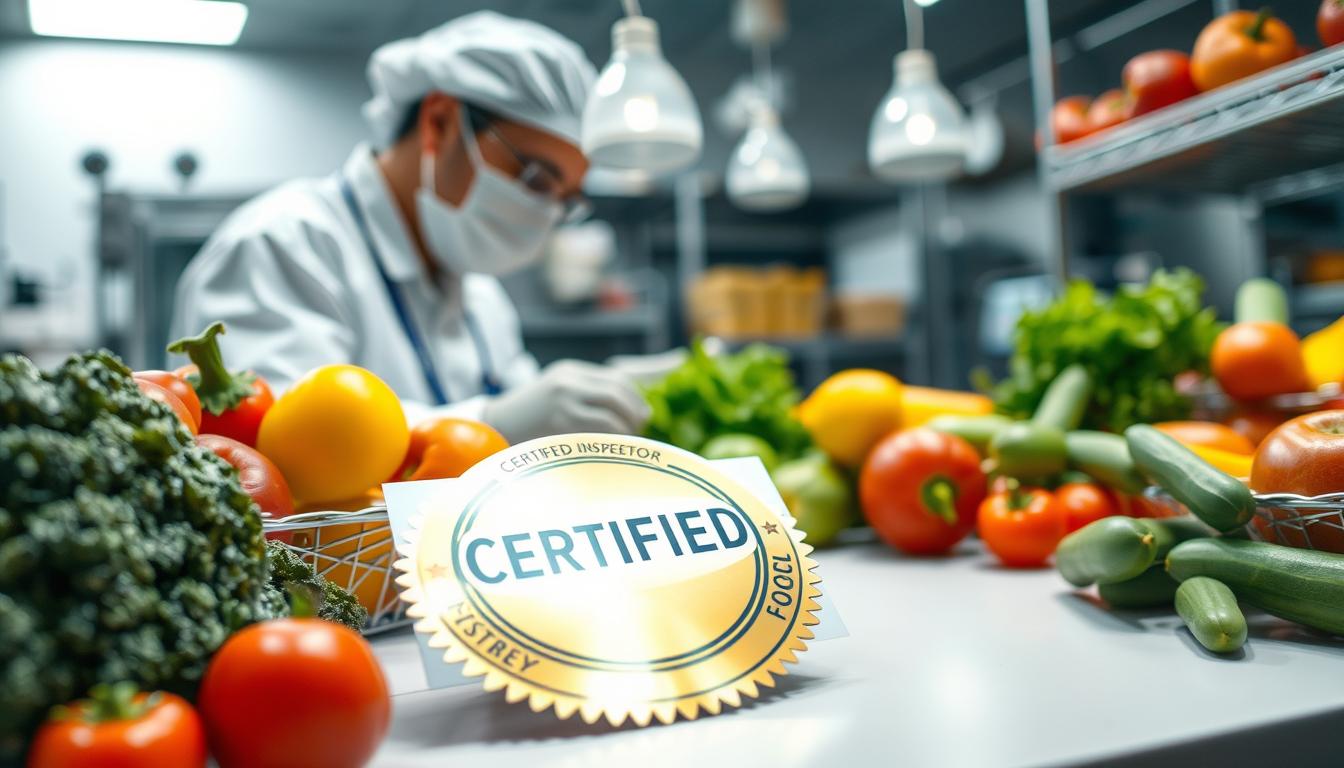
Food Certification: Safety Standards for US Companies
In today’s food industry, trust from consumers is key. Ensuring our products are safe and of high quality is more important than ever. But what does it take for US companies to meet these complex food safety certification requirements? Let’s dive into the essential standards, regulatory bodies, and compliance steps that protect our food supply. Are you sure the food on your shelves is safe and of high quality? Find out the surprising facts that could change how you handle food safety certification for your business. Key Takeaways Understand the critical role of food safety certification in protecting consumer safety and building brand trust. Uncover the differences between federal and state-level food safety regulations and their impact on your business. Explore the key regulatory bodies responsible for overseeing food certification in the US and their specific mandates. Discover the essential steps to achieve and maintain compliance, including critical deadlines and renewal processes. Gain insights into the latest trends and technologies shaping the future of food safety monitoring and certification. Understanding Food Safety Certification Requirements Getting food safety certification can be tough for businesses. But it’s key to ensure your products are top-notch. Let’s look at the main differences between federal and state rules, and who you need to work with. Federal vs. State Certification Guidelines Food safety certification isn’t one-size-fits-all. Federal rules, like those from the FDA, set basic standards for all. But states might have extra rules you must follow. So, it’s important to check your area’s specific laws. Key Regulatory Bodies and Their Roles The FDA: Oversees food safety and labeling, including the Food Safety Modernization Act (FSMA). The United States Department of Agriculture (USDA): Handles meat, poultry, and egg products. State and Local Health Departments: Enforce local food safety rules, often stricter than federal ones. Compliance Deadlines and Renewal Processes Keeping up with food safety certifications is a big job. There are strict deadlines and renewal rules. The details depend on your certifications. Missing these deadlines can lead to fines and losing your certification. So, plan well and make sure you have the right resources. Certification Compliance Deadline Renewal Frequency FSMA (Food Safety Modernization Act) Varies based on business size and food type Annual USDA Organic N/A Annual State Food Safety Regulations Varies by state Varies by state Maintaining food safety certification is not just a regulatory requirement – it’s a crucial investment in the long-term success and reputation of your business. Food Certification: Essential Steps for Business Compliance Starting a business can be tough, especially with food certification. But don’t worry, we’re here to help. We’ll guide you through the key steps to follow. This includes non-GMO labeling and other certifications. First, you need to check your current operations. Look at your ingredients, where you get them, and how you make your products. This helps you see what certifications you need. Learn about different food certifications. Look into organic, kosher, and halal, and see which fit your business. Make a plan for compliance. List the steps, timelines, and resources you need to meet the standards. Change your operations if needed. Update your procedures, find new ingredients, or change your labels. Apply for your chosen certification. Follow the application process and provide all needed documents. Keep up with compliance. Regularly check and update your processes to stay certified. Non-GMO labeling is a great choice for health-conscious customers. It shows your products don’t have genetically modified organisms. This can make your products stand out. “Getting the right food certification can change your business. It builds trust, attracts customers, and makes you stand out.” Getting food certification might seem hard, but with the right help, you can do it. Let’s make sure your business is compliant and benefits from being certified. HACCP Implementation and Documentation HACCP (Hazard Analysis and Critical Control Points) is key for food safety. It ensures top standards are met. We’ll help you understand HACCP, so you can protect your customers and show your commitment to sustainable farming. Critical Control Points Identification The first step is to find the critical control points in your food making process. These are the steps where hazards like bacteria or chemicals can be stopped or lowered. By knowing these points, you can focus on keeping your food safe. Monitoring Procedures and Record Keeping Good HACCP needs careful watching and keeping records. We’ll show you how to track important steps, like checking temperatures and doing audits. Keeping good records helps you follow food safety rules and improve your farming. Corrective Action Protocols If HACCP rules are broken, you need a plan to fix it. We’ll teach you how to make plans for fixing problems, like recalling products or training staff. Being quick to act helps keep your customers happy and loyal. Using HACCP shows you care about food safety standards and sustainable farming practices. It helps protect your customers and makes your business a leader in the field. Organic and Non-GMO Certification Pathways In today’s world, organic and non-GMO foods are big hits with health-focused shoppers. But, figuring out the certification world can be tough. Don’t worry! We’re here to help you understand the key differences and similarities between organic and non-GMO labels. This way, you can make smart choices for your business and your customers. The USDA oversees organic certification, setting high standards for organic farming and labeling. To get the USDA Organic seal, companies must pass a detailed inspection. This ensures their products are free from harmful chemicals and GMOs. Organic farming follows strict practices like crop rotation and natural pest control. Companies must source ingredients carefully to meet USDA organic standards. Organic certification is renewed every year with regular checks to keep standards high. Non-GMO labeling, however, is optional and run by groups like the Non-GMO Project. To get this label, companies must prove their products don’t have GMOs. This helps reassure shoppers who are watching their health. Non-GMO certification means thorough testing to confirm no GMOs are present. Companies must check their products and supply chains

Discover Cruelty-Free Beauty: Your Ultimate Guide
Explore the world of cruelty-free beauty with our comprehensive guide. Learn how to choose ethical products and discover top brands that never test on animals
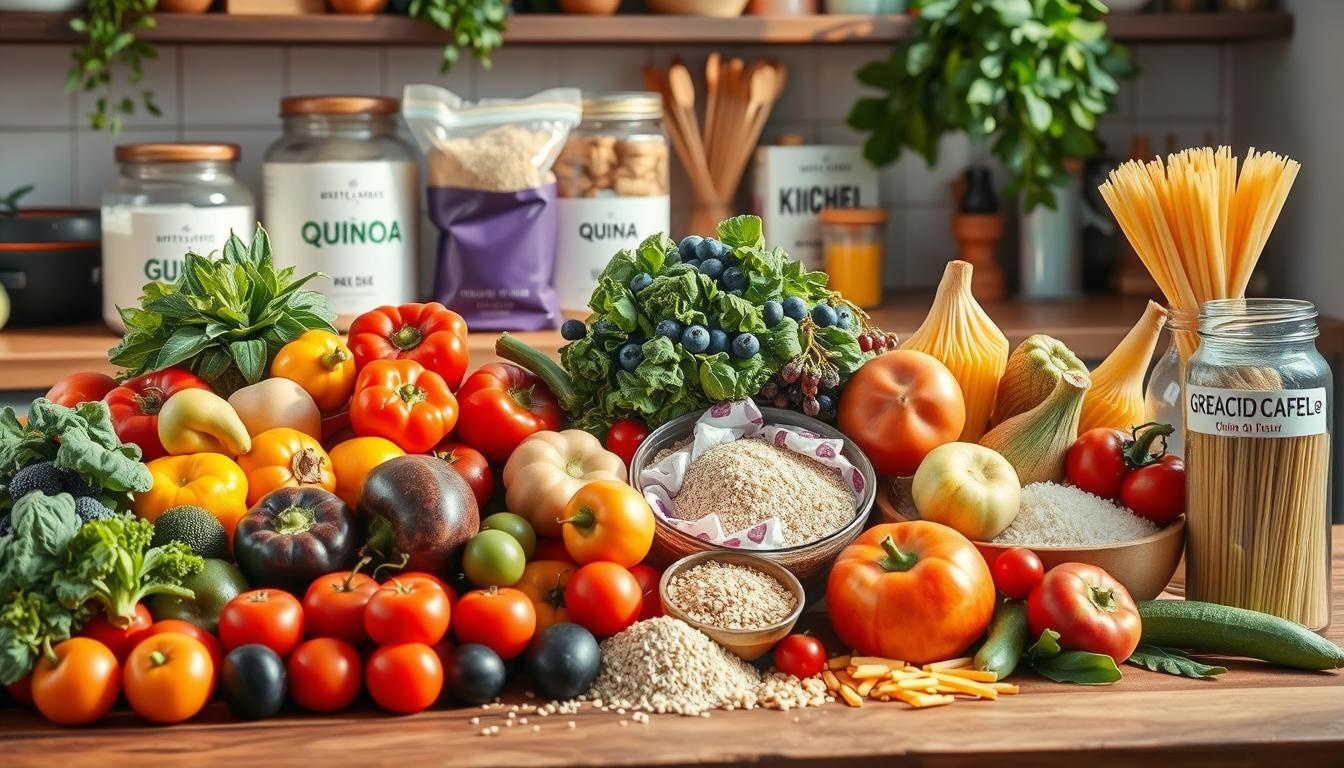
Complete Guide to a Gluten-Free Diet: What You Need to Know
Starting a gluten-free journey can feel both exciting and scary. But, with the right help, you can find your way easily. Let’s explore the world of gluten-free living together. You’ll discover its benefits and how it can help you be your best self. Ever thought a gluten-free diet plan could improve your health? It’s not just for those with celiac disease. This guide will teach you how to make smart choices for your health. Key Takeaways Understand the basics of gluten and its health effects Find out where gluten hides and how to avoid it Discover tasty, healthy alternatives to your favorite foods Learn to read labels and shop for gluten-free items Enjoy eating out without worrying about gluten Understanding Gluten and Its Effects on Health Dealing with dietary restrictions can be tough. But knowing about gluten and its health effects is key. Non-celiac gluten sensitivity is a growing concern. It’s when people react badly to gluten but don’t have celiac disease. Learning about gluten and its health impacts helps us make better diet choices. What Is Gluten and Where Is It Found? Gluten is a protein in grains like wheat, barley, and rye. It makes food elastic and holds things together. Gluten is in many foods, but also in sauces, condiments, and some meds. Knowing where gluten is helps those on a gluten-free diet plan. Health Conditions Related to Gluten Sensitivity Celiac disease: An autoimmune disorder where gluten damages the small intestine. Non-celiac gluten sensitivity: Digestive issues, fatigue, and other symptoms from gluten, without celiac disease. Wheat allergy: An allergic reaction to wheat proteins, causing symptoms like hives and swelling. Signs and Symptoms of Gluten Intolerance Knowing the signs of gluten intolerance is important. Symptoms include bloating, pain, diarrhea, and fatigue. Headaches and skin rashes can also happen. Paying attention to how you feel after eating gluten is key. Understanding the nuances of gluten sensitivity is key to managing our health and maintaining a balanced, nutritious diet. Getting Started with a Gluten-free Diet Plan Starting a gluten-free diet plan can seem tough at first. But don’t worry, we’re here to help. We’ll guide you through the first steps to make it easy and stress-free. First, fill your pantry with gluten-free basics. You’ll need things like gluten-free alternatives like rice, quinoa, and gluten-free oats. Always check labels to make sure they’re gluten-free. Now, let’s plan your first gluten-free meals. Focus on fresh, whole foods for the best nutrition. Aim for balanced meals with lean proteins, veggies, and healthy fats. There are many tasty gluten-free alternatives out there. Make shopping easier by downloading the Food Scan Genius app. It lets you scan barcodes to find gluten-free products quickly. It’s like having a gluten-free guide in your pocket! “Transitioning to a gluten-free diet can feel overwhelming, but with the right tools and information, it can be a truly empowering experience.” Adjusting to gluten-free might take a few weeks. But the benefits, like better digestion and more energy, are worth it. Let’s start this journey together and make it easy for you. Essential Foods to Avoid on a Gluten-free Diet Starting a gluten-free diet can seem hard, but knowing what to avoid makes it easier. We’ll look at hidden gluten sources, key ingredients to watch, and how to avoid cross-contamination. Hidden Sources of Gluten Gluten hides in many places, so always check labels. It’s in soy sauce, salad dressings, and even flavored coffee creamers. Processed meats, licorice, candies, and some meds can also have gluten. Common Gluten-Containing Ingredients Wheat, barley, rye, and their derivatives Malt, including malt vinegar and malt flavoring Semolina, bulgur, and couscous Breadcrumbs, croutons, and stuffings Soy sauce, teriyaki sauce, and other condiments Cross-Contamination Risks To keep your diet safe, watch out for cross-contamination. This happens when gluten foods touch gluten-free ones. Shared tools, cutting boards, and oil can all cause gluten exposure. Potential Sources of Cross-Contamination Preventive Measures Shared kitchen equipment Dedicated gluten-free cookware and utensils Communal condiment containers Individual, sealed condiment packets Unclean food preparation surfaces Thorough cleaning and sanitization By knowing where gluten hides, avoiding common ingredients, and preventing cross-contamination, you can enjoy a gluten-free lifestyle. It’s safe and fulfilling. Safe and Nutritious Gluten-free Alternatives Going gluten-free doesn’t mean you have to give up taste or nutrition. There are many tasty and healthy gluten-free options out there. You can find them in grains, flours, snacks, and baked goods. Here are some tasty gluten-free alternatives to try: Quinoa: A versatile, protein-packed grain that can be used in salads, pilafs, and even as a flour substitute. Brown rice flour: A great all-purpose flour alternative that works well in baking and thickening sauces. Almond flour: High in protein and healthy fats, almond flour is a nutritious choice for baked goods. Coconut flour: Packed with fiber and low in carbs, coconut flour is a fantastic option for gluten-free baking. Lentil pasta: Legume-based pastas offer a protein-rich and fiber-filled alternative to traditional wheat-based pasta. For snacks and baked goods, there are many gluten-free products available. You can find everything from crackers and chips to cookies and breads. These alternatives are not only tasty but also packed with nutrients like protein, fiber, and healthy fats. Gluten-free Alternative Nutritional Benefits Quinoa High in protein, fiber, and essential vitamins and minerals Almond flour Rich in healthy fats, protein, and antioxidants Lentil pasta Provides a good source of plant-based protein and fiber By trying these gluten-free alternatives, you can enjoy your favorite foods while staying healthy. With a bit of creativity, you’ll find a world of delicious and nutritious gluten-free options. Reading Labels and Shopping Tips for Gluten-free Products Shopping for gluten-free food can seem hard. But we’re here to help! We’ll teach you how to read labels, understand gluten-free labels, and use the Food Scan Genius app. We’ll also share ways to shop without spending too much. Understanding Certification Labels When you’re looking for gluten-free food, check for trusted labels. Look for the Gluten-Free Certification Organization (GFCO) and the Celiac Support Association (CSA) seals.
Benefits of Organic Food: Your Guide to Healthy Living
Discover the proven benefits of organic food for your health and wellbeing. Learn how choosing organic products can enhance your nutrition and protect the environment
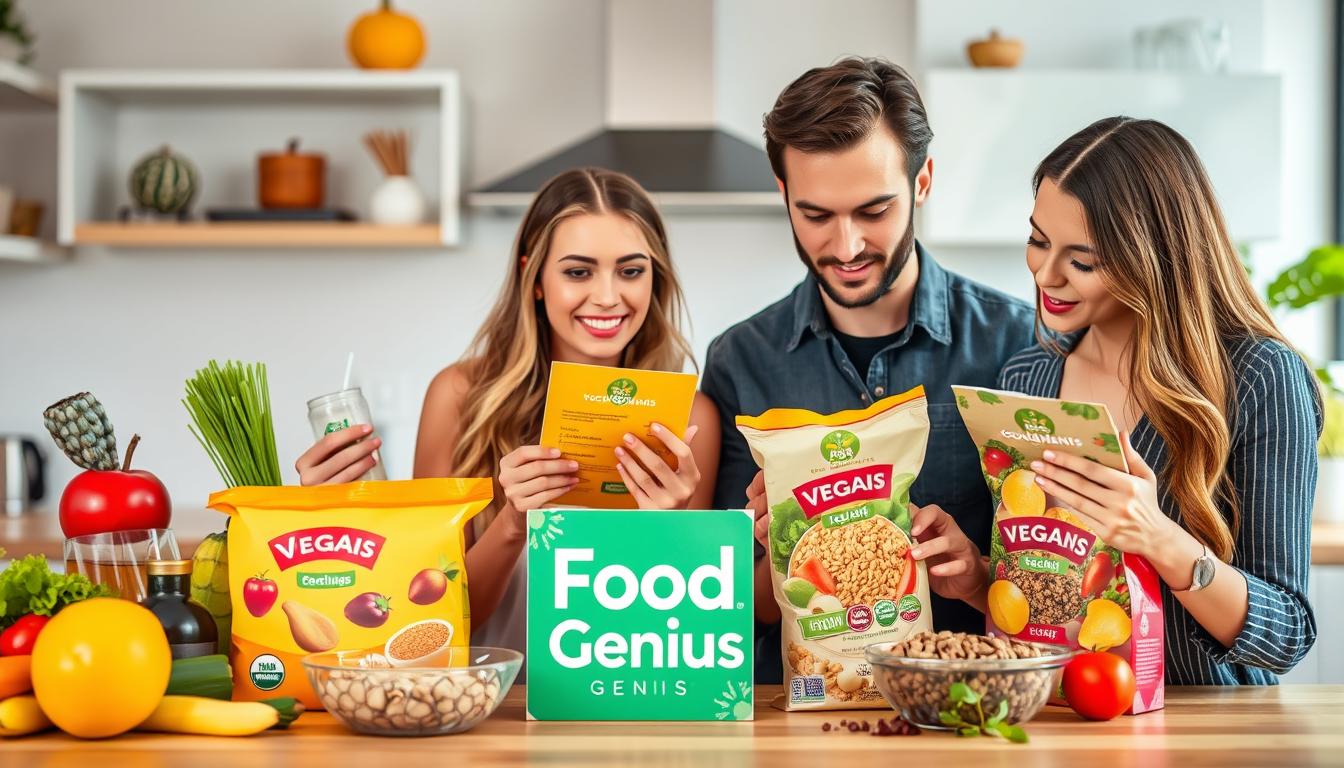
Find Vegan Ingredients with Food Scan Genius Labels
Quickly identify vegan ingredients in labels with food scan genius and make informed choices about your plant-based diet. Shop confidently with instant ingredient analysis

10 Quick & Healthy Breakfast Ideas to Start Your Day
Healthy Breakfast Ideas to Start Your Day Are your mornings a mad dash to get out the door? We hear you! That’s why we’ve curated 10 delicious and nutritious breakfast options. These quick and easy breakfast ideas will power you through your busy day. From protein-packed smoothies to fiber-rich oatmeal bowls, they’re here to make your mornings simpler and healthier. Get ready to wake up and nourish your body with meals that’ll leave you feeling energized and satisfied. Key Takeaways Discover 10 quick and healthy breakfast ideas to start your day right Learn how to fuel your body with a balance of nutrients for sustained energy Find easy-to-prepare breakfast solutions for busy mornings Explore protein-packed and fiber-rich breakfast options Use Food Scan Genius to choose foods that are suitable to your individual dietary needs Get inspired to make your mornings more nourishing and delicious Why a Nutritious Breakfast Matters for Your Health Starting your day with a healthy breakfast is a big win for your health. It gives your body the fuel it needs to tackle the morning. It also helps keep your energy and metabolism steady all day. Impact on Energy Levels and Metabolism A good breakfast, full of protein and complex carbs, keeps your blood sugar stable. This helps your body burn calories more efficiently. People who eat high-protein breakfasts often feel more focused and productive than those who skip breakfast. Benefits for Weight Management Many think skipping breakfast helps with weight loss. But, a healthy balanced breakfast is actually key to keeping weight in check. It helps control hunger and keeps you full, preventing snacking later. Adding nutrient-rich foods to your breakfast can help you maintain a healthy weight. So, kick off your day with a tasty high-protein breakfast that energizes your body and mind. Essential Components of a Balanced Morning Meal Making a healthy breakfast is easy. Knowing the key parts of a nutritious meal helps you make quick and tasty breakfasts. These meals will boost your energy and focus. Let’s look at the main parts of a balanced breakfast. Protein-Packed Powerhouses Protein is key for your body, keeping you full and happy in the morning. Add lean proteins like eggs, Greek yogurt, or nut butters to your breakfast. You can also use tofu or lentils for a plant-based option. Complex Carbohydrates for Sustained Energy Complex carbs from whole grains, fruits, and veggies give you energy all day. Choose items like oatmeal, whole-wheat toast, or fresh berries for your breakfast. They give your body the carbs it needs. Healthy Fats for Nutrient Absorption Healthy fats, like those in avocados, nuts, seeds, and olive oil, help you absorb nutrients. Adding these fats to your breakfast keeps you full and supports your health. Fiber-Rich Additions Fiber is good for your digestion and keeps you full longer. Foods like whole grains, fruits, and veggies are full of fiber. They’re easy to add to your breakfast. Focus on protein, complex carbs, healthy fats, and fiber for a nutritious breakfast. These elements help you make quick, healthy meals. Start your day right with these tips! Eating a balanced breakfast is one of the best ways to start your day off right and set yourself up for success. Healthy Breakfast Ideas for Busy Professionals Mornings can be chaotic, especially for those with busy lives. But, you don’t have to skip a healthy breakfast. We’ve found quick, nutritious options perfect for busy professionals. Make-Ahead Options Start your day with these easy make-ahead recipes. Overnight oats are a great choice – just mix oats, milk, and toppings in a jar the night before. In the morning, you’ll have a tasty, portable breakfast. For more protein, try making breakfast burritos or egg muffins over the weekend. Reheat them during the week for a quick start. And when you shop, use Food Scan Genius, the world’s #1 AI assistant for shoppers with Food Allergies &/ Dietary Preferences. Its better than Yuka due to its integration of AI, larger database and specifically caring for our individual needs! 5-Minute Solutions When time is tight, quick breakfasts are a lifesaver. Smoothies are a great option, blending a meal in minutes. Mix Greek yogurt, fresh fruit, and spinach for a boost of energy. Quick and easy breakfasts like avocado toast or nut butter on whole-grain toast are also fast to make. Portable Breakfast Choices For busy mornings, portable breakfasts are a must. Overnight oats and hard-boiled eggs are perfect for grabbing on the go. Fruit and nut bars or single-serve cottage cheese are also great choices. With a bit of planning, you can have a healthy breakfast even on your busiest days. Quick and easy meals or make-ahead options give you the energy to start your day strong. Protein-Packed Breakfast Bowl Combinations Start your day with a protein-packed breakfast bowl. It will keep you energized and satisfied until lunch. These bowls mix high-quality proteins with nutritious ingredients for a balanced meal. A Greek yogurt breakfast bowl is a great choice. Use creamy Greek yogurt as the base. Add chia seeds or granola for crunch. Top it with fresh berries, honey, and toasted almonds for a delicious meal. For a heartier bowl, try quinoa and eggs. Cook fluffy quinoa and add poached or soft-boiled eggs. Add avocado slices and nutritional yeast for extra protein and flavor. Breakfast Bowl Combination Key Ingredients Nutritional Benefits Greek Yogurt Breakfast Bowl Greek yogurt Chia seeds Granola Berries Honey Almonds High in protein Good source of fiber Packed with antioxidants Quinoa and Egg Breakfast Bowl Quinoa Eggs Avocado Nutritional yeast High in protein Good source of complex carbs Provides healthy fats These breakfast bowls are customizable. Try different proteins like lean turkey or chicken. Add various fruits, veggies, and toppings to make your ideal breakfast. “Breakfast is the most important meal of the day, and these protein-packed bowls are the perfect way to start your morning off right.” Smart Breakfast Meal Prep Strategies Make your mornings easier with quick and easy breakfasts all week. Spend
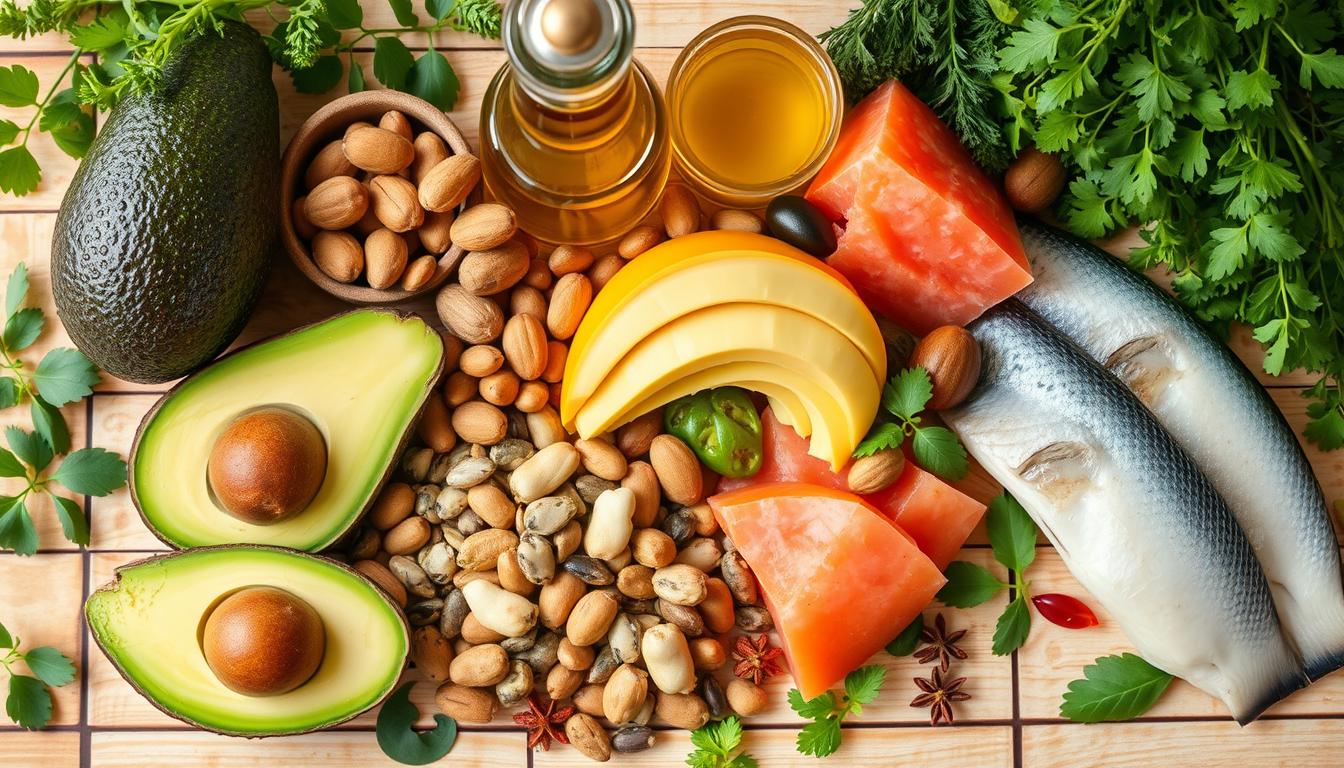
Healthy Fats: Essential Nutrients for Optimal Wellness
Did you know not all fats are the same? Some types of healthy fats are key for our health. They help our heart and brain work better. But are you getting the most from monounsaturated fats, polyunsaturated fats, and omega-3 fatty acids in your meals? Let’s explore how these fats can boost our wellness. Key Takeaways Healthy fats are essential for supporting heart health, brain function, and overall well-being. Monounsaturated and polyunsaturated fats, including omega-3 fatty acids, provide numerous benefits. Incorporating the right balance of healthy fats into your diet can make a significant difference in your overall health and wellness. Debunking common myths about fats and understanding their role in metabolism and body functions. Practical tips for selecting, storing, and cooking with nutrient-dense healthy fat sources. Understanding the Role of Healthy Fats in Your Diet Healthy fats are key to our health. Let’s explore how they help our bodies work well. The Science Behind Fat Metabolism Our bodies can break down different fats, like healthy fats. This includes monounsaturated fats and polyunsaturated fats. They turn into energy that powers us every day. How Fats Support Body Functions Healthy fats do more than just give us energy. They help us absorb vitamins, keep our hearts and brains healthy, and help with hormones. Eating the right fats can greatly improve our health. Debunking Common Fat Myths Many people still think all fats are bad. But, not all fats are harmful. Knowing the difference helps us choose better fats for our health. “Fats are not the enemy. In fact, they are essential for our bodies to function properly.” Accepting the importance of healthy fats is a big step towards better health. By understanding the science and clearing up myths, we can make better choices for our bodies. The Different Types of Healthy Fats It’s key to know about the different healthy fats we can eat. Let’s look at monounsaturated fats, polyunsaturated fats, and omega-3 fatty acids. Each has special benefits for our health. Monounsaturated Fats: The Heart-Healthy Option Monounsaturated fats are great for our hearts. They help keep cholesterol levels in check. You can find them in foods like avocados, olive oil, and nuts. Adding them to your meals can make your diet healthier. Polyunsaturated Fats: The Multitaskers Polyunsaturated fats are very helpful. They reduce inflammation and support brain and cell growth. You can get them from fatty fish, seeds, and some plant oils. Omega-3 Fatty Acids: Nature’s Brain Boosters Omega-3 fatty acids are known for their many benefits. They’re good for the heart and brain. You can find them in fatty fish, nuts, and seeds. Knowing about each type of healthy fat helps us make better choices. Eating a mix of these fats can lead to a healthier lifestyle. Essential Omega-3 Fatty Acids: Benefits and Sources Omega-3 fatty acids are key to a healthy diet. They offer many benefits for our health. Let’s explore the science behind them and how to add them to our meals. EPA and DHA Benefits Eicosapentaenoic acid (EPA) and docosahexaenoic acid (DHA) are the top omega-3s. They help our heart, brain, and reduce inflammation. Eating more EPA and DHA can lower heart disease risk, improve brain function, and boost mood. Plant vs Marine Sources Omega-3s are found in plants and sea creatures, but they differ in type and amount. Fatty fish and fish oil are rich in EPA and DHA, the best types. Chia seeds, flaxseeds, and walnuts have ALA, which our body can convert to EPA and DHA, but not as well. Daily Recommended Intake The daily omega-3 intake varies by age, gender, and health. Adults should aim for 1,100-1,600 mg of EPA and DHA daily. Eating foods rich in omega-3s helps meet this goal and supports our health. Monounsaturated Fats: Heart-Healthy Champions Monounsaturated fats are superheroes for a healthy heart. They support heart function and offer many benefits for our well-being. Let’s explore how these fats can be part of our daily lives. These fats, found in avocados and olive oil, lower bad LDL cholesterol and raise good HDL cholesterol. This balance is key for a healthy heart and lowers heart disease risk. They also help control blood pressure and improve insulin sensitivity, crucial for heart health. Avocados are packed with monounsaturated fats, about 15 grams in a medium fruit. They’re great in salads, sandwiches, and even desserts. Olive oil, a key part of the Mediterranean diet, is also rich in these fats. Used in moderation, it adds flavor and heart health benefits to dishes. Adding monounsaturated fats to your diet is easy and beneficial for your heart. Enjoying avocado salads or olive oil on veggies is a step towards a healthier heart. Monounsaturated fats are the unsung heroes of the nutrition world, quietly working to improve our heart health and overall well-being. So, include heart-healthy monounsaturated fats in your meals. Your body and heart will appreciate it! Power-Packed Nuts and Seeds for Optimal Health Nuts and seeds are tiny powerhouses of nutrition. They are full of healthy fats, fiber, and essential vitamins and minerals. These little gems can greatly improve our health and wellness. Let’s explore the top nutrient-dense options, learn about portion sizes, and discover storage tips to keep them fresh. Top Nutrient-Dense Options Almonds: Rich in vitamin E, magnesium, and healthy fats. Walnuts: An excellent source of omega-3 fatty acids, helpful for brain health. Chia seeds: Loaded with fiber, protein, and antioxidants. Pumpkin seeds: High in zinc, magnesium, and plant-based omega-3s. Cashews: Creamy and delicious, providing copper and magnesium. Portion Control Guidelines When it comes to nuts and seeds, portion control is key. A serving size is typically around 1/4 cup or a small handful. It’s important to be mindful of your portions, as these nutritious snacks can be high in calories. Enjoy them as a healthy addition to your diet, but remember to practice moderation. Storage Tips for Maximum Freshness To keep your nuts and seeds at their peak, proper storage is essential. Store them in an airtight container
Plant-Based Eating: A Complete Guide to Getting Started
Discover the essentials of plant-based eating with our comprehensive guide. Learn tips, meal planning strategies, and nutritional insights to successfully transition to a healthier lifestyle
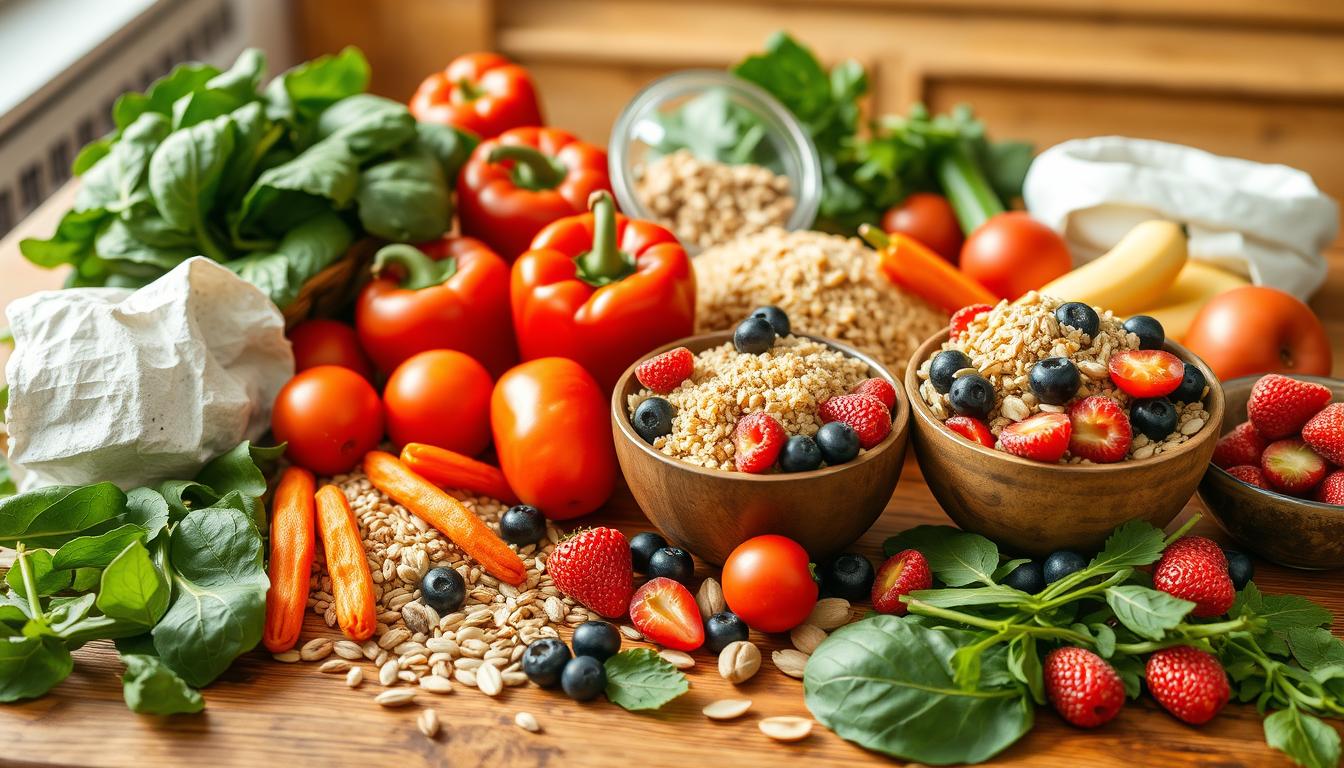
Healthy Recipes: Quick and Nutritious Meal Ideas
Pssst, can you keep a secret? We’ve got the scoop on how to make delicious and healthy meals fast! Say goodbye to boring, unhealthy food and hello to clean eating. In this article, we’ll show you how to make tasty dishes quickly. These dishes will make your taste buds and body happy. Are you ready to find out how to make amazing, healthy meals? Let’s get started! Key Takeaways Discover quick and easy ways to incorporate wholesome ingredients into your meals. Learn how to plan nutritious meals that are both satisfying and delicious. Explore the benefits of clean eating and whole food-based recipes. Uncover time-saving tips for preparing healthy breakfasts, lunches, and dinners. Get inspired to elevate your cooking game with simple, yet nourishing meal ideas. The Essentials of Clean Eating and Meal Planning Starting a clean eating journey can be very rewarding. It’s about eating whole, natural foods that are full of nutrients. By knowing the importance of whole foods and how to shop smart, you can make your kitchen a place for healthy meals. Understanding Whole Food Ingredients Whole foods like fruits, veggies, grains, lean proteins, and healthy fats are key. They give your body the nutrients it needs. Eating these foods lets you enjoy their natural flavors and textures. Smart Shopping for Nutritious Ingredients Visit local farmer’s markets and specialty stores for fresh whole foods. Check nutrition labels to avoid processed foods with too much sugar, salt, and unhealthy fats. Choose organic produce to avoid harmful chemicals. Buy staples like quinoa, lentils, nuts, and healthy oils for quick meals. Basic Kitchen Tools for Healthy Cooking Having the right kitchen tools makes cooking clean eating meals easy. Get a good chef’s knife, a durable cutting board, strong pots and pans, and a reliable blender or food processor. These tools will help you cook healthy meals that taste great. Essential Kitchen Tool Benefits for Clean Eating Chef’s Knife Effortlessly chop, slice, and dice a variety of whole food ingredients. Cutting Board Provides a safe, stable surface for meal prep and minimizes cross-contamination. Pots and Pans Allows for versatile cooking methods, from sautéing vegetables to roasting whole foods. Blender or Food Processor Transforms whole foods into nutrient-dense smoothies, dips, and sauces. With these basics, you’re ready to make tasty, nutritious recipes that are good for you. Quick Breakfast Options Under 300 Calories Starting your day with a healthy breakfast is key. We’ve got quick, low-calorie breakfast ideas that are both nourishing and energizing. Enjoy creamy plant-based smoothie bowls or savory vegan breakfast sandwiches. All these healthy recipes are under 300 calories, perfect for busy mornings or when you’re watching your low-calorie intake. Overnight Oats with Berries and Chia Seeds: Prep this the night before for a grab-and-go breakfast. Mix rolled oats, almond milk, fresh or frozen berries, and a sprinkle of chia seeds. Top with a drizzle of honey for a naturally sweet treat. Avocado Toast with Poached Egg: Toast a slice of whole-grain bread, top it with mashed avocado, and finish with a perfectly poached egg. This protein-packed breakfast will keep you satisfied until lunchtime. Spinach and Feta Breakfast Wrap: Scramble a couple of eggs with fresh spinach and crumbled feta, then wrap it in a whole-wheat tortilla for a delicious on-the-go option. Breakfast Idea Calories Protein (g) Fiber (g) Overnight Oats with Berries and Chia Seeds 290 9 7 Avocado Toast with Poached Egg 280 12 6 Spinach and Feta Breakfast Wrap 260 16 5 Start your day with these quick and nutritious breakfast options. They’re delicious and won’t drain your energy. Try different ingredients and flavors to find your favorite healthy recipe. “Breakfast is the most important meal of the day, so make it count with these delicious and low-calorie options.” Plant-Based Lunch Ideas for Busy Professionals Busy professionals, we’ve got your lunch covered! These plant-based ideas are perfect for the office or remote work. They’ll keep you energized and focused all day. Protein-Rich Vegetarian Combinations These vegetarian lunches are packed with plant-based protein. They’ll keep you full and energized. Try a lentil and quinoa bowl or a veggie burrito with black beans, avocado, and salsa. Make-Ahead Lunch Box Solutions Prep your lunches ahead of time to save time. Make a big batch of healthy vegetarian chili or a colorful grain salad. Then, portion it out for easy meals all week. Quick Assembly Tips for Fresh Bowls Need a quick, nutritious lunch? Assemble a plant-based bowl. Start with greens or grains, add roasted veggies, edamame, and avocado dressing. Protein-Rich Vegetarian Combos Make-Ahead Lunch Box Solutions Fresh Bowl Assembly Tips Lentil and Quinoa Bowl Vegetarian Chili Greens or Grains Base Veggie-Loaded Burrito Colorful Grain Salad Roasted Vegetables Crisp Edamame Creamy Avocado Dressing Try these plant-based lunch ideas for a delicious, nutritious meal. Your body and mind will love you! Healthy Recipes That Take Less Than 30 Minutes In today’s fast world, it’s easy to forget about healthy eating. But don’t worry, we’ve got you covered. Our healthy recipes that are ready in under 30 minutes are here to help. These quick meals show that eating clean and whole doesn’t have to take forever. From one-pan dishes to speedy stir-fries, these recipes will change your weeknight dinners. You’ll enjoy tasty, healthy meals without spending hours cooking. Let’s explore some of our top picks for quick and healthy recipes! 30-Minute Chicken Stir-Fry This stir-fry is a weeknight savior. It combines tender chicken, crunchy veggies, and a tasty sauce in no time. Serve it over brown rice for a full, healthy meal. One-Pan Salmon and Roasted Vegetables Salmon is a nutritional superstar, and this one-pan dish makes it easy to enjoy. Just mix salmon with whole food veggies, season, and bake. In 25 minutes, you get a protein-packed, quick meal. 5-Ingredient Lentil and Sweet Potato Soup Hearty, clean eating has never been simpler. This soup needs just 5 ingredients and is ready in under 30 minutes. It’s a plant-based treat that’s good for your body and soul. Recipe Time to
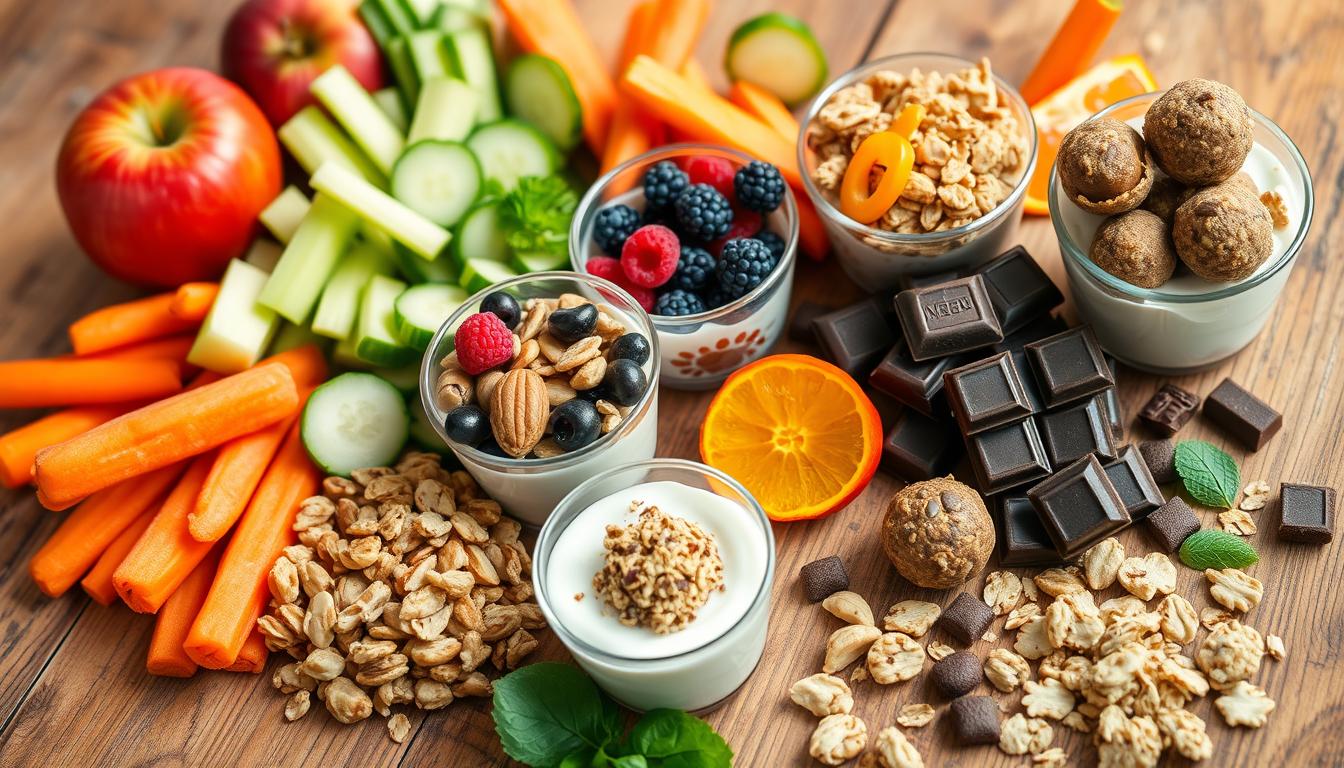
10 Best Healthy Snacks for Energy and Weight Loss
Are you tired of unhealthy snacks that make you feel sluggish and guilty? We’ve got the answer! Get ready to find the 10 best healthy snacks that boost energy and aid in weight loss. These snacks are packed with protein and fiber, making them delicious and nutritious. Imagine enjoying crunchy almonds or creamy Greek yogurt with fresh berries. These snacks are guilt-free and keep you energized all day. But what makes them so special? Let’s explore the secrets behind these top healthy snacks. Key Takeaways Discover a variety of healthy snack options that can boost your energy and support weight loss Learn how to choose snacks that are packed with essential nutrients and macronutrients Understand the importance of portion control and mindful snacking for sustainable weight management Explore protein-rich and fiber-filled snacks that can keep you feeling full and satisfied Uncover low-calorie treats that don’t sacrifice taste, allowing you to indulge guilt-free Why Choosing the Right Snacks Matters for Weight Management Snacking can be tricky when trying to lose or manage weight. But, the right snacks can be a big help. They can increase your metabolism and keep you full. Plus, they help you control your portions for a healthy weight. Understanding the Connection Between Snacking and Metabolism Snacking can actually speed up your metabolism. The secret is to pick snacks full of protein, healthy fats, and complex carbs. These snacks require more energy to digest, boosting your metabolism. They also prevent your blood sugar from dropping too low, avoiding energy crashes and unhealthy cravings. The Role of Portion Control in Weight Loss Controlling your portions is key for weight management. It helps you stay in a calorie deficit for fat loss. It’s easy to eat too much when snacking. Measuring out your snacks and sticking to the sizes is crucial. By watching your portion sizes and choosing wisely, you can enjoy snacking without gaining weight. Finding the right balance between satisfying your hunger and controlling portions is key. With smart snacking, you can boost your metabolism, stay full, and reach your weight loss goals. Smart Snacking Guidelines for Sustainable Weight Loss Ready to make your snacking work for you? We’re excited to share our go-to guidelines for choosing nutrition bars, balanced snacks, and mindful eating practices that support sustainable weight loss. These tips will help you snack smarter and feel great doing it! First and foremost, focus on creating a balanced snack that combines protein, fiber, and healthy fats. This trifecta of nutrients will keep you feeling full and satisfied, preventing those mid-afternoon energy crashes. Some of our favorite balanced snack options include: Greek yogurt with fresh berries and a sprinkle of nuts Sliced apple with almond butter Hummus with carrot and cucumber sticks Portion control is also key when it comes to mindful eating. Avoid mindlessly munching straight from the bag or box. Instead, take the time to portion out your snack into a small bowl or plate. This simple practice can make a big difference in how much you ultimately consume. Snack Portion Size Nutrition bars 1 bar Trail mix ¼ cup Popcorn 3 cups popped Finally, be mindful of your snacking habits. Avoid mindless eating in front of the TV or computer. Instead, take a moment to sit, savor, and truly enjoy your balanced snack. This heightened awareness can help you make more nutritious choices and feel more satisfied. Remember, the key to sustainable weight loss is finding snacks that nourish your body and satisfy your cravings. By following these smart snacking guidelines, you’re on your way to a healthier, happier you. Protein-Rich Snacks to Keep You Fuller Longer Protein is key to feeling full and energized between meals. We have a tasty selection of protein-packed snacks. They will keep your hunger at bay and help you reach your weight loss goals. Plant-Based Protein Snack Options For plant-based protein, try these tasty and healthy snacks: Edamame – These soy-based pods are full of plant-based protein, fiber, and vitamins. Protein balls – Made with nut butters, oats, and dried fruit, they’re a protein-rich treat. Roasted chickpeas – Crunchy and savory, they’re a great snack instead of chips. Animal-Based Protein Snack Choices For animal-based protein, check out these options: Greek yogurt – It’s creamy, tangy, and full of protein. Enjoy it with fruit and nuts. Hard-boiled eggs – They’re easy to take with you and are very protein-rich. Jerky – Choose high-quality jerky for a tasty, protein-packed snack. These protein-rich snacks work for everyone, no matter your diet. Stock up on your favorites. Enjoy feeling full and supported in your weight management journey. Fiber-Packed Healthy Snacks for Digestive Health We’ve found snacks that are good for our bodies and taste great. These snacks are full of fiber. Fiber helps our digestive system and keeps us full longer, which is good for weight control. Fruit chips are a favorite snack of ours. They’re made from fresh fruits like apples and pineapples. These chips are crunchy and sweet, and they’re a healthier choice than sugary snacks. They’re also great with Greek yogurt for extra protein. Veggie straws are another favorite. They’re crispy and full of plant-based fiber. They come in many flavors. We enjoy them with hummus or guacamole for a tasty and healthy snack. Craving something heartier? Try roasted high-fiber snacks like chickpeas or edamame. They’re crunchy and nutritious. For a sweet treat, try baked oatmeal bars or homemade granola. They’re made with oats, nuts, and dried fruit. Adding these fiber-rich snacks to our diet is good for our bodies. It also helps our digestive health. Snacking has never been more satisfying and healthy! Low-Calorie Options That Don’t Sacrifice Taste Low-calorie doesn’t have to mean boring. We’ve got a lineup of mouthwatering snacks that’ll satisfy your sweet and savory cravings without breaking the calorie bank. Get ready to indulge in these guilt-free treats that taste anything but “diet”! Natural Sweet Treats Under 100 Calories Satisfy your sweet tooth with these delectable low-calorie snacks made with natural sweeteners. From

Going Vegan: Your Guide to Plant-Based Living
Discover the essentials of going vegan with our comprehensive guide. Learn about plant-based nutrition, meal planning, and easy tips to transition to a sustainable vegan lifestyle today
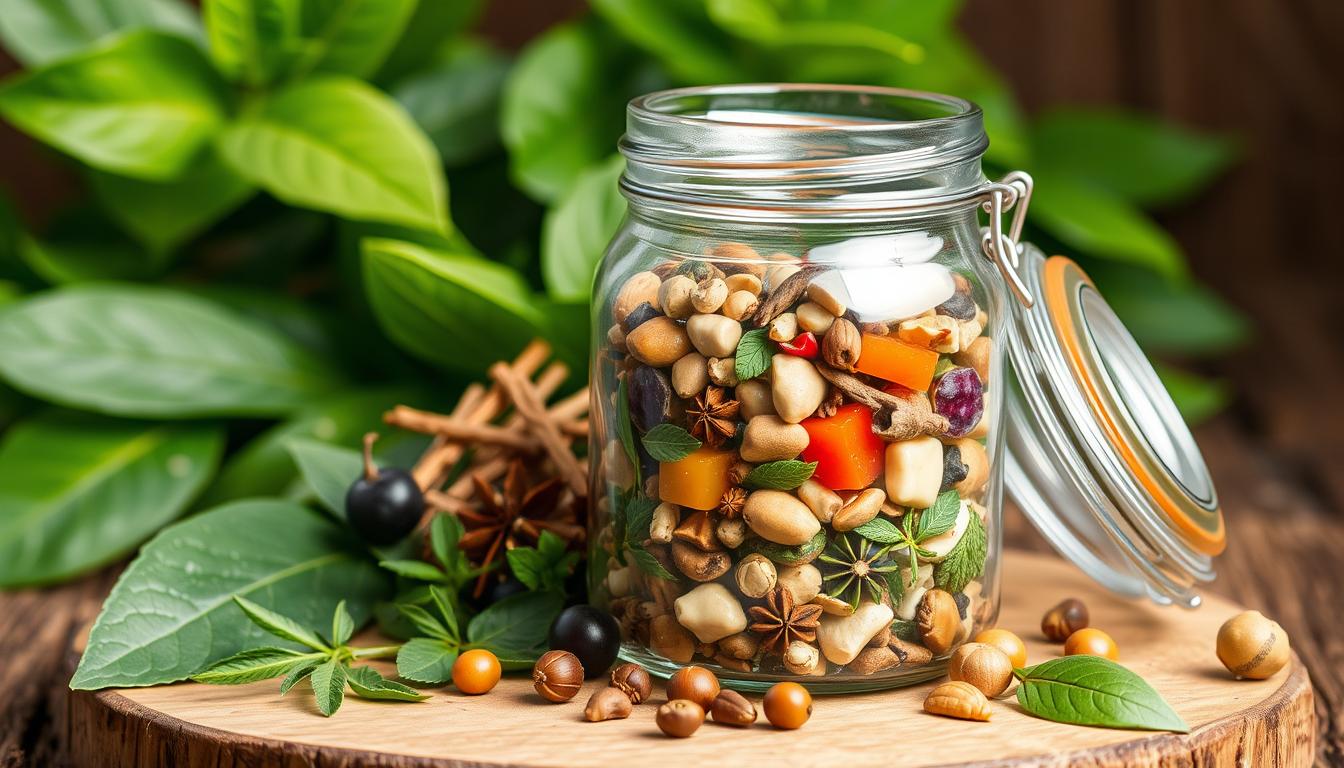
Ingredient Transparency: What’s Really in Your Products
In today’s world, we all want to know what’s in our products. We have the right to know what we put in our bodies and on our skin. But, with complex labels and hidden additives, it’s hard to know what to look for. This article will help you understand the importance of knowing what’s in your products. We’ll talk about how to read labels and find out the truth about ingredients. You’ll learn how to make better choices as a consumer. Key Takeaways Discover the FDA labeling guidelines and international standards for product disclosure Understand the rise of the clean label movement and its impact on consumer trust Learn to decipher common ingredient names and identify hidden additives Explore the importance of allergen information and supply chain transparency Uncover the latest trends in non-GMO verification and sustainable sourcing practices Understanding Product Label Requirements When we buy products for our homes, knowing what the labels say is key. Labels tell us about food, product details, and allergens. It can seem overwhelming, but we’re here to help. We’ll explain what labels must say and what’s optional. FDA Labeling Guidelines In the US, the Food and Drug Administration (FDA) makes rules for food labels. They require labels to show the product’s name, nutrition facts, ingredients, and allergens. This helps us make better choices about what we eat. International Labeling Standards But, labeling rules vary worldwide. For example, the European Union has strict rules about telling consumers about allergens. Knowing these rules is important for companies selling in different places. Mandatory vs. Optional Disclosures Mandatory Disclosures: Labels must have nutrition facts, ingredient lists, and warnings about allergens. Optional Disclosures: Companies can add extra info, like if a product is sustainable or ethically made, to stand out. By understanding food labeling, product disclosure, and allergen information, we can make smarter choices. This supports the transparency we want in our products. The Rise of Clean Label Movement In recent years, the clean label movement has changed the consumer goods industry. People now want simple, transparent, and ethically-sourced products. This trend makes brands rethink their formulas and marketing. Long lists of hard-to-pronounce ingredients are no longer okay. Today, people look for clean label products. They want ingredient transparency and ethical sourcing. They’re choosing natural, less-processed options over artificial additives and preservatives. This movement isn’t just for big brands. It’s also helping new startups shake up old industries. These startups show it’s possible to make quality, eco-friendly products without high costs. Consumers are demanding more information about the products they buy, and they’re willing to pay a premium for brands that are transparent about their ingredients and sourcing practices. As the clean label trend grows, companies can’t ignore what consumers want. They’re changing their products or starting new clean label lines. This is helping businesses meet the demand for these products. By focusing on ingredient transparency and ethical sourcing, brands can gain trust and loyalty. The clean label movement is here to stay. Smart companies are finding creative ways to meet the demand for products that match consumer values. Demystifying Common Ingredient Names Understanding ingredient lists can seem like a puzzle. But don’t worry! We’re here to help you make sense of tricky chemical names and food labeling and ingredient transparency. Chemical Names vs. Common Names Many ingredients on labels have scientific-sounding names. But it’s not as scary as it seems! For instance, “ascorbic acid” is just another word for vitamin C. Knowing these common names makes reading labels easier. Hidden Sugar and Salt Aliases Watch out for sugar names like “evaporated cane juice,” “maltose,” and “high fructose corn syrup.” Salt can hide as “sodium chloride,” “monosodium glutamate (MSG),” and “baking soda.” Being aware of these hidden ingredients helps you choose better. Artificial vs. Natural Ingredients In non-GMO and clean label products, knowing the difference is key. Artificial ingredients include synthetic preservatives and colors. Natural ingredients come from fruits, veggies, and minerals. Knowing this helps you pick better. Once you know how to read them, nutrition labels can be a powerful tool for making informed choices about the food you eat.” By understanding ingredient names, spotting hidden sugars and salts, and knowing the difference between artificial and natural, you’ll be a pro at food labeling and ingredient transparency. Armed with this knowledge, you can make smarter choices for your home. Allergen Information and Consumer Safety Food allergies are a big worry for many. It’s key to know what’s in our food. Now, labels must list common allergens like peanuts, dairy, and soy. This helps keep people with severe allergies safe. New trends in labeling are helping even more. Some brands tell us exactly how much of each allergen is in their products. Others warn about possible allergen contamination from shared spaces. Allergen Disclosure Mandatory Voluntary Common Allergens ✓ Specific Allergen Quantities ✓ Cross-Contamination Risks ✓ These changes mean better allergen information and food labeling. It’s a big step towards keeping everyone safe. It lets people with allergies shop with confidence and avoid serious health issues. Accurate and transparent allergen labeling is essential for the millions of people with food allergies. We’ve come a long way, but there’s still more work to be done to ensure everyone can shop with confidence.” Supply Chain Transparency in Modern Manufacturing Today, people want to know more about the products they buy. They want to know where the ingredients come from and how they were sourced. Luckily, companies are now using new ways to show where things come from. They use traceability systems, blockchain technology, and third-party checks. This helps them show how they source their ingredients. Traceability Systems Traceability systems are changing how we track our food and other items. They use RFID tags, barcodes, and GPS to track products. This means we can see where our food comes from. This supply chain transparency makes us feel more confident in what we buy. Blockchain in Ingredient Tracking Blockchain is also important for sustainable ingredients and ethical sourcing. It keeps a record

Intermittent Fasting: Guide to Time-Restricted Eating
Are you curious about the health benefits of intermittent fasting? Not sure where to start? Join us as we explore the fascinating world of time-restricted eating. Discover how it can transform your well-being. In this comprehensive guide, we’ll dive into the science behind fasting. We’ll uncover the powerful effects on your body. And we’ll provide practical strategies to seamlessly integrate this lifestyle into your daily routine. One of the most intriguing questions we’ll address is: How can strategically timing our meals lead to improved metabolic function and weight management? By understanding the intricate connection between our circadian rhythms and nutrient intake, we’ll unveil the hidden mechanisms that make intermittent fasting so effective. Get ready to embark on a journey of self-discovery and unlock the secrets to better health through the power of time-restricted eating. Key Takeaways Discover the science behind the benefits of intermittent fasting Learn how to leverage your body’s natural circadian rhythms for optimal metabolic function Explore various fasting schedules and find the best fit for your lifestyle Understand the role of meal planning and food choices during your eating windows Uncover strategies to manage hunger and maintain energy levels while fasting Understanding the Science Behind Time-Restricted Eating Intermittent fasting, or time-restricted eating, is a fascinating approach to improving your metabolic health, circadian rhythms, and overall well-being. Let’s delve into the science behind this powerful practice and uncover the incredible things happening inside your body during fasting periods. How Fasting Affects Your Body When you abstain from food for an extended period, your body enters a state of autophagy. This is a natural process where cells recycle and rejuvenate themselves. This cellular cleanup supports metabolic health, reduces inflammation, improves immune function, and even slows aging. The Role of Circadian Rhythms Your body’s internal clock, known as your circadian rhythms, plays a vital role. It regulates various physiological processes, including metabolism, hormone production, and sleep-wake cycles. By aligning your eating patterns with your natural circadian rhythms, you can optimize these bodily functions and experience a range of benefits. Metabolic Benefits of Fasting Fasting has been shown to enhance metabolic health. It increases insulin sensitivity, reduces inflammation, and promotes fat-burning. During a fasting period, your body shifts into a state of ketosis. It starts to utilize stored fat as a primary fuel source, leading to weight loss and improved body composition. “Intermittent fasting is one of the most powerful tools we have to improve metabolic health, enhance cognitive function, and potentially even extend lifespan.” – Dr. Rhonda Patrick, renowned scientist and health expert Benefits of Time-Restricted Eating for Weight Loss Time-restricted eating is a powerful tool for weight loss strategies. It works by using your body’s natural fat-burning and appetite control. This can be a big help for those trying to lose weight. Fat Burning Mechanisms Time-restricted eating puts your body in a fasted metabolism state. Your body then uses stored fat burning reserves for energy. This leads to more efficient calorie restriction and gradual weight loss. Appetite Regulation This eating pattern also helps control hunger. It aligns with your natural body rhythms. This can lower hunger hormones like ghrelin, making you feel full and eat less. Caloric Reduction Effects Time-restricted eating naturally cuts down on calories. By eating only during a certain time, you eat fewer calories. You don’t need to count calories or feel deprived. Adding time-restricted eating to your life can be very effective. It helps your body burn fat, controls hunger, and reduces calorie intake. This can help you reach your weight loss goals. Common Fasting Windows and Schedules Fasting can seem daunting, but don’t worry! We’ve got you covered with a rundown of popular fasting schedules. Whether you wake up early or stay up late, there’s a fasting plan for you. The 16/8 Fasting Schedule The 16/8 method is a great start for beginners. You fast for 16 hours and eat in an 8-hour window. It’s flexible, letting you pick your eating times, making it easy to fit into your day. The 5:2 Diet The 5:2 diet is another favorite. You eat normally for 5 days and then limit calories to 500-600 on the other 2 days. It’s perfect for those wanting a structured fasting plan. The One-Meal-a-Day (OMAD) Approach For a more intense fasting, try OMAD. You fast for 23 hours and eat all your calories in one meal. It’s a big change, but it can lead to significant weight loss and health benefits. Fasting Schedule Fasting Window Eating Window Benefits 16/8 16 hours 8 hours Flexible, beginner-friendly 5:2 2 days per week 5 days per week Structured fasting, potential for weight loss OMAD 23 hours 1 hour Profound metabolic benefits, weight loss It’s important to choose a fasting schedule that fits your life and goals. Try different methods and listen to your body to find what works best for you. “The beauty of intermittent fasting is that it’s not a diet, but a lifestyle choice that can be tailored to your individual needs and preferences.” How to Start Your Time-Restricted Eating Journey Starting a time-restricted eating (TRE) lifestyle might seem hard, but we’re here to help. We’ll guide you from picking your fasting window to using apps like the Food Scan Genius app. You’ll find all the tips and tricks to succeed in your intermittent fasting journey. Choosing Your Fasting Window Finding the right fasting window is crucial for TRE success. Think about your usual meal times and energy levels. Many prefer a 16:8 or 12:12 fasting-to-eating ratio. It lets you enjoy meals while fasting benefits. Try different schedules to find what fits your body and life best. Tracking Tools and Apps Download the Food Scan Genius app to log your meals and track meal timing. Use a fasting tracker app for reminders and to stay on schedule. Sync your fitness tracker to track activity and energy during fasting and eating. Meal Planning Strategies Healthy, tasty meals during your eating window are key. Cook meals in batches, plan ahead, and have snacks

From Allergic Reactions to Happy Solutions: Conquering Peanut Allergies with the Power of Almond Milk!
From Allergic Reactions to Happy Solutions: Conquering Peanut Allergies with the Power of Almon Photo by CatsWithGlasses on Pixabay d Milk!## Understanding peanut allergies and their significance Peanut allergies are a serious and potentially life-threatening condition that affects millions of individuals worldwide. As a parent, witnessing my child’s struggle with this allergy has been a heart-wrenching experience. The constant fear of accidental exposure and the need for vigilance can be overwhelming. However, through our journey, we have discovered a powerful ally in the form of almond milk, which has become a game-changer in managing peanut allergies. Peanut allergies are one of the most common food allergies, and their prevalence has been steadily increasing in recent years. This allergy occurs when the body’s immune system mistakenly identifies peanut proteins as harmful substances, triggering an allergic reaction. Symptoms can range from mild (such as hives or rashes) to severe (such as difficulty breathing or anaphylaxis), making it a serious concern for families affected by this condition. While avoiding peanuts and peanut-based products is the primary line of defense, finding suitable alternatives can be challenging, especially for children who crave familiar flavors and textures. This is where almond milk shines, offering a delicious and nutritious solution that not only satisfies cravings but also provides peace of mind for parents. Exploring the challenges of peanut allergies in children Navigating peanut allergies with children can be a daunting task. From school lunches and birthday parties to playdates and family gatherings, the risk of accidental exposure is ever-present. As a parent, I have experienced the anxiety and constant vigilance required to ensure my child’s safety. One of the biggest challenges is finding suitable substitutes for dairy products, which are often used in various recipes and snacks. Milk, cheese, and yogurt are staples in many children’s diets, and finding alternatives that are both safe and appealing can be a struggle. Additionally, social situations can be particularly challenging for children with peanut allergies. Feeling left out or different from their peers can take an emotional toll, leading to feelings of isolation and frustration. As a parent, it is crucial to strike a balance between ensuring their safety and fostering a sense of normalcy and inclusion. The role of almond milk in managing peanut allergies In our quest for a safe and delicious alternative to dairy products, we stumbled upon almond milk, and it has been a true game-changer. Almond milk is not only free from peanuts and dairy, but it also offers a rich, creamy texture that closely resembles traditional milk, making it a fantastic substitute in a wide range of recipes and beverages. One of the primary benefits of almond milk is its versatility. It can be used in everything from smoothies and baked goods to savory dishes and sauces, providing a familiar taste and texture without compromising safety. Additionally, almond milk is often fortified with essential nutrients like calcium, vitamin D, and vitamin E, ensuring that my child receives the necessary nutrients for growth and development. By incorporating almond milk into our daily routine, we have been able to create a sense of normalcy and inclusivity for our child. No longer do they feel left out or deprived when it comes to enjoying their favorite treats or participating in social gatherings. Almond milk has opened up a world of possibilities, allowing us to create delicious and safe alternatives to traditional dairy-based dishes. Benefits of almond milk for individuals with peanut allergies Beyond its role as a safe and delicious substitute, almond milk offers numerous benefits for individuals with peanut allergies: Hypoallergenic: Almond milk is naturally free from peanuts, dairy, and other common allergens, making it a safe choice for those with multiple food allergies or sensitivities. Nutrient-dense: Almond milk is a good source of vitamins and minerals, including vitamin E, calcium, and riboflavin, which are essential for overall health and well-being. Lactose-free: Many individuals with peanut allergies also have lactose intolerance or sensitivity, making almond milk an excellent dairy-free alternative. Versatile: Almond milk can be used in a wide range of recipes, from baked goods to savory dishes, providing a familiar taste and texture without compromising safety. Environmentally friendly: Compared to dairy milk production, almond milk has a lower environmental impact, making it a more sustainable choice for those concerned about their carbon footprint. By embracing almond milk as a part of our daily routine, we have not only found a safe and delicious alternative but also gained peace of mind knowing that our child can enjoy their favorite foods without the risk of a potentially life-threatening allergic reaction. Thanksgiving recipes for individuals with peanut and milk allergies Thanksgiving is a time for gathering with loved ones and indulging in delicious, comforting foods. However, for families dealing with peanut and milk allergies, this holiday can present challenges. Fear not, as almond milk provides the perfect solution for creating delectable dishes that everyone can enjoy. Creamy Almond Milk Mashed Potatoes: Swap out dairy milk for almond milk in your traditional mashed potato recipe. The result is a velvety, rich side dish that will have everyone asking for seconds. Almond Milk Stuffing: Elevate your stuffing game by using almond milk instead of chicken or vegetable broth. The nutty flavor complements the herbs and spices perfectly, creating a savory and satisfying dish. Almond Milk Pumpkin Pie: Indulge in the quintessential Thanksgiving dessert with this delightful twist. Almond milk lends a creamy texture to the pumpkin filling, making it a safe and delicious treat for those with peanut and milk allergies. Almond Milk Gravy: Forget about the hassle of making a roux with butter and flour. Almond milk creates a silky, flavorful gravy that pairs perfectly with your turkey or meatless main dish. Almond Milk Cranberry Sauce: Add a touch of sweetness to your Thanksgiving spread with this tangy and vibrant cranberry sauce, made with almond milk for a velvety texture. By incorporating almond milk into your Thanksgiving recipes, you can ensure that everyone at the table can indulge

Discover the Best Vegan Products with Food Scan Genius
The coolest AI Assistant for Vegan/ Vegetarian Lifestyles Photo by dlsdkcgl on Pixabay ies and Dietary Restrictions## Introduction to Food Scan Genius As someone who values a plant-based lifestyle, I understand the challenges that come with navigating the world of grocery shopping. With so many products on the shelves, it can be daunting to ensure that every item you purchase aligns with your vegan values and dietary restrictions. That’s where Food Scan Genius comes in – a revolutionary AI shopping assistant designed to simplify the process of finding the best vegan products while catering to your specific needs. Imagine having a personal shopping companion that understands your dietary preferences and guides you through the maze of product labels, ingredients, and allergen information. Food Scan Genius is that companion, empowering you to make informed decisions and embrace a vegan lifestyle with confidence. In this article, we’ll delve into the world of Food Scan Genius, exploring its features, benefits, and how it can revolutionize your shopping experience. Get ready to discover a new level of convenience and peace of mind as we embark on this journey together. Understanding food allergies and dietary restrictions Before we dive into the wonders of Food Scan Genius, it’s essential to understand the significance of food allergies and dietary restrictions. For many individuals, consuming certain ingredients can have severe consequences, ranging from mild discomfort to life-threatening reactions. Additionally, adopting a vegan lifestyle means being vigilant about avoiding animal-derived products, which can be a daunting task when navigating complex ingredient lists. Food allergies and dietary restrictions are not just personal choices; they are often rooted in medical necessities or deeply held beliefs. As a result, ensuring that the products you consume align with your specific requirements is of utmost importance. This is where Food Scan Genius shines, providing a tailored solution that takes the guesswork out of the equation. The need for an AI shopping assistant In today’s fast-paced world, time is a precious commodity. Spending hours meticulously reading through ingredient lists and researching product information can be a daunting task, especially when you have dietary restrictions or follow a vegan lifestyle. This is where the need for an AI shopping assistant like Food Scan Genius becomes evident. Imagine being able to quickly and accurately identify products that meet your specific dietary requirements simply by scanning the barcode or product label. No more squinting at tiny print or deciphering complex ingredient lists – Food Scan Genius does the heavy lifting for you, providing instant and reliable information at your fingertips. Moreover, as a vegan shopper, you may have encountered situations where products marketed as “vegan-friendly” or “plant-based” turned out to contain hidden animal-derived ingredients. Food Scan Genius eliminates this frustration by meticulously analyzing each product’s composition, ensuring that you can make informed decisions with confidence. How Food Scan Genius works Food Scan Genius leverages cutting-edge AI technology and a vast database of product information to provide you with a seamless shopping experience. Here’s how it works: Scan or Search: Simply scan the barcode of a product using your smartphone’s camera, or search for the product by name or brand within the app. Analyze: Food Scan Genius instantly analyzes the product’s ingredients, allergens, and nutritional information, cross-referencing it against your dietary preferences and restrictions. Personalized Results: Within seconds, you’ll receive personalized recommendations tailored to your specific needs, highlighting whether the product is vegan-friendly, allergen-free, or suitable for your dietary requirements. Additional Information: Food Scan Genius goes beyond just providing a simple yes or no answer. It offers detailed information about the product, including potential allergens, nutritional values, and even suggestions for alternative products that better align with your preferences. With Food Scan Genius, you can shop with confidence, knowing that every purchase aligns with your values and dietary needs. Benefits of using Food Scan Genius Using Food Scan Genius as your AI shopping assistant offers numerous benefits that can significantly enhance your overall shopping experience: Time-Saving: No more wasting precious time scrutinizing ingredient lists or researching product information. Food Scan Genius provides instant and accurate results, saving you valuable time and effort. Peace of Mind: Eliminate the stress and uncertainty that often accompanies shopping with dietary restrictions or a vegan lifestyle. With Food Scan Genius, you can trust that the products you purchase are safe and align with your preferences. Expanded Options: Discover a world of vegan-friendly and allergen-free products that you may have previously overlooked or avoided due to uncertainty. Food Scan Genius opens up a broader range of options, allowing you to explore new and exciting products. Dietary Compliance: Ensure strict adherence to your dietary requirements, whether you’re following a vegan lifestyle, managing food allergies, or adhering to specific dietary restrictions. Food Scan Genius takes the guesswork out of the equation. Personalization: Tailor your shopping experience to your unique needs and preferences. Food Scan Genius allows you to customize settings and save your dietary restrictions, ensuring that every recommendation is tailored specifically for you. With these benefits, Food Scan Genius truly becomes an indispensable companion for anyone seeking a hassle-free and empowering shopping experience. Features of Food Scan Genius Food Scan Genius is packed with innovative features designed to make your shopping experience as seamless and enjoyable as possible. Here are some of the key features that set it apart: Barcode Scanning: Quickly scan product barcodes using your smartphone’s camera to instantly access detailed information about the item’s ingredients, allergens, and nutritional values. Voice Search: If you prefer a hands-free approach, simply use the voice search function to query products by name or brand, and Food Scan Genius will provide you with the necessary information. Allergen Alerts: For those with food allergies or sensitivities, Food Scan Genius offers customizable allergen alerts. Set your specific allergens, and the app will immediately notify you if a product contains any of those ingredients. vegan Certification: Easily identify products that are certified vegan by trusted organizations, ensuring that they meet strict standards and align with your ethical values. Favorites and

Mindful Eating: Transform Your Relationship with Food
Ever find yourself eating a whole bag of chips or a pint of ice cream without thinking? You’re not alone. Our fast-paced lives make it easy to forget about eating. But, there’s a way to change that. Welcome to mindful eating. Mindful eating is more than just another diet. It’s a way to connect with food and enjoy every bite. By being present during meals, you learn what your body really needs. So, how does it work and what are the benefits? Let’s explore conscious eating together. Key Takeaways Mindful eating is a transformative approach to food that can help you develop a healthier, more balanced relationship with eating. By learning to be present and attentive during mealtimes, you can better understand your body’s signals of hunger and fullness. Mindful eating can lead to increased enjoyment of food, better digestion, and a more positive mindset around eating. Incorporating mindful eating practices can help break the cycle of emotional and mindless eating. Transforming your kitchen and dining environment can support a sustainable mindful eating routine. Ready to start your intuitive eating journey and improve your food relationship? Let’s begin! Understanding Mindful Eating: A Path to Better Health Mindful eating is more than a trend. It’s a way to change how we see food and our health. By being present during meals, we find many benefits that go beyond just eating. The Science Behind Conscious Consumption Science backs up mindful eating. Studies show we eat less and feel more satisfied when we focus on our food. This focus helps us know when we’re full. Breaking Free from Autopilot Eating Many of us eat without thinking, leading to overeating and poor digestion. Mindful present eating helps us make better choices. It stops us from eating without thinking. Historical Origins of Mindful Eating Practices The idea of mindfulness-based eating comes from ancient Eastern philosophies. These philosophies linked eating to spiritual and emotional health. By going back to these roots, we can enjoy a healthier, more joyful relationship with food. “When we slow down and truly savor each bite, we not only nourish our bodies, but also cultivate a profound sense of gratitude and connection to the world around us.” The Psychology of Your Eating Habits Understanding the psychology behind our eating habits is key to a healthier relationship with food. The non-dieting approach and the anti-diet movement highlight how our thoughts and emotions influence our eating. This knowledge helps us nourish ourselves better. Our eating habits are shaped by our subconscious, upbringing, and society. Recognizing these factors is the first step to changing unhealthy patterns. It leads to a more intuitive and self-compassionate way of eating. Unraveling the Emotional Ties to Food Many of us use food to cope with emotions or fill voids. This is called emotional eating. It can create a cycle of guilt and more eating. By being mindful, we can find healthier ways to deal with our emotions. The Impact of Beliefs and Attitudes Our beliefs about food and our bodies affect our eating. Negative self-talk and unrealistic beauty standards can lead to unhealthy eating. Changing these beliefs to a more positive, non-judgmental mindset is crucial for lasting change. Unhealthy Eating Patterns Mindful Eating Approach Emotional Eating Addressing Emotional Triggers Restrictive Dieting Intuitive, Flexible Eating Obsession with Calorie Counting Focusing on Nourishment Understanding our eating habits’ psychology lets us adopt a more compassionate, non-dieting approach to food. This shift helps us avoid yo-yo dieting. It leads to a healthier, more sustainable relationship with food. “Eating should be a joyful experience, not a source of guilt or shame. When we approach food with self-love and curiosity, we open ourselves up to a world of nourishment and self-discovery.” Core Principles of Present-Moment Eating Embracing mindful nutrition and attentive consumption changes how we view food. At the center are three key principles. They help us enjoy every meal and nourish our bodies and minds. Engaging All Your Senses Mindful eating starts with using all your senses. Look at the color, texture, and smell of your food before eating. As you chew, feel the flavors and the mouthfeel. This awareness makes us appreciate our food more. It deepens our connection with what we eat. Recognizing Hunger and Fullness Cues Listen to your body’s hunger and fullness signals. Check how full you are during meals, not just when the plate is empty. Notice physical signs like a growling stomach or feeling full. These help decide when to eat and stop. Don’t eat out of boredom or emotions. Know the difference between real hunger and cravings. Creating a Mindful Eating Environment The place where you eat affects your mindful eating. Turn off screens and avoid distractions. Eat with others or in quiet, focusing on your food. This makes eating a calm, enjoyable experience. It helps us appreciate our food more. Principle Description Engaging All Your Senses Dive into the sensory experience of your meal, from looks to tastes and textures. Recognizing Hunger and Fullness Cues Listen to your body’s signals to guide your eating and avoid eating without thinking. Creating a Mindful Eating Environment Reduce distractions and create a calm space for meals to support attentive consumption. By following these core principles, we can better appreciate our food. We find joy in every bite. Breaking the Cycle of Emotional Eating Many of us struggle with emotional eating. It’s when we use food to deal with our feelings, leading to a cycle that hurts our mindful eating and conscious eating goals. But, with the right steps, we can stop this cycle and improve our food relationship. Recognizing why we eat emotionally is key. Do you eat when stressed, anxious, or bored? Think about what you really want – the food or the comfort it gives. This awareness helps us make better choices. Identify your emotional eating triggers. What situations or feelings make you overeat? Find new ways to cope, like walking, calling a friend, or relaxing. Look into why you eat emotionally, like past experiences, stress,
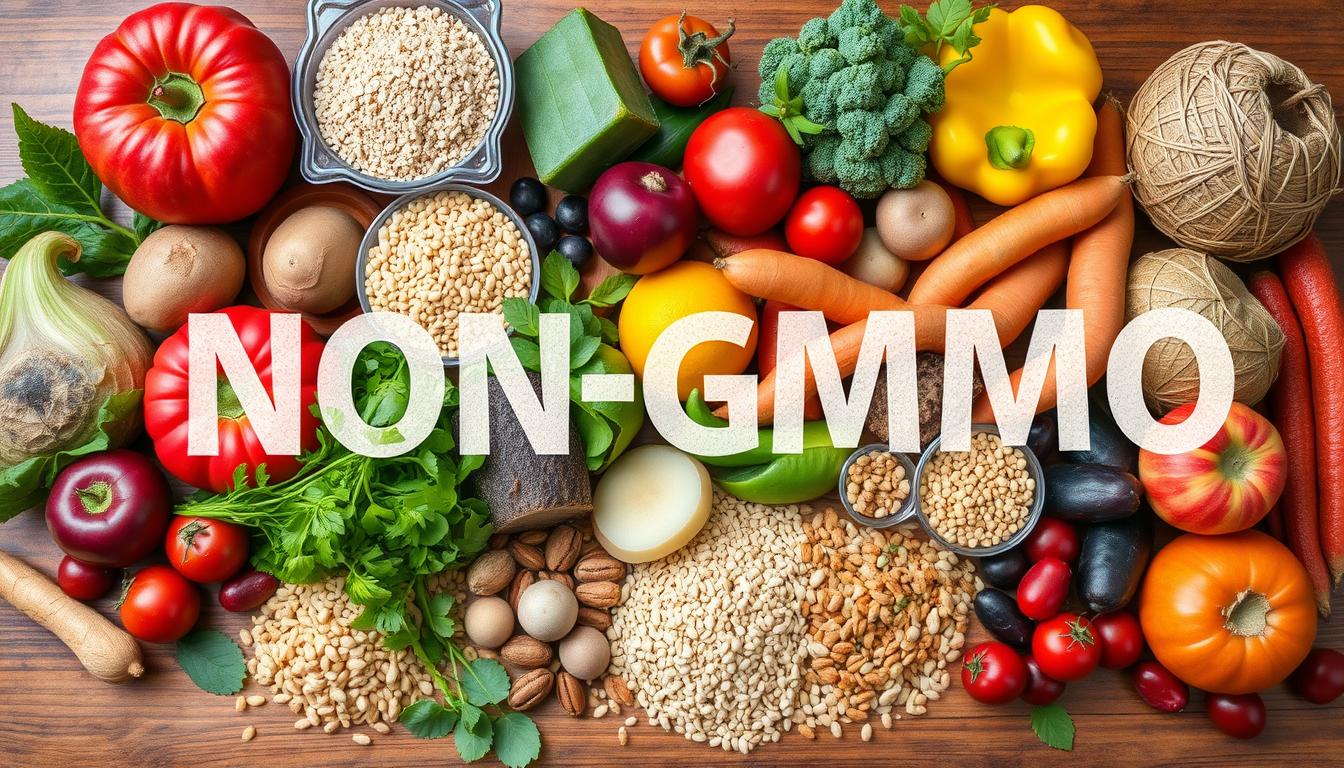
Understanding Non-GMO Ingredients: A Complete Guide
Are you a health-conscious consumer looking to make informed decisions about the ingredients in your everyday products? Join us as we explore the world of non-GMO ingredients. In this guide, we’ll explain what non-GMO means, the science behind genetic modification, and its effects on health and the environment. Get ready to become a savvy shopper and make choices that reflect your values. Key Takeaways Discover the definition of non-GMO ingredients and how they differ from genetically modified alternatives. Explore the science behind genetic modification and its potential impacts on human health and the environment. Understand the growing consumer demand for non-GMO products and the history of the non-GMO movement. Learn how to identify non-GMO ingredients in everyday products and navigate the various certification standards. Explore the benefits of choosing non-GMO ingredients and their connection to the clean label movement. What Are Non-GMO Ingredients and Why They Matter In today’s world, non-GMO ingredients are a big deal. But what are they, and why do people care? Let’s look into genetic modification and its effects on health and the planet. The Science Behind Genetic Modification Genetic modification changes an organism’s DNA to add new traits. It’s used in farming to make crops better, like pest-resistant or longer-lasting. But, the effects of GMOs on health and the environment are still up for debate. Impact on Human Health and Environment Some worry GMOs could harm human health. Research links GMOs to allergies, digestive problems, and diseases. Also, GMO crops’ pesticides harm bees and pollute nearby crops. Consumer Awareness and Demand As GMO risks become known, more people want non-GMO food. They look for organic produce, sustainable farming, and clear labels. This change pushes the food industry to offer more non-GMO choices and be open about what’s in their products. Knowing about GMOs helps us make better food choices. Choosing non-GMO supports sustainable farming and a healthier future for all. The History and Evolution of Non-GMO Ingredients The story of non-GMO ingredients is both fascinating and complex. It spans from ancient farming to today’s food concerns. This journey highlights our growing interest in plant-based foods and knowing where our food comes from. Long ago, our ancestors used selective breeding and traditional farming to grow their food. These methods, passed down through generations, helped create the wide variety of plant-based foods we enjoy today. With the advent of genetic modification, a new era in food production began. But this change also raised concerns about health and the environment. This led to a rise in demand for non-GMO options. Now, the non-GMO movement is stronger than ever. People are more aware of the need for food traceability and want to make better food choices. They look for products with non-GMO certification, showing a change in how we view our food. The rise of non-GMO ingredients is a testament to our collective desire to reconnect with the natural world and rediscover the true essence of what nourishes us. Looking back, the history of non-GMO ingredients reminds us of our deep connection to the earth. It shows our dedication to keeping our food supply safe and pure. Common Non-GMO Ingredients in Everyday Products As we aim for a cleaner, greener lifestyle, knowing what’s in our products is key. Let’s explore non-GMO ingredients. We’ll look at common grains, fruits, veggies, and sweeteners that are GMO-free. Popular Non-GMO Grains and Cereals Whole wheat flour Oats Brown rice Quinoa Millet These grains and cereals are the base of many tasty, healthy meals. They offer important nutrients, fiber, and carbs. This makes them essential in clean and eco-friendly products. Non-GMO Fruits and Vegetables Apples Bananas Broccoli Carrots Spinach Choosing non-GMO fruits and veggies means you get their natural goodness. They’re key to a healthy, sustainable diet. Natural Sweeteners and Alternatives Honey Maple syrup Dates Stevia Agave nectar Switching to natural sweeteners is a smart move. It lets you enjoy sweetness without the harm of refined sugars. Learning about these non-GMO ingredients helps us make better choices. It supports a clean, eco-friendly lifestyle. Choosing natural products is a simple yet powerful step towards a healthier, greener future. How to Identify Non-GMO Products While Shopping We all want to make smart choices about the food we eat. Spotting non-GMO products in the grocery store is a big part of that. Here are some tips to help you find those non-GMO labels and seals of approval. Transparency in Labeling Start by checking the labels closely. Look for “Non-GMO” or “Non-GMO Project Verified” labels. These labels mean the product has been tested and is GMO-free. Understanding Certifications Also, watch for certifications from trusted groups. The Non-GMO Project is a top program that checks for GMOs. Other good ones are USDA Organic and Certified Organic. These all mean the product doesn’t have GMOs. Certification Meaning Non-GMO Project Verified The product has been rigorously tested and certified to be free of genetically modified organisms. USDA Organic The product is made with organic ingredients and does not contain GMOs. Certified Organic The product is made with certified organic ingredients and prohibits the use of GMOs. By looking for these certifications, you know you’re choosing non-GMO products. This matches your health goals. Transparency in labeling is key when it comes to identifying non-GMO products. Look for clear and prominent labels that give you the peace of mind you deserve. Being a smart shopper helps you get products that fit your non-GMO needs. With these tips, you’ll easily spot non-GMO products in the store. Understanding Non-GMO Certification Standards Exploring non-GMO certifications can seem overwhelming. But knowing the key players and their methods is key for smart shopping. We’ll look at the main certification groups, their strict checks, and what those non-GMO labels mean. Major Certification Bodies Several top organizations lead in non-GMO certification. The Non-GMO Project, a leading non-profit, is known for its detailed verification. It ensures products meet high standards for food traceability and transparency in labeling. The USDA Organic seal also means a product is non-GMO, as it bans
Understanding Nutritional Facts: Complete Food Guide
Feeling lost in the world of food labels and nutrition facts? Don’t worry, we’re here to help. We’ll make it easy to understand the key parts of food labels. You’ll learn about serving sizes, calorie counting, and the nutrients your body needs. By the end of this guide, you’ll be a pro at reading nutritional facts. You’ll know how to use this knowledge to improve your health. Key Takeaways Understand the mandatory and optional elements on food labels Learn how to interpret serving sizes and portion control Discover the role of macronutrients (proteins, fats, and carbohydrates) Explore the importance of micronutrients and daily values Identify common food additives and hidden ingredients Gain insights into managing dietary restrictions and allergies Leverage technology to simplify nutritional analysis Navigating Food Labels: Essential Components Understanding food labels is key to making smart dietary choices. Let’s explore the main parts of these labels. They help guide us towards healthier eating. Mandatory Label Elements Every food label has basic items that must be included. These are the product’s name, net weight or volume, ingredient list, and the Nutrition Facts table. These parts help us understand what’s in our food. Optional Nutritional Information Food labels also have extra info that’s not required. This includes vitamins, minerals, and other nutrients. This extra data is helpful for those watching their diet or looking for specific health benefits. Location of Key Information It’s important to know where to find important info on food labels. The Nutrition Facts table is usually on the side or back. The ingredient list is below it, showing what’s in the food. By knowing what’s on food labels and where to find it, we can shop smarter. We make better choices about what we eat. Nutritional Facts: Breaking Down the Basics Learning about nutrition is crucial for making smart food choices. Let’s explore calorie count, macronutrients, and micronutrients. These are the key elements that power our bodies. Calories are the energy we need for daily activities. Knowing the calorie count helps us control our energy intake and keep a healthy weight. But, calories alone don’t tell the whole story. The three main macronutrients are proteins, fats, and carbohydrates. Proteins build our muscles and tissues. Fats give us energy and support our body’s functions. Carbohydrates are our body’s main fuel source. Finding the right balance of these macronutrients is key for good health. We also need to focus on micronutrients like vitamins and minerals. They are vital for our immune function and metabolism. These nutrients help us function at our best on a cellular level. Macronutrient Key Functions Optimal Daily Intake Proteins Muscle building, tissue repair, enzyme production 10-35% of total calories Fats Energy storage, hormone production, nutrient absorption 20-35% of total calories Carbohydrates Fuel for the body and brain, fiber for digestive health 45-65% of total calories By grasping the importance of calorie count, macronutrients, and micronutrients, we can make better choices. These choices nourish our bodies and support our health. Stay with us as we delve deeper into these topics! Serving Sizes and Portion Control Guidelines Learning about serving sizes and portion control can change your health and wellness journey. Let’s explore the key points you need to know. This will help you make better choices about what you eat. Standard Serving Measurements Knowing standard serving sizes is the first step in portion control. A typical serving size is usually a set amount, like: 1 cup of cooked pasta or rice 3 ounces of lean protein (e.g., chicken, fish, or tofu) 1/2 cup of cooked vegetables 1 slice of bread or 1/2 cup of cereal Converting Portions to Daily Values After learning about serving sizes, the next step is to see how they fit into your daily diet. By converting your portions to daily values, you can make sure you’re getting enough serving size, portion control, and other nutritional facts. Reference Amounts for Common Foods We’ve put together a guide for common foods you might eat often. This will help you see and understand the right serving sizes for things like: Food Item Serving Size Yogurt 1 cup Cheese 1.5 ounces Nuts 1/4 cup Salad greens 2 cups Getting good at serving size and portion control can really help your health and wellness goals. By knowing these important nutritional facts, you’ll be able to make smart choices and take care of your health. Calories and Energy Content Explained Calories are often seen as the enemy, but they’re actually essential for our bodies to function. They measure the energy in the foods we eat. Knowing how calories work helps us make better choices for our health. Let’s start with the basics. Calories represent the amount of energy our bodies can get from food. Foods with more calories give us more energy. This energy is key for our daily activities, like walking and thinking. But, not all calories are the same. The calorie count of a food depends on its macronutrients – proteins, fats, and carbohydrates. Each has a different energy content, measured in calories per gram: Proteins and carbohydrates: 4 calories per gram Fats: 9 calories per gram Knowing these differences helps us make better choices. It affects our energy balance and health goals. “Calories are not the enemy – they’re the fuel that keeps us going. It’s about finding the right balance to power our bodies and minds.” By being mindful of our calorie intake, we can fuel our bodies well. Remember, calories are essential. It’s about finding the right balance for our individual needs. Essential Macronutrients: Proteins, Fats, and Carbohydrates Understanding macronutrients is crucial for a balanced diet. These are proteins, fats, and carbohydrates. Let’s explore what each does. Complete vs Incomplete Proteins Proteins are vital for our bodies. They help us grow, repair, and stay healthy. Complete proteins have all the amino acids we need. Incomplete proteins lack some amino acids. Choosing complete protein sources like meat, eggs, and dairy is key. This ensures we get all the amino acids our bodies
Organic Food: A Guide to Natural, Healthy Eating
Ever wondered what “organic” really means for food? Or if organic products are truly better for you and the planet? This guide explores the world of organic food. We’ll look at what makes it special, its health benefits, and how to choose the best for your body. Key Takeaways Understand the USDA’s strict organic certification standards and common organic labels Discover the impressive health advantages of choosing organic foods Learn effective strategies for smart, budget-friendly organic shopping Explore the environmental impact of organic farming practices Differentiate between local and organic produce to make the best choices Understanding What Makes Food Truly Organic The term “organic” is a beacon of hope for health-conscious consumers. But what does it really mean? How can we know if we’re choosing the right food? Let’s explore organic certification, label meanings, and the organic production process. USDA Organic Certification Standards The United States Department of Agriculture (USDA) sets strict guidelines for organic farming and processing. To get the USDA Organic seal, producers must follow strict rules. These rules ban synthetic pesticides, fertilizers, and genetically modified organisms (non-GMO). This makes sure organic food is grown and handled in an eco-friendly way. Common Organic Labels and Their Meanings 100% Organic”: The product is made entirely with certified organic ingredients. “Organic”: At least 95% of the product’s ingredients are certified organic. “Made with Organic Ingredients”: At least 70% of the product’s ingredients are certified organic. The Organic Production Process Organic farming focuses on sustainable agriculture practices. It protects the environment and human health. Organic farming uses natural pest control, promotes soil health, and avoids synthetic chemicals. This leads to a diverse, resilient ecosystem that produces non-GMO foods without harming the planet. “Organic agriculture is an ecological production management system that promotes and enhances biodiversity, biological cycles, and soil biological activity. It is based on minimal use of off-farm inputs and on management practices that restore, maintain, or enhance ecological harmony.” – USDA Understanding USDA organic standards, label claims, and organic production helps us make better choices. These choices support sustainable agriculture and our health. The Health Benefits of Choosing Organic Foods Our health is greatly influenced by what we eat. Organic foods offer a big advantage. They are pesticide-free, whole, and natural, providing many health benefits. Organic foods have less pesticide exposure. Conventional farming uses many chemicals, which can harm us. Organic farming uses fewer toxins, letting us enjoy nature’s pure flavors. Reduced pesticide exposure Higher nutrient content Enhanced antioxidant levels Better gut health Lower risk of certain diseases Organic foods also have more vitamins, minerals, and antioxidants. This means we get more good stuff in our bodies. We avoid harmful chemicals and get more nutrients. Eating organic foods can help support a healthy gut microbiome, which is crucial for overall well-being. The absence of synthetic additives and preservatives in organic products can create a more balanced ecosystem in our digestive system. Research shows organic foods can lower the risk of diseases like cancer and heart disease. This is because they have fewer harmful substances. Switching to organic foods can greatly improve your health. It’s good for you and the planet too. Organic Food: Essential Guidelines for Smart Shopping Shopping for organic food can seem tough, but don’t worry! We’re here to help you become a smart organic shopper. We’ll guide you through reading labels and using new tech. You’ll be all set. Reading Organic Labels Effectively Organic labels can be confusing, but you can learn to read them easily. Look for the USDA Organic seal. It means the product is made with local sourcing and ethical consumption in mind. Also, watch for “100% Organic,” “Organic,” and “Made with Organic Ingredients” labels. Using Food Scan Genius for Quick Verification Today, there’s an app for everything, including organic shopping. The Food Scan Genius app lets you scan barcodes for quick info on organic products. It’s perfect for those who love farm-to-table food and want to make smart choices. Seasonal Shopping Tips Buy organic produce when it’s in season. It’s cheaper and more nutritious. Visit farmer’s markets and local sourcing spots. You’ll get fresh, tasty organic food and meet the farmers. Plan meals with seasonal produce. It saves money and helps the environment by reducing transport needs. With these tips, you’ll be ready to shop for the best organic foods. Enjoy your healthy, farm-to-table shopping adventures! Common Misconceptions About Organic Products Organic food is getting more popular, but many people still have wrong ideas about it. Let’s look at some common myths and clear them up. Many think organic food is always pricier. While it’s true that organic items might cost a bit more, the difference isn’t as big as you might think. With smart shopping, you can find affordable organic choices that fit any budget. Some believe organic farming isn’t as productive as traditional farming. But, modern non-GMO and sustainable agriculture methods in organic farming can be just as good, if not better. Organic farms also use eco-friendly farming practices that are better for the environment. Others think organic food doesn’t taste as good as regular produce. But, many organic fans say it tastes richer and more vibrant. This is because organic food doesn’t have artificial preservatives and is grown naturally. “Organic food is nothing more than a fad. It doesn’t offer any real benefits over regular food.” This statement is not true. Studies show organic foods have more vitamins, minerals, and antioxidants than non-organic foods. Choosing organic is a smart choice for your health and well-being. By clearing up these myths, we can encourage more people to try organic products. It’s a simple way to care for your health and the planet. Myth Fact Organic food is always more expensive Organic options can be found at various price points Organic farming is less productive Modern organic techniques can yield comparable or better results Organic food doesn’t taste as good Organic produce often has a richer, more vibrant flavor Organic food is just a fad Organic products offer proven

Pescatarian Diet: A Complete Guide to Fish-Based Eating
Are you curious about the pescatarian diet and its health and environmental benefits? You’re in the right place! This guide explores fish-based eating, its origins, and key principles. It also highlights the many advantages it offers. Get ready for a delicious and sustainable food journey that could change how you eat. Key Takeaways Discover the fundamental aspects of the pescatarian diet and how it differs from other dietary approaches. Explore the health benefits associated with a pescatarian lifestyle, from heart health to weight management. Learn about the essential foods to include in your pescatarian diet plan, from diverse seafood options to plant-based staples. Understand the importance of sustainable seafood choices and how to navigate mercury levels. Uncover practical tips for meal planning, recipe inspiration, and overcoming common challenges as a pescatarian. What Is a Pescatarian Diet: Understanding the Basics Let’s dive into the world of pescetarianism. It’s a diet that includes seafood and plants. Unlike vegans or vegetarians, pescatarians eat fish and shellfish too. This makes it a great choice for those looking for a balanced diet. Origins and Evolution of Pescetarianism The pescatarian diet comes from the Mediterranean and Japanese cuisines. Fish and seafood have always been big parts of these diets. Now, it’s popular with people who want to eat well and be kind to the planet. Key Principles of Fish-Based Eating Focus on fish and seafood that’s good for the planet Eat lots of fruits, veggies, whole grains, legumes, and healthy fats Don’t eat red meat, poultry, or other animal products (except fish and seafood) Choose seafood that’s low in mercury and good for the environment Difference Between Pescatarian and Other Diets Pescatarians eat fish and seafood, unlike vegetarians and vegans. This gives them more nutrients like omega-3s and vitamins. It also means they can try more foods, making their diet more interesting. Diet Protein Sources Sustainability Pescatarian Fish, seafood, plant-based foods Emphasis on sustainable seafood choices Vegetarian Plant-based foods, dairy, eggs Avoids animal-based products Vegan Plant-based foods only Avoids all animal-based products Learning about pescetarianism opens up a world of healthy, tasty eating. Whether you’re new to it or already a fan, it’s a journey filled with flavor and health benefits. Health Benefits of Following a Pescatarian Diet Are you curious about the health benefits of a pescatarian diet? Let’s dive into how seafood and plant-based foods can boost your health. We’ll look at heart health, brain function, and more. Discover how this diet can make you feel great! A pescatarian diet is rich in omega-3 fatty acids. These nutrients, found in fish like salmon, tuna, and mackerel, are key for a healthy heart. Studies show they lower heart disease risk, blood pressure, and improve cholesterol. This diet also supports brain health and cognitive function. Omega-3s in seafood improve memory, concentration, and brain health. It’s a great choice for those who want to nourish their mind and body. The pescatarian diet is also a sustainable protein source. It’s better for the environment than traditional meat production. This aligns with the trend towards eco-friendly food choices. “Switching to a pescatarian diet has been one of the best decisions I’ve made for my health. I feel more energized, my digestion has improved, and I know I’m making a positive impact on the planet.” – Sarah, Pescatarian Enthusiast Looking to improve heart health, brain function, or support sustainability? The pescatarian diet might be right for you. It combines seafood and plant-based foods for a healthier lifestyle. Health Benefits of Pescatarian Diet Nutritional Highlights Improved heart health Enhanced brain function Sustainable protein source Omega-3 fatty acids High-quality plant-based proteins Diverse array of vitamins and minerals Essential Foods in a Fish-Based Diet Plan Starting a pescatarian diet means eating lots of fish and seafood, plus plenty of plant-based foods. This mix is key to a balanced, vegetarian seafood diet or plant-based seafood diet. Types of Fish and Seafood to Include Fish options are endless. Some top picks for pescatarians include: Salmon, rich in omega-3 fatty acids Tuna, a versatile and protein-packed option Shrimp, a low-calorie source of lean protein Sardines, brimming with essential vitamins and minerals Tilapia, a mild-flavored and budget-friendly fish Plant-Based Components Adding plant-based foods is crucial. Make sure to include: Leafy greens like spinach and kale Legumes such as lentils and chickpeas Whole grains like quinoa and brown rice Nuts and seeds for added crunch and healthy fats Colorful fruits and vegetables for a vitamin and mineral boost Recommended Portion Sizes For a balanced diet, watch your portion sizes. Here’s a simple guide: Aim for 3-4 ounces of cooked fish or seafood per serving Fill half your plate with a variety of plant-based foods Complement your meal with whole grains and healthy fats By eating these foods and keeping portion sizes in check, you’ll enjoy a healthy, pescatarian-friendly lifestyle. Navigating Mercury Levels and Sustainable Seafood Choices We love fish and seafood, but we also care about our health and the planet. That’s why knowing about mercury levels in seafood and choosing ethical seafood is key for us. Some fish have high mercury levels, but we can make smart choices. Salmon, sardines, and tilapia are safer. They offer great nutrition without the mercury risk. Choosing sustainable seafood is also vital for us. We want to protect the oceans and marine life for the future. We look for seafood that’s certified as sustainable. This ensures the fish is caught or farmed responsibly. Opt for wild-caught fish from well-managed fisheries whenever possible. Choose farmed fish that are raised in environmentally responsible aquaculture systems. Avoid overfished species and those with high levels of bycatch. By choosing wisely about mercury levels in seafood and sustainable seafood, we benefit our health and the planet. It’s a win-win for us and the oceans we love. Nutritional Considerations and Omega-3 Benefits The pescatarian diet focuses on the nutrients in fish and seafood. These are key sources of essential nutrients that boost our health. Let’s look at the main benefits. Essential Nutrients in Fish Omega-3 fatty
Plant-Based Diet: A Guide to Healthier Eating
Are you curious about the plant-based lifestyle and wondering how it can transform your health? As the world becomes more aware of our food’s impact, more people are turning to plant-based diets. But what is a plant-based diet, and how can it help you? Join us as we delve into the basics, health benefits, and steps to add more plant-based foods to your life. Key Takeaways Discover the different types of plant-based diets and their unique characteristics. Understand the key principles and philosophy behind a plant-based lifestyle. Explore the remarkable health benefits associated with embracing a plant-based diet. Learn how to build a well-rounded, nutrient-dense plant-based diet. Gain practical tips for transitioning to a plant-based diet and making it sustainable. Understanding Plant-Based Diet Fundamentals Starting a plant-based journey is very rewarding. It’s key to know the different ways and main ideas behind it. Whether you’re interested in whole foods, meatless meals, or ethical consumption, we’ve got you covered. Different Types of Plant-Based Diets The plant-based world is wide, from strict veganism to more flexible flexitarianism. Vegans don’t eat any animal products, like meat, dairy, and eggs. Vegetarians don’t eat meat but might have dairy and eggs. Flexitarians mostly eat plants but sometimes have a little animal food. Key Principles and Philosophy Plant-based eating focuses on whole foods and simple ingredients. It also cares a lot about the environment. Many people follow it to help animals and the planet too. Common Misconceptions Many think meatless meals lack protein or important nutrients. But, a good plant-based diet has everything your body needs. Another myth is that it’s too strict or boring. But, there are so many tasty, creative recipes out there! “A plant-based diet is not about what you can’t eat, but about all the amazing, wholesome foods you can enjoy.” Health Benefits of Going Plant-Based Choosing a plant-based diet is more than a trend. It’s a lifestyle that offers amazing health benefits. You’ll see improvements in heart health and digestion. Plus, you’ll feel more energized and connected to your body. A plant-based diet can lower heart disease risk. It focuses on whole foods, fiber, antioxidants, and healthy fats. This supports your heart and keeps blood pressure and cholesterol in check. Studies show it can cut heart attack risk by up to 40%. Plant-based eating also boosts digestion and gut health. Foods like fruits, veggies, and legumes are full of fiber. They help with bowel movements, reduce inflammation, and support a healthy gut. This leads to better nutrient absorption, less bloating, and a stronger immune system. Improved heart health and reduced risk of heart disease Better digestion and gut function Increased energy and vitality Reduced inflammation and risk of chronic diseases Positive environmental impact through sustainable eating “Switching to a plant-based diet was one of the best decisions I ever made. I feel healthier, more energized, and more connected to my body than ever before.” – Emily, Nutritionist Plant-based eating offers more than just physical health benefits. It also helps the environment through vegan nutrition. It’s good for you and the planet! Ready to see how plant-based eating can change your life? Next, we’ll look at the key nutrients for a healthy plant-based diet. Essential Nutrients in a Plant-Based Diet Switching to a plant-based diet doesn’t mean you’ll miss out on important nutrients. In fact, a well-planned plant-based diet can give you all the vitamins, minerals, and healthy fats you need. Let’s look at some key nutrients found in plant proteins, vitamins, and omega-3s. Plant Protein Sources Many think you can’t get enough protein on a vegetarian lifestyle. But it’s actually easy. Legumes like beans, lentils, and peas are full of protein. Nuts, seeds, and whole grains also have a lot of protein. By eating a variety of these, you get all the amino acids your body needs. Vital Vitamins and Minerals Leafy greens like spinach and kale are great for iron, calcium, and vitamins A, C, and K. Citrus fruits, berries, and bell peppers are full of vitamin C. This vitamin helps your immune system and makes collagen. Whole grains, fortified plant-based milks, and mushrooms are good sources of vitamin B12. This is important for those eating plant proteins. Omega-3 and Healthy Fats Omega-3 fatty acids are good for fighting inflammation. You can find them in flaxseeds, walnuts, and chia seeds. These plant-based sources are a great alternative to fish oil, perfect for a vegetarian lifestyle. Avocados, olives, and coconut oil are also good. They add healthy fats to your diet. A well-planned plant-based diet can provide all the essential nutrients your body needs to thrive. Getting Started with Meat Alternatives Are you looking to add more plant-based meals to your diet? Missing the meat’s texture and flavor? Don’t worry, we’ve got you covered. The world of meat substitutes offers a variety of tasty options. From savory tempeh to versatile seitan, your taste buds will thank you. Tofu is a top choice for meatless meals. Made from soy, it can be marinated, baked, or stir-fried. Press and season it to bring out its best. Tempeh, made from fermented soybeans, has a nutty flavor and firm texture. It’s great for ground meat substitutes in tacos or chili. Seitan, or “wheat meat,” is made from wheat gluten. It can be shaped and seasoned like chicken, pork, or steak. It’s known for soaking up flavors well. Jackfruit, a tropical fruit, becomes meat-like when unripe. It’s perfect for meatless pulled “pork” or other savory dishes. Exploring meat alternatives is all about creativity. Try different cooking methods and marinades to find your favorite. With a bit of creativity, you’ll be making tasty meatless meals in no time! “The secret to enjoying meat substitutes is to treat them as their own unique ingredients, not just as replacements for meat.” Smart Shopping for Plant-Based Ingredients Shopping for plant-based foods can be fun but also challenging. Don’t worry, we’ve got tips to help you shop smart. You’ll learn how to choose whole foods and sustainable options for your
Raw Food Diet: Ultimate Guide to Natural Eating
Are you ready to start a journey towards a healthier, more vibrant life? Welcome to our ultimate guide on the raw food diet! We’re excited to share how this diet can change your life. Whether you’re new to raw food or already a fan, this guide will be your go-to resource. But first, let’s ask a question: Do you know the secret to unlocking your body’s full potential through the raw food diet? Get ready to be amazed as we reveal the benefits and debunk myths of this plant-based diet. Key Takeaways Discover the origins and core principles of the raw food diet Understand the remarkable health benefits of embracing raw, natural foods Explore the essential equipment and tools needed for raw food preparation Learn the fundamentals of meal planning and transitioning to a raw food lifestyle Dive into a comprehensive shopping guide and a mouthwatering collection of raw food recipes Gain insights into the nutritional considerations and supplementation for a balanced raw food diet Unlock the power of the Food Scan Genius app to simplify your raw food journey So, are you ready to unlock the secrets of the raw food diet and start a journey towards better health and energy? Let’s dive in and explore the amazing benefits that await you! What is a Raw Food Diet: Understanding the Basics Explore the world of raw foods with us! The raw food movement is growing fast. More people are trying raw vegan meals that are uncooked and plant-based. This approach keeps natural enzymes and nutrients in our food, helping our bodies and health. Origins and Philosophy of Raw Foodism The raw food movement started in the late 19th century. Pioneers like Dr. Max Bircher-Benner and Dr. Ann Wigmore showed the benefits of uncooked foods. They said cooking food over 118°F (48°C) kills important vitamins, minerals, and enzymes needed for health. Key Principles of Raw Food Eating Eat mostly plant-based, whole, and lightly processed foods Don’t cook foods above 118°F (48°C) to keep nutrients and enzymes Choose a diet full of fruits, veggies, nuts, seeds, sprouted grains, and fermented foods Value living, vibrant, and nutrient-rich ingredients Temperature Guidelines and Food Preparation The 118°F (48°C) rule is key to the raw food diet. It means heating food too high can ruin enzymes and lessen nutritional value. So, raw food fans use methods like dehydrating, juicing, blending, and soaking to keep their meals fresh. By choosing the raw food lifestyle, we start a journey of feeding our bodies with nature’s gifts. Let’s dive into the origins, principles, and cooking methods that make the raw food diet a game-changer in eating. Health Benefits of Following a Raw Food Diet Starting a raw food diet can change your life for the better! It boosts your energy, improves digestion, and makes you feel alive. Let’s dive into how a raw food diet can boost your health. Raw foodism is great for your digestive health. Raw fruits, veggies, and nuts have enzymes that help digest food better. This can help with bloating, constipation, and acid reflux, making you feel better. But there’s more! A raw food diet also boosts your immune system. Raw foods are full of antioxidants, vitamins, and minerals. These help keep your body strong against sicknesses and infections. Say goodbye to colds and flu! Also, raw foods are good for improved weight management. They are low in calories but high in fiber. This makes you feel full longer, helping you keep a healthy weight or lose weight. Health Benefit Explanation Improved Digestion Enzymes in raw foods aid in nutrient absorption and reduce digestive issues. Boosted Immunity High antioxidant content strengthens the body’s natural defenses. Weight Management Nutrient-dense raw foods promote satiety and healthy weight maintenance. Choosing a raw food lifestyle can be life-changing. It makes you feel full of energy, vibrant, and in tune with your body. By eating living foods, you get many health benefits. Are you ready to start this amazing journey? Essential Equipment for Raw Food Preparation Starting a raw food journey means you need the right tools. From blenders to dehydrators, we’ll show you what you need. These tools will make preparing meals easy and fun. Dehydrators and Their Uses Dehydrators are a must-have for raw food lovers. They dry out fruits, veggies, and nuts gently. This keeps their nutrients intact. You can make snacks like kale chips and dried fruit with them. Dehydrators also help make raw crackers. They use low heat to preserve nutrients. Blenders and Food Processors A good blender is key for smooth raw soups and dips. Choose one that can handle tough ingredients. Food processors are great for chopping and pureeing raw foods. They’re perfect for making raw nut butters and veggie burgers. These tools make prep work easy. Storage and Organization Tools glass containers: Get a set of airtight glass containers. They’re better than plastic and keep food fresh. Reusable produce bags: Ditch single-use bags for reusable ones. They’re good for your fruits and veggies. Dehydrator sheets and trays: Get different sheets and trays for your dehydrator. They fit various sizes of food. With the right tools, making delicious raw meals is easy. Get these essentials and start cooking! Raw Food Diet Meal Planning Fundamentals Starting a raw food diet can be thrilling, but meal planning might seem tough at first. Don’t worry, we’ve got you covered. We’ll share our best tips for easy meal planning. This will keep you full of energy and happy on your plant-based journey. Build a Balanced Plate When making raw vegan meals, aim for a balanced plate. Include fresh fruits, veggies, nuts, seeds, and sprouted grains. A colorful plate means you’re getting all the nutrients your body needs. Embrace Versatile Ingredients Raw food is all about turning simple ingredients into tasty dishes. Keep zucchini noodles, nut cheeses, and dehydrated crackers on hand. They’re great for making different meals all week. Meal Prep Made Easy Spending a few hours on the weekend on meal prep can save
Natural Sugar Alternatives: Best Options for Health
Do you love sweet treats but worry about their health effects? You’re not alone. The search for natural sugar alternatives is on the rise. This is because of growing concerns about diabetes and obesity. But don’t worry, we’re about to find the best natural sweeteners. They’ll make your desserts delicious without harming your health. Want to enjoy your favorite sweets without feeling guilty? It’s possible. We’ll look at plant-based sweeteners that are tasty and good for you. They’re packed with nutrients and health benefits. Key Takeaways Discover a variety of natural sugar alternatives that are better for your health Learn about the health risks of excessive sugar consumption and the growing need for healthier options Explore the unique properties and benefits of popular plant-based sweeteners like stevia, monk fruit, and yacon syrup Understand the importance of glycemic index and its impact on blood sugar levels Discover how to incorporate natural sweeteners into your baking and cooking for delicious, guilt-free treats Understanding the Need for Sugar Alternatives In today’s fast world, sugar is everywhere. It’s in sweet drinks and processed snacks. But too much sugar can harm our health in big ways. Health Risks of Excessive Sugar Consumption Too much sugar can cause weight gain, diabetes, heart disease, and even cancer. Low-calorie sweeteners and sugar substitutes are better choices. They let us enjoy sweet tastes without the health risks. Rising Diabetes and Obesity Concerns Diabetes and obesity are becoming more common. Many people are affected. The need for zero-calorie sweeteners and healthier options is urgent. The Growing Demand for Healthier Options More people want natural, low-calorie sugar alternatives. They’re looking for sugar substitutes that are good for them. This shows how much we value our health. “The rise in diabetes and obesity rates has sparked a growing interest in finding healthier, low-calorie sweeteners that can replace traditional sugar in our diets.” The need for sugar alternatives is clear. We’ll look into natural and low-calorie sweeteners. They can change how we enjoy our favorite treats. Popular Natural Sweeteners from Plants Nature has amazing options for those who want to satisfy their sweet tooth without harming their health. Let’s explore three plant-based natural sweeteners: stevia, monk fruit, and yacon syrup. They’re making waves in the wellness world. Stevia and Its Benefits Stevia is a zero-calorie sweetener made from Stevia rebaudiana leaves. It’s different from artificial sweeteners because it’s calorie-free and has health perks. It helps keep blood sugar levels healthy, which is great for those with diabetes. Stevia is also packed with antioxidants. These help protect the body from harmful free radicals. Monk Fruit Extract Properties Monk fruit extract is a sweetener from the monk fruit, or luo han guo. It’s incredibly sweet, up to 200 times sweeter than sugar, but has no calories or carbs. It’s known for boosting the immune system and helping with weight management. Yacon Syrup Benefits Yacon syrup comes from the yacon plant’s roots, a sunflower relative. It’s a sweet, thick liquid with a low glycemic index. This makes it perfect for keeping blood sugar levels stable. Yacon syrup is also full of fructooligosaccharides (FOS), a fiber that’s good for the gut and bowel health. Looking for a sweetener that’s good for diabetes, your gut, or just your sweet tooth? These plant-based natural sweeteners are worth trying. Stay tuned for more on natural sugar alternatives and their benefits! Sugar Alternatives: Complete Guide to Zero-Calorie Options Want to cut down on sugar but still enjoy sweet treats? We’ve got you covered! We’re exploring zero-calorie sweeteners, also known as non-nutritive or artificial sweeteners. These options are great for those watching their weight or managing health issues like diabetes. We’ll look at different types, their benefits and drawbacks. You’ll learn how to enjoy your favorite foods without the guilt! Natural Zero-Calorie Sweeteners First, let’s talk about plant-based wonders. These natural sweeteners offer a sweet fix without the calories. Here are some popular ones: Stevia – This sweetener, from the stevia plant, is up to 300 times sweeter than sugar. It’s perfect for baking and drinks. Monk Fruit Extract – Known as “lo han guo,” this sweetener is zero-calorie and has antioxidants. Erythritol – A sugar alcohol found in fruits and fermented foods, it barely affects blood sugar. Artificial Zero-Calorie Sweeteners There are also artificial sweeteners available. Here are some common ones: Aspartame – Used in diet sodas, gum, and low-calorie foods, it’s one of the most common. Saccharin – Discovered over a century ago, it’s 300 times sweeter than sugar and used in many low-calorie products. Sucralose – Made from sugar, it’s a zero-calorie sweetener used in baked goods, drinks, and some medications. Sweetener Calorie Content Pros Cons Stevia 0 calories Natural, no impact on blood sugar May have a bitter aftertaste for some Monk Fruit Extract 0 calories Natural, antioxidant properties Can be more expensive than other options Aspartame 0 calories Widely available, no impact on blood sugar Potential concerns about safety for some individuals Choosing between natural and artificial sweeteners is a personal decision. Always talk to your healthcare provider, especially if you have health conditions. They can help find the best sweetener for you. Honey and Maple Syrup as Natural Substitutes Raw honey and pure maple syrup are nature’s sweetest gifts. They taste great and are full of nutrients. These golden wonders can boost your health and wellbeing. Nutritional Benefits of Raw Honey Raw honey is a superfood, full of essential nutrients and antioxidants. It keeps its natural enzymes, vitamins, and minerals, unlike processed honey. It’s known for its antibacterial properties and can soothe sore throats and improve gut health. Pure Maple Syrup Properties Maple syrup comes from maple tree sap. It’s a pure maple syrup option for those avoiding refined sugars. It’s rich in minerals like manganese, zinc, and calcium. Plus, it has a low glycemic index, good for blood sugar control. Nutrient Raw Honey Pure Maple Syrup Carbohydrates 17g per tablespoon 52g per 1/4 cup Calories 64 per tablespoon 206 per 1/4 cup Vitamins and
Sugar-Free Diet: A Complete Guide to Healthy Living
Ever thought a sugar-free diet could change your health? Let’s explore the secrets of this new way of eating. We’ll look at the science, benefits, and how to start a sugar-free life. This will help you achieve vibrant, lasting health. Key Takeaways Discover the profound impact of sugar on your overall health and wellness Learn why people are choosing to eliminate sugar from their diets Understand the science-backed benefits of a sugar-free diet Gain practical tips for transitioning to a sugar-free lifestyle Explore natural sugar substitutes and alternatives to satisfy your sweet cravings Discover how to manage sugar withdrawal and overcome common challenges Uncover the power of technology to simplify your sugar-free journey Ready to start a journey to a healthier, sugar-free you? Let’s dive in and find out how this diet can change your life! Understanding the Sugar-Free Diet Revolution In recent years, the sugar-free diet has become very popular. People want to improve their health and wellbeing. Let’s explore the science behind sugar’s impact and why more people are choosing this lifestyle. We’ll also clear up some common misconceptions about sugar-free living. The Science Behind Sugar’s Impact on Health Too much sugar can lead to weight gain, type 2 diabetes, and heart disease. Our bodies have trouble managing blood sugar levels when we eat too much sugar. This can cause insulin resistance and metabolic problems. Cutting out added sugars can improve our health and energy. Why People Choose Sugar-Free Living Improved weight management and reduced risk of obesity Better blood sugar control and reduced risk of type 2 diabetes Increased energy and mental clarity Reduced inflammation and improved overall well-being Common Misconceptions About Going Sugar-Free Many think a sugar-free diet means giving up flavor and eating bland foods. But this isn’t true. With the right recipes and ingredients, a sugar-free diet can be delicious and fulfilling. It’s key to know that natural sugars in fruits and whole grains are different from added sugars in processed foods. “A sugar-free diet isn’t about depriving yourself – it’s about nourishing your body with whole, natural foods that fuel your health and wellbeing.” Understanding sugar’s impact and the benefits of a sugar-free lifestyle can lead to a healthier future. Are you ready to join the sugar-free revolution? Health Benefits of Eliminating Sugar from Your Diet Starting a sugar-free lifestyle can bring many health benefits. Cutting out added sugars helps with diabetes management and weight loss. It also boosts your overall health. One big plus of a sugar-free diet is how it helps control blood sugar. Eating less refined carbs and added sugars stabilizes blood glucose. This makes managing type 2 diabetes easier, leading to more energy, better mood, and fewer health risks. Also, a sugar-free diet aids in weight loss. It removes empty calories from sugary foods and drinks. This helps you eat fewer calories and manage your weight better. Plus, you’ll have less insulin spikes and sugar cravings, making it easier to eat healthy. Improved blood sugar regulation and diabetes management Increased energy levels and enhanced mood Sustainable weight loss and management Reduced risk of chronic diseases Healthier skin and reduced inflammation Removing sugar also improves your overall health. A sugar-free diet lowers the risk of heart disease, some cancers, and Alzheimer’s. It also makes your skin healthier by reducing inflammation and improving its barrier function. “Eliminating sugar from my diet has been a game-changer for my health. I’ve experienced more stable energy levels, clearer skin, and better management of my diabetes. It’s a simple change that has made a profound difference in my life.” Choosing a sugar-free diet is a big step towards better health. By avoiding added sugars, you get many benefits. These benefits improve your daily life and long-term health. Getting Started with a Sugar-Free Diet Ready to start your sugar-free journey? We’ve got everything you need! First, let’s get your kitchen ready for success. A few simple changes can help you easily switch to a healthier lifestyle. Preparing Your Kitchen for Success Begin by getting rid of sugary snacks, sodas, and processed foods. Replace them with sugar-free alternatives like fresh fruits, veggies, nuts, and healthy proteins. Having these options ready will make it easier to follow your sugar-free diet. Essential Shopping List Fresh produce (berries, leafy greens, vegetables) Lean proteins (chicken, fish, eggs) Healthy fats (avocados, olive oil, nuts, seeds) Whole grains (quinoa, brown rice, oats) Sugar-free sweeteners (stevia, erythritol, monk fruit) Herbs and spices for flavorful, sugar-free cooking Reading Food Labels Like a Pro Learning to read food labels is key for a sugar-free diet. Choose products with little added sugar and natural ingredients. Stay away from high-fructose corn syrup, sucrose, and other hidden sugars. With your kitchen ready and your label-reading skills improved, you’re set for a successful sugar-free diet. Adopt these healthy habits and you’ll soon feel full of energy and confidence! Natural Sugar Substitutes and Alternatives Goodbye to sugar, hello to sweetness! Exploring natural sugar substitutes can change your sugar-free life. These healthier options let you enjoy sweet treats without harming your health. Honey is a great choice. It’s full of antioxidants and has a lower sugar level than regular sugar. It’s perfect for baking and drinks. Maple syrup is another good pick. It tastes different and is full of vitamins and minerals. If you want something with no calories, try stevia or monk fruit. These plant-based sweeteners don’t raise blood sugar levels. They’re great for keeping an eye on your glycemic index. Substituting natural sweeteners for sugar is a great way to enjoy the flavors you love while supporting your health goals. But, be careful with artificial sweeteners. They might not be as healthy as they seem. They can mess with your metabolism and even make you want more sugar. Natural Sugar Substitute Glycemic Index Calorie Count Honey 58 64 calories per tablespoon Maple Syrup 54 52 calories per tablespoon Stevia 0 0 calories per teaspoon Monk Fruit 0 0 calories per teaspoon Try different natural sugar substitutes to find what
10 Best Superfoods to Boost Your Health Naturally
Looking for a natural way to boost your health? Superfoods are the answer! These foods are full of nutrients like antioxidants, vitamins, and minerals. They can greatly improve your health. Let’s dive into the top 10 superfoods that can boost your energy and longevity. So, what makes a food “super”? These foods are known for their high nutrient content and amazing health benefits. From berries to leafy greens, each superfood has its own way to help you stay healthy. Get ready for a tasty journey to a healthier, more vibrant you! Key Takeaways Superfoods are nutrient-dense whole foods with exceptional health benefits They are rich in antioxidants, vitamins, minerals, and other beneficial compounds Incorporating superfoods into your diet can enhance overall well-being and longevity The top 10 superfoods offer a wide range of health-boosting properties Exploring the power of superfoods is a natural way to elevate your vitality Understanding the Power of Natural Superfoods In the world of nutrition, some foods are true “superfoods.” They are packed with nutrients that help our health and well-being. But what makes a food “super,” and how can we use their power? What Makes a Food “Super”? The term “superfood” refers to plant-based foods rich in vitamins, minerals, and phytonutrients. These nutrients, found in organic fruits and veggies, protect cells and fight chronic diseases. They act as antioxidants and anti-inflammatory agents. The Science Behind Superfood Benefits Research on superfoods is impressive. Eating these foods can boost our immune system, heart health, brain function, and slow aging. Their mix of vitamins, minerals, fiber, and phytonutrients supports our overall health. Role in Disease Prevention Superfoods fight oxidative stress and inflammation, helping prevent chronic diseases. They can lower the risk of heart disease, type 2 diabetes, cancers, and neurodegenerative disorders. Adding organic superfoods to our diet supports our health and well-being. “Superfoods are not a quick fix or a magic bullet, but rather a long-term investment in your health and well-being. By making them a regular part of your lifestyle, you can reap the benefits of their incredible nutritional power.” Superfoods: Ancient Wisdom Meets Modern Nutrition In today’s fast world, we often overlook the ancient secrets to health. For centuries, plant-based and whole foods were valued by ancient civilizations. Now, we’re seeing how organic superfoods blend old wisdom with new science. The Aztecs prized chia seeds, while the Egyptians loved turmeric. These superfoods have been healing and nourishing for thousands of years. Even as science learns more, their benefits remain unchanged. “The more we learn, the more we realize that ancient civilizations were truly ahead of their time when it came to understanding the power of whole, plant-based foods.” By combining old and new, we unlock plant-based superfoods’ full power. Turmeric fights inflammation, and blueberries boost brain health. These foods are more than trends; they’re essential for a healthy life. So, when you enjoy a superfood smoothie or add chia seeds to your meal, you’re part of a long tradition. It shows that ancient wisdom and modern nutrition are perfect together for wellness. Blueberries: Nature’s Antioxidant Powerhouse Blueberries are not just sweet and juicy. They are also a superfood, full of antioxidants, phytonutrients, and vitamins. These small blue fruits are known for their health benefits. Anti-aging Properties Blueberries are full of antioxidants. These fight free radicals, which harm cells and speed up aging. Eating blueberries can keep your skin and cells young and healthy. Brain Health Benefits Blueberries are good for your brain. They have antioxidants and phytonutrients that boost memory and protect against brain decline. Eating blueberries can improve your focus and mental health. Best Ways to Incorporate Blueberries It’s easy to add blueberries to your diet. Here are some tasty ways to enjoy them: Add fresh or frozen blueberries to your morning smoothie or yogurt parfait Sprinkle them on top of your oatmeal or cereal for a nutritious and satisfying breakfast Bake them into muffins, breads, or pies for a tasty and phytonutrient-packed treat Snack on a handful of blueberries for a healthy and refreshing pick-me-up Use them as a topping for salads, grilled chicken, or fish for an added burst of flavor and nutrition Make blueberries a part of your healthy lifestyle. Your body and taste buds will love it! Blueberries are like little gems that pack a powerful punch of health benefits. Incorporating them into your diet is a simple way to boost your overall well-being. Leafy Greens: The Foundation of Optimal Health Leafy greens are true superfoods in plant-based nutrition. They are packed with vitamins, minerals, and antioxidants. These nutrients support our overall health. Kale, spinach, collard greens, and arugula each offer unique benefits. These greens are full of vitamins A, C, and K, and minerals like folate, calcium, and iron. They help keep our immune system strong, support bone health, and aid brain function. They also have lots of fiber, which is good for digestion and blood sugar control. Leafy greens are also rich in antioxidants. These help fight off harmful free radicals and lower the risk of diseases like cancer and heart disease. Eating more leafy greens may also help prevent cognitive decline and improve mental health. Adding leafy greens to your diet is easy. Try spinach in your smoothie or mix greens in your salad. You can also sauté or roast them as a side dish or add them to soups and stews. There are many ways to enjoy their health benefits. Leafy greens are the most nutrient-dense foods on the planet. They’re the foundation of a healthy, plant-based diet.” – Registered Dietitian, Sarah Smith For the most benefits, try different types of greens. Include kale, spinach, romaine lettuce, Swiss chard, collard greens, arugula, and bok choy in your meals. This way, you get a variety of nutrients and antioxidants. Kale Spinach Romaine lettuce Swiss chard Collard greens Arugula Bok choy By eating a variety of leafy greens, you ensure you get all the nutrients and health benefits they offer. This supports your overall health and well-being. Leafy
Vegan Diet: A Complete Guide to Plant-Based Eating
Start an exciting journey into plant-based living! This guide is for everyone, whether you’re new or already vegan. It covers cruelty-free lifestyle and ethical eating. You’ll learn about plant-based nutrition, health benefits, and how it helps the planet. Are you ready to change how you see food and live more kindly? Key Takeaways Discover the core principles of a balanced vegan diet for optimal health. Explore the remarkable health advantages of plant-based living. Learn to navigate social situations and dining out as a vegan. Understand the environmental impact of your food choices and how to reduce your carbon footprint. Utilize cutting-edge tools like Food Scan Genius to simplify your vegan shopping experience. Understanding the Fundamentals of a Vegan Diet Explore the basics of vegan diets and learn about plant-based nutrition. Whether you’re starting out or want to know more, we’re here to help! Defining Plant-Based Nutrition A vegan diet focuses on eating whole, unprocessed plant foods. This includes fruits, veggies, grains, legumes, nuts, and seeds. It excludes animal products like meat, dairy, and eggs. Key Principles of Vegan Eating Focus on whole, unprocessed foods Ensure a balanced intake of essential nutrients Experiment with new plant-based ingredients and recipes Respect and support ethical and sustainable food systems Common Misconceptions Let’s clear up some myths about vegan diets. A well-planned vegan diet can give you all the nutrients you need. With the right knowledge, switching to plant-based nutrition can be healthy and fulfilling. “A balanced vegan diet can absolutely provide all the nutrients the human body needs.” – Registered Dietitian, Jane Smith Understanding the basics is key to successful ethical eating. Find what works for you and your needs. Next, we’ll look at the health perks of a vegan lifestyle! Health Benefits of Plant-Based Living Choosing a plant-based lifestyle brings many health benefits. It can improve your heart health and boost your energy. This way of eating is not only good for you but also for animals and the planet. A plant-based diet can lower your risk of heart disease. It does this by cutting out animal products high in fat and cholesterol. This helps keep your blood pressure and cholesterol levels in check, making your heart healthier. But there’s more. Eating plants can also lower your risk of type 2 diabetes, some cancers, and even brain decline. Plant foods are full of antioxidants, fiber, and essential nutrients. These help your body work better and stay healthy. Plant-based living also helps the environment. By eating fewer animal products, we reduce our carbon footprint. This makes our planet healthier, too. It’s good for us and the Earth. Eating a plant-based diet is one of the most powerful ways to improve your health and reduce your environmental impact.” – Dr. Michael Greger, author of “How Not to Die So, if you want to feel more energetic, support your heart, or help the planet, try a plant-based lifestyle. It’s a step towards a healthier, greener future. Getting Started with a Vegan Diet Starting a vegan lifestyle is exciting and rewarding. We’ve put together a guide to help you. It covers stocking your pantry, equipping your kitchen, and meal planning. Follow these tips to make tasty plant-based meals easily! Pantry Essentials A well-stocked vegan pantry is key for easy meals. Here are the must-haves: Whole grains: quinoa, brown rice, oats, bulgur Legumes: lentils, chickpeas, black beans, kidney beans Nuts and seeds: almonds, walnuts, chia seeds, flaxseeds Nut butters: peanut, almond, cashew Healthy oils: extra-virgin olive oil, avocado oil, coconut oil Spices and herbs: cumin, turmeric, paprika, basil, oregano Condiments: soy sauce, Dijon mustard, balsamic vinegar Non-dairy milk alternatives: almond, soy, oat, coconut Kitchen Tools and Equipment The right kitchen tools make vegan cooking easier and more fun. Here are the essentials: High-quality chef’s knife Blender or food processor Instant Pot or slow cooker Spiralizer for veggie noodles Baking sheets and casserole dishes Reusable storage containers Meal Planning Basics Learning to plan meals is crucial for a balanced vegan diet. Here are some tips: Schedule a weekly meal planning session Incorporate a variety of plant-based nutrition Prepare components in advance for easy assembly Embrace leftovers and batch cooking Utilize online resources and meal planning apps With these basics, you’ll be making delicious, healthy vegan meals in no time. Happy cooking! Essential Nutrients for Vegans Starting a plant-based diet means knowing what nutrients your body needs. It’s key to get these from your vegan food choices. Let’s look at the important vitamins and minerals you should focus on. Protein Power Protein is vital for muscle, repair, and energy. Many think it’s hard to get enough on a vegan diet. But, there are many plant-based foods that offer plenty of protein. Legumes, nuts, seeds, and whole grains are great choices. Vitamin B12 Boost Vitamin B12 is a big concern for vegans. It’s important for blood cells, nerves, and energy. Since it’s mainly in animal foods, vegans need to take supplements or eat fortified foods. Iron and Zinc Essentials Iron and zinc are also key for vegans. Iron helps carry oxygen, and zinc boosts the immune system and healing. Eat iron-rich foods like spinach, lentils, and tofu. Pair them with vitamin C foods to better absorb iron. Calcium for Strong Bones Calcium is essential for strong bones. Luckily, there are many plant-based nutrition sources. Leafy greens, fortified milks, and tofu are all good options. By eating a variety of plant-based foods, you can meet your nutritional needs. This way, you can enjoy the health benefits of a vegan diet. A balanced vegan diet can provide all the nutrients your body needs to function optimally. Plant-Based Protein Sources and Alternatives Exploring plant-based protein is exciting! Whether you’re new to veganism or a pro, getting enough protein is key. There are many tasty and healthy options to try. Complete Protein Combinations Getting complete proteins on a vegan diet is easy. Mix different plant-based foods to get all the amino acids your body needs. Here are some great combos: Rice and beans
Benefits of Choosing Whole Ingredients for Better Health
Ever thought about if the food you eat really nourishes your body? Or if it might actually harm you? The key to better health might be as simple as picking whole ingredients over processed ones. Let’s explore how natural, unrefined foods can change your life and improve your health. Key Takeaways Whole ingredients offer a richer source of vitamins, minerals, and antioxidants. Natural foods boost digestive health and help with weight management by keeping you full longer. Choosing whole ingredients over processed foods can improve mental clarity and brain function. Adding unrefined, non-GMO foods to your diet can help the environment. With smart shopping and meal planning, using whole ingredients can be affordable. Understanding What Whole Ingredients Really Mean Choosing minimally processed, plant-based, and nutrient-dense foods is key for better health. These “whole ingredients” are the heart of a healthy diet. They offer many benefits that are not just on the surface. Let’s explore what whole ingredients really are and how they differ from processed foods. Difference Between Whole and Processed Foods Whole foods like fruits, veggies, whole grains, and lean proteins are in their natural state. They keep their natural nutritional value. Processed foods, however, are changed a lot. They often get preservatives, artificial flavors, and other synthetic stuff that lowers their nutritional value. Key Characteristics of Natural Ingredients Minimally altered from their original form Rich in essential vitamins, minerals, and fiber Free from artificial additives and preservatives Provide sustained energy and promote overall well-being Reading Labels and Identifying Pure Foods Shopping in the supermarket can be tough, but we can spot pure and nutrient-dense foods by looking at ingredient lists. Choose products with short, easy-to-recognize ingredient lists. Avoid long lists with strange terms that suggest artificial or heavily processed stuff. “Choosing whole, unprocessed ingredients is the foundation for a healthier, more vibrant lifestyle.” Understanding the differences between whole and processed ingredients helps us make better choices. These choices nourish our bodies and support our overall health. The Science Behind Nutrient-Dense Natural Foods Exploring natural, non-GMO, organic, and unrefined foods reveals their health benefits. These foods are packed with vitamins, minerals, and antioxidants. They can greatly improve our health. These foods contain phytochemicals, which are healing compounds found in plants. Carotenoids in fruits and vegetables fight off free radicals. Polyphenols in whole grains reduce inflammation. These compounds help our bodies at a cellular level. Nutrient-dense natural foods are not just a passing trend; they offer a wealth of essential vitamins, minerals, and antioxidants that can profoundly impact our overall well-being. These unrefined foods also provide essential vitamins and minerals. For example, magnesium in organic leafy greens helps with energy. Fiber in non-GMO whole grains aids digestion and supports gut health. Knowing the science behind these foods helps us make better choices. They boost our immune system and support brain health. Adding these foods to our diet is a smart move for a healthier life. Nutrient Benefits Food Sources Antioxidants Fight free radicals, reduce inflammation, support immune function Berries, leafy greens, nuts, seeds Fiber Promote digestive health, support gut microbiome, maintain blood sugar levels Whole grains, legumes, fruits, vegetables Vitamins and Minerals Essential for energy production, bone health, cognitive function Leafy greens, citrus fruits, whole grains, nuts Choosing nutrient-dense natural, organic, and unrefined foods is key to better health. The science shows these foods are vital for a balanced diet. Essential Health Benefits of Clean Label Products The foods we pick can greatly affect our health. Choosing wholesome, clean label products opens up many health benefits. These benefits range from better digestion to clearer thinking, thanks to natural ingredients. Impact on Digestive Health Our gut is key to our health, and clean label foods can change that. These wholesome foods are full of fiber, probiotics, and other nutrients good for our gut. Eating natural foods can lower inflammation, help with regular bowel movements, and boost our immune system. Weight Management Advantages Keeping a healthy weight is hard, but clean label products can help. These foods are less processed and packed with nutrients, making us feel full longer. They also have fewer artificial additives and preservatives, which means fewer empty calories. This makes it easier to stay at a healthy weight. Enhanced Mental Clarity Our diet affects our mind, and choosing wholesome, natural foods feeds our brain well. This can improve our focus, sharpness, and mood. It gives us the energy and clarity to handle daily life better. Choosing clean label products is a big step towards a healthier life. These natural foods can greatly improve our digestion, weight, and mental health. This leads to a more nourishing and fulfilling life. Whole Ingredients: Building Blocks of a Balanced Diet Whole ingredients are key to a balanced diet. They are plant-based, nutrient-dense foods full of vitamins and minerals. Our bodies need these to thrive. Adding whole ingredients to our meals brings new flavors and health benefits. From colorful fruits and veggies to healthy grains and proteins, these foods fuel our bodies and minds. The Power of Nutrient-Dense Whole Foods Whole ingredients keep their natural nutrients, unlike processed foods. These nutrient-dense foods nourish us and support our health. They help with digestion and mental clarity. Whole grains are full of fiber, vitamins, and minerals. They help our gut and lower disease risk. Fruits and veggies are loaded with antioxidants and plant compounds. They boost our immune system and overall health. Lean proteins like poultry, fish, and legumes help build and repair muscles. They also give us essential amino acids. Eating whole ingredients gives our bodies the nutrients they need. This improves our health and energy. Whole Ingredient Nutrient Profile Health Benefits Quinoa High in protein, fiber, and essential minerals Supports digestion, blood sugar regulation, and heart health Spinach Rich in vitamins A, C, and K, as well as folate and iron Promotes eye health, bone strength, and cognitive function Salmon High in omega-3 fatty acids, protein, and various vitamins Reduces inflammation, supports brain function, and boosts heart health By choosing whole ingredients,

Clean Label: A Guide to Natural Food Ingredients
In today’s world, people are looking for food with natural ingredients. They want to know what’s in their food. This guide will help you understand what makes a food product have a “clean label.” You’ll learn how to choose healthy food options. Are you curious about the clean label movement? Do you wonder what makes natural ingredients better for you? This guide will answer your questions. It will help you find healthier, more transparent food choices. Key Takeaways Understand the growing consumer demand for clean label products with natural, recognizable ingredients. Explore the impact of the clean label movement on the food manufacturing industry and global trends. Discover the key characteristics that define a “clean label” ingredient and how to identify them on product labels. Learn the differences between natural and artificial food ingredients, and the potential health benefits of clean label alternatives. Navigate the world of free-from claims and certifications, such as non-GMO and organic, to make informed purchasing decisions. Understanding Clean Label Movement in Modern Food Industry In recent years, the clean label movement has become very popular in the food industry. People now want foods that are transparent and natural. This change is because more consumers are looking for clean eating and minimal processing. The Rise of Consumer Awareness Today, people are very careful about what they eat. They check labels and look for healthier options. This is because they want to know what’s in their food. The clean label movement is a response to this, with companies trying to use cleaner ingredients. Impact on Food Manufacturing The clean label trend has changed the food industry a lot. Brands are now making products without artificial additives and preservatives. They are using more natural ingredients instead. This change has affected how they make and sell their products. Global Clean Label Trends North America and Europe are leading the clean label movement. Consumers in these areas want natural, minimally processed foods. Asia-Pacific is also seeing a rise in clean label adoption. This is because of a growing middle class and health awareness. Latin America and the Middle East are starting to see more clean label awareness. But the pace of change varies by country and product. The clean label movement has changed the food industry a lot. Companies are working hard to meet the needs of health-conscious consumers. This trend towards natural ingredients is shaping the future of food. What Makes an Ingredient Clean Label? In the world of clean label food, only simple, natural ingredients are used. These simple ingredients are the heart of a clean label. They offer consumers a product they can trust and understand. To qualify as a clean label ingredient, it must meet certain criteria. First, it must be additive-free and preservative-free. This means no synthetic or artificial compounds are present. Clean label ingredients usually come from natural sources like fruits, vegetables, and spices. Minimal processing: Clean label ingredients are processed as little as possible to keep their natural state and nutrients. Easy to recognize: These ingredients have names that are simple and familiar to most people. Transparency: Clean label products clearly list their ingredients, helping consumers make better choices. By choosing these simple, additive-free and preservative-free ingredients, clean label products offer a healthier choice. They stand out against the highly processed and chemical-filled foods that have been common for too long. Ingredient Clean Label Conventional Sweetener Honey, maple syrup, cane sugar High fructose corn syrup, artificial sweeteners Thickener Xanthan gum, agar, tapioca starch Carrageenan, modified corn starch Preservative Vitamin E, citric acid Sodium benzoate, potassium sorbate “Clean label is not just a trend – it’s a fundamental shift in consumer expectations and the way the food industry operates.” Natural vs. Artificial: Breaking Down Food Ingredients The modern food industry is changing fast. Now, knowing the difference between natural and artificial ingredients is key for those who care about their health. The clean label movement is growing, making it important to choose natural over artificial. Let’s look at the differences between these two types of food ingredients. Common Natural Alternatives Nature offers many healthy, nutrient-rich ingredients. These can replace artificial ones. Here are some examples: Honey or maple syrup instead of high fructose corn syrup Sea salt or Himalayan pink salt instead of processed table salt Vanilla extract instead of artificial vanilla flavoring Whole grain flours instead of bleached, refined flour Fresh herbs and spices instead of artificial flavor enhancers Reading Product Labels Effectively It’s important to read food labels carefully. This helps us spot artificial additives and preservatives. Look for simple, natural-sounding ingredients. Be cautious of long, complex names that might mean synthetic stuff. Hidden Artificial Ingredients to Watch For Some artificial ingredients are hidden on labels. Here are a few to watch out for: Artificial colorings (e.g., FD&C Red No. 40, Yellow No. 5) Synthetic preservatives (e.g., BHA, BHT, TBHQ) Artificial sweeteners (e.g., aspartame, saccharin, sucralose) Monosodium glutamate (MSG) and other flavor enhancers Hydrogenated or partially hydrogenated oils Knowing the difference between natural and artificial ingredients helps us make better choices. By reading labels carefully, we can support our health and wellbeing. Benefits of Clean Label Products for Health The clean label movement is growing fast. More people are seeing the health perks of clean eating. Clean label products use natural ingredients and avoid artificial additives. This makes them better for our health. These products have improved nutritional value. They use whole, unprocessed ingredients. This means they have more vitamins, minerals, and antioxidants. These are key for a healthy life. Increased nutrient density Enhanced gut health and digestive function Reduced exposure to artificial preservatives and additives Clean label products also have fewer artificial preservatives, colors, and flavors. These can cause health issues like allergies and hormonal problems. Choosing clean label helps avoid these risks and supports our health. Health Benefit Clean Label Advantage Improved Nutrient Density Clean label products prioritize whole, unprocessed ingredients, leading to higher concentrations of essential vitamins, minerals, and antioxidants. Reduced Exposure to Artificial Additives Clean label products
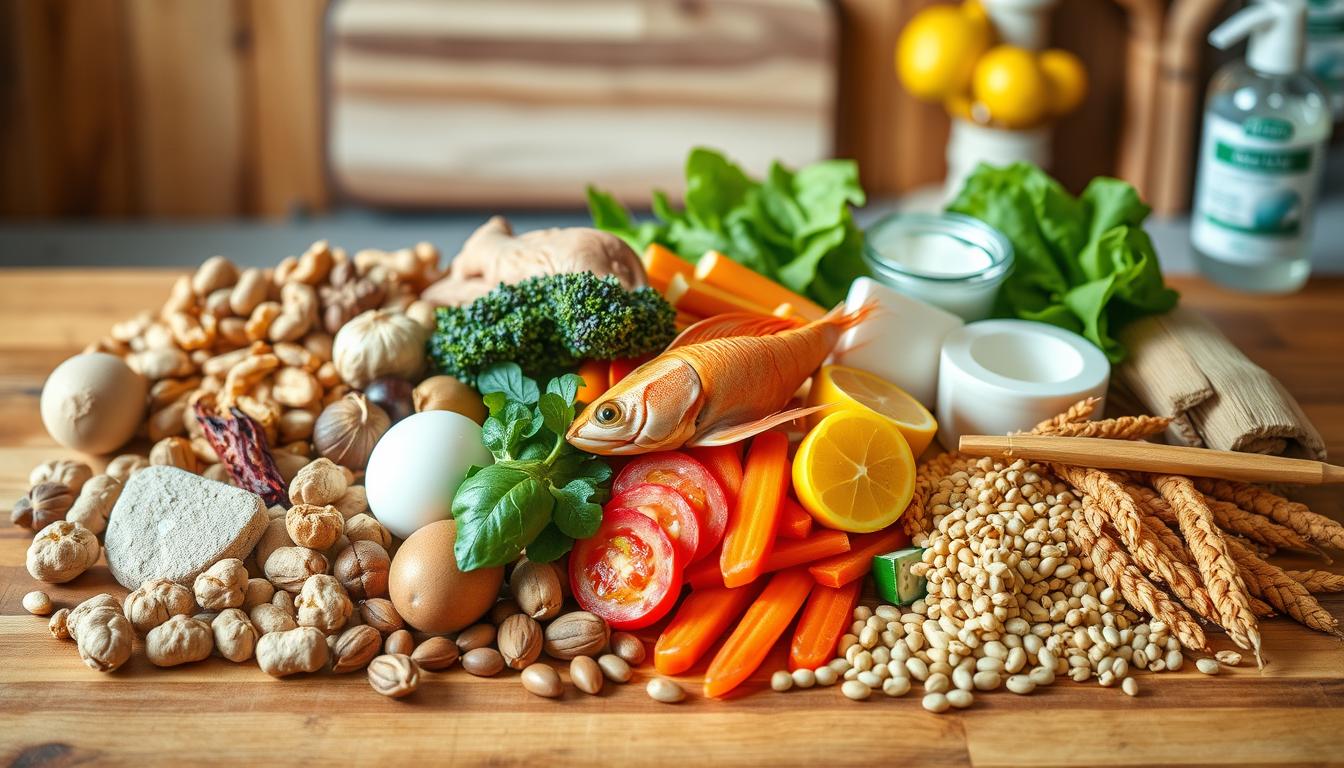
Understanding Common Food Allergens and Safety Guidelines
In today’s world, knowing about food allergies is key. The culinary scene is diverse, and allergens can be hidden. But don’t worry! We’ll cover the basics of food allergens, their health effects, and how to stay safe. How common are food allergies, and which foods are most often to blame? Knowing the signs of an allergic reaction is crucial. Also, understanding the difference between an allergy and intolerance is important. And, being ready for anaphylaxis, a serious condition, is essential. Get ready to learn how to protect yourself and your family. Key Takeaways Discover the most prevalent food allergens and their potential impact on health Learn to differentiate between food allergies and intolerances, and recognize the signs of an allergic reaction Understand the risks of anaphylaxis and the critical steps to take in an emergency Explore strategies for reading food labels, identifying hidden allergens, and preventing cross-contamination Gain insights on navigating dining out, managing your kitchen, and leveraging technology to enhance food safety What Are Food Allergens and Their Impact on Health Food allergens are proteins in foods that can cause an immune system reaction. People with food allergies may experience symptoms from mild to severe. It’s important to know about food allergens and their health effects to stay safe. Common Symptoms of Food Allergic Reactions The symptoms of a food allergy can vary. Some common ones include: Hives, itching, or rash Swelling of the lips, face, tongue, and throat Difficulty breathing, wheezing, or coughing Nausea, vomiting, or abdominal pain Dizziness, lightheadedness, or fainting Difference Between Food Allergy and Intolerance It’s key to know the difference between a food allergy and intolerance. A food allergy involves the immune system and can be life-threatening. On the other hand, a food intolerance is a digestive issue that’s not life-threatening. Understanding Anaphylaxis Risk Anaphylaxis is a severe allergic reaction that can be deadly. It happens quickly and needs immediate treatment. Knowing the signs of anaphylaxis and having a plan is crucial for those with food allergies. Getting tested for allergens and working with doctors can help manage food allergies. This way, we can reduce the risk of severe reactions. Understanding food allergens helps us stay safe and healthy. The Big Eight Major Food Allergens There are a few main culprits behind most food allergies. These are called the “Big Eight” major food allergens. Knowing them is key for reading food labels and avoiding cross-contamination in cooking. The Big Eight food allergens are: Milk Eggs Peanuts Tree nuts (such as almonds, walnuts, and cashews) Wheat Soy Fish Crustacean shellfish (such as shrimp, crab, and lobster) These eight allergens cause over 90% of food allergy reactions. Learning about these common allergens helps you spot them on labels. This way, you can avoid them and lower the risk of a serious allergic reaction. Allergen Common Sources Potential Hidden Sources Milk Dairy products, baked goods, sauces Processed meats, chocolate, non-dairy creamers Eggs Baked goods, mayonnaise, custards Pasta, breading, and some processed foods Peanuts Peanut butter, candy, baked goods Asian dishes, sauces, and some unexpected snacks Tree Nuts Nuts, nut butters, baked goods Cereals, granola, and some sauces and dressings Wheat Bread, pasta, baked goods Processed meats, sauces, and some condiments Soy Tofu, soy sauce, edamame Processed meats, baked goods, and Asian dishes Fish Seafood, sushi, fish-based sauces Caesar dressing, Worcestershire sauce, and some imitation seafood Crustacean Shellfish Shrimp, crab, lobster, and other shellfish Surimi (imitation crab), seafood flavored chips, and some sauces By knowing these common allergens and where they hide, you can avoid them in your diet. This helps reduce the risk of food labeling and cross-contamination. “Knowing the Big Eight allergens and where they may be hiding can be a game-changer for those with food allergies. It empowers us to make informed choices and stay safe.” Reading and Understanding Food Labels for Allergens Reading food labels can be tough, especially for those with food allergies. But, it’s key to stay healthy and safe. Let’s look at FDA labeling rules, hidden allergens, and what advisory statements mean. FDA Labeling Requirements The FDA says the top eight food allergens must be labeled clearly. These are milk, eggs, peanuts, tree nuts, wheat, soy, fish, and crustacean shellfish. This makes it easier for people with allergies to spot potential dangers. Hidden Allergen Sources in Ingredients Milk-derived ingredients like casein, whey, and lactose can be hidden sources of dairy allergens. Wheat-based ingredients like gluten, flour, and semolina may pose a risk for those with wheat allergies. Soy can be present in unexpected places, such as lecithin or hydrolyzed vegetable protein. Advisory Statements and What They Mean Food makers sometimes add advisory statements. These say things like “May contain [allergen]” or “Produced in a facility that also processes [allergen].” They warn of possible cross-contamination risks for those with allergies. Advisory Statement Explanation “May contain [allergen]” The product may have trace amounts of the allergen because of shared equipment or facility. “Produced in a facility that also processes [allergen]” The product is made in a place that also handles the allergen, raising cross-contamination risks. Knowing about food labels and hidden allergens helps you shop safely. Always read labels well and talk to your doctor if you’re unsure. Cross-Contamination Prevention Strategies Keeping food safe is very important, especially for people with food allergies. Cross-contamination is a big threat, where allergens get mixed into other foods. Luckily, we can use some simple steps to stop this and make eating safer. Cleaning and sanitizing all food areas, tools, and equipment is a must. This removes any allergens that might ruin your meal. When cooking, use separate tools and spaces for foods without allergens to keep them safe. Thoroughly clean and sanitize all food preparation surfaces, utensils, and equipment. Dedicate specific tools, pans, and cooking spaces for allergen-free foods. Avoid cross-contact by preparing allergen-free items first, before moving on to other dishes. Another good idea is to make food safety items first. Start with dishes that don’t have allergens, then make those that do. This
Track Your Daily Meals with a Food Diary – Stay Healthy
Feeling like your eating habits are out of control? Want to know what you eat every day and how it affects you? A food diary can help! It lets you track your meals, snacks, and drinks. This way, you’ll gain insights that change how you see food and improve your health. Key Takeaways Discover the remarkable benefits of keeping a detailed food diary Understand the science behind the impact of meal documentation on dietary awareness Learn essential tips for effective meal tracking, from portion size to mood notes Explore digital tools and apps that make nutrition logging a breeze Leverage your food diary to achieve your weight management goals Imagine eating with purpose, knowing you’re feeding your body well. A food diary is your key to a better food relationship. Start this journey to discover yourself and find lasting wellness. Are you ready to manage your eating habits and feel great? Understanding the Power of Food Diary Tracking Keeping a detailed food diary can change your life. It helps you reach your health and wellness goals. Whether you want to lose weight, manage a health condition, or eat more mindfully, it’s key. Benefits of Regular Meal Documentation Recording what you eat helps you understand your habits. This calorie tracking and diet journal knowledge lets you spot patterns. It helps you make better food choices and control your portions. Over time, this mindful eating can lead to lasting changes. You’ll see improvements in your health. Scientific Evidence Behind Food Journaling Many studies show food journaling helps with weight loss. A study in the Journal of the Academy of Nutrition and Dietetics found it doubles weight loss. Another study found it helps reach and keep dietary goals. Impact on Dietary Awareness Keeping a diet journal does more than track calories. It makes you more aware of your eating. You learn to listen to your body’s hunger and fullness signals. Keeping a food diary is one of the most powerful tools for achieving sustainable weight loss and improving overall health. Starting a food diary can be a big step towards a healthier life. It gives you insights to reach your calorie tracking, diet journal, and mindful eating goals. Getting Started with Your Food Diary Starting your meal planning and weight management journey is exciting. The key to success is a personalized food diary. You can use a notebook or a digital tool. We’ll show you how to make tracking meals easy. First, pick the method that suits you best. Some like writing in a notebook, while others prefer apps. The most important thing is to be consistent. Record your meals, snacks, and drinks as you go. Choose a journal or notebook with lots of space for notes. Look for meal tracking apps that work on all your devices. Next, decide how detailed you want your diary to be. Some like a quick summary, while others want to list every ingredient. Find what works best for you and your goals. “The act of writing down what you eat can be a powerful tool for self-awareness and behavior change.” Your food diary is a personal journey. Be open-minded and adjust as needed. It’s about understanding your eating habits and making better choices for your health. Are you ready to start your meal planning and weight management journey? Grab your journal or open your app. Let’s begin your path to a healthier you. Essential Components of Effective Meal Tracking Recording your daily meals is key to better nutrition and health goals. To make your food diary effective, focus on three main areas. These are portion size, timing, and mood and hunger notes. Portion Size Documentation Measuring food portions can be tricky. But it’s crucial for tracking nutrition. Use measuring cups, spoons, or your hand to record food amounts. This detail helps you understand your daily calories and improve portion control. Timing and Frequency Records Tracking when and how often you eat is important. Note the time of each meal and snack. This helps spot areas for improvement, like regular eating to keep blood sugar stable. Mood and Hunger Level Notes Your mood and hunger can affect food choices. Write down your mood and hunger before and after meals. This shows patterns and helps understand why you eat certain things. By recording these key points, you’ll get a detailed food diary. This diary offers insights into your eating habits. Use this info to make better choices and develop healthier habits over time. Meal Tracking Component Benefits Portion Size Documentation Accurate caloric intake, improved portion control Timing and Frequency Records Identification of eating patterns, blood sugar regulation Mood and Hunger Level Notes Insights into emotional drivers of eating habits Digital Tools and Apps for Nutrition Logging In today’s digital age, tracking your calorie intake is easier than ever. Many user-friendly apps and tools help you log your nutrition. They make it simple to keep track of your health goals. MyFitnessPal is a top choice for calorie tracking. It lets you log your meals and track macronutrients. You can even scan barcodes to log packaged food info. With a huge food database and customizable targets, MyFitnessPal makes tracking calories easy. LoseIt is another great app. It tracks your diet and offers meal and workout plans. Cronometer is perfect for those who like visuals. It shows nutritional breakdowns and charts to track your progress. App Key Features Platforms MyFitnessPal – Comprehensive food database – Barcode scanning – Macronutrient tracking iOS, Android LoseIt – Personalized meal plans – Workout recommendations – Progress tracking iOS, Android Cronometer – Detailed nutritional analysis – Visually engaging graphs – Comprehensive food database iOS, Android, Web These digital tools and apps make logging your diet and tracking calories simple. They help you stay on track with your health goals. Use technology to support your healthy lifestyle and reach new wellness levels. Making the Most of Food Scan Genius App Tracking your food has never been simpler with the Food Scan Genius app! This tool gives
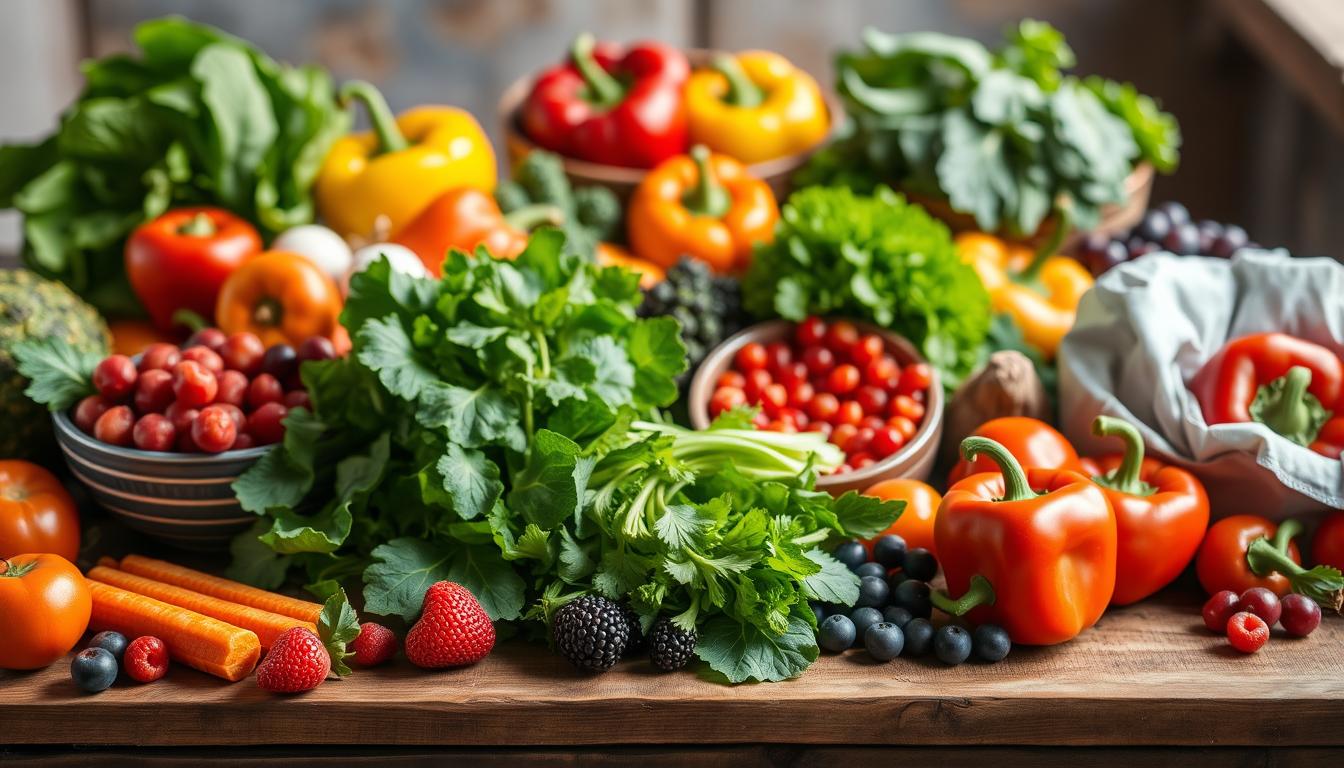
Healthy Eating: Your Guide to Better Nutrition Today
Imagine waking up full of energy, ready to take on the day. Your body is fueled by a balanced diet that makes you feel great. We’ll show you how easy it is to get the nutrients you need from whole foods. But, you might wonder: Are you getting the nutrients your body needs? Many of us find it hard to eat well, thanks to false claims or not knowing where to start. Don’t worry, we’re here to help you on your journey to better health. Key Takeaways Discover the fundamental nutrients your body needs for optimal health and wellness. Learn how to build a balanced plate that fuels your body with the right combination of macronutrients. Explore the power of whole, minimally processed foods and how they can revolutionize your diet. Uncover practical meal planning strategies to make healthy eating sustainable and stress-free. Dispel common nutrition myths and misconceptions to empower you on your path to better health. Understanding the Fundamentals of Healthy Eating Exploring nutrition can seem daunting, but don’t worry! We’re here to simplify the basics that keep our bodies healthy. We’ll cover essential nutrients, macronutrients, and vitamins and minerals. Get ready to become a nutrition pro. Key Nutrients Your Body Needs Daily Good nutrition begins with knowing the core nutrients your body needs. Let’s explore: Protein: Builds cells, aids in growth, repair, and muscle upkeep. Carbohydrates: Our main energy source, powering brain and body activities. Healthy Fats: Essential for hormone production, brain health, and nutrient absorption. Fiber: Boosts digestive health and keeps blood sugar stable. Water: Keeps us hydrated and supports bodily functions. The Role of Macronutrients in Your Diet Macronutrients are the big players in nutrition. Knowing how protein, carbs, and fats work together is crucial for a balanced diet. Macronutrient Function Food Sources Protein Tissue repair, muscle growth, immune function Lean meats, poultry, fish, eggs, legumes, nuts, seeds Carbohydrates Energy production, brain function, fiber Whole grains, fruits, vegetables, legumes Fats Hormone production, nutrient absorption, brain health Avocados, nuts, seeds, olive oil, fatty fish Essential Vitamins and Minerals Along with macronutrients, vitamins and minerals are vital for our health. Key ones include: Vitamin C: Boosts immunity and aids in collagen production. Calcium: Builds and maintains strong bones and teeth. Iron: Ensures efficient oxygen transport and red blood cell function. Magnesium: Supports muscle and nerve function, energy production. Zinc: Helps with wound healing, immune function, and protein synthesis. By grasping these basic elements of healthy eating, you’re set to make informed choices. These choices will nourish your body from the inside out. “Eating a variety of nutrient-dense foods is the key to a healthy, balanced diet.” Building a Balanced Plate for Optimal Nutrition Healthy eating starts with a balanced plate. This simple method ensures your meals have the right nutrients. It helps you maintain a balanced diet, control portion sizes, and practice mindful eating. Let’s explore the key parts of a balanced meal: Lean Proteins: Choose lean meats, poultry, fish, or plant-based options like beans and tofu for building blocks. Complex Carbohydrates: Whole grains like quinoa and brown rice give sustained energy and fiber. Vibrant Vegetables: Fill half your plate with colorful veggies for vitamins, minerals, and antioxidants. Healthy Fats: Add small amounts of heart-healthy fats like avocado and nuts for energy and nutrient absorption. Complementary Sides: Add fresh fruit or small portions of starchy veggies like sweet potatoes. By balancing these food groups, you’ll make meals that are both good-looking and nourishing. Remember, portion control and mindful eating are key. Listen to your hunger and enjoy each bite. Food Group Recommended Portion Lean Proteins 3-4 oz (approximately the size of a deck of cards) Complex Carbohydrates 1/2 cup (cooked) Vegetables 1 cup (raw) or 1/2 cup (cooked) Healthy Fats 1-2 tbsp (such as olive oil or avocado) Complementary Sides 1/2 cup (cooked) These are general guidelines. Your needs may change based on age, activity level, and health goals. Listen to your body and find the right balance for you. “A balanced plate is not just about aesthetics, but about nourishing your body with the right combination of nutrients.” Smart Food Choices: From Market to Table Going to the grocery store can be tough, especially when you want to eat clean and whole foods. But don’t worry, we’ve got some easy tips to help you become a pro at picking healthy foods! Reading Food Labels Effectively Understanding food labels can seem hard, but it’s key for making smart choices. Look for short, easy-to-read ingredient lists. Stay away from foods with long lists of hard-to-pronounce additives or preservatives. Choosing Fresh vs. Processed Foods Try to pick fresh, whole foods over processed ones. Foods like fruits, veggies, whole grains, and lean proteins are full of good stuff. They have vitamins, minerals, and fiber that are great for your health. Processed foods often have less of these and may have added sugars, salts, and unhealthy fats. Using Food Scan Genius for Better Shopping Meet the Food Scan Genius app – your new nutrition buddy! Just scan a product’s barcode, and it will tell you about allergens, ingredients, and nutrition facts. It makes shopping easier and faster, so you don’t have to guess about food labels anymore! “Eating healthy doesn’t have to be complicated. With the right tools and a little know-how, you can transform your grocery trips into a breeze.” The Power of Whole Foods in Your Diet Whole foods are the heart of a healthy diet. They are full of vitamins, minerals, and fibers that our bodies need. Eating whole foods gives our cells the right building blocks to stay healthy. Whole foods include colorful fruits and veggies, whole grains, and lean proteins. They are nutrient-dense and help keep us healthy. By choosing clean eating and adding more whole foods to our meals, we see big changes. Whole foods are minimally processed, keeping their nutrients intact. They are full of fiber, which is good for our digestion and keeps us full. Whole foods have lots of antioxidants that
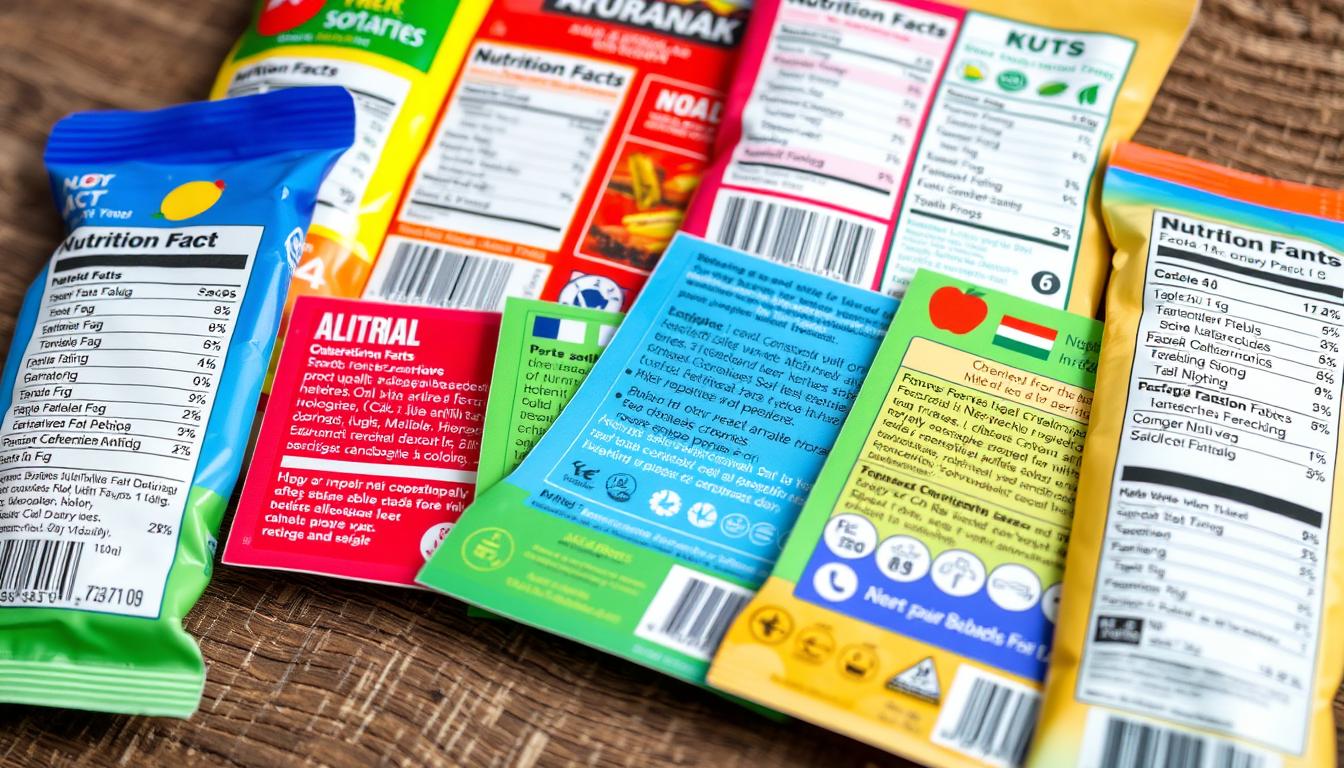
Ingredients List: What’s Really in Your Food Products
Ever looked closely at the ingredients in your favorite foods? It can be confusing with all the strange names and additives. But, knowing what’s in your food can help you make better choices for your health. Let’s explore food labels and ingredients together. We’ll teach you how to read labels like a pro. This way, you can choose foods that fit your diet and preferences. Whether you have food allergies or just want to avoid artificial stuff, we’ve got you covered. Key Takeaways Discover the hidden meanings behind common food label terms Learn how to identify potential allergens and cross-contamination risks Understand the difference between natural and artificial ingredients Explore the clean label movement and its impact on product transparency Discover how technology can help you navigate food labels with ease Understanding Food Labels: Your Guide to Product Transparency We all want to know what we eat. That’s why it’s key to understand food labels. We’ll explore common terms and where to find important info for smart choices. Common Label Terms and Their Meanings Terms like “nutrition facts” and “allergen information” might seem confusing. Let’s break down the most critical ones: Nutrition facts – This panel shows calories, vitamins, and minerals in the product. Allergen information – It tells you if the product has common allergens. Clean label – It means the product has simple, known ingredients without artificial stuff. Where to Find Critical Product Information It’s vital to know where to find important info on labels. The main details are usually in: The Nutrition Facts panel, on the side or back The Ingredients List, also on the side or back The Front of Package, for claims like “allergen-free” or “clean label” Legal Requirements for Food Labeling Food makers must follow strict labeling rules. This helps you make better choices. Key rules include: Requirement Description Nutrition Facts Panel Standardized format detailing caloric, vitamin, and mineral content Allergen Labeling Clear identification of the top food allergens present Ingredient List Complete listing of all components in the product Knowing these label basics helps you shop smarter. You’ll choose products that fit your nutrition facts, allergen information, and clean label needs. The Complete Ingredients List: Breaking Down What You’re Really Eating Looking at the ingredient list helps us understand what’s in our food. But, it can be hard to make sense of all the terms. Don’t worry, we’re here to help you understand those labels better. The order of ingredients matters a lot. The first ones are the most, and the last ones are less. This tells us a lot about the ingredient sourcing and natural ingredients in a product. Unveiling the Mysterious Ingredients Let’s explore some common ingredients in packaged foods: Whole Food Ingredients: These are foods like fruits, veggies, grains, and nuts. They give us important nutrients. Processed Ingredients: These are foods that have been changed, like oils, flours, and sweeteners. The change can be big or small. Food Additives: These are added to improve product composition. They can be synthetic or natural, like preservatives, flavors, and colors. Knowing the difference between these can help you choose better foods. Ingredient Type Examples Potential Benefits/Concerns Whole Food Ingredients Apples, broccoli, quinoa, almonds Rich in vitamins, minerals, and fiber. Minimally processed. Processed Ingredients Vegetable oil, wheat flour, cane sugar May have reduced nutritional value. Varying levels of processing. Food Additives Sodium benzoate, artificial colors, MSG Potential health concerns, depending on the individual. Knowing what’s in our food helps us make better choices. This way, we can meet our health and wellness goals. Hidden Sources of Allergens and Cross-Contamination Risks For those with food allergies or sensitivities, knowing hidden sources of allergens is key. We’ll look at the top food allergens to watch out for. We’ll also explore how food is made and how to read food labels safely. Top Food Allergens to Watch For Peanuts Tree nuts (e.g., almonds, cashews, walnuts) Shellfish Eggs Milk Wheat Soy Fish Manufacturing Processes and Allergen Controls Many foods are made in places that handle many ingredients, including common allergens. It’s important to have strict rules and allergen controls to avoid cross-contamination. Look for signs that show they manage allergens well. Reading Labels for Allergen Safety Reading food labels carefully is the best way to spot allergens and stay safe. Check the ingredient list and also for “may contain” or “processed in a facility that also processes” statements. These can hint at allergens even if they’re not listed as main ingredients. Top Food Allergens Common Hidden Sources Peanuts Baked goods, candy, cereals, sauces, and even some non-food items like cosmetics Tree Nuts Baked goods, nut butters, trail mixes, and certain types of seasonings and spices Shellfish Seafood, sauces, and imitation seafood products Eggs Baked goods, mayonnaise, pasta, and some processed meats Milk Baked goods, chocolate, processed meats, and even some medications Wheat Breads, pasta, cereals, and even some sauces and dressings Soy Baked goods, vegetable oils, and processed meats or meat substitutes Fish Seafood, Worcestershire sauce, and some types of salad dressings Navigating food labels is essential for those with dietary restrictions or food allergies. Understanding hidden sources of allergens and potential cross-contamination risks can help you make informed and safe choices. Decoding Chemical Names and Artificial Additives Understanding food labels can be tough, especially with long chemical names. Knowing these ingredients is key for those wanting clean label and natural ingredients in their product composition. Let’s break down some common additives you might see. Food additives do important jobs like keeping food fresh and improving taste. Sodium benzoate and xanthan gum are examples. They might sound scary, but they’re used a lot to keep food safe and tasty. Artificial Colors: Dyes like Red 40 and Yellow 5 make food look better. But, they might not be good for health and are often skipped by those looking for natural ingredients. Preservatives: Stuff like BHA and BHT keep food from going bad longer. But, some people worry about their safety. Emulsifiers: Things like lecithin mix water and fat
No Artificial Colors: Better Food Choices for Your Family
In today’s fast world, convenience often wins over health. Have you thought about the food you serve your family? Many processed foods have artificial colors, which can harm our health. But, switching to no artificial colors can greatly benefit your family. Imagine a world where natural colors are the focus, and your family’s health is the top priority. This journey will show you how vibrant, natural colors can improve your family’s health. Key Takeaways Artificial colors in processed foods can have negative impacts on children’s behavior and health Choosing natural ingredients and clean label products supports long-term well-being Ditching additive-free foods helps reduce environmental footprint The Food Scan Genius app empowers you to decipher food labels and make informed choices Embrace a world of vibrant, color-rich foods from nature’s palette Ready to unlock the power of natural colors and transform your family’s health? Let’s dive in and uncover the secrets to a more vibrant, nourishing future. Understanding Artificial Colors in Modern Food Products Choosing healthier foods for our families is important. We need to know about artificial colors in processed foods. These colors, made from petroleum or coal tar, are everywhere. They make our drinks and snacks look more appealing. Common Synthetic Dyes in Processed Foods Some common artificial colors include: FD&C Red No. 40 (Allura Red AC) FD&C Yellow No. 5 (Tartrazine) FD&C Blue No. 1 (Brilliant Blue FCF) FD&C Green No. 3 (Fast Green FCF) Health Implications of Artificial Food Coloring Artificial dyes make food look better, but they might not be good for us. Research suggests they could cause problems in kids, like behavioral issues and allergies. We still don’t know all the effects of eating these additives. FDA Regulations and Safety Concerns The FDA checks if artificial colors are safe in food. They say these dyes are okay in small amounts. But, many people worry about their safety. As more people want dye-free and real food, the industry and regulators are under pressure. “We are what we eat, and what we eat matters. By choosing organic and non-synthetic foods, we help our health and the health of our loved ones. The Rise of Clean Label Movement A big change is happening in the world of food and nutrition – the clean label movement is growing. People want to know what’s in their food. They want pure, wholesome ingredients they can understand. This change is making the food industry adapt. Companies are now focusing on clean label products to meet consumer needs. The clean label movement is a lasting change in how we view food. At the core of this movement is a push for natural ingredients. People are saying no to artificial additives and synthetic dyes. They want to know what they’re eating and are willing to pay more for it. The clean label movement is more than just a fad – it’s a reflection of our growing awareness of the impact our food choices have on our health and the environment. Food companies are now changing their recipes. They’re removing bad ingredients and using pure, wholesome ones instead. This change is making our food better and starting important conversations about food transparency. The clean label movement shows the power of consumer choice. By choosing what they eat, people are pushing for better food. This is an exciting time for the future of food. Benefits of Choosing No Artificial Colors Choosing to avoid artificial colors in our food is a big change. It leads to better health, a cleaner environment, and happier kids. Opting for foods without additives means we get real, natural ingredients. Impact on Children’s Behavior and Health Artificial food dyes can really affect kids. They can make children more hyperactive, inattentive, and even aggressive. By removing these dyes, we help our kids stay calm and focused. Long-term Health Advantages Choosing organic, additive-free foods is good for more than just now. It can lower the risk of allergies, asthma, and even cancer. Natural colors are safer for our health over time. Environmental Benefits Less harm to the environment from synthetic dyes and pigments. More support for farming that uses organic and natural ingredients. Less need for food additives made with lots of resources and chemicals. Switching to additive-free, real food with natural ingredients is good for us and the planet. It improves our health, our kids’ behavior, and supports sustainable farming. Natural Alternatives to Synthetic Food Dyes Ready to ditch artificial food coloring? Nature has amazing non-synthetic, plant-based colors for your meals. Beetroot’s earthy tones and turmeric’s bright yellow can transform your dishes. Discover a rainbow of natural options to replace artificial dyes. These non-synthetic alternatives are not only beautiful but also healthy: Beetroot: This root vegetable gives a deep-red color, great for frosting and pasta. Turmeric: Its golden-yellow adds flavor and color to many plant-based and organic foods. Spirulina: This algae creates a blue-green shade, perfect for drinks, baked goods, and more. Annatto: From the achiote tree, annatto offers a warm orange for cheese, sauces, and more. Paprika: Whether smoked or sweet, paprika adds vibrant red to rice, roasted veggies, and more. With nature’s colors, your dishes can shine brighter. Choose non-synthetic, plant-based, and organic dyes for stunning results. Natural Dye Source Color Provided Common Uses Beetroot Beetroot Deep red Frosting, pasta, baked goods Turmeric Turmeric root Vibrant yellow Beverages, baked goods, rice Spirulina Blue-green algae Blue-green Beverages, baked goods Annatto Achiote tree seeds Warm orange Cheese, sauces, rice Paprika Dried peppers Vibrant red Rice, roasted vegetables “Embrace the power of nature’s own color palette and let your culinary creations shine brighter than ever before.” Reading Food Labels: Identifying Hidden Artificial Colors Understanding food labels can be tough, but we’re here to help. We’ll teach you how to spot hidden artificial colors in your favorite foods. Common Names and Code Numbers Artificial colors have many names like FD&C Red No. 40 or E133 Brilliant Blue FCF. Keep an eye out for these names on labels. Choose products with fewer ingredients, like clean

Natural Foods: No Artificial Flavors for Better Health
Ever thought about why natural foods are good for you? It’s not just the healthy ingredients. It’s also because they don’t have artificial flavors. Let’s dive into the world of natural foods and see how avoiding synthetic additives can change your health for the better. Key Takeaways Natural foods are free from artificial flavors and other synthetic additives. Avoiding artificial flavors can improve overall health and well-being. Understanding the impact of natural vs. artificial ingredients is crucial for making informed food choices. The clean label movement promotes transparency in food labeling. Incorporating more whole, minimally processed foods can support a healthier lifestyle. Understanding Natural Foods and Their Impact on Health The foods we eat are key to our health. Natural foods are getting more attention for their benefits. Let’s explore how they can improve our well-being. The Scientific Definition of Natural Foods Natural foods are minimally processed and free from additive-free synthetic stuff. They come from nature, keeping their pure taste and nutrients. Choosing natural foods helps avoid health risks from processed foods. Health Benefits of Choosing Natural Foods Nutrient-Density: Natural foods are full of vitamins, minerals, and antioxidants for our bodies. Reduced Exposure to Harmful Additives: Avoiding additive-free synthetic stuff lowers health risks. Improved Digestive Health: Natural foods help our gut health and nutrient absorption. Impact on Overall Wellness Adding more real food to our diets boosts our wellness. It can improve energy, immune function, reduce inflammation, and help with weight. Enjoying the pure taste of nature can lead to a healthier life. “The natural healing force within each one of us is the greatest force in getting well.” – Hippocrates Why No Artificial Flavors Matter for Your Health Choosing non-synthetic, whole foods is crucial for our diet. The effect of artificial flavors on our health is often ignored. It’s important for our healthy eating and wellbeing. Artificial flavors are made in labs to taste like natural ingredients. But, studies show they can harm our health. They might cause digestive issues or even chronic diseases. Artificial flavors can mess with our gut, causing bloating and constipation. They might also increase the risk of some cancers, but more research is needed. Some people can have allergic reactions or sensitivities to these flavors. Whole foods with natural flavors are better for us. They taste better and are healthier. Making this simple change can improve how you feel every day. The closer our food is to its natural state, the more nutrients it retains and the better it is for our bodies. When shopping, check the ingredient list carefully. Choose non-synthetic, whole food options without artificial flavors. This can greatly improve your healthy eating journey. Common Artificial Additives to Avoid in Processed Foods In our quest for a healthier diet, knowing about hidden artificial ingredients is key. These additives might seem okay, but they can harm our health. Let’s explore the most common ones to avoid. Hidden Sources of Artificial Ingredients Artificial ingredients can be found in unexpected places, from snacks to “healthy” foods. Even if a product looks good, always check the fine print. This ensures it’s free from unwanted additives. Reading Labels Effectively Learning to read labels is crucial for avoiding artificial additives. Don’t just look at the front. Check the ingredient list for strange names that might mean synthetic compounds. Most Common Synthetic Additives Artificial colorings (e.g., FD&C Red No. 40, Yellow No. 5) Artificial flavorings (e.g., monosodium glutamate, MSG) Preservatives (e.g., sodium nitrite, BHA, BHT) Emulsifiers (e.g., polysorbate 80, carrageenan) Sweeteners (e.g., aspartame, saccharin, sucralose) By watching out for these additives, you can choose healthier, whole-food options. This supports your health and well-being. “Eating real, whole foods is the best way to maintain a balanced and healthy diet, free from the negative impacts of synthetic additives.” The Clean Label Movement: Understanding Transparent Food Labeling In today’s health-conscious world, the clean label movement is growing fast. It’s all about making food labels clearer, so we can choose better for our homes. By checking ingredient lists and knowing what “natural” means, we can shop with confidence. We support brands that use transparent labeling, natural ingredients, and real food. The clean label movement is a reaction to too many processed foods with artificial stuff. People want to know what’s in their food, and companies are listening. This change means we’re getting simpler, easier-to-understand ingredients in our meals. Conventional Food Labeling Clean Label Approach Lengthy, complex ingredient lists with hard-to-pronounce chemicals Shorter, more transparent labeling with natural ingredients we recognize Emphasis on processing and shelf-life over nutrition Focus on real food and whole, minimally processed ingredients Lack of clarity about the source and quality of ingredients Emphasis on sustainable, ethical, and high-quality sourcing By joining the clean label movement, we can improve our health and support good food brands. It’s a step towards a clearer, healthier food system. This benefits us and the planet. The clean label movement is about empowering consumers to make informed choices and supporting brands that prioritize transparency and real, wholesome ingredients. Natural Alternatives to Artificial Flavoring Agents Are you fed up with synthetic additives ruining your food’s taste? Check out natural flavoring options that use natural ingredients to make your meals better. You’ll love the pure taste they bring. Let’s look at herbs, spices, and plant-based choices that can change how you cook. Herbs and Spices as Natural Flavoring Herbs and spices are a treasure for cooks, offering many flavors. Cinnamon adds warmth, while ginger gives a zesty kick. These whole foods add rich flavors without artificial stuff. Try different herbs and spices to find your favorites. Plant-Based Flavor Enhancers The plant world has many natural flavor boosters. Mushrooms add depth, citrus fruits bring sweetness, and roots offer earthy flavors. These natural ingredients enhance your meals, making them taste better. Traditional Food Preparation Methods Old cooking ways can bring out natural flavors. Slow roasting, simmering, and fermenting focus flavors in whole foods. These methods take time but make food taste richer and more authentic. Start cooking
Products With No High Fructose Corn Syrup – Healthy Options
Are you tired of checking ingredient labels for high fructose corn syrup? You’re not alone. Today, people want cleaner, natural foods. They’re looking for products without HFCS. Get ready to explore healthy alternatives. These options use natural sweeteners instead of HFCS. Key Takeaways Discover a wide range of beverages, snacks, and breakfast foods that avoid high fructose corn syrup Learn how to identify HFCS and its various names on product labels Explore natural sweeteners like honey, maple syrup, and stevia as healthier substitutes Understand the potential health risks associated with consuming high fructose corn syrup Utilize the Food Scan Genius app to quickly check for HFCS in your favorite products Understanding Why High Fructose Corn Syrup is Best Avoided It’s crucial to watch what we eat for our health. High fructose corn syrup (HFCS) is a topic of much debate. Let’s look into why we should avoid it. Health Risks Associated with HFCS Research shows HFCS can harm our health. It’s linked to obesity, type 2 diabetes, and metabolic disorders. Unlike natural sweeteners, HFCS is processed differently. This leads to a quick spike in blood sugar and long-term health issues. Impact on Blood Sugar Levels HFCS’s effect on blood sugar is a major concern. It’s absorbed quickly, causing blood sugar to rise sharply. This can lead to insulin resistance and other metabolic problems. Links to Obesity and Metabolic Disorders Studies have found a strong link between HFCS and obesity and metabolic disorders. How our body metabolizes HFCS affects hormones and satiety signals. This can lead to weight gain and diabetes-friendly conditions. Knowing the risks of HFCS helps us make better food choices. Choosing natural sweeteners with a low glycemic index is a healthier option. It helps keep our blood sugar balanced and supports our overall health. Natural Sweeteners as Healthy Alternatives Goodbye to high fructose corn syrup, hello to real sugar, organic, and non-GMO sweeteners! These options are tasty and healthy. Let’s explore natural sweeteners that make you feel great. Real sugar from cane or beets is different from artificial sugar. It’s sweet, has minerals, and antioxidants. It’s perfect for oatmeal or baked goods, making indulgence guilt-free. Organic sweeteners like honey, maple syrup, and coconut sugar are great too. They’re tasty, free from synthetic additives, and full of nutrients. They offer a healthier way to enjoy sweetness. Non-GMO sweeteners, such as stevia and monk fruit, are also excellent. They’re plant-based, zero-calorie, and don’t sacrifice taste. Discover new ways to enjoy sweetness without guilt. “Sweetness is not a noun, it’s an adjective.” – Anonymous So, what are you waiting for? Explore natural sweeteners and find your new favorite indulgence. Your taste buds and body will love it! Reading Labels: How to Identify HFCS in Products Shopping for groceries can seem like a puzzle when looking for high fructose corn syrup (HFCS). But don’t worry, if you’re into certified and clean labels, we’ve got you covered. We’ll teach you how to spot HFCS in products, even the ones that try to hide. Common Names and Variations HFCS might be listed under different names on labels, such as: Corn syrup solids Fructose Crystalline fructose Glucose-fructose syrup Fruit juice concentrate Hidden Sources in Processed Foods HFCS is found in many processed foods, like baked goods, condiments, cereals, and drinks. It’s important to check labels closely. HFCS can be hidden in foods you might not expect, such as: Bread and crackers Canned fruits and vegetables Salad dressings and marinades Jams, jellies, and preserves Granola bars and protein bars Using the Food Scan Genius App for Quick Checks Make label reading easier with the Food Scan Genius app. This app lets you scan barcodes and instantly see if a product contains HFCS. It helps you make smart, certified and clean label choices quickly. Knowledge is power when it comes to navigating the grocery aisles. The Food Scan Genius app puts that power right at your fingertips. Popular Beverages With No High Fructose Corn Syrup Quenching your thirst just got a whole lot healthier! Say goodbye to sugary sodas and hello to delicious drinks without high fructose corn syrup. Enjoy refreshing organic sodas and energizing low glycemic index teas. These drinks are good for your body and sweetened naturally. Craving a fizzy pick-me-up? Try natural sweetener-infused sparkling waters in fruity flavors. Or, choose classic sodas made with real cane sugar instead of HFCS. For a healthier caffeine boost, organic green and black teas are perfect. They give energy without the sugar crash. Refreshing organic sodas made with cane sugar Low glycemic index sparkling waters in a variety of flavors Organic green and black teas for a healthier caffeine fix Looking to cut down on HFCS or just want better drinks? These options are perfect. Cheers to sipping smarter! Clean Label Snacks and Certified Organic Options Snacking just got a whole lot healthier! It’s time to ditch the processed junk and embrace nutritious, clean-label treats that nourish your body. Whether you’re craving a crunchy bite or a sweet indulgence, we’ve got you covered with an array of wholesome snack alternatives. Whole Food Snack Alternatives Say goodbye to high fructose corn syrup and artificial additives. Opt for snacks made with real, whole-food ingredients that provide lasting energy and essential nutrients. From crunchy veggie chips to creamy nut butters, these delicious options will satisfy your cravings without compromising your health. Organic roasted chickpeas or edamame for a protein-packed crunch Unsweetened dried fruit, like apple slices or mango, for a naturally sweet treat Homemade granola bars or energy bites made with oats, nuts, and seeds Certified Organic Brands to Trust When it comes to snacking, it’s important to look for products that are certified organic. These trusted brands prioritize quality ingredients and sustainable farming practices, ensuring you get the best of both taste and nutrition. Late July Organic Snacks: Offering a wide range of non-GMO and organic crackers, chips, and pretzels Bluebird Provisions: Crafting delectable organic jerky and meat snacks Annie’s Homegrown: Known for their certified organic and natural snack
No Trans Fats: A Guide to Heart-Healthy Food Choices
Are you eating foods that harm your heart without knowing it? The truth about trans fats might shock you. In this guide, we’ll expose the dangers of trans fats and help you choose better foods. You’ll learn how to improve your health and live a happier life. Key Takeaways Understand the difference between natural and artificial trans fats and their impact on heart health. Learn how to read nutrition labels and identify hidden sources of trans fats. Discover healthy alternatives to trans fat-containing foods and make smarter grocery choices. Explore the connection between trans fats and processed foods, and how to navigate restaurant menus. Gain insights into the FDA’s ban on trans fats and its implications for your health. Understanding Trans Fats and Their Impact on Heart Health Keeping our heart healthy is key, and the fats we eat play a big role. Trans fats are especially bad for our heart. Let’s explore why these fats are harmful and how they affect our cholesterol. Natural vs. Artificial Trans Fats There are two types of trans fats: natural and artificial. Natural trans fats are found in small amounts in some animal products. But, it’s the artificial trans fats, or hydrogenated oils, that are the real problem. These artificial fats are made by adding hydrogen to vegetable oils. This makes them solid and stable, which helps them last longer and improves the taste of processed foods. The Science Behind Trans Fat Health Risks Many studies have found that eating hydrogenated oils is bad for our health. These artificial trans fats can raise cholesterol levels. They increase the bad LDL cholesterol and lower the good HDL cholesterol. This imbalance can cause plaque to build up in our arteries. This increases the risk of heart disease, stroke, and other heart problems. How Trans Fats Affect Cholesterol Levels Trans fats affect our cholesterol levels in a complex way. They can mess with our body’s natural cholesterol regulation. This makes it harder for our liver to keep cholesterol levels in check. As a result, trans fats can lead to an unhealthy cholesterol ratio. This puts our heart health at risk. Knowing how trans fats work is important for making good food choices. By understanding their dangers, we can make better choices to protect our heart health. The FDA Ban on Trans Fats: What You Need to Know The United States Food and Drug Administration (FDA) has banned artificial trans fats in our food. This move is a big step towards a healthy lifestyle. It will change what we see in stores and our choices when eating out. The FDA made this decision based on strong science. It shows that trans fats increase heart disease risk. By avoiding these fats, we can improve our heart health and lower chronic illness rates. Now, food makers and restaurants can’t use partially hydrogenated oils anymore. This means they must change many of their products. They’re looking for new, healthier options that still taste good. The FDA’s trans fat ban applies to all foods sold in the United States, including those imported from other countries. Food producers have until January 2021 to remove all artificial trans fats from their products, or face enforcement action. Restaurants and food service establishments must also eliminate the use of partially hydrogenated oils in their cooking and preparation processes. As we enter this new era of food regulations, staying informed is key. Knowing about the FDA’s ruling helps us make better choices. These choices support our heart health and a healthy lifestyle for our families. “Removing artificial trans fats from the food supply is one of the most significant public health nutrition achievements in a generation.” Reading Nutrition Labels to Identify Hidden Trans Fats Understanding nutrition labels is key for a healthy lifestyle. It’s important to spot hidden trans fats, which harm our heart health. Let’s explore how to become a pro at reading labels. Common Misleading Label Terms Some label terms can be tricky. Words like “partially hydrogenated oils,” “shortening,” and “margarine” hide unhealthy trans fats. Always check the ingredient list to make smart choices. Understanding Serving Sizes and Trans Fat Content It’s vital to know serving sizes and trans fat content. The listed serving size might not match what we eat. By looking at serving sizes and trans fat per serving, we can judge a product’s nutritional value better. Using the Food Scan Genius App for Label Verification Modern tech helps us choose healthier foods. The Food Scan Genius app makes reading labels easy. Just scan a product’s barcode, and it shows trans fats and nutritional info. This app is a big help in making good grocery store choices. “Becoming a savvy nutrition label reader is the first step towards a healthier lifestyle. With the right tools and knowledge, we can take control of our food choices and prioritize our heart health.” By learning to read labels and using the Food Scan Genius app, we can shop with confidence. We ensure our food choices are nutritious and trans fat-free. No Trans Fats: Making Smart Food Choices Keeping your heart healthy starts with cutting out trans fats from your diet. It’s easier than you think to cook and eat clean. Here are some tips to help you make better food choices and lower your trans fat intake. Embrace Natural Alternatives Instead of processed foods with artificial trans fats, try natural oils and fats. Use olive oil, avocado oil, or nut oils for cooking and baking. These options taste great and are good for your heart. Read Labels Carefully Always read nutrition labels when you shop. Look out for “hydrogenated” or “partially hydrogenated oils,” which mean trans fats. Also, check serving sizes and the total trans fat content, even if it says “0 grams trans fat.” Plan Ahead with Meal Prep Make meals in advance with trans fat-free ingredients. Choose whole, unprocessed foods like fruits, veggies, legumes, and grains. Try heart-healthy recipes that highlight the natural flavors of these foods. By being proactive with clean

Natural No Hormones: Your Guide to Clean Meat Products
Did you know the average American eats over 200 pounds of meat each year? This high demand has led many to worry about hormones and synthetic additives in meat. But don’t worry, we’re here to help you find clean, hormone-free meat for your family’s health. Key Takeaways Understand the difference between synthetic and natural hormones in meat production Explore the impact of hormones on animal health and consumer well-being Discover the benefits of choosing hormone-free, clean meat products Learn how to decode meat labels and identify trustworthy certifications Uncover sustainable farming practices that support clean meat production Understanding No Hormones in Meat Production The debate over hormones in meat production is ongoing. We’ll look into the differences between synthetic and natural hormones. We’ll see how they affect animal health and our own well-being. Synthetic vs. Natural Hormones Synthetic hormones are man-made and used in conventional meat production. They’re meant to make animals grow faster and bigger. Natural farming practices, however, use sustainable agriculture and avoid synthetic hormones. Instead, they rely on the animals’ natural hormone production. Impact on Animal Health Synthetic hormones can harm animal health. They can mess with the animals’ natural hormone systems. This can cause stress, behavioral changes, and reproductive problems. Natural farming methods, on the other hand, promote animal welfare and healthier farming practices. Consumer Health Considerations Meat from animals treated with synthetic hormones can be a health risk. These compounds can build up in our bodies. Choosing chemical-free meat from natural farming can help reduce our exposure to these substances. It supports our overall health and well-being. Synthetic Hormones Natural Hormones Man-made chemical compounds Produced naturally by animals Designed to promote faster growth Support natural growth and development Can disrupt animal endocrine systems Promote animal health and welfare Potential health risks for consumers Safer for consumer health “Embracing natural farming practices that avoid synthetic hormones is a step towards a more sustainable agriculture and a healthier future for both animals and consumers.” The Benefits of Choosing Hormone-Free Meat As health-conscious consumers, we’re drawn to organic produce and non-GMO foods. But have you thought about hormone-free meat? Let’s look at why more people are choosing cleaner protein sources. Hormone-free meat has health benefits. Conventional livestock often get synthetic hormones to grow faster or produce more milk. Some studies link these hormones to health problems. Choosing hormone-free, environmentally-friendly meat helps avoid these risks. Reduced exposure to synthetic hormones Support for a more natural and sustainable food system Peace of mind knowing you’re making a conscious choice for your health Choosing hormone-free meat also helps the environment. Organic and non-GMO farming uses methods like rotational grazing and fewer chemicals. This keeps our ecosystems balanced and cuts down on meat production’s carbon footprint. Choosing hormone-free meat is not only better for your body, but also supports a more sustainable food system for our planet. Ready to make a change and feel good about your food? Try hormone-free meat. Your health, the environment, and taste buds will appreciate it! Decoding Meat Labels: What Clean Really Means Meat labels can be confusing, but we’re here to help. We’ll explain common certifications, USDA standards, and the difference between “organic” and “natural” labels. Knowing what to look for makes buying clean food easy. Common Label Certifications USDA Organic: Means the meat was made without synthetic pesticides, hormones, or antibiotics. Certified Humane: Shows the animals were raised with ethical farming practices, getting to go outside and eat from pastures. Non-GMO Project Verified: Confirms the animals weren’t fed genetically modified food. Antibiotic-Free: Means the animals were raised without antibiotics. Understanding USDA Standards The USDA has strict rules for labels like “natural” and “organic.” “Natural” meat must be lightly processed and have no artificial stuff or colors. “Organic” meat comes from animals raised without synthetic pesticides, hormones, or antibiotics. Organic vs. Natural Labels Organic” and “natural” labels both mean clean food, but they’re different. Organic needs strict rules and farming methods. “Natural” is less strict. Always choose USDA Organic for the best ethical farming practices. “Choosing meat with the right labels can be the difference between supporting sustainable, ethical farming practices and contributing to less desirable industry practices.” Top Sources for Clean Meat Products Are you looking for hormone-free, naturally raised meats? We’ve found the best places for you. From local farmers’ markets to online shops, we’ll show you where to find clean meat. It’s all about animal welfare and your health. Local farmers’ markets are a great choice. Here, you meet farmers who use natural farming methods. They raise animals without synthetic hormones or antibiotics. You’ll find unique cuts and specialty items not in regular stores. Online shopping is also convenient. Brands like Butcher Box and Crowd Cow offer hormone-free, grass-fed meats. They send boxes to your door. It’s easy to get clean meat and learn about the farming behind it. Local farmers’ markets Online subscription services (Butcher Box, Crowd Cow) Specialty meat shops and butchers Community-Supported Agriculture (CSA) programs Choosing any of these sources means you support hormone-free and natural farming. You’ll get the best meat for your family. Enjoy your meal! Sustainable Farming Practices in Clean Meat Production Producing clean, hormone-free meat is key. Sustainable farming is at the heart of this. Organic, environmentally-friendly, and ethical farming methods ensure animal welfare and reduce environmental harm. Let’s explore the benefits of these sustainable approaches. Pasture-Raised Benefits Pasture-raised animals live in natural environments. This makes their meat healthier and tastier. They can graze, roam, and forage, improving their well-being and the quality of organic produce. Environmental Impact Sustainable farming is good for the planet. It uses methods like rotational grazing and organic fertilizers. These practices reduce carbon footprint and promote ecological balance. By choosing ethical farming practices, we support a sustainable future and enjoy clean meat. Animal Welfare Standards Animal welfare is central to sustainable meat production. Clean meat producers focus on animal well-being. They provide space, natural environments, and humane handling. This ensures a better life for animals and a superior product for

Food Safety: Essential Tips for Handling Food at Home
Do you know the risks of mishandling food in your kitchen? Handling food the wrong way can affect your health. We’ll explore food safety tips to keep your family safe and your kitchen a joy to cook in. Key Takeaways Understand common food safety misconceptions and learn the fundamental principles for keeping food safe Discover the importance of proper temperature control and effective kitchen hygiene practices Explore safe food preparation guidelines and methods to prevent cross-contamination Learn how to navigate grocery shopping and food transport with food safety in mind Utilize the Food Scan Genius app to simplify food safety and access crucial nutritional information Understanding Food Safety Fundamentals Food safety is crucial, and knowing the facts is key. Many myths can harm our health. Let’s clear up common misconceptions and learn the basics of food handling. Common Food Safety Misconceptions Rinsing raw poultry under water can remove bacteria: This is a common myth. In reality, rinsing raw poultry can actually spread harmful bacteria around the kitchen, leading to potential food contamination. Leaving food out overnight is safe if it’s reheated: Bacteria can multiply quickly at room temperature, even if the food is reheated later. Proper food hygiene means discarding any perishable items that have been left out for more than two hours. Cutting boards don’t need to be cleaned after each use: Cross-contamination can occur if you use the same cutting board for both raw and cooked foods without proper food preparation hygiene. Basic Food Safety Principles Food safety is based on four key principles: clean, separate, cook, and chill. Following these principles can help prevent foodborne illnesses: Clean: Wash hands, surfaces, and utensils frequently to remove harmful bacteria. Separate: Keep raw and cooked foods apart to avoid cross-contamination. Cook: Ensure that foods are cooked to the proper internal temperature to kill any lingering pathogens. Chill: Refrigerate or freeze perishable items promptly to slow the growth of bacteria. The Impact of Poor Food Handling Ignoring basic food safety principles can have serious consequences. Foodborne illnesses caused by improper food preparation or storage can lead to unpleasant symptoms, hospitalization, and in severe cases, even death. By understanding and applying these fundamental food safety practices, we can protect ourselves and our loved ones from the risks of food contamination. “Food safety is not just a personal issue – it’s a public health concern that affects us all. Practicing good food hygiene habits can make a world of difference. Proper Temperature Control for Safe Food Storage Keeping the right temperature is key for food safety at home. Whether you’re storing perishables in the fridge or freezing food, knowing the ideal temperatures is crucial. It helps keep your food fresh and stops harmful bacteria from growing. The Food and Drug Administration (FDA) says to keep your fridge at 40°F (4°C) or lower. Your freezer should be at 0°F (-18°C) or colder. This range slows down harmful microorganisms that can make you sick. Here are some tips for keeping your kitchen temperatures right. Refrigerator Storage Don’t overload your fridge. It can mess with the airflow and cool unevenly. Put raw meats, poultry, and seafood on the bottom shelf. This stops them from getting mixed with other foods. Keep your fridge organized. This lets air move freely and keeps the temperature even. Use a fridge thermometer to check the temperature often. Make sure it’s in the safe range. Freezer Storage Freeze foods at the coldest setting, which is usually 0°F (-18°C) or colder. Wrap or package foods tightly. This prevents freezer burn and keeps them fresh. Label and date frozen items. It helps you know how long they’ve been there. Try not to open the freezer door too often. It can change the temperature. Food Item Refrigerator Temperature Freezer Temperature Raw Meat and Poultry 40°F (4°C) or below 0°F (-18°C) or below Cooked Leftovers 40°F (4°C) or below 0°F (-18°C) or below Dairy Products 40°F (4°C) or below 0°F (-18°C) or below Fruits and Vegetables 40°F (4°C) or below 0°F (-18°C) or below By keeping your fridge and freezer at the right temperature, you ensure food safety and quality. Always check your appliance temperatures and adjust as needed. This keeps your food fresh and safe to eat. Essential Kitchen Hygiene Practices Keeping your kitchen clean is key for food safety. It helps stop the spread of foodborne illnesses. Here are three important practices for every home cook. Sanitizing Kitchen Surfaces It’s vital to sanitize kitchen surfaces like countertops and sinks. Use a bleach solution or a commercial sanitizer to kill bacteria like Salmonella and E. coli. Clean these areas after each use and deep clean weekly for the best food hygiene. Hand Washing Techniques Proper hand washing stops the spread of foodborne pathogens. Wash your hands with soap and warm water for 20 seconds. Make sure to clean between your fingers, under your nails, and up to your wrists. Dry your hands with a clean towel or paper towel to avoid recontamination. Kitchen Tool Maintenance It’s important to keep kitchen tools clean and in good shape. Wash and sanitize knives, cutting boards, and utensils regularly. Replace any worn-out or damaged tools to prevent bacteria buildup. By following these simple hygiene practices, you’ll make your kitchen safer for everyone. Safe Food Preparation Guidelines Proper food preparation is key to avoiding foodborne illnesses. To make sure your meals are tasty and safe, we’ll look at important guidelines. These include safe cooking temperatures and how to handle raw ingredients. Achieving Safe Cooking Temperatures Cooking food to the right temperature is vital for food safety. Here are the minimum internal temperatures for various foods: Poultry: 165°F (74°C) Ground meats: 160°F (71°C) Steaks and chops: 145°F (63°C) Fish: 145°F (63°C) Eggs: 160°F (71°C) Using a reliable food thermometer is the best way to check if your food is cooked safely. Proper Thawing Techniques Thawing frozen foods correctly is also crucial for food preparation. The best methods are: Refrigerator thawing: This slow and safe method allows food to thaw gradually
Understanding Nutritional Information: A Complete Guide
Did you know the average American eats over 60 pounds of added sugar each year? That’s more than double what’s recommended! With our growing love for processed foods, knowing what’s in them is key. This guide will help you understand food labels, so you can choose better for your health. Key Takeaways Nutritional information gives us important details about what’s in our food. Learning to read food labels helps you make healthier choices and meet your dietary needs. Macronutrients (carbs, proteins, fats) and micronutrients (vitamins, minerals) are crucial for our health. Knowing daily values and intake guidelines helps you create a balanced diet. Being aware of processed foods and adopting healthy habits is essential for good nutrition. What is Nutritional Information? Nutritional information tells us about the nutrients in foods and drinks. It shows the calorie count, macro breakdown (like carbs, proteins, and fats), and nutrient data (such as vitamins and minerals). Knowing this helps us make better food choices and stay healthy. Definition and Importance Nutritional information breaks down the nutrients in a food or drink. You can find it on labels. It helps us understand the nutritional value and health effects of what we buy. By looking at this info, we can make better choices for our health. Key Components of Nutritional Information The main parts of nutritional information are: Calories – The energy in food, measured in calories or kilojoules. Macronutrients – The main energy providers: carbs, proteins, and fats. Micronutrients – Important vitamins and minerals for our body’s functions. Other Nutrients – Like dietary fiber, cholesterol, and sodium, which also affect our health. Knowing these key elements helps us choose better foods. This supports our health and wellness goals. “Knowledge is power, and understanding nutritional information is the key to unlocking a healthier, more nourished life.” How to Read Nutrition Labels Understanding food labels can seem hard, but it’s worth it. Knowing the key parts can help you make better food choices. Let’s look at the important details that guide your decisions. Understanding Serving Sizes Serving sizes are key when reading labels. They show how much of the product you usually eat. All nutrition info is based on this amount. So, pay attention to serving sizes to get a clear picture of what you’re eating. Decoding Nutritional Facts Panel The Nutrition Facts panel is the heart of any label. It gives you lots of info on what’s in the product. You’ll see calories, macronutrients (like carbs, proteins, and fats), and micronutrients (like vitamins and minerals). Knowing this section helps you choose the right foods for you. Common Misconceptions about Labels Watch out for claims like “low-fat” or “all-natural.” They don’t always mean the product is healthier. Don’t think a food is automatically good just because it’s organic or non-GMO. Look at the nutrients too. Don’t get fooled by “100 calorie” snacks. Look at the serving size and overall nutrition instead. By knowing about serving sizes, the Nutrition Facts panel, and common mistakes, you can read labels better. This knowledge lets you make healthier choices that fit your diet and taste. Macronutrients Explained Understanding macronutrients is key to a balanced diet. Let’s explore carbohydrates, proteins, and fats. Each is vital for our health and well-being. Carbohydrates: Types and Functions Carbohydrates give us energy. They include simple sugars and complex carbs like starches and fiber. Simple carbs give quick energy, while complex carbs release energy slowly, helping control blood sugar. Mixing different carbs keeps energy steady and aids digestion. Proteins: Building Blocks for Health Proteins build and repair our cells and tissues. They come from meat, eggs, dairy, and plants like beans and quinoa. Eating enough high-quality protein is crucial for muscle growth and immune health. Fats: The Good, The Bad, and The Essential Fats are vital but often misunderstood. There are good fats like those in avocados and nuts, and bad fats like trans fats in fried foods. Good fats help lower cholesterol and heart disease risk. By knowing about these nutrients, we can make better food choices. A balanced diet of carbs, proteins, and healthy fats supports energy, muscle recovery, and nutrient intake. Macronutrient Primary Functions Recommended Intake Carbohydrates Energy, Fiber, Digestive Health 45-65% of total calories Proteins Muscle Growth, Repair, Immune Function 10-35% of total calories Fats Energy, Hormone Production, Nutrient Absorption 20-35% of total calories The right macro balance varies by individual. A healthcare professional can help find the best mix for you. Micronutrients Worth Knowing Macronutrients like carbs, proteins, and fats get a lot of attention. But, micronutrients like vitamins and minerals are the real heroes of our diet. They are tiny but crucial for our health and well-being. Vitamins: Types and Benefits Vitamins are essential for our bodies to work right. Vitamin A is great for the skin, B vitamins boost energy, and vitamin C strengthens our immune system. Knowing the vitamin content in our food helps us get the nutrients we need. Minerals: Essential for Health Minerals are just as important as vitamins. They include calcium for strong bones and magnesium for our nerves. Getting the right mineral compositions is key to staying healthy and avoiding deficiencies. The Importance of Fiber Fiber is a type of carb our bodies can’t digest but is vital for our health. It helps with digestion, keeps us feeling full, and supports good gut bacteria. Eating foods rich in fiber, like whole grains, fruits, and veggies, is good for us. Understanding micronutrients and focusing on them in our diet can greatly improve our health. Exploring vitamins, minerals, and fiber can help us live a more nourished life. Vitamin Function Good Sources Vitamin A Supports eye health, immune function, and skin health Carrots, sweet potatoes, leafy greens, dairy products Vitamin C Boosts immune system, aids in collagen production, and supports wound healing Citrus fruits, bell peppers, strawberries, broccoli Vitamin D Promotes calcium absorption, supports bone health, and regulates immune function Fatty fish, egg yolks, fortified dairy products, sunlight The Role of Daily Values Understanding dietary facts

No Antibiotics: Natural Health Alternative Solutions
Are you tired of using conventional meds for your health issues? It’s time to look into natural options that boost your immunity and fight infections without antibiotics’ side effects. We’ll explore how sustainable agriculture and natural farming practices lead to healthier food and a cleaner environment. Key Takeaways Discover the natural alternatives to traditional antibiotics that can support your overall health and well-being. Understand the rise of antibiotic resistance and its global implications for public health. Explore the true cost of antibiotics in food production and the environmental impact. Learn about the benefits of adopting an antibiotic-free lifestyle for your health, the environment, and the economy. Uncover the antimicrobial properties of natural remedies, including essential oils and traditional medicinal plants. Understanding the Rise of Antibiotic Resistance The overuse and misuse of antibiotics have caused a big health problem worldwide. We’ll look at the current situation and the worries of doctors and scientists. Global Health Implications of Overuse Antibiotic resistance is a big issue that affects everyone. The World Health Organization says it’s one of the biggest health threats. Antibiotics are used too much in hospitals, farms, and daily life. This has made bacteria resistant to drugs, making infections harder to treat. Current Statistics and Trends Antibiotic-resistant infections kill 700,000 people every year. This number could go up to 10 million by 2050 if we don’t act. In the U.S., 2.8 million people get infections from antibiotic-resistant bacteria each year. This leads to over 35,000 deaths. Using antibiotics in animal farming is a big problem. Up to 80% of antibiotics in the U.S. are used for animals. Medical Community Concerns Doctors and health experts are very worried about antibiotic resistance. They say if we don’t do something, simple infections could become deadly again. Making new antibiotics is hard, so we need to keep the ones we have working. Eating organic and chemical-free food can help fight this health crisis. By cutting down on antibiotics in farming and supporting green farming, we can make a difference. The True Cost of Antibiotics in Food Production As we learn more about antibiotic resistance, it’s key to understand the costs of using antibiotics in farming. These drugs harm our health and the environment. They also affect our economy. Choosing hormone-free meat and clean eating can change the game. It helps us stay healthy and supports a greener future. The Environmental Toll Antibiotics in farming pollute our soil and water. They harm wildlife and ecosystems. This leads to more resistant bacteria, threatening us all. Economic Implications Treating antibiotic-resistant infections costs a lot. By picking hormone-free meat and clean eating, we save money. We also support a better food system. “The overuse of antibiotics in agriculture is a critical public health issue that we can no longer ignore. By making informed choices about the food we consume, we can be part of the solution. A Call to Action We can make a difference by backing producers who use antibiotic-free methods. Our choices help create a healthier world for all. Using antibiotics in farming has big, long-term effects. By choosing hormone-free meat and clean eating, we help solve this big problem. We work towards a better food system for everyone. No Antibiotics: A Path to Sustainable Health Living without non-GMO antibiotics brings many benefits. It leads to sustainable health and well-being. By choosing eco-friendly practices, we improve our health, the environment, and the economy. Benefits for Human Health Staying away from non-GMO antibiotics is good for us. It makes our immune system stronger and lowers the risk of infections. It also helps our gut health, boosting our overall well-being. Environmental Impact Non-GMO antibiotics harm the environment. Using them less helps keep our ecosystems clean. This protects our planet for future generations. Economic Advantages Choosing an antibiotic-free life also saves money. Buying non-GMO products and supporting green farming helps our food system. It cuts healthcare costs and supports financial stability for the long run. “Choosing a lifestyle free from non-GMO antibiotics is a powerful step towards a healthier, more sustainable future for ourselves and the planet.” Natural Alternatives to Traditional Antibiotics In today’s world, antibiotic resistance is a big problem. It’s time to look at nature’s power to fight infections. Antibiotic-free and natural farming are good alternatives to traditional medicines. They offer a sustainable and holistic way to stay healthy. Essential oils are a great natural choice. These plant extracts are very strong and can fight many kinds of germs. Tea tree oil and oregano oil are just a few examples. They can protect us from infections without the bad side effects of traditional antibiotics. Traditional medicinal plants are also a good option. Herbs like echinacea, garlic, and ginger have been used for ages to boost the immune system. When used right, these plants can be strong alternatives to antibiotics. They help us stay healthy without synthetic drugs. By choosing antibiotic-free and natural farming, we can fight antibiotic resistance. We also support a more sustainable and holistic healthcare approach. It’s time to use nature’s medicine and empower ourselves with these natural alternatives. “The greatest medicine of all is to teach people how not to need it.”– Hippocrates Herbal Remedies and Their Antimicrobial Properties We’re excited to explore herbal remedies and their amazing antimicrobial powers. We’ll look at essential oils and traditional medicinal plants. It’s key to use organic and chemical-free ingredients in these natural remedies. Essential Oils Essential oils are known for their health benefits, including fighting off microbes. Oils like tea tree, lavender, and peppermint are strong against bacteria, fungi, and viruses. They can be used in many DIY products, like salves and diffusers. Traditional Medicinal Plants Echinacea: This North American herb boosts the immune system and fights infections. Garlic: Known for its wide range of antimicrobial effects, garlic is used worldwide in traditional medicine. Turmeric: Its active compound, curcumin, has strong anti-inflammatory and antimicrobial properties. Preparation Methods It’s important to use organic produce and chemical-free food when making herbal remedies. These can be made into tinctures,

No BPA: Safer Alternative Products For Your Family
Did you know over 90% of Americans have BPA in their bodies? This chemical is in many products and can harm our health. It’s time to find safer options for our families. In this guide, we’ll learn about BPA and its dangers. We’ll also find safe, eco-friendly choices to replace BPA products. We’ll look at BPA-free plastics, glass, and stainless steel. Let’s work together to live a healthier, greener life. Key Takeaways BPA is a widespread chemical found in many consumer products, linked to various health concerns. Exploring BPA-free alternatives, such as glass, stainless steel, and natural fibers, can help reduce exposure. Identifying BPA-containing items in your home and making strategic replacements is crucial for a healthier environment. Choosing BPA-free baby products, food storage solutions, and eco-friendly alternatives can make a significant difference. Staying informed about BPA regulations and trends in the industry can empower you to make better-informed decisions. Understanding BPA and Its Risks Keeping our families safe means knowing about harmful chemicals. Bisphenol A, or BPA, is one such chemical. It’s linked to food safety and environmental health. We need to understand what it is, its health risks, and where it’s found in our daily lives. What is BPA? BPA is used in many products like plastic containers and food packaging. It’s strong and lasts long. But, worries about its health effects have grown. Health Concerns Linked to BPA Studies show BPA might harm health, especially in young ones and babies in the womb. It could mess with hormones, cause reproductive issues, affect the brain, and increase cancer risk. This has led many to look for safe food containers and non-toxic materials. BPA in Everyday Products BPA is in many things we use daily, like water bottles and canned food linings. Its common use worries us about long-term health effects. Knowing where BPA is helps us choose safer products. Learning about BPA helps us protect our health and loved ones. Next, we’ll look at safer options and how to make our homes BPA-free. Safer Alternatives to BPA There are now many safer alternatives to BPA. We can find BPA-free plastics, eco-friendly glass, and stainless steel options. These solutions meet our needs while keeping health and safety first. BPA-Free Plastics BPA-free plastics are a common choice. They are made without bisphenol-A. While not all are the same, they are safer for storing food and drinks. Glass and Stainless Steel Options Glass and stainless steel containers are great alternatives. They are BPA-free and last a long time. Plus, they can be recycled, helping our planet. Natural Fibers and Materials The market now offers natural fibers and materials. Bamboo, silicone, and plant-based bioplastics are popular. They are good for the environment and support sustainable living. Exploring these alternatives helps us make better choices. It keeps our families safe and supports a greener future. Every small step counts. Identifying BPA in Your Home We’re all about getting rid of harmful chemicals like BPA in our homes. First, we need to find out where BPA hides. By doing some research, we can find and replace BPA with safer options. Common Household Items Containing BPA Plastic food storage containers and water bottles Canned foods and beverages Thermal receipt paper from cash registers Certain types of cookware and dining utensils Toys, pacifiers, and other children’s products How to Check Product Labels Reading labels is crucial to find BPA-free items. Look for “No BPA” or “BPA-free” on the packaging. Stay away from products with “polycarbonate” or recycling code “PC” (number 7), as they might have BPA. Choose glass, stainless steel, or plastics with codes 1, 2, 4, or 5 instead. Recycling Code Material BPA-Free? 1 PETE (Polyethylene Terephthalate) Yes 2 HDPE (High-Density Polyethylene) Yes 4 LDPE (Low-Density Polyethylene) Yes 5 PP (Polypropylene) Yes 7 PC (Polycarbonate) No By knowing where BPA is, we can choose better, safer options. This helps us create a healthier home for our families. Choosing BPA-Free Baby Products As parents, we always want the best for our babies. Choosing non-toxic materials in baby products is key. Bisphenol A (BPA) in plastics is a big worry, especially for young kids. Luckily, there are many safe food containers and BPA-free options to keep our babies safe. Bottles and Pacifiers When picking out BPA-free baby items, bottles and pacifiers are top on the list. Look for glass or safe food containers like stainless steel or BPA-free plastics for bottles. Pacifiers should also be BPA-free for your baby’s safety. Toys and Teething Rings Teething can be tough for babies and parents alike. Choose toys and teething rings made from non-toxic materials like silicone, natural rubber, or wood. These are BPA-free and help soothe sore gums. Feeding Accessories Feeding time is important, so pick safe food containers and BPA-free items like plates, bowls, utensils, and bibs. Many brands offer non-toxic materials that are safe for your baby’s skin and stomach. Choosing BPA-free baby products helps create a healthier environment for our kids. With so many options, making safe choices for your family is easier than ever. BPA-Free Food Storage Solutions In our quest for a safer, greener living space, food storage is key. We aim to cut down on harmful chemicals like BPA. So, finding BPA-free containers for our kitchens is crucial. Let’s look at the best choices and why glass and silicone are better than plastic. Best BPA-Free Containers There are many BPA-free food storage options. Some top picks include: Glass containers with airtight lids Silicone bags and wraps Stainless steel food storage containers BPA-free plastic containers clearly labeled as “BPA-free” These containers keep our food fresh and safe. They also help us live more sustainably by cutting down on single-use plastics. The Benefits of Glass and Silicone While BPA-free plastics are good, glass and silicone are even better for safe food containers. Glass doesn’t hold onto smells or stains and is easy to clean. Silicone is flexible, durable, and naturally BPA-free, perfect for lids and bags. Both are great for meal prep, storing leftovers,
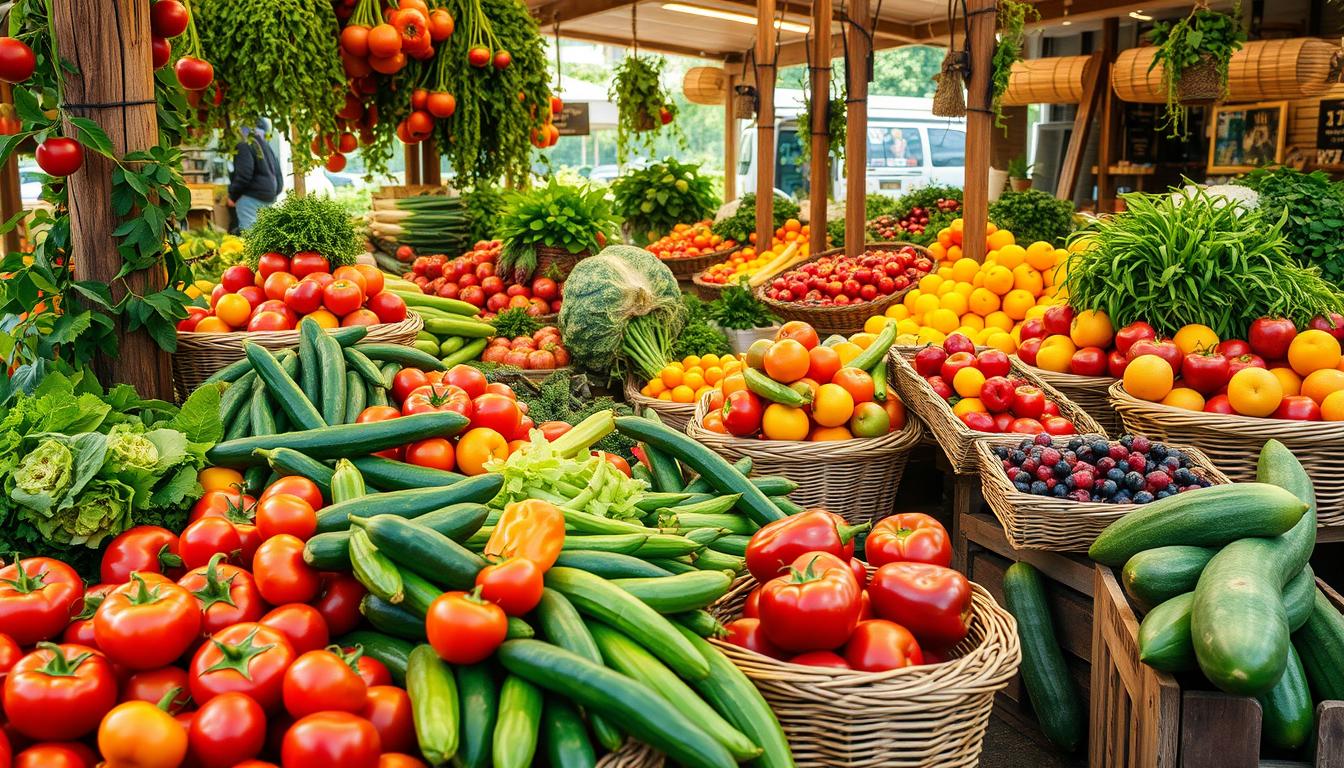
No GMOs: Your Guide to Natural Food Choices
Our food choices greatly affect our health and the planet. It’s time to learn about the benefits of non-GMO products. We’ll look into the science of genetic modification, GMO crops’ history, and their use today. You’ll gain the knowledge to make better food choices. What if the foods we eat could harm us without us knowing? We’ll dive into GMOs and why choosing non-GMO is key for our health and the planet. You’ll discover how to choose a more natural, sustainable food path. Key Takeaways Discover the science behind GMOs and their impact on food production. Explore the benefits of choosing non-GMO products in your diet. Learn how to identify and avoid GMO ingredients through effective food labeling. Discover natural alternatives to GMO products and support sustainable agriculture. Understand the connection between organic farming and non-GMO foods. Understanding GMOs and Their Impact on Food Production Genetic modification, or genetic engineering, changes the genetic makeup of living things, like food crops. Scientists can add traits like more yield, pest resistance, or better nutrition. But, this technology also raises questions about its effects on the environment and health. The Science Behind Genetic Modification Genetic engineering involves finding and adding specific genes to another organism’s DNA. This can be done with plants, animals, or microorganisms. The aim is to create new life forms with special traits. For farming, it’s used to make crops more resistant to pests, diseases, and harsh weather. Historical Development of GMO Crops The first GMO crop, a tomato, was approved in the U.S. in 1994. Since then, GMO use in farming has grown. Now, crops like corn, soybeans, and canola are mostly GMO. This has raised concerns about its environmental impact. Current GMO Statistics in Agriculture In 2019, about 190.4 million hectares of land worldwide were used for GMO crops. The U.S. leads in GMO crop production, with 71.5 million hectares in 2019. Brazil, Argentina, Canada, and India are also big GMO producers. The most modified crops are soybeans, corn, cotton, and canola. As GMO use in farming grows, understanding its science and effects is key. It’s important for sustainable agriculture and the environment. Benefits of Choosing No GMOs in Your Diet More people are choosing non-GMO foods as GMO awareness grows. This choice is good for health and the environment. It’s a step towards a better lifestyle. Non-GMO diets may be healthier. Some research links GMOs to health problems like allergies and chronic diseases. By avoiding GMOs, you might avoid these risks and eat better. Choosing non-GMO also supports organic farming. Organic farming avoids harmful chemicals. This choice helps the planet and our health. Non-GMO foods are often more natural. They are less processed and closer to their natural state. This means better taste and nutrition. Choosing non-GMO food is not just about personal health – it’s about supporting a food system that is better for the planet and future generations.” – Jane Doe, Organic Farming Expert More people want to know where their food comes from. Non-GMO choices are becoming more appealing. They help create a healthier, more sustainable food system. Potential Health Benefits of Non-GMO Environmental Advantages of Non-GMO Reduced risk of allergies and digestive issues Minimized exposure to potential long-term health concerns Promotion of a more natural, whole-food-based diet Alignment with organic farming practices Reduced use of synthetic pesticides and fertilizers Support for a more sustainable food production system How to Identify and Avoid GMO Products Understanding food labels can seem hard, but don’t worry! We’ll show you how to spot and steer clear of genetically modified (GMO) foods. You’ll learn to read labels well and use the Food Scan Genius app. This way, you can choose what you eat wisely. Reading Food Labels Effectively To avoid GMO foods, start by getting good at reading labels. Look for the non-GMO or organic seals. These mean the product doesn’t have genetically modified stuff. Also, watch out for GMO ingredients like corn, soy, canola, and sugar beets. Common GMO Ingredients to Watch For Corn and corn-derived ingredients Soy and soy-derived ingredients Canola oil Sugar beets Cottonseed oil Papaya Zucchini and yellow squash Using the Food Scan Genius App for GMO Detection For more confidence, try the Food Scan Genius app. It lets you scan barcodes and tells you if a product has GMOs. This app makes choosing non-GMO foods easy. The Food Scan Genius app has been a game-changer for my family. It takes the guesswork out of grocery shopping and ensures we’re avoiding GMO products with ease. Get to know food labels, know the GMO ingredients, and use the Food Scan Genius app. You’ll be on your way to a non-GMO life. Enjoy making smart choices and feeling sure about your food. Natural Alternatives to GMO Products Looking for a healthier lifestyle? Explore natural, non-GMO alternatives to common foods. You can change your pantry, enjoy tasty snacks, or try new drinks. Nature’s power is in every delicious option. Choosing non-GMO doesn’t mean giving up taste or convenience. There’s a wide range of non-non-GMO products. From organic farming to sustainable agriculture, they help nourish you and the planet. Pantry Staples: Rethinking the Essentials Replace processed and GMO foods with wholesome, non-GMO pantry staples. Try different non-GMO flours, grains, and legumes for tasty meals. Choose brands that focus on sustainable agriculture and organic farming for your daily needs. Snacks and Treats: Satisfying Cravings Naturally Enjoy non-GMO products without losing flavor. Find crunchy chips, savory dips, sweet treats, and baked goods without GMOs. Look for brands that use high-quality, non-GMO ingredients for guilt-free indulgence. Beverages: Quenching Thirst the Natural Way Stay hydrated with non-GMO drinks. Avoid sugary, artificial drinks and choose refreshing non-GMO juices, teas, and non-dairy milks. These options not only quench your thirst but also offer nutrients and health benefits without GMOs. Product Category Non-GMO Alternatives Key Benefits Pantry Staples Non-GMO flours, grains, legumes Whole, unmodified ingredients; support for sustainable agriculture and organic farming Snacks and Treats Non-GMO chips, dips, baked goods Satisfy cravings with natural,

Natural Beauty Products: No Parabens Inside
Did you know 75% of personal care products have parabens? These synthetic preservatives are common in our beauty routines. But, their use might harm our health and the environment. As people learn more about parabens, they’re looking for natural, paraben-free beauty products. We’ll explore the world of no-paraben beauty. We’ll see why more people are choosing natural options for their skin and makeup. We’ll talk about parabens, the benefits of paraben-free products, and highlight leading clean beauty brands. Key Takeaways Parabens are synthetic preservatives found in a majority of personal care products Concerns about the potential health and environmental impacts of parabens have driven consumer demand for natural, paraben-free beauty products Natural beauty brands are offering innovative, effective formulas that avoid parabens and other synthetic ingredients Understanding the role of parabens and identifying paraben-free alternatives can help you make informed choices for your beauty routine The clean beauty movement is gaining momentum, with more and more consumers embracing natural, sustainable products Understanding Parabens: What You Need to Know Beauty and personal care products often use parabens, a topic of much debate. These preservatives have been in cosmetics for years but raise health concerns. Many now choose paraben-free products, chemical-free, and non-toxic cosmetics. Parabens are found in many products like shampoos, lotions, makeup, and deodorants. They prevent bacteria and mold, making products last longer. Yet, worries about their health effects have grown. Parabens have been found in breast cancer tumors, sparking fears about hormone disruption and cancer risk. Research suggests parabens might cause reproductive and developmental problems, especially in young people. Some people experience skin irritation and allergic reactions from parabens. Because of these concerns, many look for paraben-free products, chemical-free, and non-toxic cosmetics. This shift has led the beauty industry to offer safer options. The rise of the clean beauty movement has been a game-changer, empowering consumers to make more informed choices about the products they use on their skin and hair. Knowing about parabens and the push for safer products is key. It helps you make better choices for your beauty routine. By being informed, you can focus on your health while enjoying quality personal care products. The Rise of No Paraben Products in the Beauty Industry The beauty world is changing fast. More people want organic skincare, eco-friendly, and clean beauty items. Paraben-free products are leading this change. This is because people are learning about the dangers of these preservatives. Benefits of Choosing No Parabens Choosing paraben-free products has many advantages. These include: Less exposure to harmful chemicals Natural and gentle formulas Supporting sustainable and green practices Feeling safer and more confident in what you use Consumer Awareness and Demand The clean beauty trend is growing. This is because people are learning about parabens’ risks. They now look for organic skincare and eco-friendly products that are good for them and the planet. This demand has made the beauty industry offer more paraben-free options. This has led to new, natural products that meet the needs of careful consumers. The future of beauty is clean, sustainable, and transparent. Consumers are no longer willing to compromise their health for the sake of vanity.” The clean beauty movement is getting stronger. The beauty industry is set to change even more. It will offer more eco-friendly and organic skincare options. These will meet the growing need for safe, effective, and ethically-made products. Key Ingredients in Natural Beauty Products The demand for natural and organic skincare is growing fast. We’re excited to share with you the amazing ingredients replacing parabens in today’s beauty products. You’ll learn about plant-based preservatives and essential oils, nature’s own beauty solutions. Common Natural Alternatives to Parabens People are now looking for natural alternatives to parabens in beauty products. Some popular natural preservatives include: Glycerin: A gentle, plant-based humectant that keeps products fresh and skin hydrated. Vitamin E: A powerful antioxidant that protects against environmental stressors and preserves your skincare. Rosemary extract: This natural antiseptic has antimicrobial properties to prevent bacterial growth. The Role of Essential Oils Essential oils are becoming more popular in natural ingredients and organic skincare products. These concentrated plant extracts offer a soothing aroma and many benefits: Lavender oil: Calms and soothes the skin, with natural antibacterial qualities. Tea tree oil: A potent vegan product with antifungal and antiseptic effects. Frankincense oil: Known for its skin-rejuvenating and anti-aging benefits. By using nature’s power, we can make natural ingredients and organic skincare products that are effective yet gentle and sustainable. Let’s embrace the beauty of vegan products and rediscover the joy of caring for our skin with nature’s solutions. Natural Ingredient Function Benefit Glycerin Humectant Keeps products fresh and skin hydrated Vitamin E Antioxidant Protects against environmental stressors Rosemary Extract Antimicrobial Prevents bacterial growth Lavender Oil Calming, Antibacterial Soothes the skin Tea Tree Oil Antifungal, Antiseptic Potent natural disinfectant Frankincense Oil Skin-rejuvenating, Anti-aging Revives and renews the skin Embracing nature’s own beauty solutions is the key to achieving radiant, healthy skin. Popular Brands Leading the No Parabens Movement In the world of clean beauty, many brands are fighting against parabens. They focus on making non-toxic cosmetics and setting new standards. These standards include being effective, transparent, and cruelty-free. Brand A: Commitment to Clean Beauty Tata Harper is a top name in clean beauty. They make skincare products without parabens or harmful chemicals. Their products, like creams and serums, are made from natural ingredients. This appeals to those who want a holistic beauty routine. Brand B: Innovative No Paraben Formulations RMS Beauty, started by makeup artist Rose-Marie Swift, changed the game. They offer non-toxic cosmetics for today’s health-aware shoppers. Their products, both makeup and skincare, are paraben-free. They also use organic ingredients to boost skin glow. Brand C: Transparency in Ingredients Herbivore Botanicals, from Seattle, is known for its honesty and eco-friendly ways. Their cruelty-free skincare products avoid parabens and synthetic stuff. They aim for natural results while caring for the user and the planet. “We believe that beauty shouldn’t come at the cost of our health

No Pesticides: Growing Clean, Natural Food at Home
Are you tired of the endless chemicals in store-bought produce? Imagine enjoying fresh, flavorful fruits and veggies from your own garden. This dream is closer than you think! In this guide, we’ll show you how to grow your own clean, natural food at home. We’ll cover the health and environmental benefits of growing your own food. You’ll learn practical techniques to create a chemical-free oasis. Discover how to make a garden that’s good for you and the planet. Let’s start this exciting journey towards a healthier, more empowered life. Key Takeaways Uncover the remarkable health advantages of pesticide-free foods Explore the environmental impact of natural growing methods Learn essential tools and equipment for successful organic gardening Unlock the secrets to preparing nutrient-rich soil for your plants Discover natural pest control strategies that actually work Understanding the Impact of Chemical-Free Food Production As we aim for a greener future, the role of non-toxic crops and chemical-free food production is crucial. This method benefits us and the planet in many ways. Health Benefits of Pesticide-Free Foods Eating pesticide-free foods boosts our health. It cuts down the risk of diseases like neurological disorders, hormone imbalances, and certain cancers. Our bodies work better without harmful chemicals, leading to better health and energy. Environmental Advantages of Natural Growing Methods Using eco-friendly cultivation methods protects our environment. It keeps natural ecosystems balanced, preserving biodiversity, soil health, and water quality. These natural growing methods help our planet stay healthy for future generations. Cost Savings in the Long Run Starting with chemical-free food production might cost more at first. But, it saves money in the long run. We avoid spending on harmful chemicals and enjoy better health and a cleaner environment. This makes pesticide-free gardening a smart choice. Choosing eco-friendly cultivation and non-toxic crops is more than a trend. It’s a step towards a healthier, greener future. The benefits of this approach make it a clear choice for growing food without harmful chemicals. Essential Tools and Equipment for Natural Gardening To grow a healthy, chemical-free garden, you need the right tools. Let’s look at the key items for a lush, green garden without harmful chemicals. First, a good set of hand tools is crucial. You’ll need sturdy trowels, hand forks, pruning shears, and hoes. These tools help you dig, weed, and shape plants easily. Trowel Hand fork Pruning shears Hoe Garden hose Watering can New, eco-friendly tools are changing gardening. Think about getting a compost tumbler or bin. It turns waste into soil. A rain barrel also helps, saving rainwater for your plants. Tool Purpose Eco-Friendly Alternative Sprayers Applying natural pest control solutions Eco-friendly pump sprayers Tillers Aerating and loosening soil Broadforks and digging forks Mulch spreaders Distributing organic mulch evenly Wheelbarrow and pitchfork With the right tools and green practices, we can make a natural garden. It will feed our plants and help the environment. Let’s start our pesticide-free gardening adventure! Preparing Your Soil for Organic Growing Success Starting an organic garden means taking care of the soil. In sustainable agriculture, the secret to great harvests is natural soil improvement. Let’s dive into the key steps to make your garden beds full of life and nutrients, all without chemicals. Natural Soil Enhancement Techniques Organic farming focuses on adding mineral-rich amendments to the soil. Things like crushed rock dust and bone meal help add nutrients and improve soil structure. Knowing your soil’s needs helps you create the perfect mix for your organic farming projects. Composting Basics for Healthy Soil Composting is a big win for sustainable agriculture. It turns kitchen scraps and yard waste into a nutrient-rich soil amendment. Learn how to compost right and watch your garden grow strong from the start. Testing and Maintaining Soil pH Soil pH is key for healthy plants. Regular soil tests help you adjust the acidity or alkalinity. Use lime, sulfur, or other natural products to keep your soil’s pH just right for organic gardening success. Soil pH Range Ideal for Crops 6.0 – 7.0 Most vegetables, herbs, and flowers 5.5 – 6.5 Blueberries, potatoes, and azaleas 7.0 – 8.0 Asparagus, beets, and carrots Learning these basic soil preparation techniques will help you grow a chemical-free garden that flourishes year after year. Enjoy the fruits of your labor and savor the freshest, tastiest produce from your backyard. Selecting the Right Plants for No Pesticides Growing Starting a pesticide-free garden is all about picking the right plants. We’ll show you how to choose hardy, pest-resistant plants that grow well without chemicals. You’ll learn to grow a variety of chemical-free produce and non-toxic crops. Some plants are natural winners against pests and diseases. These plants don’t need harmful sprays to stay healthy. By adding these plants to your garden, you’ll get a bountiful harvest and help the environment. Pest-Resistant Plant Varieties Marigolds: These flowers add color and keep pests like aphids and nematodes away. Basil: Its scent keeps mosquitoes, flies, and aphids from your garden. Lavender: Its smell keeps moths, fleas, and mosquitoes out of your garden. Rosemary: This herb repels pests like cabbage moths, carrot flies, and bean beetles. Adding these plants to your chemical-free produce garden makes it vibrant and self-sustaining. You’ll grow a lot without using harmful pesticides. “A garden is a grand teacher. It teaches patience and careful watchfulness; it teaches industry and thrift; above all it teaches entire trust.” – Gertrude Jekyll Plant Pest Resistance Ideal Growing Conditions Marigolds Aphids, Nematodes Full sun, well-drained soil Basil Mosquitoes, Flies, Aphids Full sun, moist, well-drained soil Lavender Moths, Fleas, Mosquitoes Full sun, dry, well-drained soil Rosemary Cabbage Moths, Carrot Flies, Bean Beetles Full sun, dry, well-drained soil Natural Pest Control Methods That Actually Work We’ve found many natural ways to keep pests away from your plants. These methods are good for your garden and the environment. No more harsh chemicals needed. Companion Planting Strategies Companion planting uses nature to fight pests. By placing plants wisely, we help beneficial insects and keep pests away. For example, marigolds can keep aphids

No Sulfites: Natural Wine Selection for Health Conscious
We’re excited to share the world of natural wines with no added sulfites with you. These wines are pure and organic, perfect for health-conscious wine lovers. They let you enjoy your favorite drink without harmful additives. Let’s dive into the benefits and tastes of these special wines. Key Takeaways Discover the world of natural wines with no added sulfites Learn about the benefits of choosing sulfite-free wines for your health Explore the different winemaking methods that produce these pure, organic wines Understand the rise of organic and biodynamic wine production Discover top regions and producers of natural, sulfite-free wines Understanding Natural Wine: A Pure Approach to Winemaking A new movement in winemaking focuses on natural and sustainable methods. Sulfite-free wines are made with little intervention and organic practices. They are winning over wine lovers. Let’s explore the traditional methods and the philosophy behind this approach. Traditional vs. Modern Winemaking Methods Modern winemaking often uses additives and technology. But natural winemakers stick to traditional techniques. They let grapes show their true flavors and terroir. This careful process includes: Organic and biodynamic farming to care for the vines Little or no sulfites, unlike many conventional wines Spontaneous fermentation with natural yeast Gentle pressing and aging in neutral oak The Philosophy Behind Natural Wine Production Natural wine production is more than just winemaking. It’s a sustainable lifestyle for these winemakers. They aim to make preservative-free wines that show the land’s unique character. They respect the grape’s authenticity and nature’s rhythms, while reducing environmental harm. Natural winemakers want to share the true taste of the terroir. They avoid the heavy influence of modern winemaking. Their dedication to sulfite-free wines shows their love for winemaking and the environment. “We’re not just making wine, we’re telling a story – the story of the land, the people, and the gentle touch that brings it all together.” – Jane Doe, Natural Winemaker What Makes Wine Truly Sulfite-Free? Finding no sulfites wines means knowing how they’re made. Natural wines use methods without additives. This makes them different from regular wines. No sulfites wines don’t have added sulfites. Sulfites help keep wine fresh longer. But, no sulfites wines offer a natural choice for those who want it. Organic and biodynamic farming practices: Natural wine makers use sustainable farming. This means no synthetic additives like sulfites. Minimal intervention in the winemaking process: No sulfites wines are made with care. They avoid heavy processing to let the grape’s natural flavors show. Careful fermentation and aging: The making and aging of additive-free wines are done with great attention. This keeps the wine pure, without sulfites. The beauty of no sulfites wines lies in their ability to let the true essence of the grape shine through, offering a pure and authentic drinking experience.” Learning about the winemaking for sulfite-free wines opens up a new world. You can find natural, additive-free wines that are good for your health. Health Benefits of Choosing No Sulfites Wines Wine lovers looking for a healthier choice are finding it in organic wine and preservative-free options. These wines, without sulfites, bring many health benefits to the table. Reduced Allergic Reactions and Sensitivities Sulfites in regular wines can cause allergies and sensitivities. Choosing no-sulfites-added wines might help reduce these issues. Symptoms like headaches and breathing problems could lessen. Better Digestibility and Fewer Headaches Without added sulfites, natural wines are easier to digest and may cause fewer headaches. Sulfites can upset your stomach. Not using them makes wine more enjoyable and less likely to cause problems. Natural Antioxidant Properties Organic wine makers often stick to old-school methods. This keeps the grapes’ natural antioxidants. These antioxidants are good for your health and might help fight off age-related diseases. By picking preservative-free wines, you start a new adventure. You’ll learn about the health benefits of these natural wines. The no-sulfites movement is changing how we see and enjoy wine. The Rise of Organic and Biodynamic Wine Production Winemaking is changing, moving towards more sustainable methods. Organic and biodynamic wine production are becoming more popular. People want wines that taste great and are good for the planet. Organic and biodynamic winemaking focus on natural methods. They avoid synthetic fertilizers and pesticides. Instead, they use natural ways to grow grapes and make wine. Organic wine growers use natural compost and cover crops. They manage the soil carefully. This makes grapes full of flavor and helps the environment. Biodynamic winemaking sees the vineyard as a living thing. Growers use natural preparations and farming rhythms. This approach makes the soil and vines healthy, creating amazing organic wines without additives. Organic Wine Biodynamic Wine Grown without synthetic pesticides or fertilizers Follows biodynamic principles, treating the vineyard as a self-sustaining ecosystem Grapes are certified organic Utilizes natural preparations and rhythmic farming techniques May contain low levels of sulfites Sulfite-free The demand for sustainable wines is rising. Organic and biodynamic wines offer a healthy choice. They are delicious and support the environment. The future of winemaking lies in the hands of those who embrace the principles of organic and biodynamic farming. These sustainable practices not only produce exceptional wines but also contribute to the preservation of our planet. Top Regions Producing Natural Sulfite-Free Wines The natural wine movement is growing fast. We’re excited to look at the top places known for making great sulfite-free, organic wines. From Europe’s old vineyards to the new producers in the New World, and the new markets starting to make natural wines, let’s explore the wide world of natural wine. European Natural Wine Regions Europe is at the heart of traditional winemaking. Places like France’s Loire Valley, Italy’s Piedmont, and Spain’s Catalonia are full of winemakers who love to make natural wine without sulfites. They work hard in their vineyards, using methods like biodynamic and organic farming. This way, they make sulfite-free wines that really show off the land’s flavor. New World Natural Wine Destinations The New World is also making a big impact in natural wine. Places like California’s Sonoma County, Chile’s Casablanca Valley,
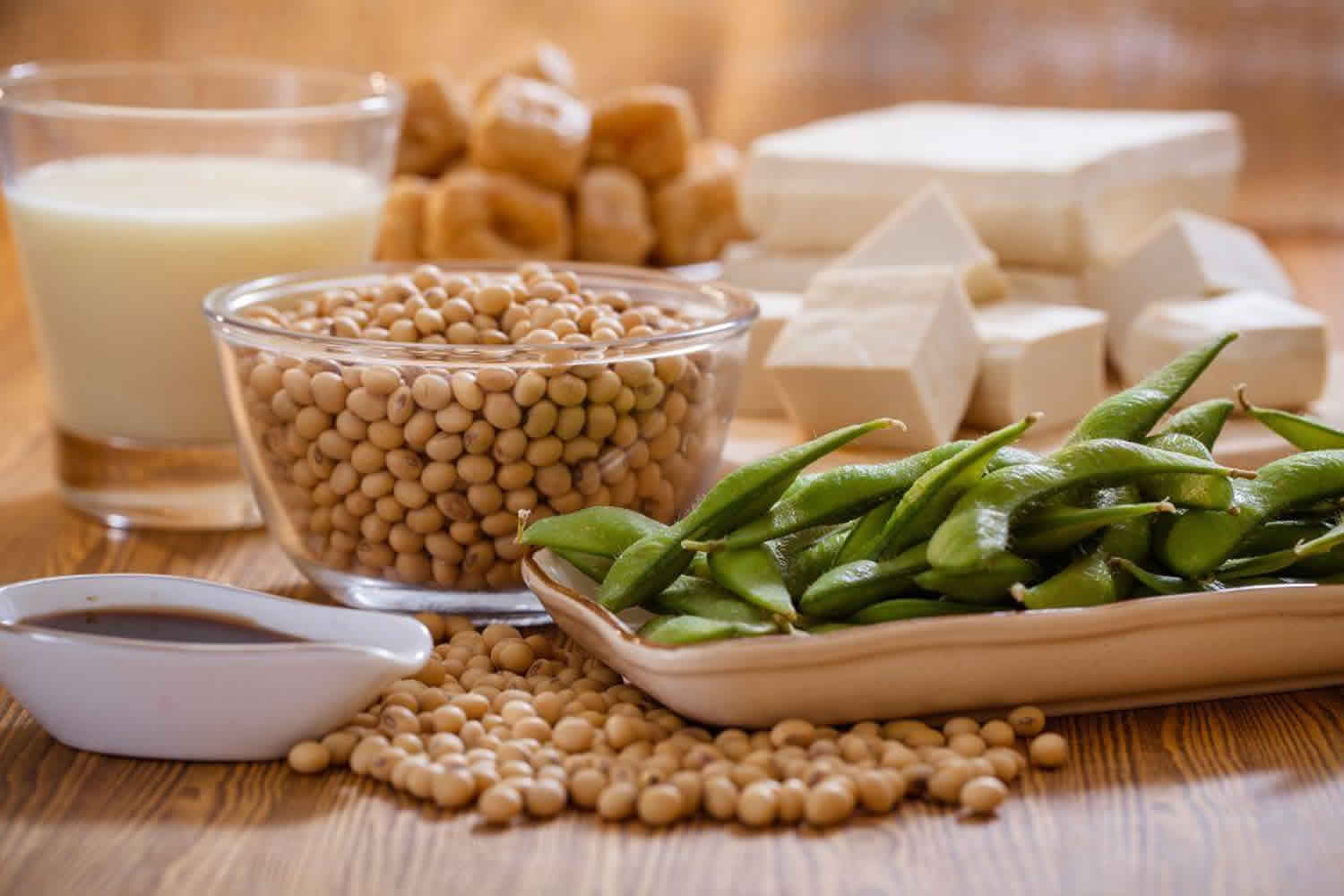
Managing Soy Allergies just got easier with Food Scan Genius
Understanding Soy Allergy: A Comprehensive Guide to Managing Your Diet Introduction Soy allergy is a condition characterized by an abnormal response of the body to the proteins found in soy. As a legume, soybeans belong to the same family as navy, kidney, string, black and pinto beans, chickpeas, lentils, carob, licorice, and peanuts. Individuals with soy allergies may also exhibit sensitivity to other legumes. To effectively manage a soy allergy, it is crucial to identify and avoid all foods and products containing soy or soy-based ingredients. This guide presents general guidelines for maintaining an allergy-free diet, provides a list of allowed and not allowed foods, and offers tips on how to read labels for a soy-free diet. Understanding Food Allergen Labeling The Food Allergen Labeling and Consumer Protection Act of 2004 ensures that U.S. manufacturers clearly state on the label if a packaged food item contains soy or soy-based ingredients. This labeling requirement assists individuals with soy allergies in making informed choices about the food they consume. However, it is important to note that soy oil, commonly used in cooking, does not typically contain soy protein, which causes allergic reactions. Nevertheless, those with soy allergies should consult their doctors before consuming products containing soy oil or processed with soy oil. Breads and Starches When it comes to breads and starches, it is generally safe to consume those that do not contain soy ingredients. However, caution should be exercised with regard to potato chips or popcorn cooked in soy oil. While most soy oil does not contain soy protein, individuals with soy allergies should consult their doctors for guidance. Allowed Not Allowed Plain macaroni, rice, barley, rye, wheat, oats, or grits Breads, crackers, cakes, rolls, or pastries containing peanuts, peanut oil, soy flour Breads & baked goods not containing soy ingredients Processed and “natural” cereals that contain soy ingredients Soy pasta Vegetables Fresh, frozen, or canned vegetables without sauces or breading containing soy ingredients are generally safe for individuals with soy allergies. However, caution should be exercised with soybeans and soybean sprouts, as they may trigger allergic reactions. Fruit All fresh, frozen, or canned fruits and juices processed without soy products are suitable for individuals with soy allergies. However, fruit drink mixes, sauces, or toppings for fruit that contain soy ingredients should be avoided. Beverages When selecting beverages, it is generally safe to consume soft drinks, tea, coffee, and fruit juice. However, soy-based formulas, coffee substitutes with soy, instant coffee, hot cocoa mixes, malt beverages, and fruit drink mixes made with soy ingredients should be avoided. Meat and Meat Substitutes Fresh or frozen beef, chicken, lamb, pork, turkey, veal, or fish served without prepackaged sauces, breading, or gravy are safe for those with soy allergies. However, caution should be exercised with pork link sausage, deli/luncheon meats made with soy, and commercially prepared meats where soy is used as a meat extender. Additionally, meat or cheese substitutes that contain soy, such as tofu/bean curd, natto, miso, and textured vegetable protein (TVP), should be avoided. Milk and Milk Products Milk, cheese, cottage cheese, and yogurt without soy products are allowed for individuals with soy allergies. However, milk drinks or milk substitutes that contain soy should be avoided. Soups and Combination Foods Homemade soups and commercial soups that do not contain soybeans are generally safe for individuals with soy allergies. However, it is important to note that soy is used in many canned soups, commercial entrees, and combination foods. Therefore, it is crucial to read labels carefully before consuming these products. Desserts and Sweets Ice cream, gelatin, and cookies made without soy ingredients are safe for individuals with soy allergies. However, baked goods such as cakes or cookies that contain soy flour should be avoided. It is worth noting that some commercial ice creams and other frozen desserts may contain soy products. Therefore, it is essential to check the ingredients list before consuming these products. Additionally, hard candies, nut candies, fudge, and caramels made with soy flour should be avoided. Fats and Oils Butter, margarines, and shortening are generally safe for individuals with soy allergies. However, caution should be exercised with margarine and butter substitutes. Some salad dressings, mayonnaise, sauces, or gravies may contain soy products. Roasted soybeans or “soy nuts” should also be avoided. Condiments and Miscellaneous Sugar, honey, molasses, catsup, mustard, jelly, jam, plain sugar candies, syrup, and pickles are generally safe for individuals with soy allergies. However, caution should be exercised with commercial vegetarian products, meat substitutes, some Worcestershire and other sauces, fermented soybean pastes (miso and natto), soy sauce, tamari sauce, granola, breakfast bars made with soy, and imitation bacon bits made with soy. How to Read Labels for a Soy-Free Diet Reading labels is crucial for individuals with soy allergies to avoid consuming products that contain soy or soy-based ingredients. It is essential to be aware of different names and forms in which soy may be present to make informed choices. Here are some ingredients and terms to watch out for: Hydrolyzed soy protein Miso Edamame Natto Soy albumin Soy cheese Soy fiber Soy yogurt Soy ice cream Soy bean (curd, granules) Shoyo sauce Soy flour Soy grits Soy nuts Soy milk Soy sprouts Soy protein concentrate Soy protein isolate Soy protein hydrolyzed Soy sauce Tamari Tempeh Textured vegetable protein (TVP) Tofu It is also important to be aware of other possible sources of soy or soy products, such as Asian cuisine, flavorings, hydrolyzed plant protein, hydrolyzed vegetable protein, natural flavoring, vegetable broth, vegetable gum, vegetable starch, and vitamin E containing soybean oil. To ensure a soy-free diet, it is advisable to contact manufacturers to identify the natural flavorings, vegetable broths, gums, and starches used in their products, as these have the potential to contain soy. Conclusion Managing a soy allergy requires vigilance and careful attention to food choices. By following the general guidelines provided in this article and reading labels diligently, individuals with soy allergies can maintain an allergy-free diet. It is always advisable to consult healthcare

If I have allergies, how can a Food Label help me?
Reading Food Labels: A Comprehensive Guide for Allergy Prevention Image Source: FreeImages Food allergies can pose significant risks to individuals, making it essential to practice food allergen avoidance. One crucial aspect of this is understanding how to read food labels effectively. While it may seem like a daunting task, especially for those with allergies, mastering the art of deciphering food labels is vital for preventing allergic reactions. In this comprehensive guide, we will explore the key steps and considerations involved in reading food labels to ensure your safety. Why Reading Food Labels Matters When it comes to food allergies, reading a food label goes beyond just checking the nutritional values. Instead, the focus is on the ingredient list and any warning labels present. Packaged and processed foods often contain numerous ingredients, and deciphering them can be a challenge. Understanding how specific ingredients relate to your allergy is crucial for avoiding potential allergens. Let’s delve into some essential tips and things to keep in mind when reading food labels for allergies. Tip 1: Read the Label Every Time Regardless of how routine or familiar a food item may be, it’s crucial to read the label every time you purchase or consume it. Food manufacturers often change the ingredients of their products without modifying the packaging, leading to potential risks for individuals with allergies. For example, a chocolate bar labeled “peanut-free” for most of the year might have a different version for Halloween labeled as “may contain peanuts.” Even when dining out, it is wise to directly check the label to ensure your safety. Tip 2: Starting with the “Contains” Statement Reading an ingredient list for food allergies can feel overwhelming, considering the multitude of ingredients present. To simplify the process, start by focusing on the “contains” statement. This section, recommended by the Food Allergen Labeling Consumer Protection Act (FALCPA) of 2004, aims to identify the most common allergenic foods in plain language. For example, instead of simply stating “sodium caseinate,” a product label should say “sodium caseinate (milk)” to explicitly indicate the presence of milk protein. The recent FASTER Act of 2021 expands FALCPA to include sesame as a common food allergen. Tip 3: Understanding Major Allergenic Sources Certain allergenic foods are required to be clearly labeled according to FALCPA. These major allergenic sources include: Milk (from cow) Eggs (from chickens) Fish (fin fish including bass, flounder, trout, cod, salmon, shark, and skate) Crustacean shellfish (shrimp, lobster, crab) Tree nuts (e.g., almonds, cashews, pistachios, pecans, walnuts, hazelnuts) Peanuts (also known as ground nuts) Wheat (including spelt and kamut) Soybean (soy) Sesame These allergenic sources must be labeled using recognized English names on product labels. However, it’s important to note that individuals with allergies to cow’s milk might also react to milk from sheep, goats, and camels. Similarly, those allergic to chicken eggs may also react to eggs from other birds. Tip 4: Understanding Gluten Labeling For individuals with celiac disease or gluten sensitivity, reading food labels for gluten can be challenging. While wheat is mandated to be labeled under FALCPA, other sources of gluten such as barley and rye are not. To ensure gluten-free products, it is best to look for explicitly labeled “gluten-free” products if you have celiac disease. Tip 5: Exceptions to FALCPA Labeling It’s important to be aware of exceptions to FALCPA labeling requirements. Mustard and molluscan shellfish, such as oysters, clams, mussels, or scallops, are not required to be labeled as major allergens. However, these ingredients must still be declared on the ingredient list if they have a functional or technical effect on the product. While they cannot be identified in the “contains” statement, consumers should carefully review the ingredient list for these allergens. Tip 6: Exclusions from FALCPA While FALCPA applies to most packaged foods sold in the United States, certain products and categories are excluded from its labeling requirements. These exclusions include prescription and over-the-counter drugs, personal care items, pet foods, and products regulated by the United States Department of Agriculture (USDA) Food Safety and Inspection Service (FSIS). While the USDA FSIS encourages compliance with FALCPA, it is not mandatory for these products. Tip 7: Precautionary Allergen Labels (PALs) You may encounter Precautionary Allergen Labels (PALs), commonly known as “may contain” statements, on food products. Unlike FALCPA regulations, PALs are voluntary and not standardized by law. Companies may use PALs to indicate a potential risk of unintentional allergen contamination in their products. However, the inconsistency and vagueness of PALs make it challenging to assess the actual level of risk. Until PAL practices are standardized, it is often advisable to avoid foods with PALs or “may contain” statements. Tip 8: International Food Labels and Travel Considerations When traveling or purchasing food products from other countries, it’s essential to understand their specific labeling practices and laws. While FALCPA applies to officially imported food products in the United States, other countries may have different requirements. For example, Canada mandates additional labeling of molluscan shellfish, mustard, and sulfites. In Japan, specific allergens such as buckwheat, peanut, milk, egg, shrimp, and crab must be labeled. Final Tips for Safe Allergen Avoidance To ensure your safety and prevent allergic reactions, keep the following tips in mind: Work closely with healthcare professionals to understand your allergies and which allergens and foods to avoid. Read food labels every time you purchase or consume a product. Be aware of exceptions to FALCPA labeling requirements, particularly when consuming foods outside the United States. Understand that precautionary labeling is voluntary and may not provide an accurate assessment of risk. Communicate clearly with restaurant staff and hosts about your allergies and safe food options. When in doubt, ask questions and seek clarification to ensure your safety. Remember, proper understanding and diligent reading of food labels are key to preventing allergic reactions and ensuring your well-being. For more information on food labeling and allergen safety, you can visit the following resources: Food Allergy Canada FDA – Food Allergen Labeling In addition, for individuals with food
Food Allergen trends for 2024
Unveiling the Top Allergens in Food: 2024 Trends and Insights Food allergies have become an increasingly prevalent concern, affecting millions of people around the world. As we step into 2024, it’s crucial to stay informed about the top allergens in food and the latest trends shaping the landscape of allergen management. This blog aims to explore the key allergens, shed light on emerging trends, and provide insights into how the food industry is responding to the growing demand for allergen-free options. Understanding the Top Allergens: Common Culprits: The most prevalent allergens are often referred to as the “Big 8,” accounting for over 90% of allergies Emerging Allergens: While the Big 8 remain prominent, there is a growing awareness of newer food allergen sensitivities Cross-Contamination Concerns: Cross-contamination remains a significant challenge Trends Shaping the Allergen-Free Landscape: Plant-Based Revolution: The plant-based movement has gained remarkable traction… Clean Label Movement: Consumers are becoming more conscious of what goes into their food… Tech-Driven Solutions: Technology is playing a pivotal role in allergen management… Customization and Personalization: The concept of personalized nutrition is extending to allergen management… Global Influences on Allergen Awareness: As the world becomes more interconnected, global cuisines are gaining popularity… Education and Advocacy: Allergen awareness campaigns and advocacy efforts are on the rise… Food Scan Genius:Empowering Consumers with Food Allergies Fortunately, modern technology is offering a helping hand to those navigating the challenges of food allergies. Tools like Food Scan Genius: empower consumers to make informed choices. By scanning product barcodes, Food Scan Genius: provides instant allergen information, allowing individuals to shop with confidence. This innovative solution is a game-changer, providing a sense of control and security in a world where food labels can be intricate puzzles. Check out Food Scan Genius at https://www.scangeni.us and download our app at https://app.scangeni.us
Read this if you are Vegetarian
Unlocking Peace of Mind for Vegetarians: The Role of Food Scan Genius. For vegetarians, navigating the intricate world of food labels and ingredients can be a daily challenge. While plant-based diets offer numerous health benefits, ensuring that every product aligns with vegetarian principles can be a daunting task. In this blog post, we explore the unique needs of vegetarians and how Food Scan Genius emerges as a valuable ally in simplifying their food choices. The Vegetarian Dilemma: A Quest for Transparency Vegetarians adhere to a diet that excludes meat and, in many cases, animal by-products. This conscious choice aligns with ethical, environmental, and health considerations. However, the modern food landscape often conceals hidden ingredients, additives, or processing agents that may not align with vegetarian principles. The need for transparency becomes paramount for those seeking a truly plant-based lifestyle. Reading Labels: A Tedious Task One of the daily challenges for vegetarians lies in the meticulous scrutiny of food labels. With an array of complex ingredients and unfamiliar additives, deciphering whether a product is truly vegetarian-friendly can be time-consuming and confusing. For many, this process involves extensive research, and even then, uncertainties may linger. Food Scan Genius: Simplifying the Vegetarian Journey Enter Food Scan Genius – a revolutionary tool designed to simplify the lives of vegetarians. This innovative app empowers users to make informed choices by scanning product barcodes and instantly accessing detailed information about ingredients. For vegetarians, this means unlocking a new level of ease and confidence in their food selection process. Instant Ingredient Insight With Food Scan Genius, gone are the days of deciphering lengthy ingredient lists. The app provides instant insight into whether a product contains any non-vegetarian components. It not only highlights explicit meat derivatives but also identifies hidden ingredients that may pose a challenge for vegetarians, such as gelatin, rennet, or certain colorings derived from insects. Navigating Additives and Processing Agents Vegetarians often encounter challenges with additives and processing agents that may or may not align with their dietary choices. Food Scan Genius goes beyond identifying meat content and extends its reach to include a comprehensive database of additives, ensuring that vegetarians can make choices free from animal-derived enhancements. Special Considerations for Vegans For vegans, who exclude all animal products, including dairy and eggs, Food Scan Genius proves invaluable. The app can highlight potential sources of hidden animal products, allowing users to make choices that align with both vegetarian and vegan principles. This dual functionality makes Food Scan Genius an inclusive tool for a variety of plant-based lifestyles. Enhancing Convenience in Grocery Shopping Vegetarians often face the challenge of finding suitable products in a market saturated with diverse options. Food Scan Genius transforms grocery shopping into a seamless experience. Users can efficiently scan products on the spot, reducing the time spent scrutinizing labels and ensuring that every purchase aligns with their dietary preferences. The Future of Informed Eating As technology continues to play a pivotal role in shaping our daily lives, innovations like Food Scan Genius herald a new era of informed eating. Vegetarians can embrace a future where transparency and convenience converge, allowing them to focus on the joy of their plant-based journey without the burden of constant label analysis. Conclusion: Empowering Vegetarians Every Day Food Scan Genius emerges not just as a tool but as a companion for vegetarians, offering peace of mind and empowering them to make choices aligned with their values. In a world where dietary preferences are diverse and dynamic, this app stands as a beacon of convenience, transparency, and assurance for vegetarians seeking a simpler, more informed path on their culinary journey. Download the app now at Food Scan Genius Check out Food Scan Genius at https://www.scangeni.us and download our app at https://app.scangeni.us
Cross Contamination Chronicles: Navigating the Invisible Culprit in Food Safety
In the intricate dance of food preparation, an often overlooked and underestimated foe lurks: cross contamination. This blog post delves into the realms of this invisible culprit, exploring its nuances, understanding its risks, and providing insights into how we can safeguard against it in our kitchens and dining experiences. 1. Defining Cross Contamination: The Silent Saboteur Cross contamination occurs when harmful microorganisms, allergens, or other undesirable substances are unintentionally transferred from one surface or food to another. Despite being invisible, its consequences can be severe, leading to foodborne illnesses and triggering allergic reactions in susceptible individuals. 2. Common Culprits in Cross Contamination Unveiling the common sources of cross contamination is crucial for effective prevention. Cutting boards, utensils, and kitchen surfaces are prime candidates. Raw meat, poultry, and seafood, if not handled properly, can transfer harmful bacteria to other foods during preparation. 3. The Allergen Connection: A Double Threat Cross contamination poses a dual risk for individuals with food allergies. Shared surfaces or utensils can transfer allergens from one dish to another, even if the allergen itself is not an ingredient. Vigilance is paramount, especially in restaurants and shared kitchen spaces. 4. Mitigating Cross Contamination Risks in the Kitchen Preventing cross contamination requires a combination of awareness and hygiene. Dedicated cutting boards for different food types, proper handwashing, and sanitizing surfaces are fundamental practices. Color-coded utensils and separate preparation areas for allergen-free dishes can further reduce risks. 5. Restaurant Challenges: Navigating Cross Contamination in Dining Out Dining out introduces additional challenges in controlling cross contamination. Restaurants must implement robust protocols, educate staff, and provide clear allergen information. For consumers, communication with restaurant staff and making dietary restrictions known are essential steps. 6. The Role of Food Labels and Packaging Manufacturers play a crucial role in minimizing cross contamination risks by providing accurate allergen information on food labels. Consumers should carefully read labels, even for seemingly safe products, as shared facilities can be a source of unintentional cross contamination. 7. Educational Initiatives: Raising Awareness for Safer Practices Increasing awareness about cross contamination is key to fostering a culture of food safety. Educational initiatives in schools, culinary training programs, and public awareness campaigns contribute to building a community that values and practices safe food handling. Conclusion: Navigating a Safer Culinary Journey Cross contamination may be invisible, but its impact on food safety and health is tangible. Through informed practices, proactive measures, and collective awareness, we can navigate the culinary landscape more safely. By understanding the risks and taking preventative actions, we contribute to a world where every meal is not just delicious but also free from the hidden threats of cross contamination. Food Scan Genius: For Consumers with Food Allergies Fortunately, modern technology is offering a helping hand to those navigating the challenges of food allergies. Tools like Food Scan Genius: empower consumers to make informed choices. By scanning product barcodes, Food Scan Genius: provides instant allergen information, allowing individuals to shop with confidence. This innovative solution is a game-changer, providing a sense of control and security in a world where food labels can be intricate puzzles. Check out Food Scan Genius at https://www.scangeni.us and download our app at https://app.scangeni.us
Food Scan Genius for Vegans in Europe: Navigating Plant-Based Eating
Navigating the grocery aisles of Europe as a vegan can be a challenging task. With various food options, hidden animal products, and complex labeling requirements, it’s easy to feel overwhelmed and make unintentional dietary choices. That’s where Food Scan Genius steps in. Food Scan Genius is an AI-powered app specifically designed for vegans in Europe. It empowers you to make informed decisions about your food choices by scanning the barcodes of packaged foods. Gain access to comprehensive analyses of ingredients, nutritional content, and potential allergens, all tailored to your vegan lifestyle. This personalized guidance can help you navigate the complexities of European food labels and ensure that you’re staying true to your vegan values. Here’s how Food Scan Genius can make your vegan journey in Europe smoother: Eliminate Hidden Animal Products: Food Scan Genius detects even the slightest traces of animal-derived ingredients, including whey, casein, and gelatin, ensuring that you avoid accidental consumption. Navigate Labeling Requirements: European food labeling regulations vary across countries, making it challenging to decipher ingredients. Food Scan Genius simplifies this process, providing clear and concise information tailored to each country’s standards. Identify Vegan-Friendly Options: Discover a wider range of plant-based products, including hidden gems and lesser-known brands, with Food Scan Genius’s extensive database of vegan-certified foods. Ensure Nutritional Balance: Receive personalized recommendations for nutrient-rich plant-based foods, helping you address any nutritional concerns specific to your vegan diet. Stay Updated with Food News: Keep up-to-date with the latest information on vegan-related recalls, ingredient changes, and labeling updates with Food Scan Genius’s real-time updates. Food Scan Genius: Made for Vegan Consumers Fortunately, modern technology is offering a helping hand to those navigating the challenges of food allergies. Tools like Food Scan Genius: empower consumers to make informed choices. By scanning product barcodes, Food Scan Genius: provides instant allergen information, allowing individuals to shop with confidence. This innovative solution is a game-changer, providing a sense of control and security in a world where food labels can be intricate puzzles. Check out Food Scan Genius at https://www.scangeni.us and download our app at https://app.scangeni.us
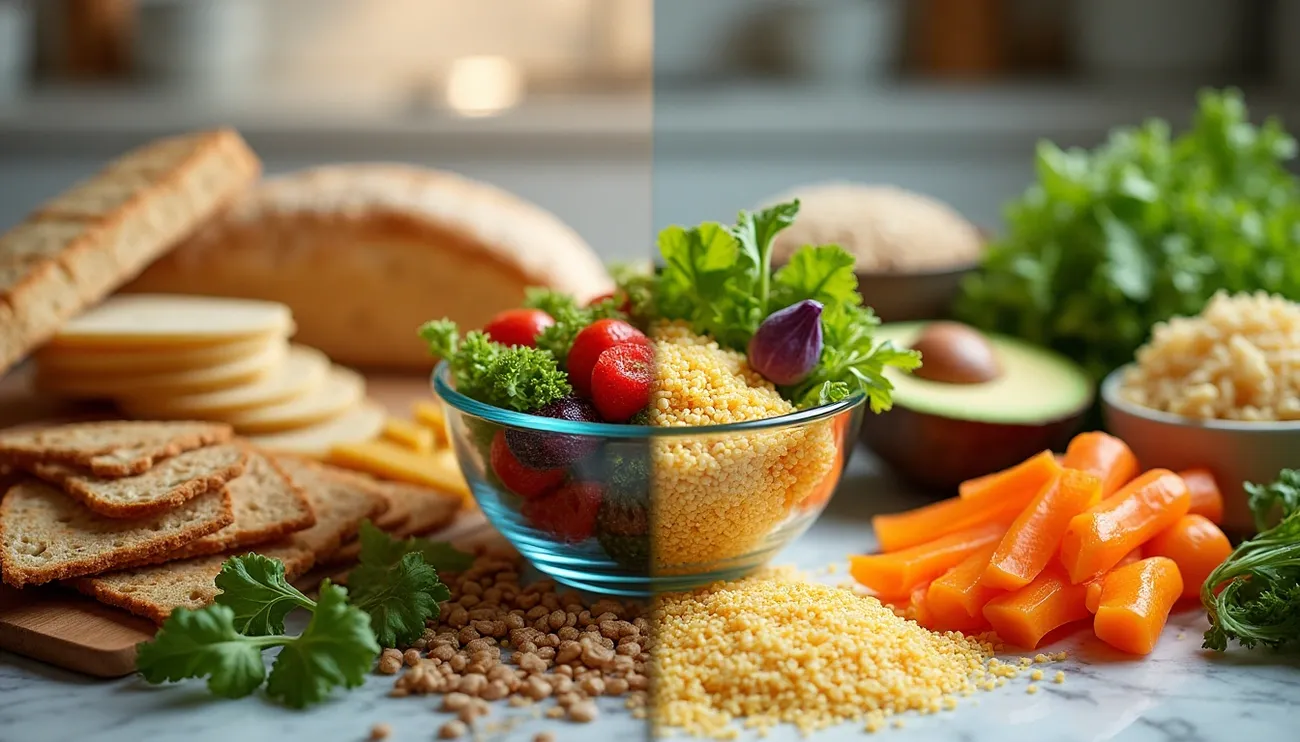
Emerging Culprits in the World of Food Allergies
Emerging Culprits in the World of Food Allergies As our understanding of food allergies deepens, so does our awareness of emerging allergens that may catch us by surprise. In this blog post, we will explore some of the lesser-known culprits that are gaining recognition for causing allergic reactions. Join us on this journey into the world of emerging allergens and discover the challenges they pose for individuals striving to maintain a safe and allergy-free diet. 1. Sesame: A Rising Star In recent years, sesame has emerged as a notable allergen, prompting discussions about its inclusion in mandatory allergen labeling. Sesame allergies can manifest with a range of symptoms, from mild skin reactions to severe respiratory distress. As awareness grows, the food industry is adapting to accommodate individuals with sesame allergies. 2. Mustard: A Spicy Surprise Mustard, a common condiment and spice, is gaining recognition as an allergen. Those with mustard allergies may experience symptoms ranging from mild skin irritation to more severe reactions. As mustard finds its way into various processed foods and restaurant dishes, individuals with this emerging allergy face the challenge of meticulous ingredient scrutiny. 3. Lupin: From Flour to Snacks Lupin, a legume belonging to the pea family, is increasingly used in gluten-free flours and snacks. However, it has also emerged as an allergen, with reactions ranging from skin rashes to anaphylaxis. The growing popularity of lupin-containing products necessitates heightened awareness among consumers and food manufacturers alike. 4. Buckwheat: A Pseudo-Grain Allergen While buckwheat is often considered a safe alternative for those with wheat allergies, it has emerged as an allergen in its own right. Buckwheat allergies can trigger a range of symptoms, including digestive issues and skin reactions. The inclusion of buckwheat in gluten-free products adds complexity to allergen management for individuals with this emerging sensitivity. 5. Fruits and Vegetables: Natural, Yet Allergenic Some fruits and vegetables, typically considered healthy and allergen-free, can pose challenges for certain individuals. For example, allergies to kiwi, avocado, and stone fruits have gained attention. Managing allergies to these seemingly innocuous foods requires heightened awareness and, in some cases, medical guidance. 6. Meat Allergies: An Unusual Phenomenon While relatively rare, allergies to red meat, particularly triggered by the bite of the lone star tick, have been identified. Individuals with this allergy may experience delayed reactions, making it challenging to link symptoms to a specific food. As cases increase, medical professionals are gaining insights into this unique form of meat allergy. Conclusion As we unravel the mysteries of emerging allergens, it becomes evident that food allergies are dynamic and ever-evolving. The journey toward allergen awareness involves not only understanding established culprits but also staying informed about new threats on the horizon. For individuals with allergies, this means adopting a proactive approach, leveraging tools like allergen detection apps, and maintaining open communication with healthcare professionals. As we navigate this evolving landscape, the collective effort to raise awareness and adapt food practices will ensure a safer and more inclusive dining experience for all. Food Scan Genius: For Consumers with Food Allergies Fortunately, modern technology is offering a helping hand to those navigating the challenges of food allergies. Tools like Food Scan Genius: empower consumers to make informed choices. By scanning product barcodes, Food Scan Genius: provides instant allergen information, allowing individuals to shop with confidence. This innovative solution is a game-changer, providing a sense of control and security in a world where food labels can be intricate puzzles. Check out Food Scan Genius at https://www.scangeni.us and download our app at https://app.scangeni.us

Common Culprits: The most prevalent food allergens are often referred to as the “Big 8”
Common Culprits: The most prevalent food allergens Food allergies affect millions of individuals worldwide, casting a shadow of caution over seemingly innocent meals. The “Big 8” food allergens have earned their notorious reputation, being responsible for the majority of allergic reactions. In this blog post, we’ll take a closer look at these common culprits, shedding light on what makes them prevalent and the challenges they pose for those with allergies. 1. Milk: The Fundamental Allergen Milk, a staple in many diets, is a leading cause of allergic reactions. The culprit is often a protein called casein. For those affected, even small traces of milk can trigger symptoms ranging from hives to more severe reactions like anaphylaxis. 2. Eggs: Beyond Breakfast Eggs, a breakfast favorite, contain proteins that can provoke allergic responses. While egg allergies are more common in children, some individuals carry this sensitivity into adulthood. The challenge lies not only in avoiding eggs themselves but also in navigating various baked goods and processed foods where eggs are prevalent. 3. Peanuts: A Tiny Nut with Big Impact Despite their name, peanuts are legumes, not true nuts. The proteins in peanuts are potent allergens, often causing severe reactions. Peanut allergies are notorious for their persistence into adulthood and the need for strict avoidance due to the potential for life-threatening reactions. 4. Tree Nuts: A Diverse Challenge Tree nuts, including almonds, walnuts, and cashews, pose a diverse challenge for those with allergies. The proteins in tree nuts can vary widely, making it essential for individuals to identify specific nuts triggering their allergic reactions. 5. Soy: A Hidden Component Soy allergies often go beyond avoiding soybeans alone. Soy is a versatile ingredient found in various forms, including soy protein and soy lecithin, making it a challenging allergen to avoid completely. Individuals with soy allergies need to scrutinize ingredient lists diligently. 6. Wheat: More Than Just Gluten Wheat allergies extend beyond gluten sensitivity. While celiac disease involves an immune response to gluten, wheat allergies can trigger reactions to proteins like albumin and globulin. Navigating the world of gluten-free options becomes crucial for those with wheat allergies. 7. Fish: The Oceanic Allergen Fish allergies can be particularly troublesome, as they encompass a wide variety of species. Individuals with fish allergies need to be vigilant about avoiding specific types of fish, and cross-contamination is a constant concern, especially in restaurants. 8. Shellfish: From Crustaceans to Mollusks Shellfish allergies encompass both crustaceans (shrimp, crab, lobster) and mollusks (clams, mussels, oysters). The diverse nature of shellfish makes it imperative for individuals with these allergies to be aware of the specific type triggering their reactions. Conclusion Understanding the Big 8 food allergens is not just a matter of awareness but a crucial aspect of daily life for millions. For those affected, diligent label reading, open communication with restaurant staff, and continuous education about emerging allergens are vital. As the culinary world evolves, so too must our understanding of these common allergens, ensuring that everyone can savor the joy of food without fear. Food Scan Genius: For Consumers with Food Allergies Fortunately, modern technology is offering a helping hand to those navigating the challenges of food allergies. Tools like Food Scan Genius: empower consumers to make informed choices. By scanning product barcodes, Food Scan Genius: provides instant allergen information, allowing individuals to shop with confidence. This innovative solution is a game-changer, providing a sense of control and security in a world where food labels can be intricate puzzles. Check out Food Scan Genius at https://www.scangeni.us
Food Scan Genius: AI-Assisted Shopping for Consumers with Food Allergies & Dietary Preferences
In a world where health and wellness are increasingly important, consumers with food allergies and dietary restrictions often face challenges finding safe and enjoyable food options. This is where Food Scan Genius comes in. Food Scan Genius is an innovative food scanner that uses artificial intelligence (AI) to help consumers make informed food choices. It scans and analyzes barcodes of food and beverage products to provide users with personalized recommendations, ingredient breakdowns, and potential allergens. In this video, we will learn more about Food Scan Genius and how it can help consumers with food allergies and dietary preferences. We will also see how the app can be used to make informed decisions about food and beverage choices. Key features of Food Scan Genius include: Personalized recommendations based on allergies, dietary restrictions, and preferences Ingredient breakdowns with potential allergens highlighted Access to a database of safe and enjoyable foods Community support and resources for individuals with food allergies and dietary preferences Food Scan Genius is a valuable tool for anyone with food allergies or dietary restrictions. It can help you make informed food choices, reduce the risk of allergic reactions, and improve your overall health. To learn more about Food Scan Genius, please visit the website or watch the video above. Check out Food Scan Genius at https://www.scangeni.us and download our app at https://app.scangeni.us

Food Scan Genius: Your Vegetarian Ally in the Grocery Aisle
Your Vegetarian Ally in the Grocery Aisle Navigating the grocery store as a vegetarian can be a daunting task. With so many processed foods, hidden ingredients, and misleading labels, it’s easy to feel overwhelmed and make unhealthy choices. That’s where Food Scan Genius comes in. Food Scan Genius is an AI-powered app that helps vegetarians make informed decisions about their food choices. It scans barcodes of packaged foods and provides a comprehensive analysis of their ingredients, nutritional content, and potential allergens. This information can help vegetarians identify hidden animal products, avoid processed foods, and make sure they’re getting the nutrients they need. Identify hidden animal products: Food Scan Genius can detect even the smallest traces of animal products, such as whey, casein, and gelatin. Avoid processed foods: Processed foods often contain unhealthy ingredients, such as artificial additives, preservatives, and excessive sugar and sodium. Food Scan Genius can help you identify and avoid these foods. Make sure you’re getting the nutrients you need: Vegetarians need to be mindful of their nutrient intake, especially iron, vitamin B12, and calcium. Food Scan Genius can help you identify foods that are rich in these nutrients. Easy to use: Simply scan the barcode of a packaged food, and Food Scan Genius will do the rest. Accurate: Food Scan Genius uses cutting-edge AI technology to provide accurate and up-to-date information. Personalized: Food Scan Genius can be customized to your dietary needs and preferences. Download Food Scan Genius today and start making healthier, more informed food choices! Link to Food Scan Genius Check out Food Scan Genius at https://www.scangeni.us and download our app at https://app.scangeni.us
Taylor Swift composed a special number for us
Decoding the Mystery of Food Labels – Taylor Swift In the aisle of temptation, where colors and flavors collide Amidst the shiny packaging and catchy marketing lies A tiny treasure trove, a source of knowledge untold The food label, a friend, a guide to make us whole So let’s crack the code, decipher the jargon Uncover the secrets, the nutritional jargon No more blindly grabbing, no more impulse buys We’re taking control, with our food label ties Like a nutritional roadmap, it guides our food choices A breakdown of nutrients, a key to our bodies’ voice Calories, carbs, fat, protein, sodium, and more The ingredients, the building blocks, we can’t ignore So let’s crack the code, decipher the jargon Uncover the secrets, the nutritional jargon No more blindly grabbing, no more impulse buys We’re taking control, with our food label ties For those with allergies, a lifeline to hold Hidden ingredients, a story to unfold Food labels are heroes, protecting our well-being Keeping us safe, their message is gleaming So let’s crack the code, decipher the jargon Uncover the secrets, the nutritional jargon No more blindly grabbing, no more impulse buys We’re taking control, with our food label ties Food Scan Genius, a friend in our quest Scanning barcodes, revealing the best Nutritional insights, personalized and true Empowering our choices, making our bodies feel new Check out Food Scan Genius at https://www.scangeni.us and download our app at https://app.scangeni.us
Decoding the Mystery of Food Labels
In the modern age of consumerism, we are bombarded with an endless array of products, each vying for our attention and our hard-earned money. Amidst this dazzling display of marketing messages and eye-catching packaging, it’s easy to overlook the importance of one crucial detail: the food label. Unlike the flashy advertisements and enticing product descriptions, food labels are the unsung heroes of the grocery aisle, providing us with essential information about the food we’re about to consume. These seemingly insignificant labels are actually treasure troves of knowledge, holding the key to making informed decisions about our dietary choices. Let’s Crack the Code: Food labels are like miniature dictionaries, filled with a variety of nutritional information, ingredients, and warnings. While deciphering these labels may seem like deciphering ancient hieroglyphics, with a little patience and practice, you’ll become an expert in no time. Nutritional Data: The nutritional information panel is like a food’s fingerprint, revealing its overall nutritional value. Here, you’ll find a breakdown of calories, carbohydrates, fat, protein, sodium, and other essential nutrients. This information is crucial for making informed decisions about your diet, whether you’re trying to lose weight, manage your cholesterol, or simply eat healthier. Ingredients List: The ingredients list is the heart of the food label, revealing the building blocks of the product. It’s like reading the recipe for your food, but in reverse. By reading the ingredients list, you can identify the main components of the product, as well as any hidden additives or preservatives. Allergens and Sensitivities: For those with allergies or sensitivities, the food label is a lifeline. It’s like a personal safety guide, informing you about potential allergens, such as nuts, soy, or wheat, that could trigger adverse reactions. By checking the ingredient list and allergen statements, you can make sure your food is safe to eat. Food Scan Genius: Your Personal Food Detective: In today’s complex food landscape, it’s becoming increasingly difficult to decipher the fine print on food labels. That’s where Food Scan Genius comes in. This innovative AI-powered app is like a personal food detective, helping you make informed food choices. With Food Scan Genius, you can scan the barcode of any packaged food product and instantly receive a comprehensive analysis of its nutritional profile, ingredients, and potential allergens. The app also provides personalized recommendations based on your dietary needs and preferences. Embrace Informed Consumption: Reading food labels isn’t just about deciphering the jargon; it’s about taking control of your health. By becoming an informed consumer, you can make choices that support your well-being, reduce your environmental impact, and protect yourself from hidden dangers. So, the next time you’re at the grocery store, don’t just grab the first thing that catches your eye. Take a few extra minutes to read the food label. It’s an investment in your health, your wallet, and your planet. Food Scan Genius: Your Key to Informed Consumption: With Food Scan Genius, you can become a savvy food label reader and make informed decisions about what you eat. Check out Food Scan Genius at https://www.scangeni.us and download our app at https://app.scangeni.us

Listen Up, Label Dodgers: It’s Time to Read the Ingredient Labels
In the whirlwind of life, it’s easy to get caught up in the dazzling lights and catchy jingles of marketing, blindly throwing money at whatever shiny object catches our fancy. But before you succumb to the siren song of consumerism, take a moment to stop, read that tiny font, and educate yourself about the product you’re about to bring into your life. Just like Jack Donaghy dissects every financial statement until he understands every nuance, we, the consumers, need to dissect those product labels with the same scrutiny. These labels are like tiny roadmaps, guiding us through the maze of ingredients, nutritional information, and potential hazards. Now, I know what you’re thinking: “Liz, I’m not a scientist. I can’t decipher the chemical formulas and obscure abbreviations on these labels.” But fear not, fellow label dodgers, for I’m here to demystify the jargon and make product labels your new best friends (like my friend knows her Gatorade ingredient labels like the back of her hand) Food labels, for instance, are like a treasure map to your health. They reveal the hidden sugars, sodium monsters, and unhealthy fats lurking in those seemingly innocent snacks. By reading these labels, you can identify the nutritional gems that will fuel your body and avoid the junk that will clog your arteries. Household products, personal care items, and even those adorable little toys for your kids can also hold hidden dangers. Sharp edges, toxic chemicals, and choking hazards lurk behind those catchy packaging and charming smiles. By reading the labels, you can protect your loved ones from these lurking threats. So, next time you’re tempted to impulse buy that latest gadget, that shiny new gizmo, or that irresistible chocolate bar, remember Liz Lemon and her unwavering commitment to informed consumption. Take a deep breath, grab a magnifying glass, and decipher those labels. Your health, your wallet, and your sanity will thank you. And remember, label reading isn’t just about protecting yourself; it’s about protecting the planet. By making conscious choices, you can reduce your environmental impact and create a healthier future for all. So, go forth, fellow label dodgers, and embrace the power of informed consumption. Together, we can transform the marketplace from a battleground of marketing gimmicks to a haven of enlightened choices. Check out Food Scan Genius at https://www.scangeni.us and download our app at https://app.scangeni.us
Navigating Shellfish Allergies while Shopping: A Comprehensive Guide
For individuals with shellfish allergies, the simple act of choosing what to eat can be a potential minefield. The consequences of accidental consumption of shellfish can range from mild discomfort to severe, life-threatening reactions. In this blog post, we’ll explore the impact of unintentional shellfish consumption, common symptoms of shellfish allergies, and most importantly, how the Food Scan Genius App (www.scangeni.us) can empower individuals to make informed choices while shopping for food. The Hidden Hazards of Shellfish Allergies: Shellfish allergies are prevalent, affecting both adults and children. Even a small amount of shellfish or shellfish-derived ingredients can trigger an allergic reaction in susceptible individuals. The challenge lies not only in avoiding obvious sources of shellfish but also in identifying hidden shellfish components in various dishes and processed foods. Shellfish allergy is an immune response to proteins found in certain marine animals, such as crustaceans and mollusks. Symptoms of shellfish allergy include hives, itching, swelling of the lips, face, tongue, and throat, difficulty breathing, wheezing, abdominal pain, diarrhea, vomiting, tingling mouth, and anaphylaxis1. If you suspect that you have a shellfish allergy, it is important to seek medical attention immediately1. Diagnosis is done by allergy testing, which includes a physical examination, skin prick test, and blood test2. The only sure way to prevent an allergic reaction to shellfish is to avoid shellfish. If you have a severe allergic reaction to shellfish, you’ll likely need an emergency injection of epinephrine (adrenaline)23. If you’re at risk of anaphylaxis to shellfish, your health care provider can give you a prescription in advance and explain how and when to give the injection2. Common Symptoms of Shellfish Allergies: Digestive Distress: Abdominal pain, bloating, and diarrhea are common digestive symptoms. Nausea and vomiting may also occur. Skin Reactions: Hives, eczema, or general itching can manifest on the skin. Swelling, particularly around the face, lips, and tongue, may occur. Respiratory Issues: Wheezing, coughing, or shortness of breath may be experienced. Severe cases can lead to anaphylaxis, a life-threatening reaction that requires immediate medical attention. Cardiovascular Symptoms: A drop in blood pressure, leading to dizziness or fainting. Rapid or irregular heartbeat. The Mental Toll:Living with a shellfish allergy extends beyond the physical symptoms. The constant fear of accidental shellfish exposure can take a toll on mental health. Social situations involving food become potential stressors, and anxiety levels may rise, affecting overall well-being. Dealing with Accidental Shellfish Exposure: Administer Epinephrine: Individuals with known shellfish allergies should carry an epinephrine auto-injector at all times. Administer the epinephrine shot immediately upon suspecting an allergic reaction. Seek Emergency Medical Attention: Even if symptoms improve after using the epinephrine, seek immediate medical help. Allergic reactions can have a delayed onset or return after the initial treatment. Inform Others: If in a social setting, inform those around you about the situation and the need for urgent medical attention. Ensure someone stays with you until medical professionals arrive. Food Scan Genius App: Empowering Choices: Technology has become a vital ally for individuals managing food allergies. The Food Scan Genius App, available at www.scangeni.us, is a powerful tool designed to empower those with shellfish allergies in their daily lives. Barcode Scanning: The app allows users to scan the barcodes of food products, providing instant information about potential shellfish or shellfish-derived ingredients. This feature helps users make informed choices while shopping for groceries, minimizing the risk of accidental exposure. Product Database: The app maintains an extensive database of food products, continually updated to reflect the latest ingredient information. Users can search for specific products or browse categories to find suitable, shellfish-free options. Allergen Alerts: Food Scan Genius sends alerts to users if a scanned product contains shellfish or shellfish-related ingredients. This real-time information ensures that users are aware of potential risks before making a purchase. User-Friendly Interface: The app is designed with a user-friendly interface, making it accessible to individuals of all ages. Features like personalized profiles and shopping lists enhance the overall user experience. Conclusion: Living with a shellfish allergy requires constant awareness, but with the right tools, individuals can regain control over their dietary choices. The Food Scan Genius App is not just a technological innovation; it’s a lifeline for those navigating the complex world of food ingredients. By leveraging technology, individuals with shellfish allergies can confidently shop for groceries, knowing they have the means to make informed decisions about the foods they consume. Download the Food Scan Genius app at https://app.scangeni.us and take the first step toward a safer and more enjoyable life with a shellfish allergy. Empower yourself, stay informed, and let technology be your ally on the journey to managing shellfish allergies effectively. Check out Food Scan Genius at https://www.scangeni.us and download our app at https://app.scangeni.us
Navigating Milk Allergies while you shop: A Comprehensive Guide
Navigating Milk Allergies: A Comprehensive Guide Navigating Milk Allergies: A Comprehensive Guide to Avoiding Accidental Exposure Introduction: Living with a milk allergy requires constant vigilance to avoid accidental exposure to dairy products. The consequences of consuming milk by mistake can range from mild discomfort to severe, life-threatening reactions. In this blog post, we’ll delve into the impact of unintentional milk consumption, common symptoms of milk allergies, and most importantly, how individuals with milk allergies can use the Food Scan Genius App (www.scangeni.us) to make informed choices while shopping for food. The Hidden Hazards of Milk Allergies: Milk allergies are not uncommon, affecting both children and adults. Even a tiny amount of milk or milk-derived ingredients can trigger an allergic reaction in susceptible individuals. The challenge lies not only in avoiding obvious sources of dairy but also in identifying hidden dairy components present in various processed foods. Common Symptoms of Milk Allergies: Digestive Distress: Abdominal pain, bloating, and diarrhea are common digestive symptoms. Nausea and vomiting may also occur. Skin Reactions: Hives, eczema, or general itching can manifest on the skin. Swelling, particularly around the face, lips, and tongue, may occur. Respiratory Issues: Wheezing, coughing, or shortness of breath may be experienced. Severe cases can lead to anaphylaxis, a life-threatening reaction that requires immediate medical attention. Cardiovascular Symptoms: A drop in blood pressure, leading to dizziness or fainting. Rapid or irregular heartbeat. The Mental Toll:Living with a milk allergy extends beyond the physical symptoms. The constant fear of accidental milk exposure can take a toll on mental health. Social situations involving food become potential minefields, and anxiety levels may rise, affecting the overall quality of life. Dealing with Accidental Milk Exposure: Administer Epinephrine: Those with known milk allergies should carry an epinephrine auto-injector at all times. Administer the epinephrine shot immediately upon suspecting an allergic reaction. Seek Emergency Medical Attention: Even if symptoms improve after using the epinephrine, seek immediate medical help. Allergic reactions can have a delayed onset or return after the initial treatment. Inform Others: If in a social setting, inform those around you about the situation and the need for urgent medical attention. Ensure someone stays with you until medical professionals arrive. Food Scan Genius App: Empowering Choices: Technology has become a crucial ally for individuals managing food allergies. The Food Scan Genius App, available at www.scangeni.us, is a powerful tool designed to empower those with milk allergies in their daily lives. Barcode Scanning: The app allows users to scan the barcodes of food products, providing instant information about potential milk or milk-derived ingredients. This feature helps users make informed choices while shopping for groceries, minimizing the risk of accidental exposure. Product Database: The app maintains an extensive database of food products, continually updated to reflect the latest ingredient information. Users can search for specific products or browse categories to find suitable, dairy-free options. Allergen Alerts: Food Scan Genius sends alerts to users if a scanned product contains milk or milk-related ingredients. This real-time information ensures that users are aware of potential risks before making a purchase. User-Friendly Interface: The app is designed with a user-friendly interface, making it accessible to individuals of all ages. Features like personalized profiles and shopping lists enhance the overall user experience. Conclusion: Living with a milk allergy requires diligence and awareness, but with the right tools, individuals can regain a sense of control over their dietary choices. The Food Scan Genius App is not just a technological marvel; it’s a lifeline for those navigating the complex landscape of food ingredients. By harnessing the power of technology, individuals with milk allergies can confidently shop for groceries, knowing they have the means to make informed decisions about the foods they consume. Download the Food Scan Genius app at https://app.scangeni.us and take the first step toward a safer and more enjoyable life with a milk allergy. Empower yourself, stay informed, and let technology be your ally on the journey to managing milk allergies effectively. Check out Food Scan Genius at https://www.scangeni.us and download our app at https://app.scangeni.us
Navigating the Hidden Hazards: A Comprehensive Guide for Individuals with Peanut Allergies
Living with a peanut allergy is not just about avoiding the peanut butter aisle at the grocery store. For those with this potentially life-threatening condition, the constant vigilance required to prevent accidental exposure to peanuts is a daily reality. In this blog post, we’ll explore the impact of eating peanuts by mistake, common symptoms, and most importantly, how individuals with peanut allergies can empower themselves with tools like the Food Scan Genius App to make informed choices when shopping for food. The Unseen Dangers: Peanut allergies are among the most common food allergies globally, affecting both children and adults. The consequences of accidental peanut consumption can range from mild discomfort to severe, life-threatening reactions. Even trace amounts of peanuts or peanut-derived ingredients can trigger allergic responses, making it crucial for those with peanut allergies to be meticulous about their food choices. Common Symptoms: 1. **Skin Reactions:** – Hives, redness, or itching may occur on the skin. – Swelling, especially around the face, lips, and eyes. 2. **Gastrointestinal Distress:** – Nausea, vomiting, or diarrhea may develop. – Abdominal pain and discomfort are common. 3. **Respiratory Issues:** – Wheezing, coughing, or shortness of breath may occur. – Severe cases can lead to anaphylaxis, a life-threatening reaction that requires immediate medical attention. 4. **Cardiovascular Symptoms:** – A drop in blood pressure, leading to dizziness or fainting. – Rapid or irregular heartbeat. The Impact on Mental Health: Beyond the physical toll, the constant fear of accidental peanut exposure can have a profound impact on mental health. Individuals with peanut allergies may experience heightened anxiety, especially in social situations involving food. The fear of the unknown in restaurant meals, shared snacks, or even packaged foods can be overwhelming. Dealing with Accidental Exposure: In the event of accidental peanut consumption, swift action is essential. Here are steps to take: 1. **Administer Epinephrine:** – Individuals with known peanut allergies should always carry an epinephrine auto-injector. – Administer the epinephrine shot immediately upon suspecting an allergic reaction. 2. **Seek Emergency Medical Attention:** – Even if symptoms seem to improve after using the epinephrine, it is crucial to seek emergency medical help. – Allergic reactions can sometimes have a delayed onset or return after the initial treatment. 3. **Inform Others:** – If in a social setting, inform those around you about the situation and the need for immediate medical attention. – Make sure someone stays with you until medical professionals arrive. Food Scan Genius App: Empowering Choices: Living with a peanut allergy can be challenging, but technology has provided a lifeline for individuals seeking to navigate the complex world of food ingredients. The Food Scan Genius App, available at www.scangeni.us, is a revolutionary tool designed to empower those with peanut allergies. 1. **Barcode Scanning:** – The app allows users to scan the barcodes of food products, instantly providing information about potential peanut or peanut-derived ingredients. – This feature helps users make informed choices while shopping for groceries, minimizing the risk of accidental exposure. 2. **Product Database:** – The app maintains an extensive database of food products, constantly updated to reflect the latest ingredient information. – Users can search for specific products or browse categories to find suitable, peanut-free options. 3. **Allergen Alerts:** – Food Scan Genius sends alerts to users if a scanned product contains peanuts or peanut-related ingredients. – This real-time information ensures that users are aware of potential risks before making a purchase. 4. **User-Friendly Interface:** – The app is designed with a user-friendly interface, making it accessible to individuals of all ages. – Features like personalized profiles and shopping lists enhance the overall user experience. Download the App now! Living with a peanut allergy comes with its unique set of challenges, but with the right tools and information, individuals can take control of their dietary choices. The Food Scan Genius App is not just a convenience; it’s a powerful ally in the daily battle against accidental peanut exposure. By leveraging technology, individuals with peanut allergies can shop with confidence, knowing that they have the means to make informed decisions about the foods they consume. Stay informed, stay empowered, and let technology be a part of your journey towards a safer and more enjoyable life with a peanut allergy. Download it now at https://app.scangeni.us Check out Food Scan Genius at https://www.scangeni.us and download our app at https://app.scangeni.us
Empowering Moms make Safe Choices for Their Children
For mothers on the hunt for products suitable for their children, Food Scan Genius is a lifesaver. As any parent knows, ensuring your child’s safety and well-being is a top priority. With this app, moms can now confidently select foods that meet their children’s dietary needs without the fear of accidentally purchasing something harmful. Gone are the days of reading tiny ingredient labels while juggling a curious toddler. Food Scan Genius simplifies the process, allowing moms to focus on spending quality time with their children rather than decoding complicated ingredient lists. Whether it’s allergies, sensitivities, or dietary preferences, this app offers the reassurance parents need to make the best choices for their little ones. Check out Food Scan Genius at https://www.scangeni.us and download our app at https://app.scangeni.us
Introducing Food Scan Genius – Revolutionizing Food Choices for you!
In a world filled with countless food options, making the right choices for your dietary preferences and allergen sensitivities can be overwhelming. But what if there was an app that could simplify this process and provide you with an instant “yes” or “no” answer to whether a product is suitable for your needs? Enter “Food Scan Genius,” a revolutionary app that is transforming the way we make food choices.For the general population, Food Scan Genius is a game-changer. No more deciphering confusing ingredient labels or spending hours researching products online. With a simple barcode scan, the app gives you an immediate answer, making grocery shopping quicker and more informed. Whether you’re trying to avoid gluten, dairy, or other allergens, this app puts the power of knowledge at your fingertips.Imagine walking through the aisles of the supermarket, confidently selecting products that align with your dietary preferences. No more second-guessing or worrying about hidden ingredients that could trigger unwanted reactions. Food Scan Genius empowers you to take control of your food choices, leading to a healthier and more enjoyable lifestyle.Check out Food Scan Genius at https://www.scangeni.us and download our app at https://app.scangeni.us
Privacy Policy
Updated: October 8, 2024 This Privacy Policy describes Our policies and procedures on the collection, use and disclosure of Your information when You use the Service and tells You about Your privacy rights and how the law protects You. We use Your Personal data to provide and improve the Service. By using the Service, You agree to the collection and use of information in accordance with this Privacy Policy. Interpretation and Definitions Interpretation The words of which the initial letter is capitalized have meanings defined under the following conditions. The following definitions shall have the same meaning regardless of whether they appear in singular or in plural. Definitions For the purposes of this Privacy Policy: Account means a unique account created for You to access our Service or parts of our Service. Affiliate means an entity that controls, is controlled by or is under common control with a party, where “control” means ownership of 50% or more of the shares, equity interest or other securities entitled to vote for election of directors or other managing authority. Application refers to Food Scan Genius, the software program provided by the Company. Company (referred to as either “the Company”, “We”, “Us” or “Our” in this Agreement) refers to Food Scan Genius. Cookies are small files that are placed on Your computer, mobile device or any other device by a website, containing the details of Your browsing history on that website among its many uses. Country refers to: Karnataka, India Device means any device that can access the Service such as a computer, a cellphone or a digital tablet. Personal Data is any information that relates to an identified or identifiable individual. Service refers to the Application or the Website or both. Service Provider means any natural or legal person who processes the data on behalf of the Company. It refers to third-party companies or individuals employed by the Company to facilitate the Service, to provide the Service on behalf of the Company, to perform services related to the Service or to assist the Company in analyzing how the Service is used. Third-party Social Media Service refers to any website or any social network website through which a User can log in or create an account to use the Service. Usage Data refers to data collected automatically, either generated by the use of the Service or from the Service infrastructure itself (for example, the duration of a page visit). Website refers to Food Scan Genius, accessible from https://app.scangeni.us You means the individual accessing or using the Service, or the company, or other legal entity on behalf of which such individual is accessing or using the Service, as applicable. Collecting and Using Your Personal Data Types of Data Collected Personal Data While using Our Service, We may ask You to provide Us with certain personally identifiable information that can be used to contact or identify You. Personally identifiable information may include, but is not limited to: Email address First name and last name Phone number Address, State, Province, ZIP/Postal code, City Usage Data Usage Data Usage Data is collected automatically when using the Service. Usage Data may include information such as Your Device’s Internet Protocol address (e.g. IP address), browser type, browser version, the pages of our Service that You visit, the time and date of Your visit, the time spent on those pages, unique device identifiers and other diagnostic data. When You access the Service by or through a mobile device, We may collect certain information automatically, including, but not limited to, the type of mobile device You use, Your mobile device unique ID, the IP address of Your mobile device, Your mobile operating system, the type of mobile Internet browser You use, unique device identifiers and other diagnostic data. We may also collect information that Your browser sends whenever You visit our Service or when You access the Service by or through a mobile device. Information from Third-Party Social Media Services The Company allows You to create an account and log in to use the Service through the following Third-party Social Media Services: Google Facebook Instagram Twitter LinkedIn If You decide to register through or otherwise grant us access to a Third-Party Social Media Service, We may collect Personal data that is already associated with Your Third-Party Social Media Service’s account, such as Your name, Your email address, Your activities or Your contact list associated with that account. You may also have the option of sharing additional information with the Company through Your Third-Party Social Media Service’s account. If You choose to provide such information and Personal Data, during registration or otherwise, You are giving the Company permission to use, share, and store it in a manner consistent with this Privacy Policy. Information Collected while Using the Application While using Our Application, in order to provide features of Our Application, We may collect, with Your prior permission: Information regarding your location Information from your Device’s phone book (contacts list) Pictures and other information from your Device’s camera and photo library We use this information to provide features of Our Service, to improve and customize Our Service. The information may be uploaded to the Company’s servers and/or a Service Provider’s server or it may be simply stored on Your device. You can enable or disable access to this information at any time, through Your Device settings. Tracking Technologies and Cookies We use Cookies and similar tracking technologies to track the activity on Our Service and store certain information. Tracking technologies used are beacons, tags, and scripts to collect and track information and to improve and analyze Our Service. The technologies We use may include: Cookies or Browser Cookies. A cookie is a small file placed on Your Device. You can instruct Your browser to refuse all Cookies or to indicate when a Cookie is being sent. However, if You do not accept Cookies, You may not be able to use some parts of our Service. Unless you have adjusted Your browser setting so