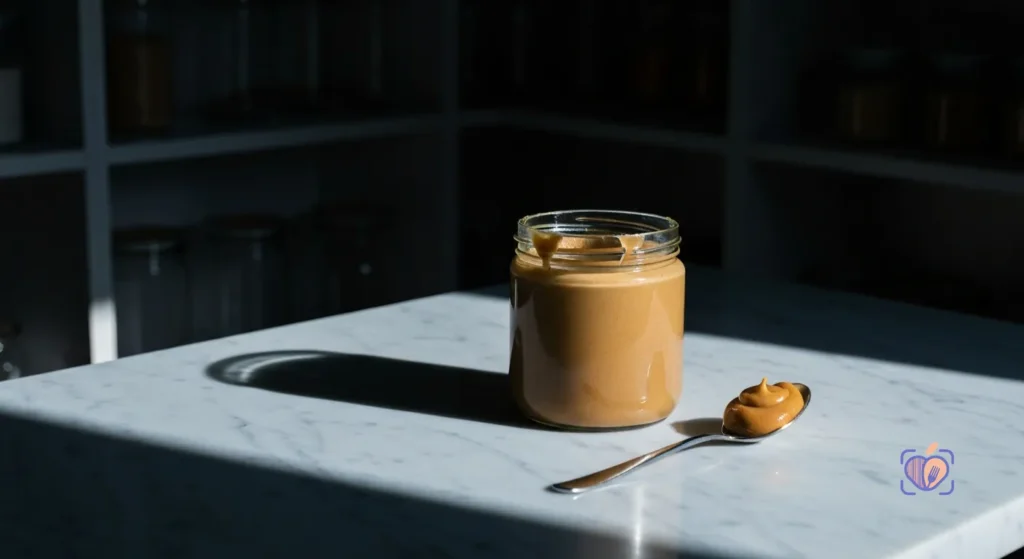
It’s a quiet moment in your kitchen. You’re making a sandwich, and you feel a familiar presence. You look down to see your cat, eyes wide, whiskers twitching, utterly fascinated by the jar of peanut butter. A simple, innocent thought crosses your mind: ‘Can I give them a little taste?’ That moment of uncertainty—the fear of accidentally harming the creature you love—is a heavy weight. You deserve clarity, not confusion. You deserve to know, instantly, what’s safe and what’s a hidden danger. That’s why we created Pet Scan Genius. Before you read another word, stop guessing and start knowing. Download the app, scan everything in your pantry, and get the immediate peace of mind that comes from protecting your family.
Download on the Apple App Store
The Short Answer Is a Hard ‘No’. Here’s Why.
Let’s cut through the noise. While peanut butter itself isn’t technically toxic to cats in the way that chocolate or onions are, it offers zero nutritional value and poses significant health risks that make it a dangerous treat. Cats are obligate carnivores; their digestive systems are finely tuned machines designed to process meat, not high-fat, plant-based legumes. The ASPCA Animal Poison Control Center explicitly warns against feeding pets high-fat foods like peanut butter, which can lead to serious gastrointestinal upset and even pancreatitis, a painful and potentially fatal inflammation of the pancreas. The conversation, however, doesn’t end there. The real danger isn’t just the peanuts; it’s what we add to them.
The Xylitol Menace: A Sweet Poison Hiding in Plain Sight
If there is one ingredient you must be vigilant about, it is xylitol. This sugar substitute is perfectly safe for humans but is an absolute poison for many pets, including cats and especially dogs. It’s increasingly found in ‘sugar-free’ or ‘natural’ peanut butter brands to appeal to health-conscious consumers.
What is Xylitol?
Xylitol is a sugar alcohol used as a low-calorie sweetener. When ingested by a cat, it is absorbed into the bloodstream with terrifying speed, triggering a massive release of insulin from the pancreas. This catastrophic insulin surge causes a sudden, severe drop in blood sugar (hypoglycemia).
Symptoms of Xylitol Poisoning:
The onset of symptoms can be shockingly fast, sometimes within 15-30 minutes of ingestion. You must be able to recognize them immediately:
- Vomiting: Often the first sign.
- Weakness and Lethargy: Your cat may seem unusually tired or unable to stand.
- Stumbling or Lack of Coordination (Ataxia): They may walk as if they are drunk.
- Tremors and Seizures: A sign of severe neurological impact.
- Collapse and Coma: In the most severe cases.
Even a tiny amount of xylitol can be fatal. In higher doses, it can lead to acute liver failure, a devastating and often irreversible condition. If you suspect your cat has ingested any product containing xylitol, this is a life-or-death medical emergency. Do not wait for symptoms to appear. Contact your veterinarian or an emergency pet hospital immediately. The brand names that use xylitol are constantly changing, making it a moving target for even the most diligent pet owner. It’s a risk you simply cannot afford to take by ‘eyeballing’ a label.
Beyond Xylitol: The Hidden Risks in “Safe” Peanut Butter
Even if you’ve found a peanut butter brand that is 100% free of xylitol, the dangers are far from over. The fundamental composition of peanut butter is at odds with your cat’s biology.
1. High Fat Content and Pancreatitis:
Peanut butter is incredibly dense in fat. A cat’s digestive system is not equipped to handle this kind of fat load. A spoonful of peanut butter for a 10-pound cat is calorically equivalent to a human eating an entire hamburger. This high-fat content can easily trigger vomiting and diarrhea. More dangerously, it can lead to pancreatitis. This condition is excruciatingly painful and causes the pancreas to essentially begin digesting itself. Treatment is intensive, expensive, and not always successful.
2. Excessive Salt and Sodium Ion Poisoning:
Most commercial peanut butters are loaded with salt to improve their taste for humans. Cats have a very low tolerance for sodium. Excessive salt intake can lead to sodium ion poisoning, which manifests as vomiting, diarrhea, tremors, high body temperature, seizures, and can be fatal.
3. Aflatoxins: The Invisible Mold:
Peanuts, as a crop, are susceptible to contamination by a type of mold called Aspergillus. This mold produces a group of toxins known as aflatoxins, which are potent carcinogens and can cause severe liver damage. While reputable peanut butter brands for human consumption are tested for aflatoxin levels, the standards can vary, and cheaper or improperly stored products pose a higher risk. A cat’s smaller body and sensitive liver are far more vulnerable to the toxic effects of even low levels of these compounds over time.
4. Choking Hazard:
The thick, sticky consistency of peanut butter presents a very real choking hazard, especially for smaller cats or kittens. It can easily become lodged in their throat or glued to the roof of their mouth, causing panic and airway obstruction.
Feline Allergic Reactions: Recognizing the Warning Signs
Just like humans, cats can have food allergies, and peanuts are a known allergen. An allergic reaction can range from mild discomfort to a life-threatening emergency. It’s critical to know what to look for after any new food exposure, especially something as foreign to their diet as peanut butter.
Mild to Moderate Symptoms:
* Skin Irritation: Intense itching, scratching, or chewing at their skin, particularly around the face, paws, and ears. You might see red patches, rashes, or even hair loss in these areas.
* Gastrointestinal Upset: Vomiting or diarrhea that occurs within a few hours of ingestion.
* Ear Infections: Chronic or recurring ear inflammation can be a sign of an underlying food allergy.
* Facial Swelling: Minor swelling around the eyes, lips, or muzzle.
Severe Symptoms (Anaphylaxis – A Medical Emergency):
Anaphylaxis is a severe, rapid-onset allergic reaction that can be fatal if not treated immediately. The signs are unmistakable and terrifying:
- Difficulty Breathing: Wheezing, coughing, or labored breaths.
- Sudden Collapse: Loss of consciousness.
- Pale Gums: A sign of poor circulation.
- Vomiting and/or Diarrhea: Severe and sudden onset.
- Hives: Raised welts on the skin.
If you observe any signs of a severe allergic reaction, get your cat to an emergency veterinarian immediately. Do not wait. This is not something that will resolve on its own.
The Long-Term Consequences: A Spoonful of Trouble Over Time
Perhaps the most insidious danger of feeding your cat peanut butter isn’t the immediate, dramatic reaction, but the slow, cumulative damage. Thinking of it as a ‘sometimes treat’ is a dangerous miscalculation.
Obesity and Diabetes:
Cats are prone to obesity, and the calorie-dense nature of peanut butter is a fast track to unhealthy weight gain. A single spoonful can represent a significant portion of their daily caloric needs. Obesity in cats is not a cosmetic issue; it is a disease that dramatically increases their risk of developing diabetes, arthritis, heart disease, and liver disease (hepatic lipidosis). It puts immense strain on their joints and internal organs, shortening their lifespan and reducing their quality of life.
Digestive and Metabolic Stress:
Consistently feeding a cat a food it cannot properly digest puts chronic stress on its entire system. The pancreas, liver, and kidneys are forced to work overtime to process the unnatural fats, proteins, and carbohydrates. Over months and years, this can contribute to chronic inflammation, irritable bowel syndrome (IBS), and a decline in organ function. You won’t see the damage from one spoonful, but the habit creates a debt that your cat’s health will eventually have to pay.
The Label is Designed to Confuse You. That’s Where We Come In.
Why is this so complicated? Because the pet food industry thrives on your confusion. They use marketing terms like ‘natural,’ ‘holistic,’ and ‘premium’ while hiding dangerous fillers, toxic preservatives, and species-inappropriate ingredients behind chemical names and vague descriptions. They count on you being too busy or too overwhelmed to decipher the truth. That’s why we built Pet Scan Genius. Our mobile app is your translator and your bodyguard. It’s designed to cut through the marketing lies and give you a simple, instant verdict on over 500,000 pet foods and treats. Just point your phone’s camera at the barcode, and our algorithm instantly analyzes the label for toxic additives, known allergens, and harmful ingredients specifically for your cat or dog.
The Hidden Dangers in Their Everyday Food
It’s not just about peanut butter. The threat is likely already in their food bowl. Here are just a few of the hidden traps our app helps you identify:
- Propylene Glycol: A toxic compound (related to antifreeze) used to keep semi-moist kibble soft. It’s banned in cat food in many places but can still be found.
- BHA/BHT: Chemical preservatives linked to organ damage and cancer.
- Artificial Colors (Red 40, Blue 2, Yellow 5 & 6): These serve no nutritional purpose and are linked to allergic reactions and hyperactivity. Your cat doesn’t care what color its food is.
- ‘Meat By-Products’: A catch-all term that can include indigestible parts like feathers, hooves, and diseased tissue. You have no way of knowing the quality.
- Carrageenan: A seaweed extract used as a thickener in wet food that is linked to severe gastrointestinal inflammation and cancer.
Don’t Wait For a Scare. Create Certainty Now.
That moment of fear you felt, wondering if the peanut butter was safe? You never have to feel that again. You can replace that anxiety with the confidence of knowing you are giving your pet the absolute best. You can be the hero who protects them from the hidden dangers they can’t see for themselves.
Download Pet Scan Genius from the app store right now. Walk to your cabinet, pick up your cat’s food, their treats, and that jar of peanut butter. Scan them all. In less than a minute, you will have the truth. You will have the power to make the safest choice. That power is the greatest gift you can give the pet who gives you their unconditional love every single day.
Download on the Apple App Store
Frequently Asked Questions
Is xylitol-free natural peanut butter safe for cats?
Even if it’s xylitol-free, natural peanut butter is not safe for cats. It is extremely high in fat, which can cause severe gastrointestinal distress and lead to a painful, life-threatening condition called pancreatitis. It’s also a choking hazard due to its thick consistency and offers no nutritional benefits for an obligate carnivore’s diet. The risks far outweigh any perceived benefit of giving it as a treat.
What are the symptoms of a feline allergic reaction to peanut butter?
Symptoms can range from mild to severe. Milder signs include skin issues like intense itching, rashes, or hot spots, as well as digestive upset like vomiting or diarrhea. A severe, life-threatening reaction (anaphylaxis) involves difficulty breathing, sudden collapse, pale gums, and facial swelling. If you notice any of these severe signs, it is a medical emergency requiring immediate veterinary attention.
Can a cat eating peanut butter cause an allergic reaction in humans?
Yes, this is a serious and often overlooked risk. If someone in your household has a severe peanut allergy, a cat that has eaten peanut butter can trigger a reaction in that person. The allergenic proteins can be present in the cat’s saliva and then transferred to their fur when they groom. When the allergic person pets the cat or comes into contact with that saliva, they can experience a reaction, which could be severe.
Are there any nutritional benefits to cats eating organic peanut butter?
No, there are absolutely no nutritional benefits for a cat. Cats are obligate carnivores, meaning their bodies are designed to derive all their necessary nutrients from meat. Organic peanut butter is still a high-fat, high-calorie, plant-based food that is difficult for them to digest. It lacks the essential amino acids, like taurine, that cats require to survive. Feeding them peanut butter displaces calories that should be coming from a species-appropriate diet, potentially leading to nutritional deficiencies and obesity over time.