
Food Scan Genius

Dino Buddies & Hidden Dangers: The Parent’s Guide to Safe Snacking

Dino Buddies & Hidden Dangers: The Parent’s Guide to Safe Snacking

It’s a familiar scene. The fluorescent lights of the grocery store aisle hum above you. In your cart, you have the essentials. In your mind, you have a list of forbidden ingredients longer than your arm. Your child, a beacon of picky-eater defiance, has finally agreed on a food they’ll actually eat: the fun, nostalgic, dinosaur-shaped chicken nugget. The box of Dino Buddies beckons, a promise of a peaceful dinner. But for you, it’s not a promise. It’s a question. A risk. A moment of intense scrutiny. You pick up the box. Your eyes scan the ingredient list, a dense block of text that feels more like a legal document than a description of food. You’re not just reading words; you’re hunting for threats. Wheat, soy, milk, eggs, corn… the list goes on. You see “natural flavors” and a cold dread creeps in. What does that even mean? Is it safe? You’ve been burned before. A single oversight, a hidden derivative, a shared production line—it’s all it takes to turn a happy meal into a trip to the emergency room. This isn’t just about picky eating. This is about safety. It’s about the profound responsibility of protecting someone you love from a world that isn’t designed for them. Food allergies are not a lifestyle choice; they are a serious medical condition. The anxiety is real, and it is relentless. According to leading experts at Food Allergy Research & Education (FARE), researchers estimate that up to 33 million Americans have food allergies, including about 1 in 13 children. That’s roughly two in every classroom. This isn’t a niche problem; it’s a national health issue, and you are on the front lines, every single day, with every single meal. We understand that feeling. We built Food Scan Genius because we believe you deserve clarity. You deserve confidence. You deserve to turn that moment of fear in the grocery aisle into a moment of certainty. This guide is for you. We’re going to deconstruct the Dino Buddy, piece by piece, and show you exactly what to look for, where the dangers hide, and how you can finally take back control. Table of Contents Toggle The Anatomy of a Nugget: Deconstructing the Dino Buddies Label The Breading & Coating Conundrum: More Than Just Flour The “Chicken” Itself: Fillers, Binders, and Broths The Seasoning & Flavoring Minefield The Frying Oil & Cross-Contamination Factor The Science of Deception: Understanding Cross-Reactivity The Danger Dossier: Where Allergens Hide Your Moment of Clarity: Stop Guessing. Start Knowing. Frequently Asked Questions Are Yummy Dino Buddies gluten-free and safe for celiacs? Do Dino Buddies contain hidden dairy or soy allergens? What is the risk of cross-contamination with frozen chicken nuggets like Dino Buddies? Can an app really identify all potential allergens in processed foods like Dino Buddies? The Anatomy of a Nugget: Deconstructing the Dino Buddies Label Processed foods are complex ecosystems of ingredients, additives, and manufacturing processes. A simple-looking chicken nugget can be a minefield of potential allergens. To truly understand the risk, we can’t just glance at the label; we have to dissect it with the precision of a surgeon. Let’s break down the four key areas where allergens hide in products like Dino Buddies. The Breading & Coating Conundrum: More Than Just Flour The crispy, golden-brown exterior is what makes a nugget a nugget. It’s also the first and most obvious source of common allergens. The complexity here goes far beyond a simple “contains wheat” warning. The Primary Flour: Traditionally, this is bleached wheat flour, an immediate red flag for anyone with celiac disease or a wheat allergy. But manufacturers are getting clever. They might use a blend of flours. You could see rice flour or tapioca starch, which sounds safe, but they are often blended with corn flour or corn starch. A corn allergy, while less common, is still a serious concern for many families. The label might say “gluten-free,” but that doesn’t automatically mean it’s free from other grains you might be avoiding. Leavening Agents & Starches: Look deeper in the breading ingredients for things like “modified food starch.” This is a notorious ghost ingredient. While in the United States it must be declared if it’s from wheat, it can still be derived from corn, potato, or tapioca. If you have multiple sensitivities, this term is a massive question mark. Leavening agents like sodium aluminum phosphate or monocalcium phosphate are generally safe, but they are part of a complex chemical mixture that makes up the final product. The Buttermilk Myth: Some coatings get their adhesion and flavor from a wash before breading. This can be a simple water or egg wash, but sometimes it’s buttermilk or a whey protein solution. This introduces a significant dairy allergen that isn’t immediately obvious. You might scan for “milk” and miss “buttermilk powder” or “whey protein concentrate” buried deep in the sub-ingredient list for the coating. The “Chicken” Itself: Fillers, Binders, and Broths You assume the inside is just chicken, but in many processed nuggets, it’s rarely that simple. The chicken is often ground and mixed with a variety of other ingredients to improve texture, lower costs, and extend shelf life. Binders and Fillers: To hold the ground chicken together in that perfect T-Rex shape, manufacturers use binders. The most common binder is egg, usually listed as “egg whites” or “dried egg.” For those with an egg allergy, this makes the product an absolute non-starter. Another incredibly common filler is soy, in the form of “soy protein concentrate,” “isolated soy protein,” or “textured soy flour.” It adds bulk and protein but is one of the top allergens in the world. It can be devastating for a parent to buy a “chicken” product only to realize it’s a primary trigger for their child’s soy allergy. Injected Broths and Solutions: To keep the nuggets juicy, they are often “enhanced” or injected with a solution. This is a major hidden danger zone. This broth can contain a multitude of allergens. It’s often

Dino Buddies & Hidden Dangers: The Parent’s Guide to Safe Snacking Read Post »
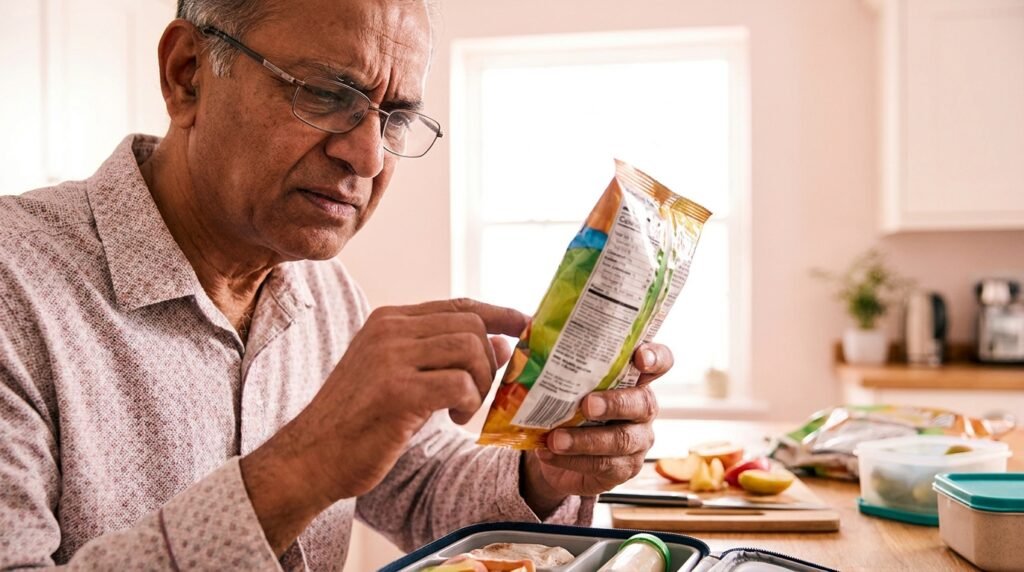
The Hidden Dangers in Takis Nutrition Labels: A Life-Saving Guide for Families with Food Allergies

The Hidden Dangers in Takis Nutrition Labels: A Life-Saving Guide for Families with Food Allergies

You’re standing in the snack aisle. The vibrant purple bag calls to you—or more likely, to your child who’s begging for it. It’s Takis. You pick it up, your heart doing a familiar little dance of anxiety. You turn it over, your eyes scanning that block of tiny text: the nutrition label. For you, this isn’t a casual glance at calories or fat. This is a high-stakes investigation. You’re not just a consumer; you’re a protector, a detective searching for clues that could mean the difference between a fun snack and a terrifying trip to the emergency room. This feeling—the knot in your stomach as you decipher terms like “natural flavors” or read a vague “may contain” warning—is a reality for millions. Managing a food allergy, sensitivity, or a strict dietary regimen isn’t a lifestyle choice; it’s a constant, demanding state of vigilance. The medical community recognizes the gravity of this. Leading authorities like FARE (Food Allergy Research & Education) emphasize that even trace amounts of an allergen can trigger anaphylaxis, a severe, life-threatening reaction. That tiny print on the back of the bag holds immense power, and we believe you deserve to understand every single word of it. Let’s turn that label over together and expose what’s really hiding in plain sight. Table of Contents Toggle The Truth Behind the Label: A Granular Analysis of Takis Ingredients Deconstructing the “Spices” & “Natural and Artificial Flavor” on Takis Labels The Sodium Overload: Beyond the Numbers on the Takis Label Unpacking the Food Dyes: Red 40 Lake, Yellow 6 Lake, and Blue 1 Lake Hidden Gluten & Dairy Cross-Contamination Risks in Takis Production The Science of Cross-Reactivity: When Your Body Gets Confused The Dangers Beyond the Bag: Where Takis Ingredients Hide Your Pocket Detective for Every Label Frequently Asked Questions The Truth Behind the Label: A Granular Analysis of Takis Ingredients Reading a nutrition label, especially for a complexly formulated snack like Takis, is like reading a legal document where the fine print can have serious physical consequences. It’s not enough to just scan for the obvious culprits like peanuts or milk. The danger often lies in the ambiguous, the aggregated, and the processed. We will deconstruct the Takis label into its most critical components, shining a light on the specific risks each one presents. Deconstructing the “Spices” & “Natural and Artificial Flavor” on Takis Labels This is perhaps the most frustrating section of any ingredient list for a diet-conscious individual. U.S. FDA regulations allow companies to group dozens of ingredients under vague umbrella terms like “spices” or “natural flavors.” For Takis, this ambiguity is a significant red flag. Within this mysterious blend could be hidden sources of gluten, soy, or other allergens. A primary concern is Monosodium Glutamate (MSG) and other free glutamates, which are often disguised. While MSG is GRAS (Generally Recognized As Safe) by the FDA, a subset of the population reports sensitivity reactions, including headaches, flushing, and sweating. Ingredients like “yeast extract,” “hydrolyzed soy protein,” and even “natural flavor” itself can contain MSG or create it during processing. For someone actively avoiding glutamates, the Takis label offers no real assurance of safety. The “spices” could also include ingredients from the mustard family or sesame, which are among the most common spice allergens, yet they don’t have to be individually declared unless they are part of a specific FDA-mandated disclosure. The Sodium Overload: Beyond the Numbers on the Takis Label A quick glance at the Takis nutrition label reveals a staggering sodium content. A single serving (about 12 chips) of Takis Fuego contains around 410mg of sodium, which is roughly 18% of the recommended daily value. But who eats just 12 chips? A small bag often contains 3-4 servings, meaning you could consume over 1,200mg of sodium—more than half the recommended daily limit—in one sitting. For individuals on sodium-restricted diets for managing hypertension (high blood pressure), kidney disease, or heart conditions, this is a dangerous gamble. The label uses terms like “Salt” and “Sodium Diacetate.” The latter is a form of sodium used as a seasoning and preservative, contributing further to the overall load. This isn’t just about long-term health; for some, a sudden, massive influx of sodium can cause immediate issues like water retention, bloating, and dangerous spikes in blood pressure. The label tells you the number, but it doesn’t tell you the story of the physiological stress that number can place on your body. Unpacking the Food Dyes: Red 40 Lake, Yellow 6 Lake, and Blue 1 Lake The intense, almost unnatural color of Takis is a key part of its appeal, and it’s achieved through a cocktail of artificial food dyes, specifically “lake” dyes. What does “lake” mean? It means the dye is made by combining the dye with a metallic salt, like aluminum hydroxide, to make it insoluble. This is done to make the color stable and prevent it from bleeding. The primary dye in most Takis varieties is Red 40 Lake. While approved by the FDA, synthetic food dyes are a source of intense debate and concern, particularly for parents. Some studies have suggested a link between the consumption of artificial food dyes and an increase in hyperactivity and behavioral issues in children with ADHD. For individuals with sensitivities, these dyes can be a trigger for reactions ranging from skin rashes to digestive distress. The presence of multiple dyes (Red 40, Yellow 6, Blue 1) creates a chemical mixture whose combined long-term effects are not well-studied, forcing consumers to bear the burden of that uncertainty. Hidden Gluten & Dairy Cross-Contamination Risks in Takis Production This is the invisible threat that the ingredient list will never fully reveal. The main ingredient in Takis is corn masa flour, which is naturally gluten-free. However, Takis are not certified gluten-free. Why? The answer is cross-contamination. They are produced in facilities that also process wheat. The warning “May contain… wheat” is a voluntary statement and its absence doesn’t guarantee safety. For someone with Celiac disease, even microscopic

The Hidden Dangers in Takis Nutrition Labels: A Life-Saving Guide for Families with Food Allergies Read Post »

Can I Have Another? A Definitive Guide to the Alcohol Percentage in Corona Beer

Can I Have Another? A Definitive Guide to the Alcohol Percentage in Corona Beer

It’s a simple question, but it’s never just about a number. You’re standing there, the iconic clear bottle glistening with condensation, a lime wedge patiently waiting. The sun is warm, the conversation is flowing, and you’re thinking about the next one. But a deeper question surfaces, a flicker of responsibility, of self-awareness. What am I really putting into my body? This isn’t about judgment. It’s about control. It’s about making an informed choice that aligns with your health, your goals, and your peace of mind. Whether you’re meticulously tracking calories for a fitness regimen, managing a health condition, or simply practicing mindful consumption, knowing the precise alcohol percentage in your beer is the first, most critical step. It’s the line between a relaxing afternoon and a decision you might regret. We understand this impulse for clarity because it’s at the core of everything we do. The desire for knowledge is a fundamental human need, especially when it concerns our health. The medical community agrees that understanding alcohol content is vital for responsible consumption and managing health outcomes. As stated by medical experts at the Mayo Clinic, alcohol contributes significant calories and can impact a wide range of health conditions, making knowledge of its concentration—the ABV—a non-negotiable piece of data for any health-conscious individual. You deserve a clear answer, and we’re here to provide it. Table of Contents Toggle The Anatomy of a Corona: A Granular Breakdown of ABV Corona Extra: The Flagship’s Precise ABV Corona Light: Unpacking the “Light” Label Corona Premier & Familiar: The Extended Family of Variations Corona Sunbrew & Non-Alcoholic (0.0%): The Sober-Curious Choice The Science of Sensitivity: It’s Not Just About the Alcohol Hidden Dangers: The Traps Beyond the Label Your Pocket Nutritionist Is Waiting Frequently Asked Questions The Anatomy of a Corona: A Granular Breakdown of ABV Corona isn’t a single entity; it’s a family of products, each with a distinct profile and, most importantly, a different alcohol by volume (ABV). Assuming they’re all the same is a common mistake that can derail your dietary and health goals. Let’s deconstruct each one so you can make your choice with confidence. Corona Extra: The Flagship’s Precise ABV This is the beer that started it all, the one synonymous with beach vacations and summer days. Corona Extra is the global benchmark, and its alcohol content is a finely tuned constant. The official Alcohol By Volume (ABV) for a standard 12 oz (355 ml) bottle of Corona Extra is 4.6%. But what does 4.6% ABV truly mean? In the United States, a “standard drink” contains roughly 14 grams of pure alcohol. A 12 oz bottle of Corona Extra, at 4.6% ABV, contains approximately 13.9 grams of alcohol, placing it squarely in the definition of one standard drink. The Risk of Miscalculation: The danger here is perception. Because of its light, crisp taste, many perceive Corona Extra as a “lighter” beer in terms of alcohol. It’s easy to consume several in a social setting, thinking they are less potent than they are. Three Corona Extras is metabolically equivalent to three standard drinks, a quantity that can easily exceed daily moderate drinking guidelines and significantly impact your caloric intake and blood alcohol concentration. Caloric Impact: The alcohol itself contributes calories, alongside the carbohydrates from the brewing process. A 12 oz Corona Extra contains approximately 148 calories. If you’re on a 2,000-calorie diet, three of these beers represent over 22% of your daily caloric budget, a fact many drinkers overlook. Corona Light: Unpacking the “Light” Label The term “light beer” can be misleading. Many assume it refers primarily to a lower alcohol content, but it’s more often about calories and carbohydrates. This is a crucial distinction for anyone managing their diet. The official ABV for a standard 12 oz (355 ml) bottle of Corona Light is 4.0%. While this is indeed lower than Corona Extra, the difference is only 0.6%. This is not a dramatic reduction in alcohol. A Corona Light contains about 12.1 grams of pure alcohol, still very close to a U.S. standard drink. The primary difference lies elsewhere. The Real “Lightness”: Corona Light shines in its caloric and carbohydrate reduction. It contains approximately 99 calories and 5 grams of carbohydrates, compared to Extra’s 148 calories and 13 grams of carbs. For someone on a low-carb or keto-adjacent diet, or simply watching their weight, this is a significant advantage. The Risk of Overcompensation: The psychological trap of a “light” label is powerful. Drinkers may feel justified in consuming more Corona Lights than they would Corona Extras, believing the impact is negligible. However, four Corona Lights (48.4 grams of alcohol) contains more pure alcohol than three Corona Extras (41.7 grams of alcohol). You could easily erase the caloric deficit and consume more alcohol than intended under the illusion of making a “healthier” choice. Corona Premier & Familiar: The Extended Family of Variations Corona has expanded its lineup to cater to specific consumer demands, particularly the growing market for low-carbohydrate options and traditional packaging. Corona Premier has an ABV of 4.0%, identical to Corona Light. Its key differentiator is being even lower in carbs and calories. At just 2.6 grams of carbohydrates and 90 calories, it is Corona’s direct answer to ultra-light beers like Michelob Ultra. The risk here is the same as with Corona Light—the temptation to over-consume based on the attractive nutritional panel, while ignoring that it still contains a full 4.0% alcohol. Corona Familiar, typically sold in a larger 32 oz brown bottle, has a slightly higher ABV of 4.8%. This variation is marketed as a more traditional, full-bodied version of Corona. The primary risk with Familiar is one of serving size. A consumer might mentally equate “one bottle” of Familiar with “one bottle” of Extra, failing to account for the fact that it contains nearly three times the volume and a higher alcohol concentration. A single bottle of Familiar is not one drink; it’s nearly three standard drinks, a critical fact for anyone monitoring their intake.

Can I Have Another? A Definitive Guide to the Alcohol Percentage in Corona Beer Read Post »

The Last Gluten-Free Cornbread Recipe You’ll Ever Need (Moist, Tender & Foolproof)

The Last Gluten-Free Cornbread Recipe You’ll Ever Need (Moist, Tender & Foolproof)

There’s a memory tied to cornbread. It’s the smell of it baking, the golden crust, the steam that rises when you break a piece apart. It’s the feeling of comfort, of home. But for so many of us, that feeling has been replaced by disappointment. The gritty texture. The dry, crumbly mess that falls apart before it reaches your mouth. The faint, nagging fear that a simple comfort food could cause days of pain, inflammation, and sickness. We understand that frustration. We see it every day. This isn’t just about baking; it’s about reclaiming a piece of your life that a dietary restriction tried to take away. For individuals with celiac disease or severe gluten intolerance, this isn’t a lifestyle choice; it’s a medical necessity. The reaction to gluten can be severe and debilitating. As the experts at the Mayo Clinic explain, celiac disease is an immune reaction to eating gluten, a protein found in wheat, barley, and rye, which over time damages the small intestine’s lining and prevents it from absorbing some nutrients. This isn’t just about a stomach ache. It’s about your long-term health. That’s why getting it right matters so much. That’s why we’ve obsessed over creating not just a recipe, but a definitive guide to the perfect, foolproof, and truly safe gluten-free cornbread. This is where the anxiety ends and the enjoyment begins. Table of Contents Toggle The Anatomy of Perfect Gluten-Free Cornbread The Foundation: Choosing the Right Gluten-Free Flour & Cornmeal The Moisture Secret: Mastering Fats, Binders, and Acidity The Flavor Profile: Sweet vs. Savory & The Art of Balance The Perfect Bake: Pan Choice, Temperature, and Critical Technique The Ultimate Foolproof Gluten-Free Cornbread Recipe Ingredients: Instructions: The Hidden Danger: Understanding Corn Cross-Reactivity Where Gluten Hides: Beyond the Obvious Frequently Asked Questions The Anatomy of Perfect Gluten-Free Cornbread Making great gluten-free cornbread isn’t about finding a single magic ingredient. It’s about understanding the science behind what makes traditional cornbread work and then intelligently rebuilding it, piece by piece, without compromise. We’ve broken it down into four critical pillars. Master these, and you’ll never have a disappointing bite again. The Foundation: Choosing the Right Gluten-Free Flour & Cornmeal This is the single most common point of failure. You cannot simply substitute a generic “all-purpose” gluten-free flour and expect success. The structure is all wrong. Gluten provides elasticity and structure; without it, you need a carefully constructed team of flours to replicate its effect. The risk here is a cornbread that is either dense and gummy or so brittle it disintegrates on contact. The Cornmeal is King: The star of the show must be chosen carefully. Look for a brand that is explicitly labeled “gluten-free.” Why? Corn is naturally gluten-free, but it is very frequently processed in mills that also process wheat, leading to dangerous cross-contamination. For texture, a medium-grind yellow cornmeal provides the perfect balance of classic texture and structure without being overly gritty. The Supporting Flour Blend: A high-quality gluten-free all-purpose flour that contains xanthan gum is your best friend. But let’s look under the hood. A good blend will typically contain a mix of white or brown rice flour (for structure), potato starch (for a soft crumb), and tapioca flour (for a bit of chew and browning). The xanthan gum is non-negotiable; it’s the binder that mimics gluten’s role, holding everything together and preventing that dreaded crumble. The Risk of ‘Just Corn’: Using only cornmeal and no supporting flours will result in a heavy, dense, and often dry product. The starches in the supporting blend are crucial for retaining moisture and creating a lighter, more pleasant texture. The Moisture Secret: Mastering Fats, Binders, and Acidity Gluten-free flours, especially those based on rice, are notoriously thirsty. They absorb more liquid than their wheat-based counterparts. If you use a traditional recipe’s liquid ratios, you’re guaranteeing a dry, sandy result. The risk is creating a cornbread that’s more like a brick than a baked good. The Power of Buttermilk: Real, full-fat buttermilk is our non-negotiable secret weapon. It does two things. First, its high-fat content adds richness and moisture that water or regular milk simply can’t. Second, its acidity reacts with the baking soda, creating a powerful leavening effect that produces a lighter, more tender crumb. This chemical reaction is critical for lift in the absence of gluten’s structure. Fat is Your Friend: We use both melted butter and a neutral oil (like canola or avocado). Butter provides that rich, classic flavor that is non-negotiable for cornbread. The oil, however, is a moisture powerhouse. Because it’s a pure liquid fat at room temperature, it coats the flour particles more effectively than butter, resulting in a bread that stays moister for longer. Using both gives you the best of both worlds: flavor and a tender, lasting crumb. The Essential Egg: The egg is more than just a liquid. It’s a crucial binder and leavener. The proteins in the egg coagulate during baking, providing essential structure that helps hold the cornbread together. The fat in the yolk adds even more richness and tenderness. Don’t even think about skipping it unless you’re using a specific vegan substitute (which we’ll cover in the FAQ). The Flavor Profile: Sweet vs. Savory & The Art of Balance Cornbread is a deeply personal and regional thing. Some demand it be savory, a rustic accompaniment to chili or stew. Others crave a sweeter, more cake-like version that’s a treat on its own. The risk is an unbalanced flavor profile—either bland and forgettable or cloyingly sweet. Northern vs. Southern Style: Our recipe strikes a perfect balance, leaning slightly towards the sweeter, more tender Northern style, as it’s generally more forgiving and palatable in its gluten-free form. We use a combination of granulated sugar and a touch of honey or maple syrup. The sugar provides clean sweetness, while the liquid sweetener (honey/maple syrup) adds a subtle flavor complexity and, crucially, more moisture. Don’t Forget the Salt: Salt is a flavor enhancer. In baking, it’s not just

The Last Gluten-Free Cornbread Recipe You’ll Ever Need (Moist, Tender & Foolproof) Read Post »

Is Sonic’s Diet Cherry Limeade Safe? A Deep Dive for Your Diet

Is Sonic’s Diet Cherry Limeade Safe? A Deep Dive for Your Diet

You’re in the car. The sun is blazing, the craving hits, and that iconic red and blue sign is a welcome sight. The thought of an ice-cold, bubbly, sweet-and-tart Diet Cherry Limeade from Sonic is almost overwhelming. It’s a simple pleasure, a moment of relief in a busy day. But for you, it’s never that simple, is it? For you, that simple pleasure is preceded by a familiar mental checklist of anxieties. What sweeteners do they use? Will it trigger a migraine? Do they use Red 40? Is the person making it using a clean scoop? Can I trust the fountain machine? This isn’t just about counting calories. This is about managing a serious health condition, a severe allergy, a sensitivity that can ruin your day, or a strict dietary protocol that is non-negotiable. The world sees a refreshing drink; you see a minefield of potential ingredients that could cause inflammation, an allergic reaction, or throw your body completely out of balance. This anxiety is real and justified. Living with food allergies or dietary restrictions is a constant, invisible burden. According to Food Allergy Research & Education (FARE), a leading authority on food allergy safety, even trace amounts of an allergen can trigger a severe, life-threatening reaction known as anaphylaxis. It’s a stark reminder that for 33 million Americans, vigilance isn’t a choice—it’s a survival skill. We understand this deeply. That momentary craving for a Diet Cherry Limeade isn’t just about thirst; it’s about a desire for normalcy. A desire to enjoy something simple without launching a full-scale investigation. Let’s conduct that investigation for you, right now. We’re going to deconstruct this iconic drink, ingredient by ingredient, so you can make an informed, confident decision. Table of Contents Toggle Unmasking the Ingredients: A Line-by-Line Analysis The “Diet” Deception: Unpacking Sucralose and Acesulfame Potassium The “Cherry” Color Conundrum: The Truth About Red 40 The “Limeade” Acidity & Preservation: Citric Acid and Sodium Benzoate The Unseen Danger: Cross-Contamination in a Fast-Food World The Cross-Reactivity Web: Why One Sensitivity Can Signal Others The Minefield: Hidden Sources and Unexpected Dangers Stop Guessing. Start Knowing. Frequently Asked Questions Unmasking the Ingredients: A Line-by-Line Analysis A seemingly straightforward drink like the Diet Cherry Limeade is a complex chemical concoction. Its ingredient list is a roster of artificial sweeteners, preservatives, and coloring agents that all carry their own set of considerations. Let’s move beyond the marketing and look at the science. The “Diet” Deception: Unpacking Sucralose and Acesulfame Potassium The moment you see the word “diet,” your first question should be, “What are they using instead of sugar?” In the case of the Sonic Diet Cherry Limeade, the sweetness comes from a duo of zero-calorie artificial sweeteners: Sucralose (often marketed as Splenda) and Acesulfame Potassium (also known as Ace-K). Sucralose: This sweetener is created by chlorinating sucrose (table sugar). While the FDA deems it safe for general consumption, it’s not without controversy and concern. Some studies have suggested it can alter the gut microbiome, the delicate balance of bacteria essential for digestion and immune function. For individuals with inflammatory bowel disease (IBD) or a sensitive digestive system, disrupting this microbiome can potentially exacerbate symptoms. Furthermore, a segment of the population reports that sucralose and other artificial sweeteners can be a significant trigger for migraines and headaches. This isn’t just an inconvenience; for a chronic migraine sufferer, it’s a debilitating risk. Acesulfame Potassium (Ace-K): Often used in tandem with other sweeteners like sucralose to create a more sugar-like taste and mask any aftertaste, Ace-K is another FDA-approved sweetener. Concerns surrounding Ace-K often stem from long-term studies and its metabolic pathway. It’s not broken down by the body and is excreted unchanged. While this is why it’s zero-calorie, questions remain about the long-term effects of consuming a substance the body cannot process. For those on a ketogenic diet, while technically zero-carb, some individuals find that artificial sweeteners can still provoke an insulin response or increase sugar cravings, potentially stalling progress. The Risk: For the dieter, the risk is a potential disruption of gut health. For the migraine-prone, it’s a game of Russian roulette. For the clean-eating advocate, it’s an unwelcome synthetic compound. For the keto dieter, it could be a hidden saboteur of ketosis. The “Cherry” Color Conundrum: The Truth About Red 40 The vibrant, almost electric red of a Cherry Limeade isn’t from cherries. It’s from Allura Red AC, better known as Red 40. This petroleum-derived dye is one of the most widely used food colorings in the United States, and also one of the most contentious. The primary concern revolves around its potential link to hyperactivity and behavioral issues in children. While the science is debated and the FDA maintains its safety at current consumption levels, several studies have suggested a link, leading the European Union to require a warning label on most foods containing it. This label states the food “may have an adverse effect on activity and attention in children.” Beyond behavioral effects, a subset of the population experiences allergic-type reactions to synthetic dyes like Red 40. These can manifest as hives, itching, or swelling. For someone with a mast cell activation disorder (MCAS) or a general sensitivity to synthetic compounds, Red 40 is a major red flag. The Risk: For parents, it’s a concern about their child’s behavior and focus. For individuals with dye sensitivities, it’s a direct threat of a physical reaction. For anyone trying to avoid highly processed, artificial ingredients, Red 40 is a non-starter. It offers zero nutritional value and presents a spectrum of potential, and in our view, unnecessary, risks. The “Limeade” Acidity & Preservation: Citric Acid and Sodium Benzoate The tart, citrusy kick of limeade comes from citric acid, while its shelf-stability is ensured by a preservative, sodium benzoate. Citric Acid: While it sounds natural (and can be derived from citrus fruits), the vast majority of citric acid used in industrial food production is manufactured through the fermentation of a black mold, Aspergillus niger. For most people, this

Is Sonic’s Diet Cherry Limeade Safe? A Deep Dive for Your Diet Read Post »

The Unseen Dangers in Your Snack Bowl: A Deep Dive Into Trader Joe’s Corn Puffs

The Unseen Dangers in Your Snack Bowl: A Deep Dive Into Trader Joe’s Corn Puffs

It’s a familiar scene. You’re standing in the snack aisle at Trader Joe’s, a beacon of unique and seemingly wholesome foods. You pick up the bag of Trader Joe’s Puffed Corn and Cheese Snack. The label seems simple, almost nostalgic. Corn Meal, Sunflower Oil, Cheddar Cheese. What could possibly go wrong? But for millions, this simple moment is fraught with anxiety. It’s a high-stakes negotiation between desire and danger. For the parent of a child with a severe peanut allergy, the question isn’t about taste; it’s about a trip to the emergency room. For the individual with Celiac disease, it’s about days of debilitating pain from a single, hidden crumb of gluten. For someone with a dairy intolerance, it’s about navigating the minefield of whey, casein, and other milk derivatives that hide in plain sight. This isn’t just about reading a label. It’s about reading between the lines. It’s about understanding what the manufacturer doesn’t say. The food industry often presents a clean, simple facade, but behind it lies a complex world of shared equipment, ambiguous ingredients, and voluntary allergen disclosures. The anxiety you feel is not an overreaction; it is a rational response to a genuine and significant risk. Food allergies are a serious medical condition. According to Food Allergy Research & Education (FARE), a leading authority on food allergy safety, an estimated 33 million Americans have food allergies, and reactions can range from mild symptoms like hives to severe, life-threatening anaphylaxis. This is not a lifestyle choice; it is a matter of life and death, and you deserve clarity and confidence in every bite. This guide is not another superficial product review. This is a deep, forensic analysis of Trader Joe’s Corn Puffs, designed for those who cannot afford to be wrong. We will deconstruct every component, expose every potential risk, and empower you with the knowledge to make a truly informed decision. Because in a world of uncertainty, the one thing you should have control over is what you put in your body. Table of Contents Toggle The Anatomy of a ‘Simple’ Snack: A Granular Risk Analysis ### Deconstructing the ‘Corn’: Is It Truly Just Corn? ### The Oil Enigma: Beyond ‘Sunflower and/or Safflower Oil’ ### The Seasoning Conundrum: A Minefield of Hidden Ingredients ### Manufacturing & Facility Risks: The Unseen Danger The Science of Deception: Understanding Cross-Reactivity The Enemy in Plain Sight: Hidden Sources of Contamination Stop Guessing. Start Knowing. Frequently Asked Questions The Anatomy of a ‘Simple’ Snack: A Granular Risk Analysis Let’s move beyond the front of the bag and dissect the potential pitfalls lurking within this seemingly innocuous snack. The ingredient list is the beginning of our investigation, not the end. We must scrutinize the sourcing, processing, and manufacturing environment to uncover the full story. ### Deconstructing the ‘Corn’: Is It Truly Just Corn? The primary ingredient, corn meal, appears straightforward. But the journey of that corn from farm to factory is riddled with opportunities for contamination and compromise, creating risks for those with specific sensitivities. Grain Cross-Contamination at the Source: Corn is often grown in rotation with other crops like wheat, soy, and barley. The same harvesting equipment, transport vehicles, and storage silos are frequently used for multiple grains. For a person with Celiac disease or a severe wheat allergy, trace amounts of gluten from a previous harvest can easily contaminate a batch of corn. A study published in the Journal of Food Protection found that a significant percentage of “naturally gluten-free” grains like corn can be contaminated with gluten above the 20 parts per million (ppm) threshold considered safe for Celiacs. This isn’t a theoretical risk; it’s a documented reality of modern agriculture. The Milling Process: Once at the mill, the corn is ground into meal. If that mill also processes wheat, rye, or barley flour, the risk of airborne cross-contamination is exceptionally high. Fine flour dust can travel throughout a facility and settle on equipment, even after cleaning. Without a dedicated, certified gluten-free mill, a guarantee of purity is nearly impossible. GMO and Pesticide Concerns: While not an allergen-related issue, many diet followers are concerned about genetically modified organisms (GMOs) and pesticide residue like glyphosate. While Trader Joe’s has a policy of sourcing non-GMO ingredients for its private-label products, the intricacies of supply-chain verification mean consumers must place a great deal of trust in the brand’s diligence. For those following strict organic or detox-focused diets, the type of corn and its cultivation methods are critical data points that are rarely disclosed on the packaging. ### The Oil Enigma: Beyond ‘Sunflower and/or Safflower Oil’ The use of “and/or” in an ingredient list is an immediate signal to the vigilant consumer. It indicates variability in the manufacturing process, which introduces uncertainty. While sunflower and safflower oils are not major allergens, the way they are processed and the environment they exist in can be a significant source of risk. Shared Processing Lines: The most pressing concern with cooking oil is the equipment it shares. Are these oils processed, stored, and transported in tankers and on lines that also handle peanut oil, soybean oil, or other nut-based oils? A facility that produces a variety of snacks is likely to use different oils for different products. Without explicit certification, there is a risk that trace proteins from a major allergen like peanuts could be introduced into the sunflower oil used for the corn puffs. Refining and Protein Content: Highly refined oils are generally considered safe for most people with allergies to the source food (e.g., highly refined peanut oil) because the refining process removes the allergenic proteins. However, the term “sunflower oil” doesn’t specify the level of refinement. Less-refined, cold-pressed, or expeller-pressed oils may retain more of the source protein, which could pose a risk to the small number of individuals with a true sunflower or safflower seed allergy. Oxidation and Quality: For those focused on a health-conscious or anti-inflammatory diet, the quality and stability of the oil are paramount. Polyunsaturated fats, like those

The Unseen Dangers in Your Snack Bowl: A Deep Dive Into Trader Joe’s Corn Puffs Read Post »

The Unseen Truth in a McDonald’s Cheeseburger: A Calorie Guide for the Meticulous Eater

The Unseen Truth in a McDonald’s Cheeseburger: A Calorie Guide for the Meticulous Eater

It starts with a simple question, a flicker of curiosity in the back of your mind as you stand at the counter or sit in the drive-thru. “How many calories are in a McDonald’s cheeseburger?” But for you, it’s never just a number. It’s a calculation. It’s a piece of a much larger puzzle you solve every single day. That number represents a decision that affects your energy, your health goals, your peace of mind. For those of us managing a diet, tracking macros, or navigating a health condition, every calorie counts. It’s not about restriction; it’s about control. It’s about having the clarity and confidence to make choices that align with your body’s needs. The constant mental arithmetic, the uncertainty about hidden ingredients, the fear of derailing your progress—it’s a heavy burden to carry for something as seemingly simple as a meal. We see you. We understand that this isn’t just about weight loss or a fleeting diet. For many, meticulous calorie and nutrient tracking is a critical component of managing chronic health conditions. According to the Centers for Disease Control and Prevention (CDC), understanding and managing calorie balance is a fundamental principle for achieving and maintaining a healthy weight, which in turn can significantly impact conditions like heart disease and type 2 diabetes. Your diligence isn’t obsessive; it’s essential. This guide is for you. We’re going to deconstruct the McDonald’s Cheeseburger, not with judgment, but with facts, so you can have the one thing you deserve: certainty. Table of Contents Toggle The Official Count: What McDonald’s Says The Granular Breakdown: Deconstructing the 300 Calories ### The Anatomy of a Cheeseburger: A Calorie-by-Calorie Dissection ### Macronutrient Profile: It’s More Than Just Calories ### How Customization Changes Everything: Taking Control of Your Order ### The Cheeseburger in Context: A Menu-Wide Calorie Comparison The Caloric Ripple Effect: Nutritional Interactivity in Your Body The Hidden Dangers: Where the Real Calorie Traps Are Set Your Pocket Genius for Nutritional Certainty Frequently Asked Questions The Official Count: What McDonald’s Says Let’s establish a baseline. According to McDonald’s official nutritional information, a standard Cheeseburger contains: Calories: 300 kcal Fat: 13g (20% Daily Value) Saturated Fat: 6g (30% Daily Value) Carbohydrates: 33g (11% Daily Value) Protein: 15g (30% Daily Value) Sodium: 750mg (31% Daily Value) At a glance, 300 calories might seem manageable. It’s a neat, tidy number. But as you know, the truth is never that simple. The real story lies in the components, the macronutrient quality, and how this single item interacts with your entire day’s intake. OpenFoodFacts will give you the number, but we’re going to give you the meaning behind it. The Granular Breakdown: Deconstructing the 300 Calories That 300-calorie figure is a composite. To truly understand its impact, we must break it down into its constituent parts. Think of it as an audit of every single ingredient layered between those two buns. Here’s where the hidden calories and nutritional liabilities begin to reveal themselves. ### The Anatomy of a Cheeseburger: A Calorie-by-Calorie Dissection Each component contributes a specific caloric and nutritional load. While McDonald’s doesn’t provide an official breakdown by ingredient, we can use industry data to create a highly accurate estimate. The Regular Bun (~150 calories): The bun is the single largest contributor to the calorie count. Comprised primarily of enriched flour, water, sugar (or high-fructose corn syrup), and yeast, it delivers a significant dose of simple carbohydrates. The risk here is twofold: these refined carbs can cause a rapid spike in blood sugar, and they offer very little in terms of fiber or micronutrients, leading to what are often called “empty calories.” The 100% Beef Patty (~90 calories): The standard beef patty is a major source of protein, which is crucial for satiety and muscle maintenance. However, it’s also a significant source of saturated fat. The risk lies in the quality of the fat and its impact on cardiovascular health when consumed in excess. For a 2,000-calorie diet, the American Heart Association recommends limiting saturated fat to about 13 grams per day. One cheeseburger delivers nearly half of that allowance. The American Cheese Slice (~50 calories): This slice of processed cheese adds creaminess and flavor, but also contributes calories, sodium, and saturated fat. The primary risk of processed cheese is its high sodium content and the presence of emulsifiers and preservatives not found in natural cheese. The Condiments & Toppings (~10 calories): This is the combination of ketchup, mustard, a single pickle slice, and reconstituted dehydrated onions. Individually, their caloric impact is minimal. The ketchup adds a small amount of sugar, and the pickle adds a surprising amount of sodium. The risk here isn’t the calories, but the cumulative effect of the sodium when combined with the patty and cheese. ### Macronutrient Profile: It’s More Than Just Calories Focusing solely on the 300-calorie number is like reading a book’s cover and thinking you know the plot. The story of the cheeseburger is told through its macronutrients, and the balance is revealing. Protein (15g): This is a respectable amount of protein for a 300-calorie item, making up 20% of the total calories. It’s the most satiating macronutrient, which can help you feel fuller for longer. However, the source is tied to significant saturated fat. Fat (13g): Fat accounts for 39% of the total calories. With 6g of that being saturated fat, it’s a calorically dense and potentially inflammatory profile. The risk is that high-fat meals can slow digestion but don’t always provide long-term satiety, especially when paired with simple carbs. Carbohydrates (33g): Carbs make up the largest portion of the calories, at 44%. The vast majority of these are from the refined flour bun. The risk of a high simple-carb intake is the potential for an energy crash after the initial blood sugar spike, which can lead to cravings for more high-carb, high-sugar foods later. Sodium (750mg): This is perhaps the most significant hidden danger. At 31% of the recommended daily value, this single, small sandwich packs a massive

The Unseen Truth in a McDonald’s Cheeseburger: A Calorie Guide for the Meticulous Eater Read Post »

The Hidden Dangers in Bonsai Sparkling Water You Can’t Afford to Ignore

The Hidden Dangers in Bonsai Sparkling Water You Can’t Afford to Ignore

You see it in the cooler case. The can is a masterpiece of minimalist design—clean, promising, sophisticated. Bonsai Sparkling Water. It whispers of wellness, of a simple, pure refreshment. You pick it up, turning it over in your hands. The label reads like a poem: “A delicate infusion of yuzu and elderflower, with a hint of natural sweetness.” For a moment, you let yourself imagine enjoying it. The crisp carbonation, the bright, floral notes. A simple pleasure. But for you, nothing is ever simple. That moment of desire is immediately replaced by a familiar, cold wave of anxiety. Your mind isn’t tasting the flavor; it’s racing, scanning, interrogating. “Natural sweetness”—from what? “Natural flavors”—what does that even mean? Is the citric acid from corn? Could the botanical extracts trigger your Oral Allergy Syndrome? The simple act of trying a new drink becomes a high-stakes negotiation with your own health. This isn’t just about inconvenience. It’s about safety. It’s about the constant, exhausting vigilance required to navigate a world of opaque ingredient labels and hidden threats. The fear of a reaction—the hives, the swelling, the terrifying shortness of breath—is always there, a shadow that follows you down every grocery aisle. You are not alone in this; this is a serious, medically recognized reality. According to FARE (Food Allergy Research & Education), anaphylaxis is a severe, potentially life-threatening allergic reaction that can occur within seconds or minutes of exposure to an allergen. This isn’t about being a “picky eater”; it’s about life and death. We understand this reality because we live it, too. We believe you deserve clarity. You deserve to enjoy simple pleasures without fear. This is why we’ve created the definitive, exhaustive breakdown of Bonsai Sparkling Water. We’re going to put that beautiful can under a microscope and expose every potential risk, so you can make a truly informed decision. Table of Contents Toggle Unpacking the Label: A Microscopic Ingredient Analysis Deconstructing “Natural Flavors”: The Great Unknown Botanical Extracts: Yuzu, Elderflower, and Potential Sensitivities The Sweetener Question: Monk Fruit & Sugar Alcohols Acidity Regulators & Preservatives: Citric Acid and Potassium Sorbate The Science of Deception: Understanding Cross-Reactivity Where Danger Hides: Beyond the Ingredient List Stop Guessing. Start Knowing. Frequently Asked Questions Unpacking the Label: A Microscopic Ingredient Analysis That short, seemingly innocent ingredient list on a can of Bonsai Sparkling Water is a minefield of ambiguity. Brands use broad, legally-permissible terms that tell you nothing about the true origin of their components. Let’s deconstruct the four most critical areas of concern. Deconstructing “Natural Flavors”: The Great Unknown Of all the phrases on an ingredient label, “Natural Flavors” is perhaps the most frustrating and dangerous for anyone with a food allergy or sensitivity. The FDA’s definition is incredibly broad, allowing a single “natural flavor” to be a complex proprietary mixture containing dozens of components, including common allergens. What could be hiding in the “natural flavors” of Bonsai Sparkling Water? Hidden Carriers: Flavor compounds are often unstable and need a carrier or solvent to remain mixed in the beverage. These carriers can include soy lecithin, corn-derived maltodextrin, or even dairy derivatives like casein. While the amounts may be small, they can be sufficient to trigger a reaction in a highly sensitive individual. Allergen-Derived Sources: The term “natural” simply means the flavor was derived from a natural source, not that it’s inherently safe. A “nutty” flavor note could be derived from actual nut extracts. A “creamy” mouthfeel could come from dairy. Without explicit clarification from the manufacturer (which is rarely offered), you are flying blind. The MSG Connection: While not a classic allergen, many people have severe sensitivities to monosodium glutamate (MSG) and its chemical cousins. Flavor enhancers like these can legally be hidden under the “natural flavors” umbrella, leading to migraines, flushing, and other adverse reactions. The risk here is the complete lack of transparency. When you see “Natural Flavors,” you must assume it could contain your specific trigger until proven otherwise. It’s a gamble, and the stakes are too high. Botanical Extracts: Yuzu, Elderflower, and Potential Sensitivities The allure of Bonsai Sparkling Water is its sophisticated botanical profile. Yuzu and elderflower sound pure and delightful. However, for those with pollen allergies, particularly Oral Allergy Syndrome (OAS), these ingredients are a significant red flag. Yuzu (Citrus junos): Yuzu is a citrus fruit. While citrus is not one of the Top 9 allergens, true citrus allergies exist and can be severe. More commonly, individuals with grass pollen allergies may experience OAS symptoms from citrus fruits. This can manifest as an itchy mouth, throat, or lips, and in some cases, more severe reactions. The question is not just whether you’re allergic to yuzu, but what you might be cross-reactive with. Elderflower (Sambucus nigra): Elderflower is a beautiful, fragrant blossom from the elder tree. It is closely related to plants in the birch family. For the millions who suffer from birch pollen allergies (hay fever), elderflower can be a potent trigger for OAS. The proteins in elderflower are so similar to those in birch pollen that the body’s immune system can’t tell the difference, launching an allergic attack against the perceived threat. These botanical extracts are the very essence of the product, but they are also its most complex and nuanced risk for a huge portion of the allergy community. The Sweetener Question: Monk Fruit & Sugar Alcohols To achieve its “hint of natural sweetness” without sugar, Bonsai Sparkling Water likely uses a modern alternative sweetener like monk fruit extract, often blended with a sugar alcohol like erythritol to provide bulk and a clean taste. Monk Fruit (Luo Han Guo): Monk fruit belongs to the gourd family (Cucurbitaceae), which also includes pumpkins, squash, and melons. While monk fruit allergies are considered rare, they are possible, especially for individuals with known allergies to other gourds. If you’ve ever had a reaction to watermelon or cucumber, this is a point of concern. Erythritol and GI Distress: Erythritol is a sugar alcohol that is generally well-tolerated. However, for

The Hidden Dangers in Bonsai Sparkling Water You Can’t Afford to Ignore Read Post »

The Unspoken Truth About Tantos Chips: The Ingredient Check Your Family’s Life Depends On

The Unspoken Truth About Tantos Chips: The Ingredient Check Your Family’s Life Depends On

You’re standing in the grocery aisle. The party is in two hours. All you want is a simple bowl of chips everyone can enjoy. You pick up a bag of Tantos Chips. The label looks clean. Corn, oil, salt. It should be simple. But it never is. For millions of us, that simple moment is fraught with anxiety. It’s a rapid-fire calculation of risk, a mental scan of past reactions, a silent prayer that this time—this time—it’s actually safe. It’s the exhaustion of living on high alert, where a single, misplaced crumb can mean a trip to the emergency room. This isn’t just about picky eating; it’s a matter of life and death, a reality underscored by leading medical experts. As organizations like FARE (Food Allergy Research & Education) consistently report, food allergies are a serious medical condition affecting over 32 million Americans. There is no cure, and the only prevention is strict, absolute avoidance. When we talk about reading a label for Tantos Chips, we aren’t just talking about a snack. We’re talking about managing a persistent, life-altering threat. We understand that. It’s why we exist. Table of Contents Toggle The Anatomy of a Chip: Deconstructing the Real Risks in Tantos The Gluten Question: Is “Corn Masa Flour” Truly Safe? Seasoning & Spice Blends: The Hidden Dairy and Soy Minefield The Frying Oil Factor: Shared Fryers and Contamination Cascades The ‘May Contain’ Warning: Decoding Facility-Level Threats The Science of Deception: Understanding Cross-Reactivity The Hidden Dangers: Where Allergens Hide in Plain Sight The Complexity is Overwhelming. The Solution is Simple. Your Safety Is Not a Luxury. It’s Time to Take Control. Frequently Asked Questions The Anatomy of a Chip: Deconstructing the Real Risks in Tantos To the average person, a tortilla chip is one of the simplest foods imaginable. To someone managing an allergy or celiac disease, it’s a complex puzzle of agricultural practices, manufacturing processes, and hidden chemical compounds. Let’s pull back the curtain on a bag of Tantos and expose the specific areas where danger truly lies. The Gluten Question: Is “Corn Masa Flour” Truly Safe? The bag says “Corn.” Your mind says “Safe.” But the reality is far more complex. While corn is naturally gluten-free, its journey from field to chip is riddled with opportunities for cross-contamination. The primary risk comes from a practice called “crop rotation,” where farmers may grow wheat, barley, or rye in the same fields during alternate seasons. This can lead to stray grains being harvested along with the corn. Furthermore, the industrial milling process is a significant threat. Many mills that process corn masa flour also process wheat flour on the same equipment. Without a strict, certified gluten-free cleaning protocol—a costly and time-consuming process—airborne wheat flour dust can, and does, settle and mix into the corn flour. For someone with Celiac Disease, even a few parts per million of gluten can trigger a severe autoimmune reaction, damaging the small intestine and causing debilitating symptoms. A simple “Corn” label on Tantos Chips is not a guarantee of safety; it’s merely the beginning of the investigation. Seasoning & Spice Blends: The Hidden Dairy and Soy Minefield If you’re looking at a flavored variety of Tantos Chips—like Nacho Cheese or Spicy Ranch—the ingredient list gets longer and far more opaque. The danger here lies in the proprietary “seasoning blends” and nebulous terms like “natural flavors.” These blends are often formulated by third-party suppliers, and their exact composition is a trade secret. However, they are common hiding places for major allergens: Dairy: Whey powder is frequently used to give nacho cheese seasonings their creamy texture and tangy flavor. Casein, another milk protein, is also a common binder. Soy: Soy lecithin is a cheap and effective emulsifier used in many powdered coatings to ensure they stick to the chip evenly. Hydrolyzed soy protein is often used as a flavor enhancer. Gluten: Maltodextrin, unless specified as being from corn or tapioca, can be derived from wheat. Yeast extract and caramel color can sometimes be derived from barley. The term “natural flavors” is a catch-all that can legally conceal dozens of ingredients. For anyone with a severe allergy, this ambiguity is unacceptable. It turns every seasoned Tantos Chip into a game of Russian roulette. The Frying Oil Factor: Shared Fryers and Contamination Cascades Let’s assume the chips themselves are perfect—pure, uncontaminated corn. They still have to be cooked. Tantos Chips, like most commercial chips, are deep-fried. The question is: what else is being cooked in that oil? Large food manufacturing plants are models of efficiency. They often run multiple product lines, and it’s common practice to use the same large-scale industrial fryers for different products. The oil that crisps your corn-based Tantos Chips may have been used just minutes before to fry a breaded, gluten-containing onion ring product or a tempura-battered snack mix. This creates a serious risk of cross-contamination. Allergenic proteins from wheat, nuts, or seafood can leach into the cooking oil and subsequently contaminate a product that is, on paper, completely free of those allergens. The high heat of frying does not reliably destroy these allergenic proteins. This is one of the most insidious forms of contamination because it’s completely invisible on the ingredient label and can only be verified by contacting the manufacturer directly about their specific frying protocols—a step most consumers don’t have the time or access to take. The ‘May Contain’ Warning: Decoding Facility-Level Threats That faint warning on the back of the bag, “Processed in a facility that also handles peanuts, tree nuts, and wheat,” is the manufacturer’s legal CYA. But what does it mean for your safety? It means the very air in the facility could be a threat. Airborne particles of allergens like wheat flour dust or powdered peanut flavorings can travel through ventilation systems and settle on equipment, packaging, and the products themselves. Shared conveyor belts, weighing machines, and packaging lines are all vectors for contamination. While a manufacturer might follow “Good Manufacturing Practices” (GMPs), this doesn’t always guarantee

The Unspoken Truth About Tantos Chips: The Ingredient Check Your Family’s Life Depends On Read Post »

The Chalupa Deception: What’s Really Inside The Folded Shell You’re About To Eat?

The Chalupa Deception: What’s Really Inside The Folded Shell You’re About To Eat?

Table of Contents Toggle The Moment of Doubt at the Counter Deconstructing the Chalupa: An Allergen Autopsy The Shell: More Than Just Fried Dough The Protein: The Secrets in the Seasoning The Toppings Part 1: The Dairy Dangers The Toppings Part 2: Produce, Sauces, and Sulfites The Science of Deception: Understanding Cross-Reactivity The Unseen Dangers: Where Allergens Hide You vs. The Industrial Kitchen: An Unfair Fight Stop Guessing. Start Knowing. Your Certainty is One Scan Away. Frequently Asked Questions The Moment of Doubt at the Counter It’s a familiar scene. You’re standing there, the fluorescent lights buzzing overhead, a menu of possibilities staring back at you. But for you, it’s not a menu of possibilities; it’s a minefield of questions. Your child has a severe dairy allergy. You’re managing Celiac disease. You’re navigating a soy-free diet. The person behind the counter says, “What can I get for you?” and what you hear is, “Are you willing to gamble?” That simple question—”What is in a chalupa?”—isn’t about curiosity. It’s about safety. It’s about control. It’s about the gnawing fear that one wrong ingredient, one moment of cross-contamination, could ruin your night, or worse, lead to a trip to the emergency room. This isn’t drama; it’s the reality for millions. Food allergies are a serious and potentially life-threatening medical condition. The trust you place in a kitchen you can’t see is immense, and the information you’re given is often incomplete. According to FARE (Food Allergy Research & Education), a leading authority on food allergy advocacy and research, researchers estimate that 33 million Americans have food allergies. This isn’t a niche problem; it’s a mainstream crisis of information and trust. We believe you deserve more than a shrug or a vaguely worded pamphlet from a teenager behind the counter. You deserve certainty. This is not just another article listing ingredients. This is a deconstruction. We’re going to pull apart the chalupa, piece by piece, and expose the hidden risks so you can reclaim your confidence and make informed, safe choices. Because food should be a source of joy, not fear. Deconstructing the Chalupa: An Allergen Autopsy A chalupa appears simple: a shell, some protein, and a few toppings. But in modern food production, simplicity is an illusion. Each component is a compound of other ingredients, each with its own supply chain and potential for hidden allergens. Let’s put it under the microscope. The Shell: More Than Just Fried Dough The very foundation of the chalupa is its unique shell—crispy on the outside, chewy on the inside. It’s what separates it from a standard taco. But its unique texture is also its primary source of risk. It’s not simply a corn tortilla; it’s a proprietary fried flatbread. The Flour Base (Gluten): Unlike a traditional corn taco shell, most commercial chalupa shells are made from a wheat-flour-based dough. This immediately makes them unsafe for anyone with Celiac disease or a non-celiac gluten sensitivity. The primary ingredient is enriched wheat flour, which contains gluten, a protein that can cause severe autoimmune reactions in susceptible individuals. There is no “low-gluten” version; it is fundamentally a gluten-based product. The Frying Oil (Soy, Canola, and Cross-Contamination): The shell is deep-fried to achieve its signature puffiness. The type of oil used is critical. Most fast-food chains use a blend of vegetable oils, which commonly includes soybean oil, canola oil, and corn oil. For those with a soy allergy, this is an immediate red flag. While highly refined soybean oil is exempt from allergen labeling in the U.S. because the refining process removes most of the allergenic protein, some sensitive individuals may still react. The bigger, more insidious danger is cross-contamination in the fryer. Is the same fryer used for breaded chicken (wheat, dairy, egg), fish (a top allergen), or other items? Frying oil becomes a soup of allergens from every item that passes through it, and proteins can easily transfer to your “safe” item. Hidden Additives (Dairy and Corn): To achieve that soft, pliable texture, dough conditioners and additives are often used. These can include dairy-derived ingredients like whey or nonfat dry milk powder to add flavor and improve browning. Cornstarch is also a frequent additive, which can be a concern for those with a corn allergy. These ingredients won’t be visible and are rarely disclosed unless you scrutinize a full ingredient manifest. The Protein: The Secrets in the Seasoning “Seasoned beef” sounds straightforward. It’s ground beef with some spices. What could go wrong? The answer: everything. The seasoning packet is a complex, mass-produced product designed for flavor and consistency, not allergen transparency. Binders and Fillers (Gluten and Soy): To improve texture and reduce cost, many seasoned meat mixtures include fillers. These are often wheat-based (breadcrumbs, wheat flour) or soy-based (textured vegetable protein, soy flour). Someone assuming ground beef is gluten-free could be making a devastating mistake. These binders are almost never mentioned on the menu board. The Seasoning Blend (Dairy, MSG, and More): The proprietary spice blend is a black box. Many taco seasonings, both commercial and homemade, use milk powder to add a creamy texture and round out the flavor. This is a common source of hidden dairy. Furthermore, flavor enhancers like monosodium glutamate (MSG) can be a concern for sensitive individuals. Other potential allergens hiding in the spices include mustard, celery, and sesame, depending on the blend. Broths and Flavorings (Hidden Sources): The beef is often simmered in a liquid to keep it moist. This broth or flavoring base can contain hydrolyzed soy protein, autolyzed yeast extract (which can contain gluten from barley), and other ingredients that are far from just “beef.” The Toppings Part 1: The Dairy Dangers This is the most obvious category of risk, but there are nuances that are often overlooked. Shredded cheese and sour cream are standard on a chalupa, making it a clear danger zone for anyone with a dairy allergy or lactose intolerance. Shredded Cheese Blend: It’s not always just cheddar. It’s often a blend of “cheddar-style” and other

The Chalupa Deception: What’s Really Inside The Folded Shell You’re About To Eat? Read Post »

About us

Food Scan Genius is an offering from ScanGeni Ventures Pvt Ltd, an ‘AI first’ company driving value for the next generation of consumers. Get in touch with us to learn more:

© 2025 All rights reserved by ScanGeni Ventures Private Limited

Scroll to Top