Pet Scan Genius

Can Cats Eat Peanut Butter? The Terrifying Truth Hidden in Your Pantry

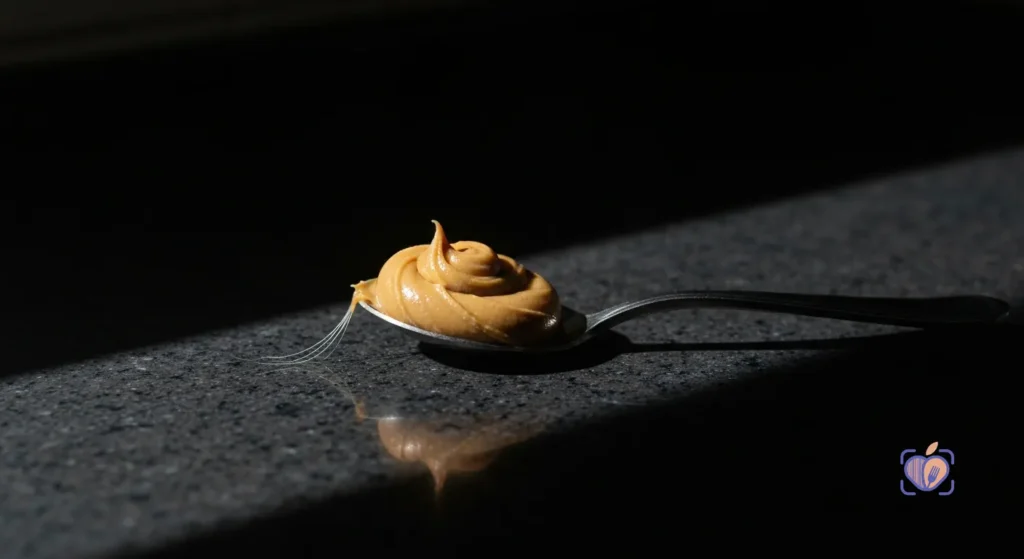
It’s a quiet moment in your kitchen. You’re making a sandwich, and you feel a familiar presence. You look down to see your cat, eyes wide, whiskers twitching, utterly fascinated by the jar of peanut butter. A simple, innocent thought crosses your mind: ‘Can I give them a little taste?’ That moment of uncertainty—the fear of accidentally harming the creature you love—is a heavy weight. You deserve clarity, not confusion. You deserve to know, instantly, what’s safe and what’s a hidden danger. That’s why we created Pet Scan Genius. Before you read another word, stop guessing and start knowing. Download the app, scan everything in your pantry, and get the immediate peace of mind that comes from protecting your family. Download on the Apple App Store Get it on Google Play The Short Answer Is a Hard ‘No’. Here’s Why. Let’s cut through the noise. While peanut butter itself isn’t technically toxic to cats in the way that chocolate or onions are, it offers zero nutritional value and poses significant health risks that make it a dangerous treat. Cats are obligate carnivores; their digestive systems are finely tuned machines designed to process meat, not high-fat, plant-based legumes. The ASPCA Animal Poison Control Center explicitly warns against feeding pets high-fat foods like peanut butter, which can lead to serious gastrointestinal upset and even pancreatitis, a painful and potentially fatal inflammation of the pancreas. The conversation, however, doesn’t end there. The real danger isn’t just the peanuts; it’s what we add to them. The Xylitol Menace: A Sweet Poison Hiding in Plain Sight If there is one ingredient you must be vigilant about, it is xylitol. This sugar substitute is perfectly safe for humans but is an absolute poison for many pets, including cats and especially dogs. It’s increasingly found in ‘sugar-free’ or ‘natural’ peanut butter brands to appeal to health-conscious consumers. What is Xylitol? Xylitol is a sugar alcohol used as a low-calorie sweetener. When ingested by a cat, it is absorbed into the bloodstream with terrifying speed, triggering a massive release of insulin from the pancreas. This catastrophic insulin surge causes a sudden, severe drop in blood sugar (hypoglycemia). Symptoms of Xylitol Poisoning: The onset of symptoms can be shockingly fast, sometimes within 15-30 minutes of ingestion. You must be able to recognize them immediately: Vomiting: Often the first sign. Weakness and Lethargy: Your cat may seem unusually tired or unable to stand. Stumbling or Lack of Coordination (Ataxia): They may walk as if they are drunk. Tremors and Seizures: A sign of severe neurological impact. Collapse and Coma: In the most severe cases. Even a tiny amount of xylitol can be fatal. In higher doses, it can lead to acute liver failure, a devastating and often irreversible condition. If you suspect your cat has ingested any product containing xylitol, this is a life-or-death medical emergency. Do not wait for symptoms to appear. Contact your veterinarian or an emergency pet hospital immediately. The brand names that use xylitol are constantly changing, making it a moving target for even the most diligent pet owner. It’s a risk you simply cannot afford to take by ‘eyeballing’ a label. Beyond Xylitol: The Hidden Risks in “Safe” Peanut Butter Even if you’ve found a peanut butter brand that is 100% free of xylitol, the dangers are far from over. The fundamental composition of peanut butter is at odds with your cat’s biology. 1. High Fat Content and Pancreatitis: Peanut butter is incredibly dense in fat. A cat’s digestive system is not equipped to handle this kind of fat load. A spoonful of peanut butter for a 10-pound cat is calorically equivalent to a human eating an entire hamburger. This high-fat content can easily trigger vomiting and diarrhea. More dangerously, it can lead to pancreatitis. This condition is excruciatingly painful and causes the pancreas to essentially begin digesting itself. Treatment is intensive, expensive, and not always successful. 2. Excessive Salt and Sodium Ion Poisoning: Most commercial peanut butters are loaded with salt to improve their taste for humans. Cats have a very low tolerance for sodium. Excessive salt intake can lead to sodium ion poisoning, which manifests as vomiting, diarrhea, tremors, high body temperature, seizures, and can be fatal. 3. Aflatoxins: The Invisible Mold: Peanuts, as a crop, are susceptible to contamination by a type of mold called Aspergillus. This mold produces a group of toxins known as aflatoxins, which are potent carcinogens and can cause severe liver damage. While reputable peanut butter brands for human consumption are tested for aflatoxin levels, the standards can vary, and cheaper or improperly stored products pose a higher risk. A cat’s smaller body and sensitive liver are far more vulnerable to the toxic effects of even low levels of these compounds over time. 4. Choking Hazard: The thick, sticky consistency of peanut butter presents a very real choking hazard, especially for smaller cats or kittens. It can easily become lodged in their throat or glued to the roof of their mouth, causing panic and airway obstruction. Feline Allergic Reactions: Recognizing the Warning Signs Just like humans, cats can have food allergies, and peanuts are a known allergen. An allergic reaction can range from mild discomfort to a life-threatening emergency. It’s critical to know what to look for after any new food exposure, especially something as foreign to their diet as peanut butter. Mild to Moderate Symptoms: * Skin Irritation: Intense itching, scratching, or chewing at their skin, particularly around the face, paws, and ears. You might see red patches, rashes, or even hair loss in these areas. * Gastrointestinal Upset: Vomiting or diarrhea that occurs within a few hours of ingestion. * Ear Infections: Chronic or recurring ear inflammation can be a sign of an underlying food allergy. * Facial Swelling: Minor swelling around the eyes, lips, or muzzle. Severe Symptoms (Anaphylaxis – A Medical Emergency): Anaphylaxis is a severe, rapid-onset allergic reaction that can be fatal if not treated immediately. The signs are unmistakable and terrifying:

Can Cats Eat Peanut Butter? The Terrifying Truth Hidden in Your Pantry Read Post »

BHA in Dog Food: The Preservative Hiding in Plain Sight

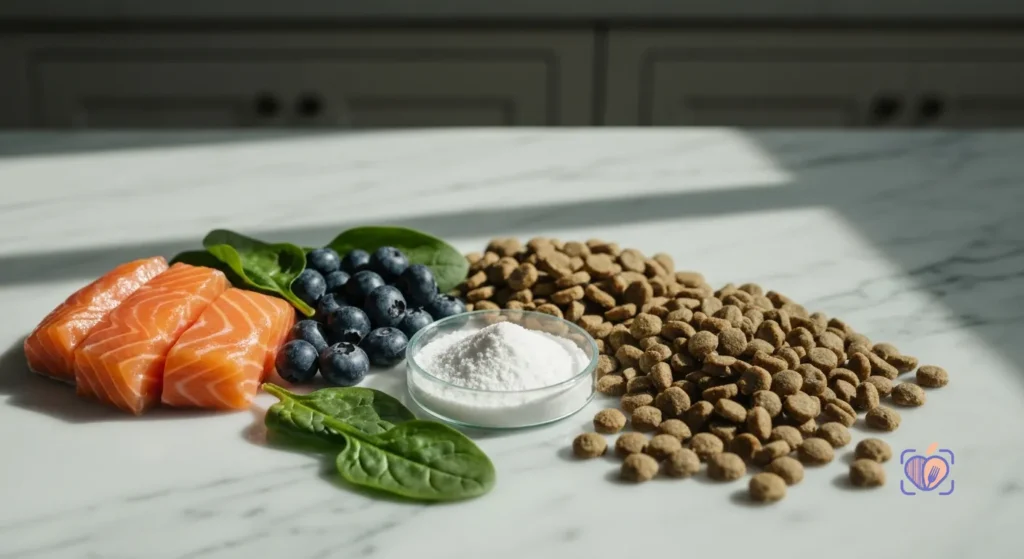
BHA (Butylated Hydroxyanisole) in dog food is a synthetic chemical preservative used to prevent fats and oils from spoiling, but its safety is highly controversial as it is listed as a possible human carcinogen. It’s a simple ingredient with a simple purpose: to extend shelf life. To make sure the kibble you buy today is still “fresh” six months from now. They call it preservation. I call it a compromise. A compromise made not for your dog, but for the supply chain. It’s a solution born in a boardroom, not a kitchen. At Pet Scan Genius, we don’t deal in compromises. We deal in clarity. The Seduction of Shelf Life Nostalgia is delicate, but potent. We remember the loyalty, the unwavering affection of a dog. What we don’t remember is checking the fine print on their food bag. We trusted the brand, the smiling dog on the package. But advertising is based on one thing: happiness. And the truth is, happiness is a bag of kibble that can sit in a warehouse for a year. That’s where BHA comes in. It’s a cheap, effective antioxidant. It keeps the fat from going rancid. It does its job. But the question isn’t whether it works. The question is, at what cost? Manufacturers will tell you it’s necessary. That it prevents waste and keeps costs down. But necessity is just the plea for every infringement of human (and canine) freedom. The real necessity is transparency. Peeling Back the Label: What They Aren’t Telling You The label is a battleground of information. It’s designed to be scanned, not studied. But the devil, as they say, is in the details. The Official Story The U.S. Food and Drug Administration classifies BHA as “Generally Recognized As Safe” (GRAS) in low doses. This is the green light manufacturers need. You can find their official stance on their website, a monument to regulation and acceptable risk. But what one man calls safety, another man calls the bare minimum. The conversation around food chemicals is far from settled, with many experts questioning the long-term effects of daily, low-dose exposure. The Unsettling Truth Here’s the part of the conversation they leave out. The National Toxicology Program lists BHA as “reasonably anticipated to be a human carcinogen.” The state of California lists it as a known carcinogen. It’s banned or heavily restricted for human consumption in Japan and parts of the European Union. Suddenly, “generally recognized as safe” feels a little less comforting. It’s a calculated risk, and your dog is the one taking it. This isn’t just about food; it’s a systemic issue. Consumers are increasingly wary of the toxic products marketed for their pets, from toys to treats, and for good reason. The Future Doesn’t Require a Compromise Change is neither good nor bad, it simply is. The industry is changing because you are demanding it. You’re no longer satisfied with the old answers. There are better, safer ways to preserve pet food. Natural alternatives like mixed tocopherols (a source of Vitamin E), rosemary extract, and ascorbic acid do the same job without the cloud of suspicion. They might cost a little more. They might reduce the shelf life by a few months. But they remove the question mark from your dog’s food bowl. This is where we come in. Reading every label is a job in itself. It’s tedious. It’s confusing. That’s by design. Pet Scan Genius gives you the power of a food scientist in your pocket. Stop guessing. Start knowing. Scan a barcode with the Pet Scan Genius app and we’ll instantly analyze the ingredients for BHA, BHT, and thousands of other toxic additives, dangerous fillers, and hidden allergens. We give you a simple, clear verdict. No jargon. No compromise. Just the truth. The Conversation Around BHA Is BHA banned in dog food? No, BHA is not banned in dog food in the United States. The U.S. Food and Drug Administration (FDA) permits its use as a preservative at low, specified levels. However, its use is far more restricted in other parts of the world due to health concerns. What are the natural alternatives to BHA in dog food? Many forward-thinking brands use natural preservatives to ensure freshness. The most common alternatives are mixed tocopherols (Vitamin E), Vitamin C (ascorbic acid), and plant extracts like rosemary, clove, or spearmint extract. These are effective and don’t carry the same health risks associated with synthetic chemicals. How can I tell if my dog’s food contains BHA? BHA must be listed on the ingredient panel. Look for the terms “BHA,” “Butylated Hydroxyanisole,” or sometimes as part of a generic “preservatives” listing. The easiest and most reliable way to check is by using an analysis tool like the Pet Scan Genius app, which flags this and other harmful ingredients instantly. Your dog trusts you completely. It’s time to have a food source that earns that same trust. The truth is in the palm of your hand. It’s time to use it. Don’t wonder what’s in their bowl. Know. Visit Pet Scan Genius and download the future of pet wellness. Visit Pet Scan Genius: Pet Scan Genius

BHA in Dog Food: The Preservative Hiding in Plain Sight Read Post »

Toxic Ingredients in Dog Food: The Deception in Their Dish

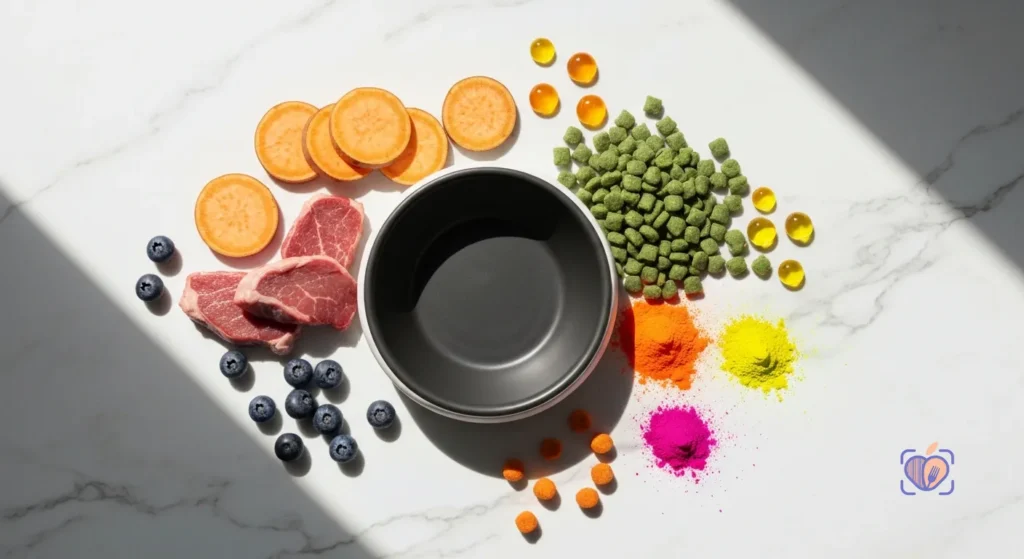
The most common toxic ingredients in dog food are artificial preservatives like BHA and BHT, artificial colors such as Red 40 and Blue 2, propylene glycol, and vague terms like ‘meat and bone meal’. These additives are linked to severe health issues, including organ damage, allergic reactions, and cancer. The connection you have with your dog is simple. It’s built on trust. On loyalty. So why is the simple act of feeding them so complicated? You look at a bag of dog food and you’re met with a wall of promises, smiling dogs, and a list of ingredients you can’t pronounce. It’s a feeling of uncertainty, of doubt. A feeling that you’re not being told the whole story. They’re counting on your confusion. We’re here to provide clarity. The Red Flags on the Label: Decoding the Danger The truth is, what’s written on the front of the bag is marketing. The real story is in the fine print on the back. It’s a language designed to obscure, not inform. But once you know what to look for, you can’t unsee it. Chemical Preservatives: A Deal with the Devil To extend shelf life, manufacturers make a trade. They add industrial chemicals to your dog’s food that would never pass muster on your own dinner table. BHA (Butylated Hydroxyanisole) & BHT (Butylated Hydroxytoluene): These are petroleum-derived antioxidants used to prevent fats from going rancid. They are also recognized carcinogens linked to kidney and liver damage. Ethoxyquin: A preservative and pesticide so toxic it’s not permitted in human food. Yet, it finds its way into your dog’s bowl through fish meal. The conversation around whether food chemicals are dangerous is not just for our own plates; it applies directly to the ones we place on the floor for our most loyal companions. Artificial Colors & Flavors: An Illusion for You Your dog doesn’t care if their kibble is a vibrant red or a uniform brown. Artificial colors like Blue 2, Red 40, and Yellow 5 & 6 are there to appeal to you. These dyes are linked to hyperactivity, allergic reactions, and tumor growth. Artificial flavors are just as bad, often used to mask the taste of low-quality, rancid ingredients. Fillers & By-Products: The Industry’s Dirty Secret This is where the deception becomes profound. Vague, non-specific terms allow manufacturers to use the cheapest, lowest-quality ingredients imaginable. Meat and Bone Meal, Animal Digest, By-Products: What kind of animal? What part? These terms are catch-alls for rendered material from sources that can include diseased livestock, expired meat from grocery stores, and parts of the animal with zero nutritional value. The U.S. Food and Drug Administration (FDA) sets baseline standards, but the definitions for these ingredients are alarmingly broad. Corn Gluten Meal & Wheat Gluten: These are cheap, low-quality fillers used to boost the protein percentage on the label. They are difficult for dogs to digest and are common allergens. Sweeteners & Humectants: Unnecessary Evils Propylene Glycol: A component of antifreeze, it’s used to keep semi-moist kibble from drying out. It’s toxic to cats and can cause serious health issues in dogs over time. Corn Syrup & Sugar: Your dog has no nutritional need for added sugar. It’s an addictive filler that leads to obesity, diabetes, and dental decay. The Pet Scan Genius Solution: Truth in the Palm of Your Hand Memorizing this list is a good start. But the industry is always finding new ways to hide the same old tricks. You shouldn’t have to be a chemist to feel confident about what you’re buying. You need a partner who can cut through the noise. That’s Pet Scan Genius. Our app allows you to scan any pet food or treat barcode and get an instant, easy-to-understand analysis. We flag the toxic additives, dangerous fillers, hidden allergens, and marketing gimmicks. We replace confusion with certainty. Stop guessing. Start knowing. The power to make the right choice has been in your hands all along. We just help you see it. Visit Pet Scan Genius to see how it works and download the app that puts you back in control. FAQ: Your Questions, Answered What is the single most toxic ingredient to avoid in dog food? While many are harmful, Ethoxyquin is one of the most dangerous. It is a synthetic preservative and pesticide that has been banned from use in human food due to its links to liver and kidney damage, as well as cancer. Its presence, often hidden within ‘fish meal’, is a major red flag. Can “grain-free” dog food still have toxic ingredients? Absolutely. “Grain-free” is a marketing term, not a guarantee of quality. Many grain-free foods simply replace grains with other cheap fillers like potatoes or pea protein, while still containing the same toxic preservatives, artificial colors, and low-quality meat meals. How can I tell if my dog is having a reaction to a toxic ingredient? Symptoms can be subtle or severe. Look for chronic issues like itchy skin, dull coat, ear infections, digestive upset (gas, diarrhea), and low energy. These are often dismissed as ‘normal for the breed,’ but they can be direct signs of a food intolerance or reaction to a harmful additive. What makes Pet Scan Genius better than just reading the label? We do more than just read the label—we interpret it. We maintain an exhaustive, constantly updated database of ingredients, their aliases, and their known health risks. We translate the complex chemical names and vague marketing terms into a simple ‘Good’ or ‘Bad’ verdict, providing the ‘why’ behind our analysis so you can make a truly informed decision in seconds.

Toxic Ingredients in Dog Food: The Deception in Their Dish Read Post »

What’s Really Inside The Farmer’s Dog? A CMO’s Unfiltered Look at Their Ingredients.

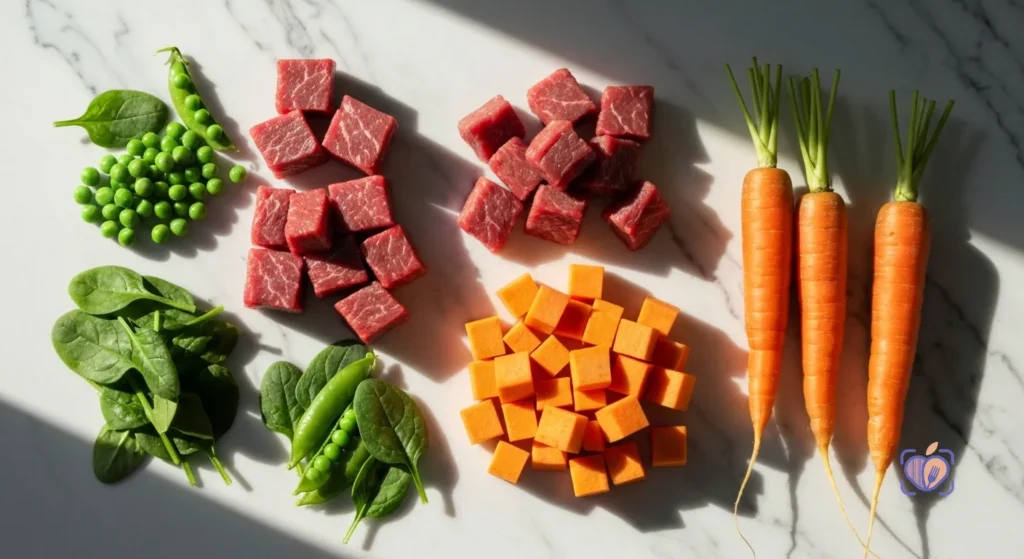
The Farmer’s Dog ingredients are human-grade, whole foods, centered on a primary protein like beef, turkey, or pork, combined with fresh vegetables, healthy starches like sweet potatoes, and a precise blend of essential vitamins and minerals. There are no preservatives, fillers, or processed meals. It’s a simple list. And in a world of endless noise, simplicity is the sharpest tool in the shed. The feeling you’re chasing isn’t a new one. It’s a longing for a time when food was just… food. When you knew where it came from. That’s the promise The Farmer’s Dog sells, and it’s a powerful one. But a promise is just a story. As the CMO of Pet Scan Genius, I don’t deal in stories; I deal in what’s real. So let’s turn the lights on and look at what’s actually in the bowl. Deconstructing the Recipes: The Anatomy of a Meal Forget the clever packaging for a moment. A product’s soul is its ingredient list. It’s either a testament to quality or a confession of compromise. The Farmer’s Dog builds its recipes around a few core pillars. The Proteins: The Foundation This is where it begins. You won’t find anonymous ‘meat meal’ here. You’ll find USDA-certified beef, turkey, chicken, or pork. It’s the kind of meat you’d find at a butcher, not rendered in a factory. This isn’t just a marketing line; it’s about bioavailability—the body’s ability to absorb and use the nutrients. Real meat is the difference between a fleeting moment of satisfaction and true, lasting fuel. The Vegetables & Legumes: Nature’s Functional Foods This is the supporting cast that makes the star shine. * Sweet Potatoes & Lentils: Not cheap fillers like corn or soy, but complex carbohydrates for sustained energy. * Carrots & Broccoli: For vitamins and fiber, cooked to be gentle on the digestive system. * Kale & Spinach: Nutrient-dense greens packed with antioxidants. They’re not just tossing in a salad. Each component is chosen for its nutritional purpose, creating a balanced portfolio of health. The Nutrient Blend: The Invisible Guard This is the part that turns a simple meal into a complete diet. It’s a proprietary blend, but the components are straightforward: Fish oil for those critical Omega-3s that support everything from coat health to brain function, alongside a mix of vitamins and minerals like Taurine for heart health. It’s the final piece of the puzzle, ensuring your dog isn’t missing anything vital. What They Leave Out Sells the Story The most powerful statements are often silent. In pet food, what’s not on the label is just as important as what is. The Farmer’s Dog ingredients list is a rejection of the industry standard. No preservatives. No BHT, BHA, or other chemical acronyms. No fillers. This stands in stark contrast to the world of ultra-processed kibble. People are waking up to the fact that convenience often comes at a cost, and they’re demanding transparency. This trend isn’t a fad; it’s a fundamental shift in how we view consumption, driven by a desire for the truth about product ingredients. The science behind avoiding ultraprocessed foods isn’t just for humans anymore. We’re realizing that a lifetime of processed, shelf-stable brown pellets might not be the pinnacle of nutrition for our companions, either. This is why, at Pet Scan Genius, we exist. The Farmer’s Dog has built its brand on a clean label. But what about the other 99% of products on the shelf? What about the treats you buy, the dental chews, the supplements? The burden of vigilance falls on you. You’re expected to be a nutritionist, a chemist, and a veterinarian every time you walk down the pet aisle. It’s an impossible task. For many owners navigating complex health issues, this diligence is a daily reality, much like it is for people with serious dietary restrictions who rely on organizations like the Celiac Disease Foundation for guidance. FAQs About Farmer’s Dog Ingredients What are the main ingredients in The Farmer’s Dog food? The core ingredients are a single source of human-grade protein (like beef or turkey), a variety of fresh vegetables and legumes (like carrots, broccoli, and lentils), and a proprietary nutrient blend that includes fish oil and essential vitamins for a complete and balanced diet. Are Farmer’s Dog ingredients really human-grade? Yes. The company states they use USDA-certified proteins and whole vegetables that meet the standards for human consumption. The food is prepared in kitchens that are also USDA-inspected. Does The Farmer’s Dog use preservatives or fillers? No. Their recipes contain no artificial or chemical preservatives, which is why the food must be refrigerated. They also do not use common fillers like corn, soy, or wheat, focusing instead on nutrient-dense ingredients. How do I know which ingredients are right for my dog? The Farmer’s Dog creates a personalized plan based on your dog’s age, breed, weight, and activity level. However, for every other food or treat you buy, you’re on your own. That’s the gap Pet Scan Genius was built to fill. The Farmer’s Dog sets a high bar. But their transparency is the exception, not the rule. For everything else—every bag of treats, every dental stick, every new brand that catches your eye—the questions remain. Is it safe? Is it healthy? Is this label telling me the whole story? Stop guessing. Start knowing. Use Pet Scan Genius to scan any pet food or treat and get an instant, unbiased analysis of its ingredients. We expose the toxic additives, dangerous fillers, and hidden allergens so you can make confident choices. The truth is in the palm of your hand. Visit Pet Scan Genius and take control.

What’s Really Inside The Farmer’s Dog? A CMO’s Unfiltered Look at Their Ingredients. Read Post »

Decoding the Hot Dog Nutrition Facts Label: What Are You Really Eating?

A hot dog nutrition facts label is a mandated panel on food packaging that details key nutritional information, including serving size, calories, fat, sodium, carbohydrates, protein, and a list of ingredients, designed to help consumers understand the product’s content. There’s a feeling that comes with a hot dog. It’s the crack of the bat, the smell of charcoal on a summer evening, the simple, uncomplicated joy of childhood. But we live in a complicated world. That feeling, that memory, now comes with a question. We stand in the grocery aisle, not as a kid at a ballgame, but as a provider, a protector. We turn the package over and stare at the little black and white box. The hot dog nutrition facts label. And we wonder what it’s really telling us. It’s not just about a snack anymore. It’s about a choice. And every choice matters. The Big Three on the Label: Sodium, Fat, and Nitrates Nostalgia doesn’t list its ingredients. We have to do that ourselves. When you look at that label, your eyes should go to three places first. This isn’t about fear; it’s about knowledge. The Salt Story The sodium number is always stark. Hot dogs are a processed food, and salt is the currency of preservation and flavor. A single frankfurter can contain nearly a quarter of your recommended daily sodium intake. It’s the unseen guest at the barbecue, and it’s important to know how much you’re inviting. A Frank Talk About Fat Next, saturated fat. This isn’t the healthy fat you find in an avocado. It’s the kind that demands moderation. The label tells a story of energy and indulgence, but it’s a story you need to read carefully to ensure it has a healthy ending. The Nitrite & Nitrate Conundrum These are preservatives. They give the hot dog its characteristic color and tang, and they keep it safe. But they are also at the center of a long-running health debate. Understanding their presence is key to understanding the nature of ultra-processed foods and the trade-offs we make for convenience and shelf-life. Beyond the Numbers: The Ingredient List The numbers tell a story, but the ingredient list is where the characters are introduced. It’s often a long list, filled with words that don’t evoke a summer cookout. Mechanically separated chicken, corn syrup, modified corn starch. The order matters—what comes first, exists most. In a perfect world, you’d know what every single one of those ingredients means. In the real world, it’s a puzzle. The desire to truly decipher product labels isn’t just a local trend; it’s a global movement toward clarity. People are tired of guessing. It’s why so many of us now rely on food ingredient apps to translate the fine print into plain English. Clarity is a modern luxury. And it’s one you deserve. The Label Doesn’t Tell You Everything Here’s the truth: the label is a starting point, not the destination. It tells you what’s in the product, but not the quality of it, not the source, not the full story. At Pet Scan Genius, we live in the fine print. We understand the anxiety of looking at a label and wanting a simple, honest answer. We built our entire company around providing that clarity for the one member of your family who can’t read the label at all: your pet. We analyze pet food and treats for the very things that cause concern in our own food—toxic additives, dangerous fillers, and hidden allergens. We believe that the love you have for your pet should be matched by the confidence you have in their food. What are you feeding your best friend? Don’t guess. Know. Visit Pet Scan Genius to see what’s really in their bowl. Frequently Asked Questions about Hot Dog Nutrition Labels What is the most unhealthy part of a hot dog? Typically, the most significant health concerns on a hot dog nutrition facts label are the high levels of sodium and saturated fat. For many, the presence of sodium nitrite and nitrate as preservatives is also a primary concern due to ongoing health debates. Are ‘uncured’ hot dogs a healthier choice? ‘Uncured’ hot dogs use natural sources for preservatives, like celery powder, which is still a source of nitrates. They can be a good choice, but it’s not a free pass. You must still check the label for sodium and fat content, which can be just as high as in regular hot dogs. How can I choose a healthier hot dog at the store? Compare labels directly. Look for options with less than 400mg of sodium and lower saturated fat. Choose brands with a short, recognizable ingredient list. The simpler the label, the more transparent the product tends to be. You’ve just mastered the human label. Now, become the genius your pet deserves. Empower yourself with the truth about what they’re eating every single day. Download the Pet Scan Genius app from the app store and get clarity in a flash. Visit Pet Scan Genius to learn more.

Decoding the Hot Dog Nutrition Facts Label: What Are You Really Eating? Read Post »

What the Hot Dog Nutrition Label Isn’t Telling You

A standard hot dog nutrition label reveals a food high in sodium, saturated fat, and calories, often containing processed meats and additives like sodium nitrites. It’s a snapshot of a convenience food, but the full story is in the details you’re trained to overlook. There’s a certain feeling that comes with a hot dog. It’s the crack of a bat, the warmth of a summer bonfire, the simple, uncomplicated joy of a backyard barbecue. It’s a memory served in a bun. But nostalgia is a powerful sedative. It stops us from asking the right questions, like the one you’re asking right now. You picked up the package, turned it over, and decided to look. Good for you. The Anatomy of the Label That black and white box isn’t just a set of numbers; it’s a confession. Let’s look past the bold print and see what’s really there. Calories & Fat A single beef frank can pack in 150-200 calories and 15 grams of fat—over half of it saturated—and that’s before the bun, the chili, the cheese. It’s a dense package of energy, but what kind of energy is it? It’s the cheap, fleeting kind that leaves you wanting more. Not satisfaction, just appetite. The Sodium Deception The number that should stop you in your tracks is sodium. Often clocking in at over 500mg, that’s nearly a quarter of your recommended daily intake. It’s there for preservation and taste, a crutch for subpar ingredients. It’s what makes a product ‘shelf-stable’ and your body work overtime. The Fine Print: Nitrates, Fillers, and Other Mysteries Now, look below the box. The ingredients list. This is where the real story is written, often in a language designed to be glossed over. You’ll see words like ‘mechanically separated turkey’ or ‘pork.’ You’ll see corn syrup. And you’ll almost certainly see sodium nitrite. These preservatives are what give cured meats their characteristic color and flavor. They are regulated by the U.S. Food and Drug Administration, but their inclusion is central to what makes a hot dog an ‘ultra-processed’ food. The language on these labels can be intentionally confusing, but with practice, you can learn to see past the marketing. In fact, just a few tips for decoding food labels can give you the clarity you need to make a real choice, not just a convenient one. These aren’t just simple ingredients; they’re engineered components. Understanding the science behind ultra-processed foods and their health impact is the first step toward reclaiming your plate. You Deserve the Truth. So Does Your Best Friend. You’re here because you value the truth. You’re willing to look past the convenient narrative and read the label for yourself. But what about the member of your family who can’t? The one who trusts you completely to make the right choice for them every single day. At Pet Scan Genius, we do for your pet’s food what you just did for that package of hot dogs. We analyze the label—and what’s behind it—for the toxic additives, dangerous fillers, and hidden allergens that corporations hide in plain sight. They count on you not to look. We count on you to care. Don’t let your pet be a victim of deceptive marketing. Give them the clarity they deserve. Take control. Visit Pet Scan Genius to see how our technology exposes the truth, and download the Pet Scan Genius app today. Frequently Asked Questions What is the worst ingredient in a hot dog? While high levels of sodium and saturated fat are concerns, many nutrition experts point to sodium nitrite as the most problematic ingredient. Used as a preservative, it can form potentially carcinogenic compounds in the body. Are ‘uncured’ hot dogs healthier? ‘Uncured’ hot dogs often use natural sources like celery powder for preservatives, which still contain nitrates. While they may be free of added synthetic nitrites, the overall nutritional profile in terms of fat and sodium is typically very similar. It’s a marketing distinction more than a health one. How many calories are in a typical hot dog and bun? A standard beef frank (around 180 calories) in a white-flour bun (around 120 calories) totals approximately 300 calories, before adding any condiments like ketchup, mustard, or relish, which can add another 20-60 calories.

What the Hot Dog Nutrition Label Isn’t Telling You Read Post »

About us

Food Scan Genius is an offering from ScanGeni Ventures Pvt Ltd, an ‘AI first’ company driving value for the next generation of consumers. Get in touch with us to learn more:

© 2025 All rights reserved by ScanGeni Ventures Private Limited

Scroll to Top