The Movement to Eliminate Synthetic Dyes and Artificial Additives in Food Products by 2025
Consumers today are more aware than ever of what’s in their food. From colorful cereals to flavored snacks, synthetic dyes and artificial additives have long been used to make products look and taste appealing. But in 2025, that’s changing fast. Major retailers and food manufacturers are responding to growing demand for clean-label, transparent, and healthier foods by committing to remove synthetic dyes and other artificial ingredients from their products.
Why the Elimination of Synthetic Food Dyes Matters
The elimination of synthetic food dyes isn’t just a marketing trend—it’s a public health and regulatory movement. Research has linked some artificial colors to behavioral issues in children and potential allergic reactions. According to a recent PubMed study, certain synthetic dyes may influence neurobehavioral outcomes, prompting renewed scrutiny from health agencies and parents alike.
As awareness grows, the food industry is embracing reformulation using plant-based substitutes for additives such as turmeric, beet juice, and spirulina. These natural colorants not only improve transparency but also align with sustainability goals and the anticipated Dietary Guidelines for Americans 2025, which emphasize plant-forward nutrition.
Major Retailers Leading the Charge
In October 2025, Walmart announced a major initiative to eliminate synthetic dyes across all its private brand food products. This move follows similar commitments from other leading retailers and food manufacturers aiming to complete reformulations by 2027. Walmart’s decision reflects a powerful shift toward ingredient transparency and consumer trust.
According to Food Dive’s 2025 Food & Beverage Trends report, clean-label products are now driving growth in the snacking category. Shoppers increasingly prefer foods with fewer artificial ingredients and recognizable components—a trend that’s reshaping product development across every aisle.
Key Retail Commitments Toward Additive Removal
| Retailer/Manufacturer | Commitment Year | Goal |
|---|---|---|
| Walmart | 2025 | Eliminate synthetic dyes in all private brands |
| Major Snack Brands | 2026 | Transition to natural colorants and flavors |
| Leading Beverage Companies | 2027 | Remove artificial sweeteners and preservatives |
Regulatory Trends Driving Change
The FDA regulation on artificial food additives is evolving. Industry experts anticipate tighter labeling requirements and updated safety assessments. The Institute of Food Technologists (IFT) highlighted “ingredient transparency” and “clean reformulation” among its top ten food trends for 2025. These developments signal that regulatory bodies are aligning with consumer expectations for safer, simpler foods.
Globally, agencies such as the European Food Safety Authority (EFSA) and the World Health Organization (WHO) are also reviewing additive safety data, pushing multinational brands to harmonize standards and phase out controversial synthetic compounds.
Health Impacts of Synthetic Dyes and Additives
Scientific evidence continues to fuel the movement. Studies published in PubMed indicate that certain artificial colors may affect attention and hyperactivity in sensitive individuals. While not all dyes pose equal risk, the cumulative exposure through candies, beverages, and processed foods has raised concerns among pediatricians and nutrition experts.
Consumers increasingly associate “artificial” with “unhealthy.” This perception, combined with growing awareness of food sensitivities and allergies, is accelerating the artificial food additives removal trend. Parents, schools, and healthcare professionals are advocating for foods free of synthetic coloring, especially in children’s snacks and drinks.
Common Synthetic Dyes Under Review
- Red 40 (Allura Red AC)
- Yellow 5 (Tartrazine)
- Yellow 6 (Sunset Yellow)
- Blue 1 (Brilliant Blue FCF)
- Blue 2 (Indigo Carmine)
Natural alternatives such as beet extract, paprika, and spirulina are increasingly used to replace these dyes, offering vibrant colors without chemical additives.
Plant-Based Substitutes and Clean Label Innovation
The rise of plant-based substitutes for additives represents a major innovation frontier. Food scientists are exploring botanical sources that provide color, flavor, and preservation naturally. According to the Food Dive 2025 report, brands investing in plant-derived ingredients are outperforming competitors that rely on synthetic formulations.
These natural solutions not only meet consumer expectations but also support sustainability goals. By reducing reliance on petroleum-based dyes and artificial preservatives, companies can lower their environmental footprint and appeal to eco-conscious shoppers.
Consumer Awareness and Social Media Influence
Social media has amplified the clean-label conversation. Viral videos and influencer advocacy are educating millions about the health and environmental impact of synthetic additives. For instance, a popular discussion on YouTube highlights how everyday foods contain hidden artificial colors, sparking widespread calls for reformulation.
Consumers are using apps and digital tools to verify ingredient lists and track additive-free options. Transparency has become a social expectation, not just a regulatory requirement.
How Food Scan Genius Helps Consumers Stay Informed
For shoppers navigating ingredient lists, tools like Food Scan Genius make it easy to identify artificial additives and synthetic dyes in packaged foods. By scanning a barcode, users instantly see whether a product contains questionable ingredients or meets their dietary preferences.
User testimonial: “I started using Food Scan Genius after learning about synthetic dyes in snacks. It’s amazing how quickly I can find clean-label options for my kids.”
As ingredient transparency becomes a mainstream expectation, apps like Food Scan Genius empower consumers to make informed choices and support brands committed to cleaner formulations.
Industry Outlook: Toward 2027 Reformulation Goals
Looking ahead, the movement toward artificial food additives removal is expected to accelerate through 2027. Retailers and manufacturers are investing in research, supply chain adaptation, and consumer education to meet reformulation deadlines. The next Dietary Guidelines for Americans will likely reinforce reduced additive consumption and promote whole-food ingredients.
For industry professionals, this shift represents both a challenge and an opportunity. Reformulating without synthetic dyes requires innovation in food science, but it also opens new market segments focused on health, sustainability, and trust.
FAQs About Synthetic Dye Elimination
1. Why are companies eliminating synthetic food dyes?
Companies are removing synthetic dyes due to consumer demand for cleaner ingredients, health concerns, and evolving FDA regulations that encourage transparency and safety.
2. Are natural colorants as effective as artificial dyes?
Yes, many plant-based colorants like beet juice and turmeric provide vibrant hues while offering additional nutritional or antioxidant benefits.
3. What does “clean label” mean?
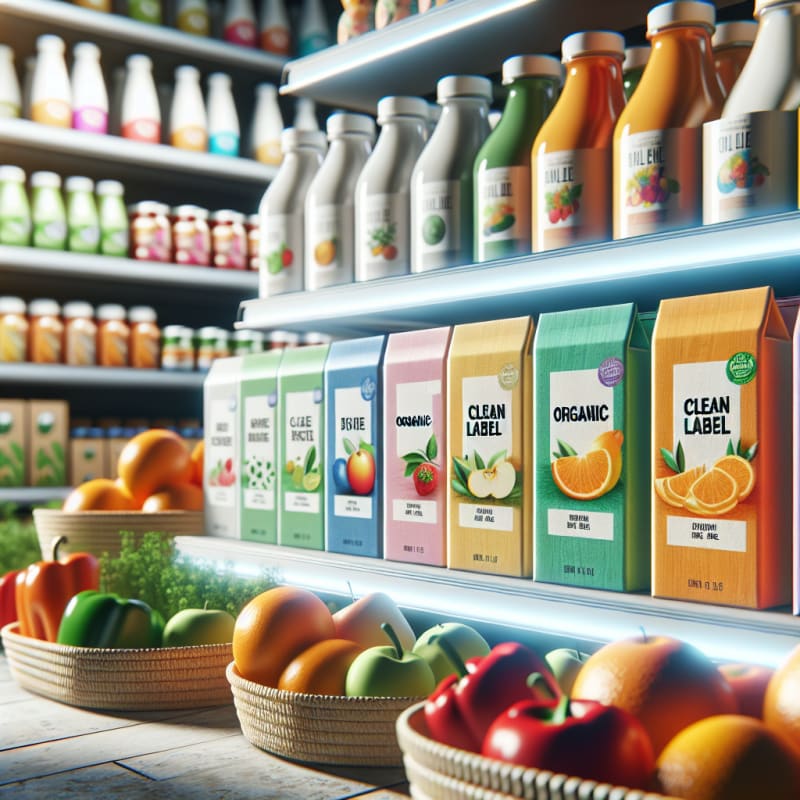
“Clean label” refers to foods made with simple, recognizable ingredients and free from artificial additives, preservatives, and synthetic colors.
4. Will synthetic dyes be banned by 2027?
While not officially banned, many major retailers and manufacturers have committed to voluntary elimination by 2027, aligning with public health and sustainability goals.
5. How can consumers check if their food contains artificial additives?
Consumers can read ingredient labels carefully or use apps like Food Scan Genius to instantly identify artificial additives and synthetic dyes.
Final Takeaway
The elimination of synthetic food dyes marks a turning point in how we think about food quality and transparency. Driven by health research, regulatory momentum, and consumer advocacy, the clean-label revolution is reshaping the global food landscape. Whether you’re a parent, a health-conscious shopper, or an industry insider, understanding what’s in your food—and choosing brands that value transparency—has never been more important.
As reformulations progress through 2027, tools like Food Scan Genius will continue to help consumers make smarter, cleaner choices. The future of food is colorful—but naturally so.