FDA’s Artificial Food Dyes Ban: Timeline, Impacts, and Best Natural Swaps
Artificial food dyes have colored our candies, cereals, and drinks for decades—but that rainbow is fading fast. In 2025, the FDA’s phase-out of synthetic food dyes</strong marks a major turning point for the U.S. food industry. With retailers like Walmart pledging to remove artificial dyes from all private-label foods by 2027, consumers are asking: what’s behind the ban, and what will replace these bright colors?
Why the FDA Is Phasing Out Artificial Food Dyes
The FDA’s decision follows years of scientific debate over the safety of synthetic colorants such as Red No. 3 and Yellow No. 5. These dyes, derived from petroleum, have been linked to behavioral issues in children, allergic reactions, and potential carcinogenic effects. A 2024 PubMed study reviewed over 60 years of data and found that certain synthetic dyes may disrupt gut microbiota and contribute to inflammation.
In response, the FDA began a multi-year phase-out plan to remove dyes with questionable safety profiles. The regulatory update outlines a gradual withdrawal of Red No. 3 from food and beverage applications by 2027, aligning with global moves toward natural colorants endorsed by the European Food Safety Authority (EFSA).
Key Timeline for the FDA Artificial Food Dyes Ban
| Year | Milestone | Impact |
|---|---|---|
| 2025 | FDA announces phase-out of Red No. 3 and reviews other synthetic dyes | Manufacturers begin reformulation planning |
| 2026 | Retailers start labeling transitions and supplier audits | Clean label products expand across major brands |
| 2027 | Full ban on Red No. 3 in food products | Natural colorants become industry standard |
Health Risks Linked to Synthetic Food Dyes
While synthetic dyes make foods visually appealing, research has raised concerns about their effects on human health. The NIH-backed study found associations between certain dyes and hyperactivity in children, immune responses, and gut barrier dysfunction. The growing MAHA movement (Mothers Against Harmful Additives), championed by public figures like RFK Jr., has amplified public awareness and pressured regulators to act.
- Behavioral effects: Some synthetic dyes may exacerbate ADHD symptoms.
- Allergic reactions: Sensitivities to Yellow No. 5 and Blue No. 2 are increasingly documented.
- Gut health: Emerging studies link dyes to microbiome imbalance and inflammation.
Retailers and Brands Respond: Walmart Leads the Charge
Retailers are not waiting for the final FDA deadlines. In October 2025, Walmart announced it will eliminate synthetic dyes from all private-brand food products by 2027. This decision affects thousands of SKUs—from candies to sauces—and signals a broader industry shift toward transparency and clean labeling.
According to Food Dive’s 2025 trends report, over 11.5% of U.S. packaged foods still contain artificial dyes, but that number is expected to drop sharply as reformulation accelerates. Brands like Kraft Heinz, General Mills, and PepsiCo are already testing natural alternatives to maintain product appeal without synthetic additives.
Natural Alternatives to Artificial Dyes
As synthetic dyes disappear, food scientists are turning to natural colorants derived from plants, fruits, and minerals. These alternatives not only offer vibrant hues but also align with consumer preferences for “clean label” foods.
| Natural Source | Color Produced | Common Uses |
|---|---|---|
| Beet juice | Red to pink | Beverages, baked goods |
| Turmeric | Yellow | Snacks, sauces |
| Spirulina | Blue-green | Confections, smoothies |
| Carrot concentrate | Orange | Juices, yogurts |
Experts at FoodGraph note that natural dyes also support sustainability goals, as they reduce reliance on petrochemical sources and appeal to eco-conscious consumers.
Challenges in Reformulating Foods
Switching from synthetic to natural dyes isn’t simple. Natural pigments can be less stable under heat, light, and pH variations. Manufacturers must invest in new technologies, like microencapsulation, to preserve color vibrancy. According to Food Ingredients First, reformulation costs may rise initially but are offset by higher consumer trust and premium pricing potential.
Q&A: What Consumers Want to Know
Q: Will foods look different after the ban?
A: Slightly. Natural colorants may produce softer tones, but brands are improving formulations to maintain visual appeal.
Q: Are natural dyes completely safe?
A: Generally yes, though some individuals may still react to plant-based pigments. Always check labels if you have sensitivities.
Q: How can I identify products without artificial dyes?
A: Look for “no synthetic colors” or “colored with natural ingredients” on packaging. Apps like Food Scan Genius can instantly analyze ingredient lists for hidden additives.
How Food Scan Genius Helps Consumers Navigate Ingredient Changes
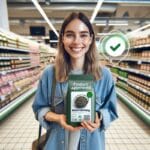
As ingredient transparency becomes a top priority, tools like Food Scan Genius empower shoppers to make informed choices. By scanning product barcodes, users can detect synthetic dyes, allergens, and preservatives in seconds. One user shared:
“I used Food Scan Genius at the grocery store and discovered my favorite snack still had Red No. 3. It helped me find a cleaner alternative right away!”
With the FDA’s dye phase-out underway, apps like Food Scan Genius are becoming essential for families managing sensitivities or pursuing cleaner diets. Learn more at scangeni.us.
Broader Consumer Implications
The artificial food dyes ban represents more than a regulatory change—it’s a cultural shift toward ingredient integrity. As consumers demand transparency, companies must ensure accurate labeling and compliance. This movement also exposes broader issues like mislabeling, hidden additives, and regulatory gaps in imported foods.
According to Food Dive, clean label trends are driving innovation in snacks and beverages, with “color from nature” becoming a key marketing message. The FDA’s ban accelerates this evolution, pushing brands to embrace science-backed, sustainable color solutions.
Final Takeaway: The Future of Food Color Is Natural
By 2027, the bright reds and blues of synthetic dyes will largely disappear from U.S. shelves. The FDA’s artificial food dyes ban is reshaping how foods look—and how consumers trust them. As brands adapt and natural colorants take center stage, shoppers can look forward to safer, more transparent options.
Whether you’re a parent checking labels or a brand reformulating your recipes, understanding this transition is key. And with tools like Food Scan Genius, staying informed has never been easier.
FAQs About the Artificial Food Dyes Ban
1. What dyes are being banned by the FDA?
The FDA is phasing out Red No. 3 and reviewing other synthetic dyes for safety concerns. Full removal from food products is expected by 2027.
2. Why are artificial dyes considered harmful?
Studies link them to behavioral issues, allergic reactions, and gut inflammation. The NIH supports further research into their long-term effects.
3. What are natural alternatives to synthetic dyes?
Beet juice, turmeric, spirulina, and carrot concentrate are popular natural colorants offering safe, plant-based hues.
4. How will the ban affect food prices?
Reformulation may raise costs slightly, but consumer demand for clean label foods supports premium pricing and brand loyalty.
5. How can consumers verify dye-free products?
Use ingredient scanning apps like Food Scan Genius or look for FDA-compliant “no synthetic colors” labels.
{
“@context”: “https://schema.org”,
“@type”: “FAQPage”,
“mainEntity”: [
{
“@type”: “Question”,
“name”: “What dyes are being banned by the FDA?”,
“acceptedAnswer”: {
“@type”: “Answer”,
“text”: “The FDA is phasing out Red No. 3 and reviewing other synthetic dyes for safety concerns. Full removal from food products is expected by 2027.”
}
},
{
“@type”: “Question”,
“name”: “Why are artificial dyes considered harmful?”,
“acceptedAnswer”: {
“@type”: “Answer”,
“text”: “Studies link them to behavioral issues, allergic reactions, and gut inflammation. The NIH supports further research into their long-term effects.”
}
},
{
“@type”: “Question”,
“name”: “What are natural alternatives to synthetic dyes?”,
“acceptedAnswer”: {
“@type”: “Answer”,
“text”: “Beet juice, turmeric, spirulina, and carrot concentrate are popular natural colorants offering safe, plant-based hues.”
}
},
{
“@type”: “Question”,
“name”: “How will the ban affect food prices?”,
“acceptedAnswer”: {
“@type”: “Answer”,
“text”: “Reformulation may raise costs slightly, but consumer demand for clean label foods supports premium pricing and brand loyalty.”
}
},
{
“@type”: “Question”,
“name”: “How can consumers verify dye-free products?”,
“acceptedAnswer”: {
“@type”: “Answer”,
“text”: “Use ingredient scanning apps like Food Scan Genius or look for FDA-compliant ‘no synthetic colors’ labels.”
}
}
]
}