FDA’s Artificial Food Dyes Ban: Timeline, Impacts, and Natural Alternatives for 2025
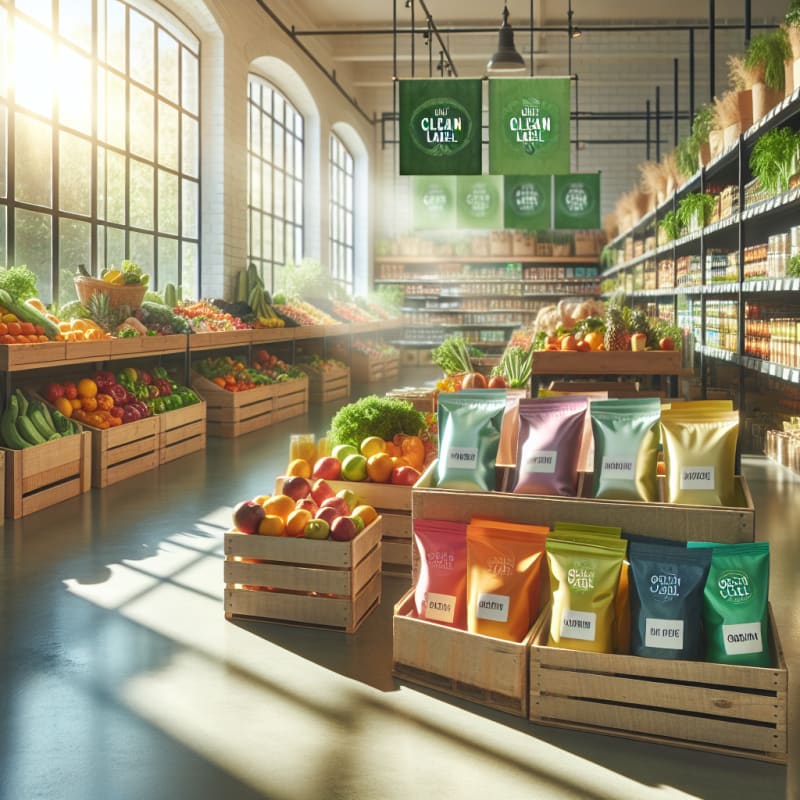
Artificial food dyes have colored our snacks, cereals, and candies for decades — but that’s rapidly changing. In 2025, the FDA’s artificial food dyes ban and the growing clean label movement are reshaping how brands formulate products. Major players like Walmart, Nestlé, and PepsiCo are pledging to remove synthetic dyes by 2027, signaling a major shift toward transparency and natural ingredients.
This article explains what the FDA’s phase-out means, why it’s happening now, and how both consumers and manufacturers can prepare for a future free from synthetic colors.
Why the FDA Is Phasing Out Artificial Food Dyes
The FDA’s decision to restrict and phase out certain synthetic dyes, including Red No. 3, follows decades of research linking some artificial colorants to hyperactivity in children and potential carcinogenic risks. Although the FDA approved these dyes in the 20th century, modern toxicology and consumer advocacy have pushed regulators to revisit their safety.
According to the FoodGraph report “Time’s Up for Artificial Food Dyes”, the FDA’s move aligns with global trends in food safety and transparency. The European Union and several Asian markets already limit or require warning labels for synthetic dyes, making U.S. reformulation inevitable.
Key Drivers Behind the Ban
- Health Concerns: Studies have linked certain dyes to behavioral effects in children.
- Consumer Demand: Shoppers increasingly prefer “clean label” products with recognizable ingredients.
- Regulatory Pressure: The MAHA (Modernization of Additives and Health Act), championed by RFK Jr., is accelerating scrutiny of additives.
- Global Alignment: International standards are pushing U.S. brands to harmonize formulations.
Timeline: The FDA Ban and the 2027 Synthetic Dye Phase-Out
| Year | Milestone | Impact |
|---|---|---|
| 2024 | FDA announces intent to phase out Red No. 3 | Triggers reformulation planning across major brands |
| 2025 | Formal rulemaking and industry guidance released | Manufacturers begin testing natural color replacements |
| 2026 | Retailers set internal reformulation deadlines | Private label products begin removing synthetic dyes |
| 2027 | Full phase-out of Red No. 3 and related dyes | Clean label products dominate mainstream shelves |
Walmart and Major Brands Lead the Clean Label Shift
In October 2025, Walmart announced it will eliminate synthetic dyes across all private brand food products by 2027. This move follows consumer pressure and aligns with similar commitments from Nestlé, PepsiCo, and General Mills.
According to Food Dive’s 2025 Food & Beverage Trends report, over 60% of U.S. consumers now read ingredient labels for artificial additives. Retailers are responding by prioritizing natural colors derived from plants, fruits, and minerals.
Examples of Natural Color Replacements
- Beet juice and pomegranate extract for red hues
- Turmeric and saffron for yellow tones
- Spirulina and butterfly pea flower for blues and purples
- Carrot concentrate and annatto for orange shades
Health and Regulatory Context
While the FDA has not banned all artificial dyes, the agency’s evolving stance reflects a precautionary approach. The FDA ban on Red No. 3 specifically targets its use in foods and supplements due to carcinogenicity concerns observed in animal studies. The agency continues to evaluate other dyes under the MAHA framework, which prioritizes additive safety reassessment.
Consumers can expect clearer labeling, more transparent ingredient disclosures, and possibly new warning requirements for remaining synthetic additives.
How the MAHA Movement Is Changing Food Additives
The Modernization of Additives and Health Act (MAHA), supported by RFK Jr. and public health advocates, aims to overhaul how food additives are reviewed and approved. It calls for independent safety testing, stricter labeling, and faster removal of outdated approvals. This movement is not limited to dyes—it also targets preservatives, emulsifiers, and artificial sweeteners.
Social media has amplified this conversation. A viral YouTube video explaining the MAHA movement has reached millions, showing how consumer activism is driving corporate and regulatory change.
Clean Label Reformulation: Challenges and Opportunities
Reformulating without synthetic dyes isn’t simple. Natural colorants can be less stable, more expensive, and vary in shade depending on pH and light exposure. However, advances in food technology are improving the performance and cost-effectiveness of natural alternatives.
Key Reformulation Strategies
- Blending Natural Pigments: Combining sources like beetroot and spirulina for consistent color.
- Encapsulation Technology: Protecting natural pigments from heat and oxidation.
- Fermentation-Derived Colors: Using microbial processes to produce stable natural hues.
Brands that adapt early can gain a competitive edge, appealing to health-conscious consumers and avoiding future regulatory risks.
How Food Scan Genius Helps Consumers and Brands
With so many ingredient changes underway, shoppers often struggle to identify which products contain synthetic dyes. The Food Scan Genius app makes this easy. By scanning a barcode, users instantly see if a product includes artificial colors, allergens, or additives under review by the FDA.
“I started using Food Scan Genius after my son’s school banned snacks with artificial dyes. Now I can check every label in seconds — it’s a game changer!” — Melissa R., parent and user
For brands, Food Scan Genius offers an opportunity to showcase transparency and build trust with clean label consumers.
Why This Matters for Everyone
The artificial food dyes ban isn’t just about color—it’s about trust, transparency, and the future of food. As the U.S. moves toward cleaner ingredients, consumers gain more control over what they eat, and brands gain loyalty through honesty.
With 11.5% of U.S. packaged foods still containing synthetic dyes, the next two years will be pivotal. The shift to natural colorants will redefine product development, supply chains, and even marketing strategies.
FAQs About the FDA Artificial Food Dyes Ban
1. What dyes are being banned by the FDA?
The FDA is phasing out Red No. 3 and reviewing other synthetic dyes for potential health risks. The full phase-out is expected by 2027.
2. Why is Red No. 3 being banned?
Red No. 3 has been linked to potential carcinogenic effects in animal studies, prompting the FDA to remove its approval for food and supplement use.
3. How will this affect food prices?
Natural colorants can be more expensive, but as technology improves and demand rises, costs are expected to stabilize by 2027.
4. What are the best natural alternatives to synthetic dyes?
Common alternatives include beet juice, turmeric, spirulina, and annatto, all offering vibrant colors without synthetic chemicals.
5. How can consumers check if a product contains artificial dyes?
Consumers can read ingredient labels or use the Food Scan Genius app to instantly identify synthetic additives.
6. What is the MAHA movement?
The MAHA (Modernization of Additives and Health Act) seeks to reform how food additives are approved and monitored, emphasizing safety and transparency.
{
“@context”: “https://schema.org”,
“@type”: “FAQPage”,
“mainEntity”: [
{
“@type”: “Question”,
“name”: “What dyes are being banned by the FDA?”,
“acceptedAnswer”: {
“@type”: “Answer”,
“text”: “The FDA is phasing out Red No. 3 and reviewing other synthetic dyes for potential health risks, with a full phase-out expected by 2027.”
}
},
{
“@type”: “Question”,
“name”: “Why is Red No. 3 being banned?”,
“acceptedAnswer”: {
“@type”: “Answer”,
“text”: “Red No. 3 has been linked to potential carcinogenic effects in animal studies, prompting the FDA to remove its approval for food and supplement use.”
}
},
{
“@type”: “Question”,
“name”: “How will this affect food prices?”,
“acceptedAnswer”: {
“@type”: “Answer”,
“text”: “Natural colorants can be more expensive, but as technology improves and demand rises, costs are expected to stabilize by 2027.”
}
},
{
“@type”: “Question”,
“name”: “What are the best natural alternatives to synthetic dyes?”,
“acceptedAnswer”: {
“@type”: “Answer”,
“text”: “Common alternatives include beet juice, turmeric, spirulina, and annatto, all offering vibrant colors without synthetic chemicals.”
}
},
{
“@type”: “Question”,
“name”: “How can consumers check if a product contains artificial dyes?”,
“acceptedAnswer”: {
“@type”: “Answer”,
“text”: “Consumers can read ingredient labels or use the Food Scan Genius app to instantly identify synthetic additives.”
}
},
{
“@type”: “Question”,
“name”: “What is the MAHA movement?”,
“acceptedAnswer”: {
“@type”: “Answer”,
“text”: “The MAHA (Modernization of Additives and Health Act) seeks to reform how food additives are approved and monitored, emphasizing safety and transparency.”
}
}
]
}
Final Takeaway
The FDA’s artificial food dyes ban marks a turning point in U.S. food regulation. As brands reformulate and consumers demand transparency, the clean label era is officially here. Whether you’re a parent, a brand manager, or just a snack lover, understanding what’s in your food has never been more important — and tools like Food Scan Genius make it easier than ever to stay informed.