FDA Artificial Food Dyes Ban 2025–2027: Timeline, Impacts & Natural Replacements
Artificial food dyes ban is one of the biggest regulatory shifts in the U.S. food industry since trans fats were phased out. Between 2025 and 2027, the FDA will begin restricting and ultimately banning several synthetic food dyes—including Red No. 3—due to growing health concerns and consumer demand for clean label foods. Major brands like Walmart, Nestlé, and PepsiCo are already reformulating to meet these new standards.
This change affects nearly 11.5% of packaged foods sold in the U.S., from candies and cereals to beverages and snack products. It also aligns with the MAHA movement (Mothers Against Harmful Additives), which has gained momentum under RFK Jr.’s advocacy for safer school meals and transparent labeling.
Why the FDA Is Banning Artificial Food Dyes
Artificial dyes have long been used to make foods more visually appealing, but scientific reviews and public pressure have raised concerns about their safety. The FDA’s updated stance follows decades of research linking certain synthetic dyes to behavioral effects in children and potential carcinogenic risks.
According to FoodGraph, the FDA’s 2025–2027 schedule will phase out Red No. 3 first, with other dyes under review. The agency cites evidence of thyroid tumor formation in animal studies and heightened sensitivity among children.
Key Timeline of the FDA Food Dye Ban
| Year | Regulatory Action | Impacted Dyes |
|---|---|---|
| 2025 | FDA begins phase-out guidance for synthetic dyes in school meals and children’s products. | Red No. 3, Yellow No. 5 (under review) |
| 2026 | Manufacturers required to submit reformulation plans; voluntary compliance encouraged. | Red No. 3, Blue No. 1 |
| January 2027 | Full ban on Red No. 3 in food and beverages; enforcement begins for non-compliance. | Red No. 3 |
Major Brands Leading Reformulation Efforts
Large food manufacturers are moving fast to adapt. Walmart announced it will eliminate all synthetic dyes from its private-label products by 2027. Just Food reports that Nestlé and PepsiCo are also reformulating snack and beverage lines to meet consumer expectations for natural colors.
These corporate changes are not only regulatory-driven but also market-driven. A Food Dive analysis shows that clean-label snacks and beverages are outperforming traditional products by 18% in sales growth, signaling a clear shift in consumer preference.
Product Categories Most Affected
- Children’s cereals and gummies
- Snack foods and chips
- Soft drinks and flavored waters
- Frozen desserts and ice creams
- Bakery items and frostings
Natural Alternatives to Artificial Food Coloring
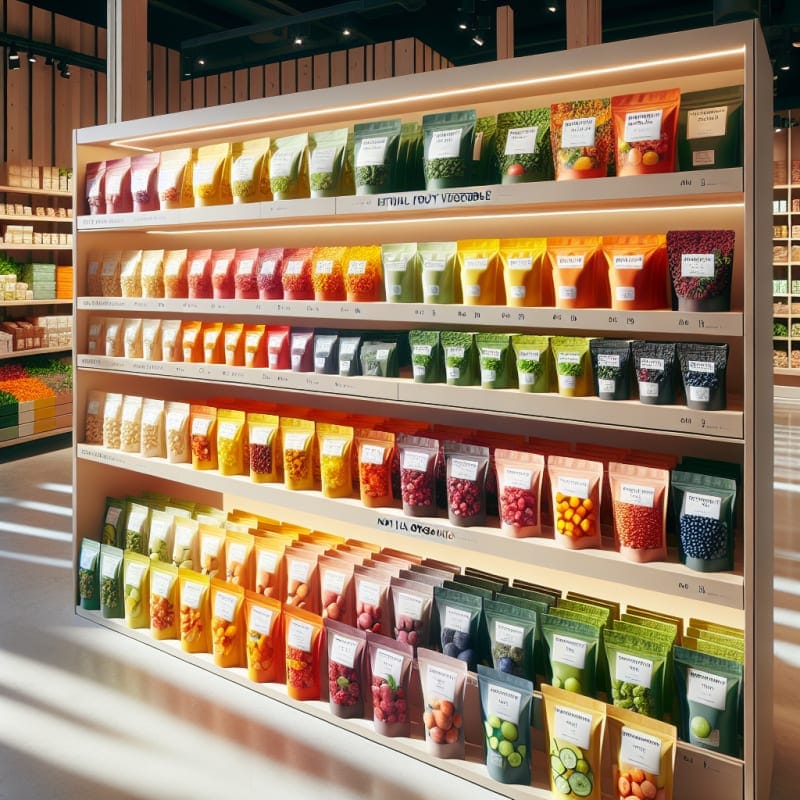
As synthetic dyes are phased out, brands are turning to natural food colors derived from plants, fruits, and minerals. These alternatives not only comply with FDA regulations but also align with consumer demand for transparency and sustainability.
Popular Natural Color Sources
| Natural Source | Color Hue | Common Applications |
|---|---|---|
| Beet juice | Red / Pink | Beverages, candies, yogurts |
| Turmeric | Yellow / Gold | Snacks, sauces, baked goods |
| Spirulina | Blue / Green | Ice creams, smoothies |
| Carrot and paprika extracts | Orange / Red | Soups, chips, dressings |
According to Food Ingredients First, demand for these natural pigments has surged by 22% in 2025, prompting suppliers to expand production capacity and improve stability for heat and light exposure.
How the MAHA Movement Is Influencing Policy
The MAHA movement, led by RFK Jr., has become a powerful voice for parents and educators demanding safer school meals. Their lobbying efforts helped accelerate the FDA’s review process and inspired state-level bans on synthetic dyes in California and New York.
By 2027, school meal programs nationwide will be required to comply with dye-free standards, marking a major milestone in public health advocacy and ingredient transparency.
How Food Scan Genius Helps Consumers Navigate Ingredient Changes
With so many reformulations underway, shoppers may struggle to identify which products still contain synthetic dyes. The Food Scan Genius app makes this easy—simply scan a product barcode to see whether it includes artificial colors, allergens, or hidden additives.
“I started using Food Scan Genius after hearing about the Red No. 3 ban. It’s amazing how quickly I can see which snacks are clean-label and which still use synthetic dyes.” — Jessica M., parent and health-conscious shopper
Try it today at scangeni.us and make informed choices as the FDA’s dye ban takes effect.
Broader Impact: Why Ingredient Transparency Matters
Beyond dyes, this movement highlights a broader consumer push for transparency. Mislabeling, hidden additives, and inconsistent ingredient disclosures remain major challenges. As regulations tighten, brands that embrace openness and natural reformulation will gain trust and market share.
For consumers, understanding ingredient lists is no longer optional—it’s essential for health, ethics, and sustainability. Apps like Food Scan Genius and clean-label certifications make this easier than ever.
FAQ: Artificial Food Dyes Ban Explained
1. What is the FDA artificial food dyes ban?
The FDA ban refers to the upcoming restrictions on synthetic dyes like Red No. 3, set to begin in 2025 and fully enforced by 2027. It aims to protect consumers from potential health risks and promote natural alternatives.
2. When will Red No. 3 be officially banned?
Red No. 3 will be prohibited in food and beverages starting January 2027, according to FDA regulatory updates cited by FoodGraph.
3. Which brands are removing synthetic dyes?
Walmart, Nestlé, and PepsiCo are leading the reformulation movement, with Walmart committing to eliminate all synthetic dyes from private-label products by 2027 (source).
4. What are natural alternatives to artificial dyes?
Natural pigments like beet juice, turmeric, spirulina, and paprika extracts are replacing synthetic colors in snacks, beverages, and desserts.
5. How can consumers identify dye-free products?
Using apps like Food Scan Genius helps shoppers instantly check ingredient lists and avoid artificial additives.
6. How does the MAHA movement affect this ban?
The MAHA movement, led by RFK Jr., has influenced both federal and state-level policies to remove synthetic dyes from school meals by 2027.
Final Takeaway
The FDA artificial food dyes ban marks a turning point for U.S. food safety and consumer empowerment. As synthetic colors disappear from shelves, natural alternatives are becoming the new standard. Whether you’re a parent, manufacturer, or health-conscious shopper, understanding these changes helps you make smarter, cleaner choices.
Stay informed, read labels carefully, and use tools like Food Scan Genius to navigate the transition toward a dye-free future.
{
“@context”: “https://schema.org”,
“@type”: “FAQPage”,
“mainEntity”: [
{
“@type”: “Question”,
“name”: “What is the FDA artificial food dyes ban?”,
“acceptedAnswer”: {
“@type”: “Answer”,
“text”: “The FDA ban restricts synthetic dyes like Red No. 3 starting in 2025, with full enforcement by 2027 to protect consumers and encourage natural alternatives.”
}
},
{
“@type”: “Question”,
“name”: “When will Red No. 3 be officially banned?”,
“acceptedAnswer”: {
“@type”: “Answer”,
“text”: “Red No. 3 will be banned from food and beverages beginning January 2027, according to FDA updates.”
}
},
{
“@type”: “Question”,
“name”: “Which brands are removing synthetic dyes?”,
“acceptedAnswer”: {
“@type”: “Answer”,
“text”: “Major brands like Walmart, Nestlé, and PepsiCo are reformulating products to remove synthetic dyes by 2027.”
}
},
{
“@type”: “Question”,
“name”: “What are natural alternatives to artificial dyes?”,
“acceptedAnswer”: {
“@type”: “Answer”,
“text”: “Natural color sources such as beet juice, turmeric, spirulina, and paprika extracts are replacing synthetic dyes in foods and drinks.”
}
},
{
“@type”: “Question”,
“name”: “How can consumers identify dye-free products?”,
“acceptedAnswer”: {
“@type”: “Answer”,
“text”: “Apps like Food Scan Genius allow shoppers to scan barcodes and instantly see if products contain artificial dyes or additives.”
}
},
{
“@type”: “Question”,
“name”: “How does the MAHA movement affect this ban?”,
“acceptedAnswer”: {
“@type”: “Answer”,
“text”: “The MAHA movement, led by RFK Jr., pushed for dye-free school meals and influenced FDA and state-level actions to remove synthetic dyes by 2027.”
}
}
]
}