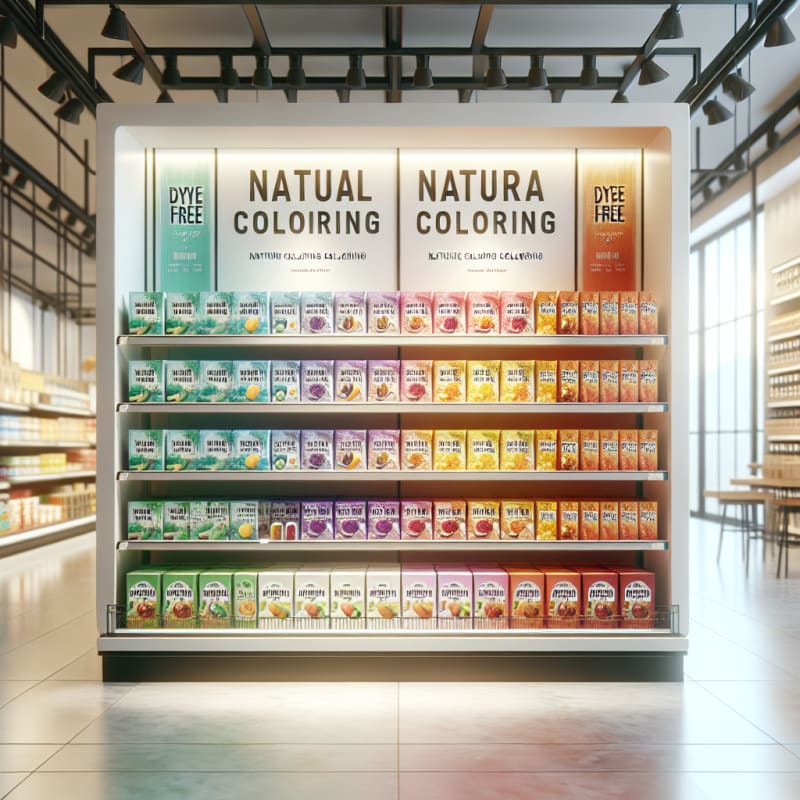
The End of Artificial Food Dyes: FDA and Industry Responses in 2025
Across grocery aisles and restaurant menus, the bright colors that once defined processed foods are fading. The FDA’s phase-out of synthetic food dyes, combined with state-level bans and corporate reformulations, marks a turning point in how we think about artificial food additives. This shift reflects a broader movement toward transparency, health-conscious ingredients, and regulatory accountability in the U.S. food system.
Why Artificial Food Additives Are Under Review
Artificial food additives—including synthetic dyes, preservatives, and flavor enhancers—have long been used to improve appearance, shelf life, and taste. However, recent scientific reviews and consumer advocacy have raised concerns about their safety and necessity. The FDA’s ongoing post-market review of food additives aims to reassess older approvals using modern toxicological data and exposure modeling (PubMed).
Public health experts and organizations such as the Institute of Food Technologists (IFT) highlight that the 2025–2030 Dietary Guidelines for Americans will likely include stronger recommendations to limit ultraprocessed foods and synthetic additives. This guidance aligns with global trends toward cleaner labels and natural colorings.
FDA’s Phase-Out Timeline for Synthetic Food Dyes
According to recent regulatory updates summarized by FoodGraph, the FDA plans to phase out several synthetic food dyes—including Red No. 40, Yellow No. 5, and Blue No. 1—by 2027. The agency cites emerging evidence linking certain dyes to behavioral effects in children and allergenic responses in sensitive populations.
| Year | Regulatory Milestone | Industry Impact |
|---|---|---|
| 2025 | FDA announces final rule and transition guidelines | Manufacturers begin reformulation planning |
| 2026 | State-level bans and labeling requirements expand | Retailers accelerate product audits |
| 2027 | Full phase-out of synthetic dyes from U.S. food supply | Natural colorings dominate reformulated products |
Q&A: What Does the Phase-Out Mean for Consumers?
Q: Will foods look different after synthetic dyes are removed?
A: Yes, many reformulated products will have subtler tones derived from natural sources like beetroot, turmeric, and spirulina. Manufacturers are investing in color stability research to maintain visual appeal.
Q: Are natural colorings safer?
A: Generally, yes. Natural pigments are derived from plants and minerals, and undergo safety assessments under FDA’s GRAS (Generally Recognized as Safe) framework. However, some natural extracts may still cause allergic reactions in sensitive individuals.
Industry Response: Reformulation and Supply Chain Shifts
Major retailers and food brands are leading the charge toward cleaner formulations. In October 2025, Walmart announced its plan to eliminate synthetic dyes from all private brand foods by 2027. This move pressures suppliers to find natural alternatives and reconfigure production lines.
According to Food Dive, the shift is already influencing snack and beverage innovation. Brands are experimenting with fruit and vegetable powders, microencapsulated natural pigments, and fermentation-derived colorants to meet consumer expectations for vibrant yet clean-label products.
Impact on the Food Supply Chain
- Ingredient sourcing: Demand for natural colorants is driving agricultural partnerships and new extraction technologies.
- Cost implications: Natural dyes can be more expensive, but economies of scale are improving as adoption grows.
- Consumer perception: Products marketed as “free from artificial additives” are gaining shelf appeal and trust.
Regulatory Trends Beyond Dyes: Sweeteners and Preservatives
The FDA’s review extends beyond colorants. Artificial sweeteners and preservatives are also under scrutiny, with potential updates to labeling and permissible usage levels. The agency’s post-market safety review ensures that additives approved decades ago still meet modern health standards.
IFT’s Top Ten Food Trends for 2025 notes that “cleaner formulations” are now a competitive advantage, not just a compliance measure. Companies that proactively reformulate are better positioned for future regulatory shifts and consumer trust.
Consumer Demand and Transparency
Social media and advocacy groups have amplified public awareness of additive safety. Viral discussions—like those featured on YouTube and FoodGraph—show growing skepticism toward chemical-sounding ingredients. Consumers increasingly seek transparency and prefer foods with recognizable, natural components.
How Food Scan Genius Helps Consumers
Apps like Food Scan Genius make ingredient transparency accessible. By scanning product labels, users can instantly see if a food contains artificial additives, allergens, or synthetic dyes. The app’s database links directly to FDA and scientific sources, helping users make informed choices.
“I used Food Scan Genius at the grocery store, and it flagged several snacks with synthetic dyes I didn’t realize were still in them. It’s now my go-to for clean shopping.” — Maria L., Food Scan Genius user
Broader Implications for Public Health and Policy
The transition away from artificial food additives represents a major public health milestone. It aligns with global sustainability goals, reduces chemical exposure, and supports innovation in natural ingredient development. The FDA’s phased approach ensures a balanced transition—protecting consumers while giving industry time to adapt.
As the 2025–2030 Dietary Guidelines evolve, policymakers are expected to integrate additive reduction into broader nutrition strategies. This could influence school meal standards, food labeling laws, and even international trade regulations related to additive use.
FAQ: Artificial Food Additives and the 2025–2027 Transition
1. What are artificial food additives?
Artificial food additives are man-made substances added to food to enhance color, flavor, or shelf life. Common examples include synthetic dyes, preservatives, and flavor enhancers.
2. Why is the FDA phasing out synthetic food dyes?
The FDA is responding to new scientific evidence and consumer concerns about potential health effects, especially in children. The goal is to replace synthetic dyes with safer, natural alternatives.
3. How will this affect food manufacturers?
Manufacturers must reformulate products, update supply chains, and comply with new labeling standards. Many are investing in natural color technology and cleaner ingredient sourcing.
4. Are other additives under review?
Yes. Artificial sweeteners, preservatives, and flavoring agents are also being reviewed under the FDA’s post-market safety program.
5. How can consumers identify artificial additives?
Reading ingredient labels and using apps like Food Scan Genius helps consumers spot synthetic additives and make informed choices.
6. What’s the timeline for full removal?
Most synthetic dyes will be phased out by 2027, with reformulated products appearing on shelves throughout 2025–2026.
Final Takeaway
The phasing out of synthetic food dyes and other artificial food additives marks a new era of accountability and innovation in the food industry. As regulatory pressure grows and consumer awareness deepens, companies are embracing transparency and natural alternatives. Whether you’re a shopper, parent, or food professional, understanding what’s in your food has never been more important.
To stay informed and make cleaner choices, try Food Scan Genius—your smart companion for ingredient transparency in the age of additive reformulation.