Food and Diabetes Risk: What’s the Connection?
As food shoppers and eaters become increasingly aware of what goes into their meals, understanding the link between food ingredients and diabetes risk is more important than ever. With new research, evolving regulations, and technology like Food Scan Genius, making smart food choices is easier and safer for everyone—especially those concerned about diabetes, food sensitivities, or dietary preferences.
How Food Choices Influence Diabetes Risk
Diabetes, particularly type 2, is closely linked to dietary habits. Consuming foods high in added sugars, refined grains, and unhealthy fats can increase the risk, while a diet rich in whole grains, fiber, lean proteins, and healthy fats may help prevent or manage the condition.1 The glycemic index (GI)—a measure of how quickly foods raise blood sugar—plays a significant role. Foods with a high GI cause rapid spikes in blood glucose, stressing insulin response.2
| Food Type | Effect on Diabetes Risk | Recommended Alternatives |
|---|---|---|
| Refined grains (white bread, rice) | Increase risk | Whole grains (brown rice, oats) |
| Sugary drinks | Increase risk | Water, unsweetened tea |
| Processed meats | Increase risk | Lean poultry, fish, legumes |
| High-fiber foods | Lower risk | Vegetables, beans, nuts |
Latest Food Safety Alerts and Dietary Regulations
- Food Recalls: Recent news highlights recalls of salad kits and deli meats due to possible Listeria contamination (Food Safety News). People with diabetes are especially vulnerable to foodborne illnesses.
- Labeling Laws: The FDA’s updated Nutrition Facts Label now requires added sugars to be listed, helping consumers identify hidden risks.
- Ingredient Bans: The European Food Safety Authority (EFSA) recently reviewed titanium dioxide, leading to its ban in food products across Europe due to safety concerns (EFSA News).
Emerging Food Trends Impacting Diabetes Risk
- Plant-Based Diets: Growing evidence shows plant-based eating can lower diabetes risk and improve blood sugar control.3
- Keto Diets: Low-carb, high-fat diets may help manage blood sugar but should be approached with caution and professional guidance.4
- Brand Reformulations: Major brands are reducing added sugars and artificial ingredients to meet consumer demand for healthier options (FoodNavigator).
Food Sensitivities, Preferences, and Ethical Concerns
People with food allergies, sensitivities, or ethical concerns face additional challenges. Cross-contamination, hidden sugars, and unclear labeling can complicate diabetes management. Regulatory bodies like the FDA and EFSA continue to update guidelines to protect these groups.5
How Food Scan Genius Simplifies Smart Food Choices
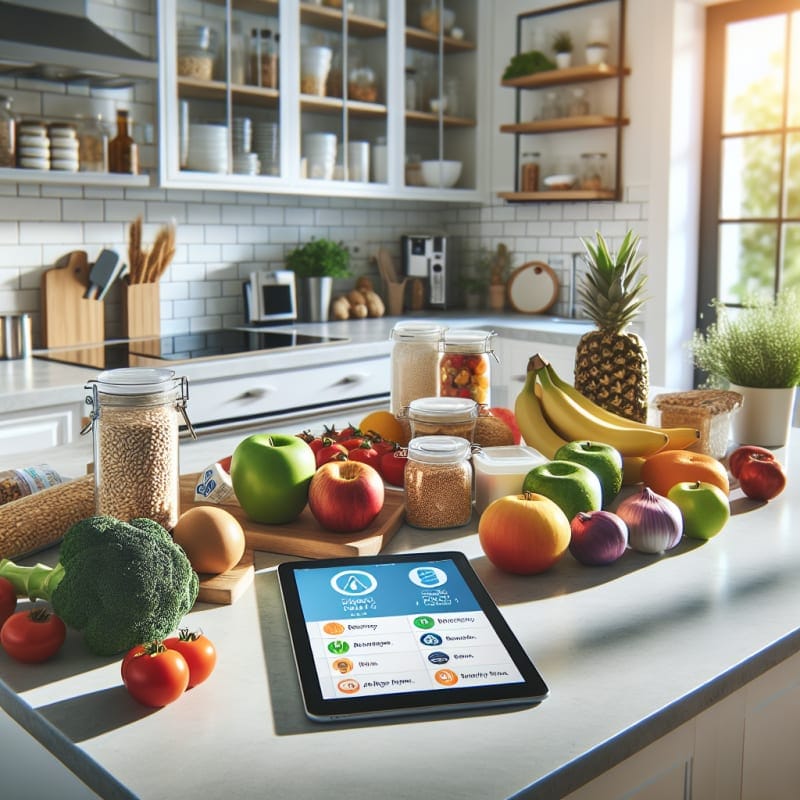
The Food Scan Genius app empowers users to scan product barcodes and instantly see ingredient risks, including added sugars, allergens, and banned substances. This is especially helpful for people managing diabetes or food sensitivities.
User Testimonial: “Food Scan Genius helped me avoid foods with hidden sugars and allergens. I feel confident making choices that fit my diabetes management plan!” — Maria L., verified app user
Long-Term Implications and Global Relevance
Diabetes is a growing global health issue, with over 500 million affected worldwide.6 Understanding food ingredients, staying updated on safety alerts, and using technology like Food Scan Genius can help reduce risk and improve quality of life for everyone. Regulatory agencies like the FDA and EFSA play a crucial role in ensuring safer food environments for all.
Key Takeaways
- Choose whole, minimally processed foods to lower diabetes risk.
- Stay informed about recalls and ingredient bans to protect your health.
- Use tools like Food Scan Genius to simplify smart food choices.
- Monitor news and updates from trusted sources like the FDA and EFSA.
FAQ: Food and Diabetes Risk
A: Limit foods high in added sugars, refined grains, and processed meats. Choose whole grains, vegetables, lean proteins, and healthy fats.
A: Food recalls, especially for contamination, pose a higher risk for people with diabetes due to compromised immunity. Always check recall alerts before purchasing.
A: The app identifies added sugars, allergens, and banned ingredients, helping users make safer, healthier food choices.
Conclusion
Whether you’re shopping for yourself or your family, understanding the connection between food and diabetes risk is essential. By keeping up with the latest food safety news, regulatory changes, and using technology like Food Scan Genius, you can make smarter, safer choices every day. Download Food Scan Genius today at scangeni.us and take control of your food decisions.
References:
- Dietary patterns and diabetes risk (PubMed)
- FDA: Diabetes and Nutrition
- Plant-based diets and diabetes (PubMed)
- Keto diets and diabetes (PubMed)
- FDA: Food Allergies
- WHO: Diabetes Fact Sheet
- Food Safety News: Salad Kit Recall
- EFSA: Titanium Dioxide Ban
- FoodNavigator: Brand Reformulations
- Technology Networks: Food and Diabetes Risk