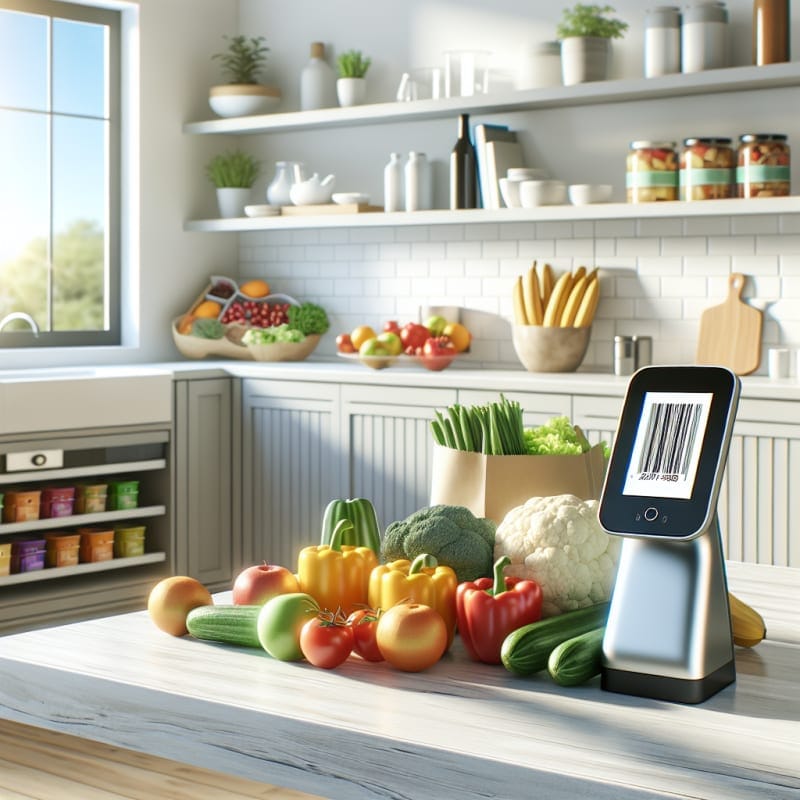
What Does It Mean When a Product Is Scanned? How to Decode Food Labels
In the modern food marketplace, the simple act of scanning a product—whether at the checkout or with a smartphone—has become a gateway to understanding what we eat. For consumers increasingly concerned about health, safety, and transparency, decoding food labels is no longer optional. This article explores the meaning behind product scanning, how to interpret food labels, the role of technology, and why these practices matter for everyone, especially those with dietary sensitivities.
Introduction: The Power of Scanning in Food Choices
Imagine standing in a supermarket aisle, smartphone in hand, faced with a wall of packaged foods. The labels are dense with information—ingredients, nutrition facts, certification marks, and barcodes. You scan a product, and suddenly, a wealth of data appears: allergens, additives, sustainability scores, and more. This process, once reserved for retail logistics, now empowers individuals to make informed choices about their health and wellbeing.
But what does it actually mean when a product is scanned? How does this act help us decode food labels and ingredients? And why is this knowledge increasingly critical in today’s food environment?
Understanding Product Scanning: From Barcodes to Data Insights
What Is Product Scanning?
Product scanning refers to the use of technology—typically a barcode reader or smartphone app—to retrieve information about a food item. At its core, scanning translates the unique code on a package into actionable data. Retailers use this for inventory and checkout, but consumers now use scanning apps to access nutritional, allergen, and sourcing information instantly.
- Barcode Scanning: The most common method, using UPC or EAN codes.
- QR Code Scanning: Provides direct access to web-based product details.
- App-Based Scanning: Apps like Food Scan Genius offer personalized insights for dietary needs.
Why Is Scanning Important?
Scanning bridges the gap between opaque packaging and transparent information. According to the FDA, clear labeling is essential for consumer protection and informed choice[1]. Scanning enhances this by making complex data accessible, especially for those with allergies, intolerances, or specific health goals.
Decoding Food Labels: Key Elements Explained
1. Ingredient List
The ingredient list is the foundation of food labeling. Ingredients are listed in descending order by weight, revealing what constitutes the bulk of the product. For those with sensitivities, scanning can highlight hidden allergens or additives, such as soy lecithin or monosodium glutamate (MSG).
| Common Ingredient | Potential Concern | Scan Alert? |
|---|---|---|
| Wheat | Gluten allergy | Yes |
| Milk | Lactose intolerance | Yes |
| Soy | Allergy risk | Yes |
| Artificial Colors | Hyperactivity, sensitivity | Possible |
2. Nutrition Facts
Nutrition labels provide standardized information on calories, macronutrients, vitamins, and minerals. Scanning apps can interpret these numbers, flagging high sodium, sugar, or saturated fat content based on user profiles.
- Calories: Energy value per serving
- Saturated Fat: Linked to cardiovascular risk (PubMed)[2]
- Sodium: Excessive intake increases hypertension risk
- Sugar: Associated with obesity and diabetes
3. Allergen Statements
Mandatory in many regions, allergen statements highlight the presence of major allergens: peanuts, tree nuts, milk, eggs, soy, wheat, fish, and shellfish. Scanning can instantly alert users to these risks, which is vital for those with severe allergies.
4. Additives and Preservatives
Food labels often include codes for additives (e.g., E-numbers in Europe). Some are harmless, while others are controversial. The European Food Safety Authority (EFSA) continually reviews additive safety[3]. Scanning apps can demystify these codes, flagging those that may affect sensitive individuals.
5. Certification Marks
Labels may include certifications such as organic, non-GMO, gluten-free, or fair trade. Scanning can verify these claims and provide additional context.
How Scanning Empowers Consumers: The Rise of Food Tech
Personalized Food Insights
With the proliferation of food scanning apps, consumers can tailor information to their needs. For example, Food Scan Genius enables users to filter products by dietary restrictions—vegan, gluten-free, keto, and more. This personalization is transformative for people with allergies or chronic conditions.
Case Study: Food Scan Genius in Action
Consider Anna, who has celiac disease and a dairy intolerance. Shopping used to be a stressful experience, requiring her to scrutinize every label. After downloading Food Scan Genius, Anna simply scans products and receives instant alerts for gluten or milk ingredients. “I feel empowered and safe,” Anna says. “Food Scan Genius has changed how I shop and eat.”
Benefits of Scanning Apps
- Real-time allergen alerts
- Personalized nutrition analysis
- Ingredient transparency
- Sustainability and ethical sourcing information
Scientific and Regulatory Perspectives
Why Label Accuracy Matters
According to the FDA, accurate labeling is fundamental to public health[1]. Mislabeling can result in severe allergic reactions, nutritional imbalances, or exposure to banned substances. The EFSA regularly updates guidelines on additives and contaminants[3]. Recent news in The New York Times highlighted cases where inaccurate labels led to product recalls and consumer harm[4].
Current News: Labeling and Scanning Trends
- BBC News reports a surge in food scanning app downloads amid rising allergy rates[5].
- Reuters covers regulatory updates on digital food labeling and QR code adoption[6].
Decoding Labels: Common Challenges and Solutions
Challenges in Label Interpretation
- Complex terminology: Scientific names and codes can confuse consumers.
- Hidden allergens: Cross-contamination risks may not be obvious.
- Misleading claims: “Natural” or “healthy” labels may lack regulatory backing.
- Small print: Key information may be hard to read, especially for older adults.
How Scanning Resolves These Issues
Scanning apps use AI and databases to interpret labels, flag risks, and clarify claims. For example, Food Scan Genius uses NLP to analyze ingredient lists and provide spoken alerts, making it accessible for visually impaired users or those in a hurry.
Q&A: Frequently Asked Questions About Product Scanning
Q1: What information can I access by scanning a food product?
Answer: Scanning a product can reveal ingredients, nutrition facts, allergen warnings, additive codes, certification marks, and sourcing details. Advanced apps like Food Scan Genius personalize this data to your dietary profile.
Q2: How reliable is the information from scanning apps?
Answer: Most scanning apps source data from official databases and manufacturer disclosures. However, accuracy depends on label compliance and database updates. Regulatory agencies like the FDA and EFSA oversee labeling standards.
Q3: Can scanning help with food allergies?
Answer: Absolutely. Scanning apps can instantly flag allergens, cross-contamination risks, and provide safe alternatives. For severe allergies, always double-check with manufacturers and consult healthcare professionals.
Q4: Are there privacy concerns with scanning apps?
Answer: Leading apps anonymize user data and comply with privacy regulations. Always review app privacy policies before use.
The Larger Issue: Transparency, Trust, and Health
As food systems grow more complex, the need for transparency intensifies. Scanning technology addresses not only individual health concerns but also broader issues: ethical sourcing, environmental impact, and consumer trust. According to FDA research, clear labeling improves public health outcomes[1]. Digital scanning democratizes access, making food choices safer and more informed for all.
Who Benefits?
- Individuals with allergies or intolerances
- People managing chronic conditions (e.g., diabetes, hypertension)
- Ethical consumers seeking sustainable or fair-trade products
- Parents and caregivers ensuring safe nutrition for children
Related Issues
- Food fraud: Mislabeling and counterfeit products
- Digital divide: Access to scanning technology varies by region and demographics
- Regulatory harmonization: Global standards for labeling and scanning are still evolving
Conclusion: Decoding Food Labels—A Path to Health and Confidence
Understanding what it means when a product is scanned is more than a technological curiosity—it’s a crucial skill for navigating today’s food landscape. By decoding labels, leveraging scanning apps, and staying informed about regulatory changes, consumers gain control over their health and wellbeing.
For those with dietary sensitivities, the challenge of safe eating is real. Tools like Food Scan Genius offer not just convenience but peace of mind. As Anna’s story shows, personalized scanning empowers individuals to shop confidently and eat safely.
In a world of complex ingredients and evolving risks, scanning is the key to transparency. Whether you are managing allergies, pursuing a healthier lifestyle, or simply seeking to understand your food, decoding labels—and using smart technology—puts knowledge in your hands.
References
- FDA: Food Labeling & Nutrition
- PubMed: Dietary Fats and Cardiovascular Disease
- EFSA: Food Additives
- The New York Times: Food Labels and Accuracy
- BBC News: Food Scanning Apps and Allergy Trends
- Reuters: Digital Food Labeling
FAQ
What does it mean when a product is scanned?
Scanning a product means using technology to access detailed information about its ingredients, nutrition, allergens, and certifications. This empowers consumers to make informed choices and avoid risks.
How can scanning help people with food sensitivities?
Scanning instantly reveals hidden allergens and ingredient risks, making it easier for people with sensitivities to shop safely. Apps like Food Scan Genius offer personalized alerts and safe alternatives.
Are scanning apps accurate and trustworthy?
Most scanning apps use official databases and manufacturer data, but accuracy depends on label compliance. Regulatory agencies like the FDA and EFSA oversee standards to ensure reliability.