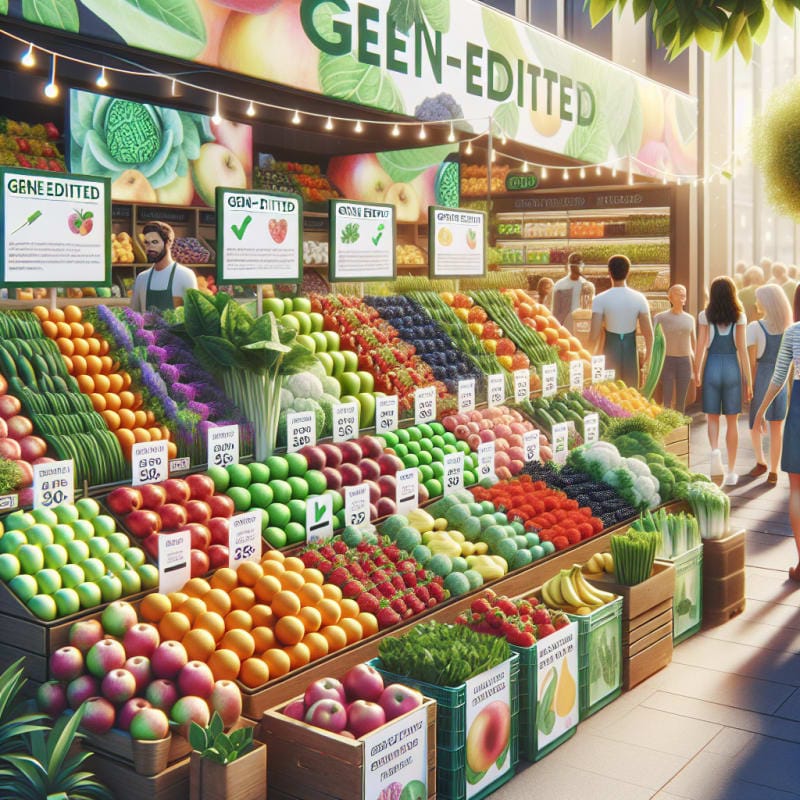
Gene-Edited GMO Fruits and Vegetables: Trends, Safety, and Market Boom in 2025
From supermarket salad greens to strawberries, gene-edited GMO fruits and vegetables are moving from research labs to grocery shelves in 2025. With global demand for sustainable, high-yield crops rising, biotechnology tools like CRISPR-Cas9 are transforming how our food is grown and labeled. But as innovation accelerates, so do questions about safety, transparency, and consumer choice.
According to a Genetic Literacy Project report, gene-edited produce is one of the top food tech trends for 2025. Meanwhile, the U.S. Department of Agriculture (USDA) notes that genetically engineered (GE) crop adoption remains above 90% for major staples like corn, soybeans, and cotton — setting the stage for a new wave of GM fruits and vegetables.
Why Gene-Edited Produce Is Booming
Gene editing allows scientists to make precise changes to a plant’s DNA without introducing foreign genes — a key difference from older transgenic GMOs. This innovation has opened the door to non-browning mushrooms, pest-resistant salad greens, and nutrient-enhanced tomatoes that could reduce food waste and improve nutrition.
| Feature | Traditional GMOs | Gene-Edited (CRISPR) Foods |
|---|---|---|
| Method | Inserts foreign DNA from another species | Edits existing genes within the same species |
| Regulatory Oversight | FDA, USDA, EPA | Often streamlined under new USDA guidance |
| Examples | Bt corn, Roundup Ready soybeans | CRISPR tomatoes, non-browning mushrooms |
| Consumer Labeling | Mandatory GMO disclosure | May fall under “bioengineered” label exemptions |
Top Gene-Edited GMO Fruits and Vegetables in 2025
Here are some of the most anticipated new GMO fruits and vegetables reaching markets this year:
- CRISPR Salad Greens – Engineered for longer shelf life and higher vitamin content.
- Genetically Modified Strawberries – Designed to resist fungal diseases and reduce pesticide use.
- Tomatoes Enhanced with Lycopene – Boosted antioxidant levels for heart health.
- Potatoes with Lower Acrylamide – Safer when fried or baked at high temperatures.
These innovations reflect a broader shift toward precision agriculture and sustainability. As noted by the Canadian Biotechnology Action Network (CBAN), however, consumer awareness and labeling transparency remain critical for informed food choices.
Are Gene-Edited Fruits and Vegetables Safe to Eat?
Regulatory agencies like the FDA and USDA evaluate gene-edited foods for safety, nutritional equivalence, and environmental impact. Current evidence suggests that gene-edited crops are as safe as conventionally bred ones, provided they undergo proper assessment. However, long-term ecological and health monitoring continues to be essential.
Key Safety Insights
- Genetic Precision: CRISPR allows targeted edits, reducing off-target mutations.
- Allergen Testing: New proteins are screened for potential allergenicity.
- Environmental Review: USDA assesses impacts on pollinators and biodiversity.
Still, consumer groups argue that “natural” labeling and bioengineered disclosures can be confusing. This is where digital tools like Food Scan Genius can make a difference.
How Food Scan Genius Helps You Identify GM Produce
With more gene-edited produce entering stores, transparency is key. The Food Scan Genius app lets shoppers scan barcodes or ingredient lists to identify whether an item contains gene-edited or GMO ingredients. It also helps users track allergens, dietary preferences, and sustainability scores.
“I used Food Scan Genius at my local market and instantly saw which salad greens were gene-edited. It gave me peace of mind and saved me time.” — Maya, California
As consumers demand more clarity, tools like this empower informed decisions and support the growing movement for ingredient transparency.
GMO vs Organic Fruits and Vegetables: The Ongoing Debate
The conversation around GMO vs organic produce isn’t just about safety — it’s about sustainability, ethics, and choice. Organic advocates emphasize soil health and biodiversity, while GMO proponents highlight yield efficiency and reduced pesticide use.
| Aspect | GMO / Gene-Edited | Organic |
|---|---|---|
| Yield | Higher, more consistent | Lower, weather-dependent |
| Pesticide Use | Reduced with pest-resistant varieties | Natural or biological controls only |
| Cost | Lower production cost, higher R&D | Higher retail price due to certification |
| Environmental Impact | Mixed — depends on herbicide use | Generally lower chemical footprint |
Regulatory Landscape and Market Growth
The global GMO food market is projected to grow at a 7.2% CAGR through 2029, driven by gene-editing breakthroughs and consumer demand for resilient crops. In the U.S., USDA data shows GE crop adoption rates above 90% for corn, soybeans, and cotton — a sign of strong agricultural acceptance.
As gene-edited produce expands, regulatory frameworks are evolving to balance innovation with safety. The FDA’s voluntary consultation process for gene-edited foods encourages transparency while maintaining science-based oversight.
Why This Matters for Every Consumer
Even if you don’t actively seek out or avoid GM foods, understanding what’s in your produce matters. Gene-edited crops could help address global food security, reduce waste, and enhance nutrition — but they also raise valid questions about labeling, ownership, and biodiversity.
By combining scientific literacy with smart tools like Food Scan Genius, consumers can make choices that align with their health, values, and the planet’s future.
FAQs About Gene-Edited GMO Fruits and Vegetables
1. What’s the difference between gene-edited and traditional GMO foods?
Gene editing like CRISPR modifies existing genes within a plant, while traditional GMOs insert genes from other species. This makes gene-edited crops more precise and often exempt from some GMO regulations.
2. Are gene-edited fruits and vegetables safe to eat?
Yes, major regulatory bodies such as the FDA and USDA evaluate these foods for safety. Studies show they are as safe as conventionally bred crops when properly tested.
3. Which new GMO fruits and vegetables are coming in 2025?
Expect CRISPR salad greens, pest-resistant strawberries, and nutrient-rich tomatoes to reach U.S. and international markets this year.
4. How can I tell if my produce is gene-edited?
Look for “bioengineered” labels or use the Food Scan Genius app to scan barcodes and ingredient lists for instant GMO insights.
5. Do gene-edited crops harm the environment?
It depends on the crop and farming practice. Some reduce pesticide use and soil erosion, while others may raise concerns about biodiversity if overused.
6. Are organic foods completely GMO-free?
Yes. Certified organic foods are required to be produced without genetic engineering or gene-editing technologies.
{
“@context”: “https://schema.org”,
“@type”: “FAQPage”,
“mainEntity”: [
{
“@type”: “Question”,
“name”: “What’s the difference between gene-edited and traditional GMO foods?”,
“acceptedAnswer”: {
“@type”: “Answer”,
“text”: “Gene editing like CRISPR modifies existing genes within a plant, while traditional GMOs insert genes from other species. This makes gene-edited crops more precise and often exempt from some GMO regulations.”
}
},
{
“@type”: “Question”,
“name”: “Are gene-edited fruits and vegetables safe to eat?”,
“acceptedAnswer”: {
“@type”: “Answer”,
“text”: “Yes, major regulatory bodies such as the FDA and USDA evaluate these foods for safety. Studies show they are as safe as conventionally bred crops when properly tested.”
}
},
{
“@type”: “Question”,
“name”: “Which new GMO fruits and vegetables are coming in 2025?”,
“acceptedAnswer”: {
“@type”: “Answer”,
“text”: “Expect CRISPR salad greens, pest-resistant strawberries, and nutrient-rich tomatoes to reach U.S. and international markets this year.”
}
},
{
“@type”: “Question”,
“name”: “How can I tell if my produce is gene-edited?”,
“acceptedAnswer”: {
“@type”: “Answer”,
“text”: “Look for “bioengineered” labels or use the Food Scan Genius app to scan barcodes and ingredient lists for instant GMO insights.”
}
},
{
“@type”: “Question”,
“name”: “Do gene-edited crops harm the environment?”,
“acceptedAnswer”: {
“@type”: “Answer”,
“text”: “It depends on the crop and farming practice. Some reduce pesticide use and soil erosion, while others may raise concerns about biodiversity if overused.”
}
},
{
“@type”: “Question”,
“name”: “Are organic foods completely GMO-free?”,
“acceptedAnswer”: {
“@type”: “Answer”,
“text”: “Yes. Certified organic foods are required to be produced without genetic engineering or gene-editing technologies.”
}
}
]
}
Final Takeaway
As gene-edited GMO fruits and vegetables reshape the 2025 food landscape, consumers face both opportunity and responsibility. These innovations promise healthier, more sustainable produce — but they also demand greater transparency and informed choices. Whether you embrace or avoid GM foods, tools like Food Scan Genius can help you navigate this new era of food technology with confidence.