Gluten-Free Kids Snacks at School: What Every Teacher Needs to Know About Malt Vinegar in Chips
Focus Keyword: gluten free kids snacks
You’re packing school lunches early in the morning—coffee in one hand, lesson plans in the other. Between grading papers and prepping activities, grabbing a “safe” bag of chips for a student event or your own child’s lunch feels simple. The label says “gluten-free,” so it must be fine… right?
For teachers in the U.S., especially those responsible for classrooms where food allergies and dietary needs are part of daily life, that assumption can be risky. One hidden ingredient—malt vinegar in chips—has caused repeated confusion, recalls, and FDA warnings. And when you’re supporting gluten-free kids at school, small label details matter.
The Hidden Problem: Malt Vinegar in Chips Isn’t Gluten-Free Under FDA Rules
If you follow or manage a gluten-free diet—for yourself or for students—you already know gluten can’t “slip in” without consequences. According to the FDA’s gluten-free labeling rule under 21 CFR 101.91, any food labeled “gluten-free” must contain less than 20 parts per million of gluten.
Here’s where malt vinegar becomes a problem.
Malt vinegar is made from barley malt, a gluten-containing grain. While it goes through fermentation, it does not undergo distillation or any process that reliably removes gluten. The FDA explicitly states that because malt vinegar is derived from barley and lacks gluten-removal processing, it cannot be used in foods labeled “gluten-free”.
The FDA reiterated this in its 2020 clarification, confirming that fermented ingredients like malt vinegar are prohibited in gluten-free labeled products if they originate from gluten-containing grains and retain gluten (FDA Q&A on Gluten-Free Labeling).
This isn’t theoretical. Real-world examples keep surfacing:
- Truth in Advertising (TINA.org) documented how Kroger labeled salt & vinegar chips as gluten-free despite containing malt vinegar.
- Gluten-Free Watchdog reported similar mislabeling in Boulder Canyon chips, again citing FDA rules.
For kids with celiac disease or gluten sensitivity, consuming even small amounts of gluten can trigger immune responses, intestinal damage, stomach pain, brain fog, or fatigue—symptoms that can derail an entire school day.
As a teacher, you’re not just packing snacks—you’re protecting learning time, health, and trust.
The Solution Teachers Are Turning To: Food Scan Genius
Reading every label manually while packing school lunches or prepping class parties is exhausting. Ingredient lists change. Manufacturers reformulate. And some packages still carry misleading gluten-free claims.
Food Scan Genius was built for people like you—educators who care deeply about student safety but don’t have time to play FDA detective before the morning bell.
Why teachers across the U.S. are switching:
- You can add “malt vinegar” to your personal dietary profile as a flagged ingredient.
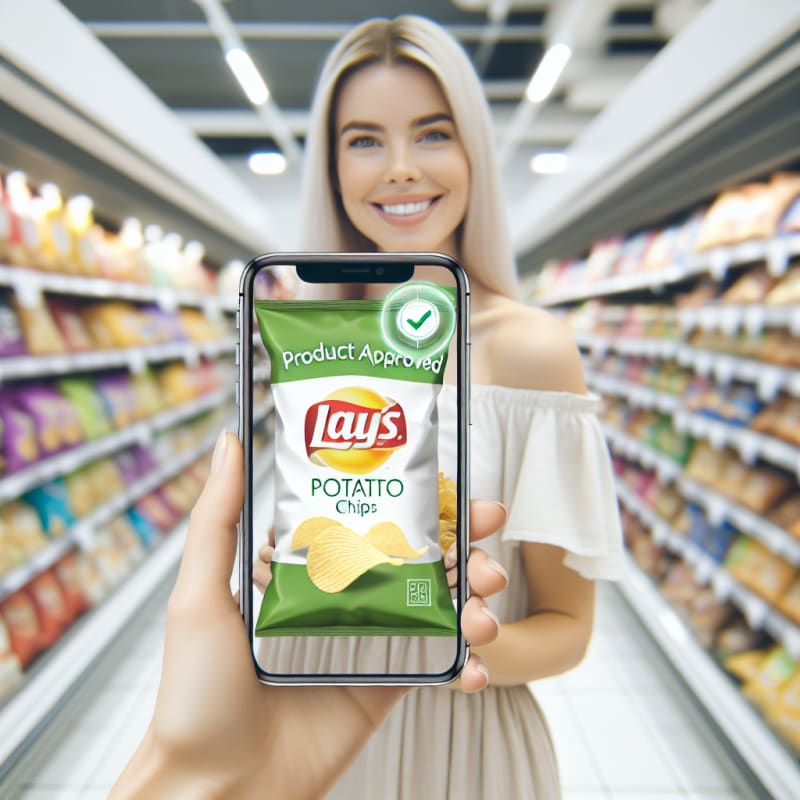
- The app instantly scans packaged foods and alerts you if malt vinegar appears—even when the product claims to be gluten-free.
- It aligns with FDA regulations, not marketing language.
When you’re packing school lunches, organizing reward snacks, or advising parents during school events, Food Scan Genius acts like a second set of trained eyes—fast, accurate, and consistent.
Manual Label Reading vs. Food Scan Genius
| Factor | Manual Label Reading | Food Scan Genius |
|---|---|---|
| Time Required | Several minutes per item | Seconds with a scan |
| FDA Compliance Awareness | Requires personal research | Built around FDA gluten-free rules |
| Ingredient Changes | Easy to miss reformulations | Flags updated ingredient risks |
| Stress Level | High—especially for school settings | Low—confidence at checkout |
| Student Safety | Dependent on label clarity | Proactive protection |
What Teachers Are Saying
“As a 5th-grade teacher in Illinois, I’m constantly aware of food allergies and gluten-free needs in my classroom. I used to avoid chips entirely because I didn’t trust the labels. Food Scan Genius caught malt vinegar in a ‘gluten-free’ snack I almost sent in. That one alert probably saved a student from a really rough day.”
— Emily R., Public School Teacher
Why This Matters in Schools
Gluten-free kids snacks aren’t just a trend—they’re a medical necessity for many students. Under the FDA’s Food Labeling Guide, manufacturers are required to maintain records proving compliance with gluten-free claims, especially when fermented ingredients are involved.
But enforcement happens after the fact. In the classroom, prevention is what counts.
When teachers use tools like Food Scan Genius, they’re not overreacting—they’re applying federal food safety standards in real life.
Frequently Asked Questions
1. Is malt vinegar gluten-free in the United States?
No. According to the FDA, malt vinegar is made from barley and cannot be used in foods labeled gluten-free under 21 CFR 101.91.
2. Can chips with malt vinegar legally say “gluten-free”?
No. The FDA explicitly prohibits malt vinegar in gluten-free labeled products, including chips, because gluten may remain after fermentation.
3. Why is malt vinegar risky for kids with celiac disease?
Even small amounts of gluten can trigger immune responses, intestinal damage, and symptoms that affect learning and well-being.
4. How can teachers quickly check snacks for hidden gluten?
Using a scanning app like Food Scan Genius allows teachers to flag ingredients like malt vinegar instantly without memorizing FDA regulations.
5. Are all vinegar-flavored chips unsafe for gluten-free kids?
No. Some use distilled vinegar instead of malt vinegar. The key is verifying the ingredient source, not just the flavor name.