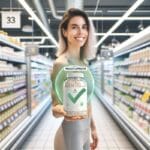
Halal Travel in France: How Tourist Families Can Enjoy Pastries Without Compromising Faith
Imagine this: you’re on vacation in France with your family. The kids are excited, the Eiffel Tower photos are done, and now you’re standing in a Monoprix bakery aisle or a charming corner boulangerie. Golden croissants, flaky pains au chocolat, buttery tarts. It feels like a dream—until a quiet worry hits you.
Is this halal?
For a tourist family traveling in France, food is part of the adventure. But when you follow a Halal diet, especially in a country famous for pastries, eating safely can feel stressful. Language barriers, unfamiliar labeling, and hidden ingredients can quickly turn a joyful moment into anxiety.
This is where understanding the real issue—and using the right tool—changes everything.
The Hidden Problem: Lard in French Pastries
In France, many traditional pastries are made using animal fats. While butter is common, lard (pork fat) is still used in certain fine bakery wares for texture, flakiness, and shelf life. For Muslim families, this is a clear problem: lard is strictly non-halal.
What makes it even harder for tourist families is that French and EU food regulations do not require labeling foods as halal or non-halal. According to the European Food Safety Authority (EFSA), lard is considered a traditional ingredient, not a restricted additive. This means it is legally allowed in pastries sold across France.
Under EU Regulation (EC) No 1333/2008, pastries fall under “fine bakery wares” (category 7.2), where animal fats such as lard can be used without special warnings or prohibitions, as confirmed by official EU guidance documents.
From a health perspective, French authorities focus more on industrial trans fats rather than traditional fats. French MPs have proposed limits on trans fatty acids (max 2%) in processed foods, but these rules do not ban lard and do not address religious dietary needs, as reported by FoodNavigator.
Even ingredients derived from animal fats, such as mono- and diglycerides (E471), are considered safe for use in pastries by EFSA, regardless of whether their origin is halal or haram, according to an EFSA re-evaluation.
The result? Lard can appear in pastries at Monoprix or local bakeries without clear warnings. For a tourist family, guessing is not an option.
The Solution: Food Scan Genius for Halal Families on the Go
This is exactly why more traveling families are turning to Food Scan Genius.
Food Scan Genius is designed for families who want peace of mind while exploring new countries. Instead of trying to decode French ingredient lists or asking busy bakery staff uncomfortable questions, you simply scan the product.
Why tourist families in France are switching to Food Scan Genius:
- You create a personal dietary profile and add “lard” as a blocked ingredient.
- The app instantly checks packaged foods at Monoprix and flags non-halal risks.
- It recognizes EU ingredient standards, including French bakery labeling.
- You save time, avoid mistakes, and keep the whole family safe.
For parents, this isn’t just about food—it’s about protecting your children’s faith while enjoying travel. Food Scan Genius becomes your quiet travel companion, working in the background while you focus on memories.
Manual Label Reading vs. Food Scan Genius
| Travel Situation | Manual Label Reading | Food Scan Genius |
|---|---|---|
| Monoprix bakery aisle | French-only labels, unclear fat sources | Instant halal check with alerts |
| Time with kids waiting | Slow, stressful, error-prone | Scan in seconds, move on |
| Hidden lard risk | Easy to miss | Automatically flagged |
| Family peace of mind | Constant doubt | Confidence and calm |
What a Tourist Family in France Is Saying
“We’re visiting France from abroad with our two kids, and bakeries are everywhere. Before Food Scan Genius, we skipped pastries completely. Now we scan at Monoprix, know exactly what’s safe, and finally enjoy France without fear. It changed our trip.”
— Amina K., family traveler in Paris
Frequently Asked Questions: Halal Scanner France
1. Is lard commonly used in French pastries?
Yes, lard is still used in some traditional French pastries. EU and French regulations allow it as a standard ingredient in fine bakery wares, and it is not always clearly highlighted.
2. Does French law require halal labeling?
No. France follows EU food regulations, which do not mandate halal labeling. Religious dietary compliance is the consumer’s responsibility.
3. Can Monoprix bakery items contain pork fat?
Yes. Some packaged or baked items may include lard or lard-derived ingredients without obvious warnings.
4. How does Food Scan Genius help halal families?
The app lets you block non-halal ingredients like lard and instantly checks products sold in France using EU-compliant ingredient data.
5. Is Food Scan Genius useful for tourists?
Absolutely. It’s designed for travelers who face language barriers and unfamiliar food standards, especially families with children.