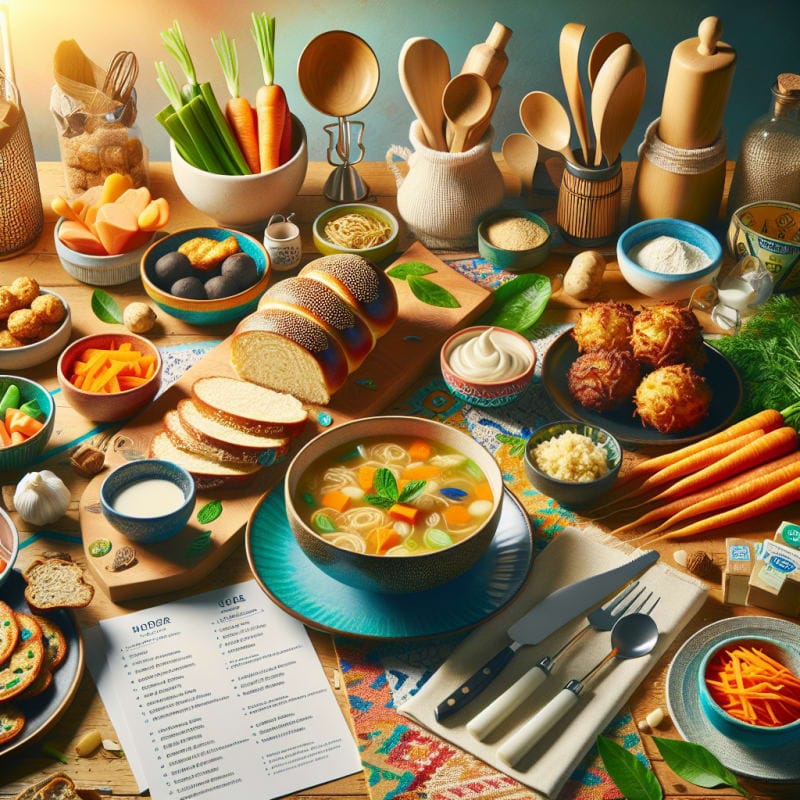
Exploring Jewish Flavors & Recipes: Bridging Communities Through Food Safety and Ingredient Transparency
Food is more than sustenance—it’s a powerful connector. As highlighted in the Jewish Herald-Voice, exploring Jewish flavors and recipes offers a unique opportunity to bridge communities, foster understanding, and promote safe, inclusive eating. With the rise of food sensitivities, new dietary regulations, and evolving ingredient trends, knowing what’s in your food is more important than ever.
Jewish Cuisine: A Gateway to Community and Ingredient Awareness
Jewish food traditions—ranging from matzo ball soup and challah to falafel and shakshuka—are rooted in centuries of migration, adaptation, and dietary laws. These recipes often rely on clear ingredient lists and careful preparation, making them ideal for those with allergies or dietary restrictions. Understanding the origins and components of Jewish dishes can help bridge cultural gaps and foster empathy across diverse communities.
| Classic Jewish Dish | Main Ingredients | Dietary Considerations |
|---|---|---|
| Matzo Ball Soup | Matzo meal, eggs, chicken broth | Gluten, egg allergy |
| Challah | Wheat flour, eggs, sugar | Gluten, egg, sugar |
| Falafel | Chickpeas, herbs, spices | Legume allergy |
| Shakshuka | Eggs, tomatoes, peppers | Egg allergy |
Food Safety Alerts and Ingredient Transparency: Why It Matters
- Recent FDA Recalls: The FDA regularly issues recalls for products containing undeclared allergens, such as nuts or dairy, which can be life-threatening for sensitive individuals.[1]
- New Labeling Laws: Europe’s EFSA has updated regulations requiring clearer allergen labeling and traceability, making it easier for consumers to make informed choices.[2]
- Emerging Food Trends: Plant-based and keto options are increasingly popular, but may contain hidden ingredients. Brands like Impossible Foods are reformulating for cleaner labels.[3]
How Do These Changes Impact You?
Whether you follow kosher, vegan, gluten-free, or other dietary preferences, these updates help ensure safer, more transparent food choices. For those with allergies, ingredient clarity is lifesaving. For ethical eaters, it supports informed decisions about sustainability and animal welfare.
Bridging Communities Through Shared Flavors
Jewish recipes, with their emphasis on tradition and ingredient awareness, can serve as a model for inclusive eating. Hosting interfaith or multicultural food events featuring Jewish dishes allows people to share stories, learn about dietary laws, and understand each other’s needs. This fosters empathy and helps break down barriers.
Food Scan Genius: Empowering Smart Ingredient Choices
Apps like Food Scan Genius make it easy to scan product barcodes and instantly see allergen, kosher, vegan, and other dietary information. This is especially valuable for those navigating complex ingredient lists or new regulations.
User Testimonial: “As someone with gluten and dairy sensitivities, Food Scan Genius has transformed my shopping experience. I can quickly check if a product fits my needs or Jewish dietary laws—no more guesswork!” — Rachel S., Houston
Current News: Food Safety, Trends, and Brand Updates
- Contamination Alerts: CNN reports a recent recall of frozen berries due to hepatitis A contamination, urging consumers to check lot numbers.[4]
- Ingredient Bans: California’s new law bans certain food additives linked to health risks, as covered by The New York Times.[5]
- Brand Reformulations: Major brands are updating recipes to remove artificial colors and allergens, responding to consumer demand for transparency.[6]
Long-Term Implications: Toward Safer, More Inclusive Eating
Ingredient transparency and food safety are global concerns. As authorities like the FDA and EFSA tighten regulations, communities benefit from safer, more inclusive food options. Jewish culinary traditions—emphasizing ingredient clarity and dietary laws—offer valuable lessons for everyone. Apps like Food Scan Genius further empower consumers to make smart, informed choices, simplifying the path to safe, enjoyable eating.
FAQ: Jewish Flavors, Food Safety, and Smart Ingredient Choices
- Q: What are common allergens in Jewish recipes?
A: Wheat, eggs, nuts, and dairy are frequent. Always check ingredient lists and labeling. - Q: How do new food regulations affect kosher products?
A: Stricter labeling laws help ensure kosher products are clearly identified and safer for those with sensitivities. - Q: How can I check for allergens or dietary compatibility?
A: Use apps like Food Scan Genius to scan barcodes and view detailed ingredient and allergen information.
Conclusion: Making Smart Food Choices for All
Understanding ingredients is key to safe, inclusive eating—whether you’re exploring Jewish flavors or navigating new food trends and regulations. By staying informed, using tools like Food Scan Genius, and sharing recipes across communities, we can build a healthier, more connected world. Next time you shop or cook, scan your ingredients, ask questions, and celebrate the flavors that bring us together.
References:
- FDA Food Recalls
- EFSA Food Labeling
- Food Navigator: Plant-Based Brands Reformulate
- CNN: Frozen Berry Recall
- NYT: California Food Additives Ban
- PubMed: Food Allergy Prevalence
- NCBI: Food Labeling Impact
- NCBI: Food Safety Trends
- NCBI: Dietary Regulations
- PubMed: Ingredient Transparency