The Keto Horror Story Lurking in Your Protein Powder
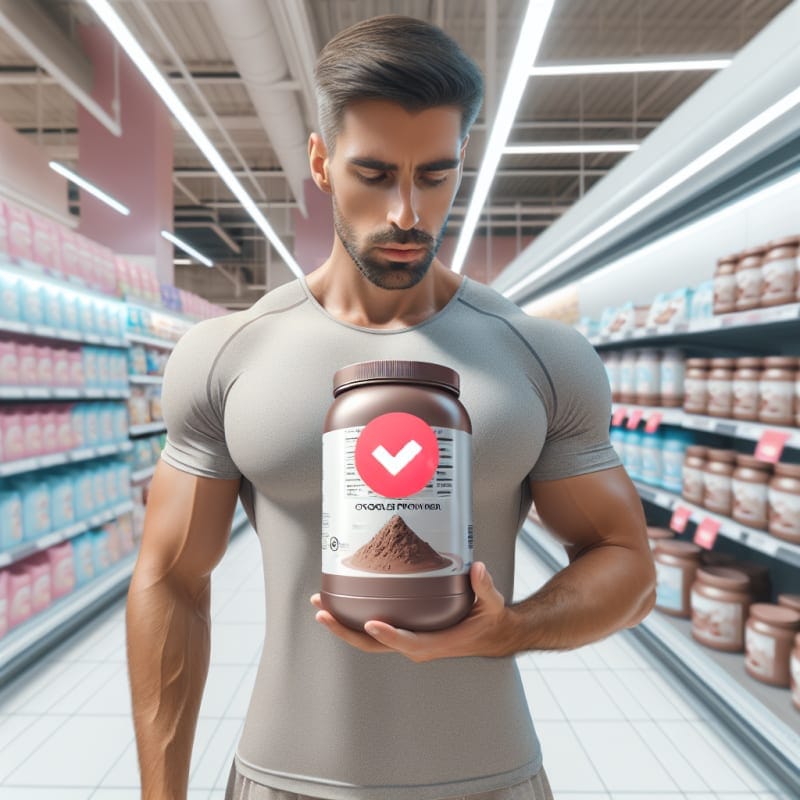
You’re standing under the fluorescent lights of GNC. Pre-workout buzzing through your veins. You grab a tub of protein powder promising “LEAN,” “ZERO SUGAR,” and “ULTRA CLEAN.” You think you’re safe. You’re keto. You lift. You track macros like a machine.
But what if I told you that one scoop of the wrong protein powder could silently kick you out of ketosis… for days?
This isn’t clickbait. For keto-focused gym goers in the USA, this is a real horror story—and it starts with hidden carbs in protein powder.
The Hidden Problem: How Hidden Carbs Sabotage Keto Diets
On keto, carbs aren’t just numbers. They’re the enemy.
The problem? In the U.S., protein powders are regulated as dietary supplements, not drugs. Under FDA rules, manufacturers must list total carbohydrates on the Nutrition Facts panel as required by 21 CFR 101.9—but the FDA does not pre-approve supplements before they hit shelves.
That means what you see on the label may not tell the full story.
Here’s where the nightmare begins for keto gym goers:
- Sugar alcohols that still spike insulin
- Maltodextrin hidden in “proprietary blends”
- Flavoring systems that contribute carbs without clear disclosure
None of these are illegal. But for keto? They’re devastating.
You stall. Your energy crashes. Fat loss stops. And you blame your training—when the real culprit is sitting in your shaker bottle.
The Solution: Food Scan Genius (Your Keto Survival Tool)
This is why serious gym goers are switching to Food Scan Genius.
Food Scan Genius isn’t just another calorie counter. It’s built for people like you—men who lift heavy, follow keto strictly, and shop at places like GNC where marketing often moves faster than transparency.
Why gym-focused keto users are switching:
Inside Food Scan Genius, you create a personal dietary profile. You add your deal-breakers—like hidden carbs, maltodextrin, or specific sugar alcohols.
Then, right there in the supplement aisle, you scan the barcode.
In seconds, the app flags:
- Total and net carbs per serving
- Carb sources buried in blends
- Keto compatibility—clear yes or no
No guesswork. No mental math. No accidental keto violations.
Manual Label Reading vs. Food Scan Genius
| Feature | Manual Label Reading | Food Scan Genius |
|---|---|---|
| Time Spent in Store | 10–15 minutes per product | Under 5 seconds |
| Detecting Hidden Carbs | Easy to miss | Automatically flagged |
| Keto Accuracy | Depends on your knowledge | Personalized to your keto limits |
| Confidence Level | Uncertain | Rock-solid |
Real Talk from the Gym Floor
“I was strict keto, training five days a week, but my progress stalled for months. Turned out my ‘clean’ protein had hidden carbs. Food Scan Genius exposed it in seconds at GNC. That app saved my cut.”
— Mark, 34, USA, Competitive Gym Goer
Why This Matters More Than Ever in the USA
The FDA requires accurate Nutrition Facts labeling, but enforcement happens after products hit the market. Supplements aren’t tested before sale.
For keto athletes, that means the responsibility is on you.
Food Scan Genius gives you back control—without slowing down your routine or second-guessing every scoop.
If you’re serious about keto, lifting, and results, this isn’t optional. It’s protection.
Frequently Asked Questions
1. Why are hidden carbs a problem for keto diets?
Keto relies on keeping carbs extremely low. Even small, undisclosed carb sources can knock you out of ketosis and stall fat loss.
2. Are protein powders regulated by the FDA in the USA?
The FDA requires accurate Nutrition Facts labeling but does not pre-approve or test supplements before they are sold.
3. Can sugar alcohols affect ketosis?
Yes. Some sugar alcohols still impact blood sugar and insulin, making them risky for keto users.
4. How does Food Scan Genius help keto gym goers?
It scans products and checks them against your personal keto profile, flagging hidden carbs instantly.
5. Is Food Scan Genius useful when shopping at GNC?
Absolutely. It’s designed for fast decisions in supplement stores where labels can be misleading.